
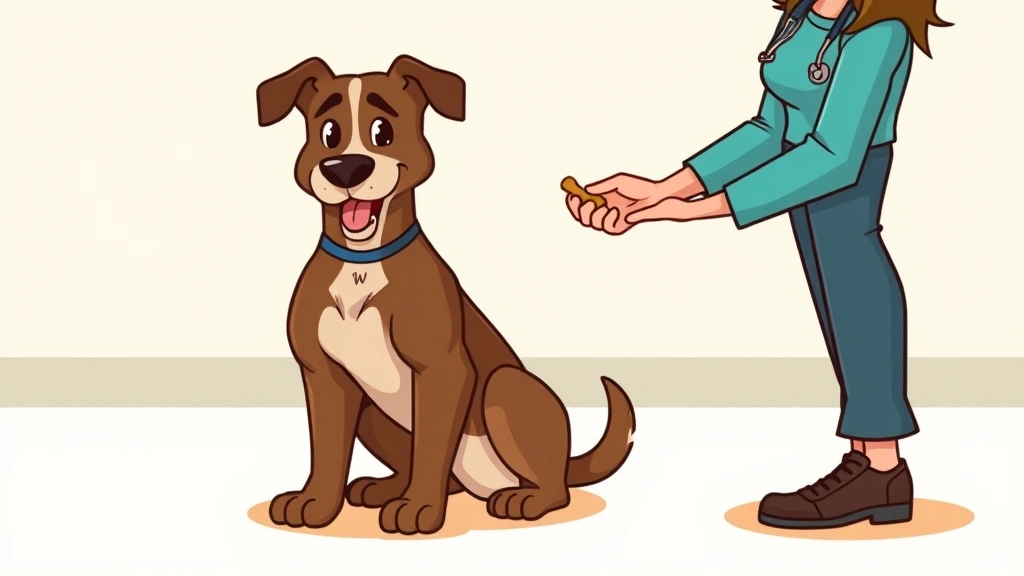
Let’s be real: the term “aggressive dog breeds” gets thrown around like confetti at a dog park, and most of it is nonsense wrapped in fear. You’ve probably heard that pit bulls, rottweilers, and German Shepherds are inherently dangerous. Here’s what I’ve learned after 12 years as a vet tech and owning two rescue dogs myself—aggression isn’t bred into a dog’s bones. It’s built, usually by accident, through poor socialization, lack of training, and sometimes genuine trauma. The good news? Understanding which breeds have certain traits and how to train them properly can make all the difference between a dangerous situation and a well-behaved family member.
This guide breaks down what “aggressive dog breeds” actually means, which dogs are commonly labeled this way, and—most importantly—how to train and manage them responsibly. Whether you own one of these breeds or you’re thinking about it, you’ll learn the real science behind the stereotype.
What “Aggressive Dog Breeds” Actually Means
First, let’s define aggression. It’s not just biting. Aggression is any behavior intended to harm another animal or person, and it exists on a spectrum. A growl is aggression. A stiff body posture is aggression. A snap without contact is aggression. A bite is the most severe end of that spectrum.
When people say a breed is “aggressive,” they usually mean one of three things:
- Prey drive: The instinct to chase and catch moving things. Terriers were bred for this. It doesn’t make them aggressive toward people, but it can make them risky around small pets.
- Territorial behavior: Protecting their home or family. This is normal dog behavior, not a breed flaw.
- Actual people-aggression: A genuine tendency to bite humans. This is rare and usually environmental, not genetic.
The confusion happens because breeds with high prey drive or territorial instinct get lumped into the “aggressive” category, even though those traits don’t automatically translate to dangerous behavior around people.
Breeds Most Often Labeled as Aggressive
Let’s talk about the usual suspects. According to the American Kennel Club, these breeds consistently show up on “dangerous” lists, though the science behind that labeling is shaky:
- Pit Bull Terriers: Bred for dog-fighting historically, but modern pit bulls are often gentle family dogs. The breed itself isn’t inherently people-aggressive.
- Rottweilers: Large, powerful, and intimidating-looking. They were bred as working dogs, not fighters. Poorly trained ones can be dangerous; well-trained ones are loyal and calm.
- German Shepherds: Intelligent and trainable, but their size and strength mean mistakes are costly. They need a confident handler.
- Dalmatians: High energy, bred for endurance. When bored and under-exercised, they develop behavioral problems that look like aggression.
- Chow Chows: Independent and aloof. They bond tightly to their family but can be standoffish with strangers. This isn’t aggression; it’s just personality.
- Akitas: Dominant and protective. They need experienced owners who can establish clear boundaries.
- Husky and Malamute breeds: Bred for pack work and have high prey drive. They’re not aggressive toward people but can be risky around smaller pets.
Notice something? Most of these are large, powerful dogs. Size matters in the aggression conversation because a 90-pound dog that jumps on people is scarier (and more dangerous) than a 15-pound Chihuahua doing the same thing. But that’s a strength issue, not an aggression issue.
Nature vs. Nurture: What Really Causes Aggression
Here’s where the real science gets interesting. Research from PetMD and veterinary behaviorists shows that genetics accounts for maybe 20-30% of aggression. The rest? Training, socialization, environment, and trauma.
Think of it like this: a breed might have the genetic predisposition to be protective or have high prey drive. But whether that turns into actual dangerous behavior depends almost entirely on what happens in that dog’s life.
- Socialization (8 weeks to 4 months): Dogs exposed to lots of people, animals, and situations during this window are dramatically less likely to develop fear-based aggression later. This is non-negotiable for any breed, but especially for those labeled “aggressive.”
- Training consistency: A dog that understands commands and respects boundaries is less likely to act aggressively. It’s not about being harsh; it’s about clarity. Dogs actually want to know the rules.
- Exercise and mental stimulation: A bored, under-exercised dog is an anxious, reactive dog. I’ve seen “aggressive” dogs become angels after their owners committed to daily exercise.
- Trauma or abuse: A dog hit, chained, or kept isolated will develop aggression as a defense mechanism. This isn’t the breed’s fault; it’s the owner’s.
- Owner confidence: Dogs read human anxiety like a book. If you’re nervous around your dog, your dog gets nervous. That nervousness can manifest as reactive behavior that looks like aggression.
Pro Tip: The best predictor of a dog’s behavior isn’t its breed—it’s its individual history and current environment. Two pit bulls from different homes can have completely opposite temperaments.
Training Essentials for Strong-Willed Breeds
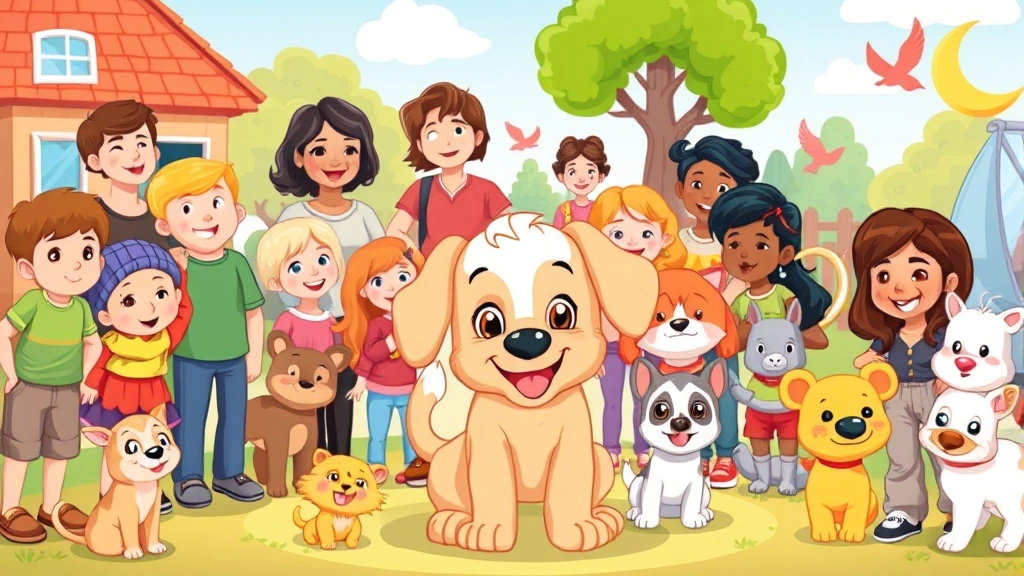
If you own or are considering owning one of the breeds labeled “aggressive,” training isn’t optional. It’s as essential as food and water.
Start with obedience basics: Sit, stay, come, leave it. These aren’t fancy tricks; they’re communication tools. When your dog understands “sit,” you have a way to interrupt reactive behavior. When they understand “come,” you can call them away from a dangerous situation.
Use positive reinforcement: Reward-based training works better than punishment for these breeds. A treat, praise, or play works faster than yelling or physical correction. Dogs don’t learn “don’t do this” from punishment; they learn “don’t do this when the big human is watching.” Positive reinforcement teaches them what you actually want.
Invest in a professional trainer: I know it’s expensive. A good trainer costs $100-300 per session, and you might need 5-10 sessions. But compare that to a lawsuit if your dog injures someone. A professional trainer who specializes in reactive or strong-willed dogs is worth every penny. Look for trainers certified by the Certification Council for Professional Dog Trainers (CCPDT).
Practice impulse control exercises:
- “Wait” at doorways before going outside
- “Leave it” with treats on the ground
- Sit before meals are served
- Down-stay while you answer the door
These exercises teach your dog that good things happen when they control their impulses. It’s like financial discipline for dogs.
Manage the environment: Training isn’t just about what you teach; it’s about preventing bad habits from forming. If your dog lunges at other dogs on walks, use a harness (not a collar—it gives you better control) and cross the street before you’re too close. You’re not being weak; you’re being smart. Every time your dog practices lunging, that behavior gets stronger.
Why Early Socialization Matters More Than Genetics
This is the part that keeps me up at night because I see it go wrong so often. A well-socialized pit bull will be friendlier to strangers than a poorly socialized golden retriever. Breed matters way less than experience.
Socialization means exposing your puppy to different people, animals, sounds, and environments in a positive way. Not just once—regularly, during that critical 8-week to 4-month window.
What good socialization looks like:
- Meeting at least 50-100 different people of various ages, races, and appearances
- Encountering different animals (other dogs, cats, maybe a horse or chicken)
- Experiencing different sounds (traffic, fireworks, vacuum cleaners, crying babies)
- Visiting different places (parks, pet stores, busy streets, quiet neighborhoods)
- All of this happening in a positive context—treats, praise, play
The goal isn’t to make your dog love everything. It’s to make your dog comfortable with novelty. A socialized dog sees a stranger and thinks, “Cool, new human.” An under-socialized dog sees a stranger and thinks, “Threat.”
Here’s the hard truth: if you get a puppy of an “aggressive breed” and don’t socialize it properly, you’re creating the very problem you’re afraid of.
Recognizing Warning Signs Before It’s Too Late
Most dogs don’t just snap without warning. There’s a progression. Learning to read it can prevent bites.
The aggression ladder (from least to most severe):
- Stiff body: Muscles tense, weight forward, ears back or forward (depending on the dog)
- Whale eye: You can see the whites of their eyes
- Lip curl or snarl: Teeth showing, but no sound
- Growl: Audible warning
- Snap: Bite without contact (or with minimal contact)
- Bite: Full contact bite, possibly with shaking
If you see your dog at step 3 or 4, that’s your signal to remove the trigger or remove your dog from the situation. Don’t wait for step 6.
Common triggers for dogs labeled “aggressive”:
- Guarding food, toys, or their person
- Feeling cornered or trapped
- Pain or illness (a dog in pain is a dangerous dog)
- Fear (fear-based aggression is the most common kind)
- Lack of socialization with a specific type of person or animal
- High arousal situations (playing, excitement, chaos)
If your dog shows any of these signs, consult a veterinary behaviorist. Yes, it’s expensive. A consultation runs $200-500. But it’s cheaper and safer than ignoring the problem until someone gets hurt.
Legal and Liability Considerations
I’m going to be blunt: if you own a dog labeled “aggressive,” and that dog injures someone, you’re legally and financially liable. This isn’t a maybe. It’s a certainty.
What you need to know:
- Liability insurance: Most homeowner’s insurance policies exclude certain breeds or limit coverage. Check your policy now. If your dog isn’t covered and it bites someone, you’re paying the medical bills out of pocket. That can be $50,000+.
- “One bite” laws: In many states, you’re not liable for the first bite (the dog gets one “free” bite). But after that, you’re responsible. In some states, even the first bite makes you liable if you knew the dog had aggressive tendencies.
- Breed-specific legislation: Some cities and states ban or heavily restrict certain breeds. Check your local laws. Some landlords won’t rent to you if you own a pit bull or rottweiler, even if your dog is a saint.
- Criminal charges: If your dog seriously injures or kills someone, you could face criminal charges, not just civil liability. This has happened.
The legal landscape is unfair to dogs labeled “aggressive”—I know that. But it’s the reality. Responsible ownership means acknowledging this risk and managing it aggressively (no pun intended).
One more thing: if you’re considering adopting a dog from a shelter, ask about its history. A shelter dog with a known bite history needs an experienced owner and probably professional training. That’s not a judgment; it’s a reality check.
Also, don’t ignore stress signals in your own dog. If your dog is panting excessively at night or showing other signs of anxiety, that’s a warning that your dog is stressed. Stressed dogs are more likely to react aggressively. Similarly, if you notice your dog is licking his paws obsessively, that can indicate anxiety or stress that needs addressing.
Frequently Asked Questions
Are aggressive dog breeds actually more dangerous than other dogs?
– Not inherently. A well-trained pit bull is safer than an untrained golden retriever. What matters is the individual dog’s training, socialization, and environment. Larger, stronger breeds cause more damage when they do bite, which is why they’re more heavily regulated. But the aggression itself isn’t breed-specific.
Can you train aggression out of a dog?
– It depends on the cause and severity. Fear-based aggression can often be improved with desensitization and counterconditioning (teaching the dog a different response to the trigger). Resource guarding can be managed through training. But true, severe aggression—especially if it’s genetic or deeply rooted—might not be fully trainable. This is where a veterinary behaviorist comes in. They can assess whether the aggression is manageable or if the dog is a safety risk.
Should I muzzle my aggressive dog?
– A properly fitted muzzle is a management tool, not a solution. It prevents bites but doesn’t address the underlying aggression. A dog in a muzzle can still lunge, growl, and snap—it just can’t make contact. Use a muzzle if necessary for safety, but pair it with training and behavior modification.
What age should I start training an aggressive dog breed?
– Start immediately. Puppies learn faster than adult dogs, and early training prevents bad habits from forming. If you have an adult dog showing aggression, start training now. It’s never too late, though it might be harder.
Can you test a puppy to see if it will be aggressive?
– There’s no reliable test. Temperament testing can give you clues about a puppy’s personality (confident vs. shy, playful vs. serious), but it can’t predict aggression. A puppy’s behavior depends on its genetics, socialization, training, and life experiences. Focus on good socialization and training, not on predicting the future.
Is it wrong to own an aggressive dog breed if I don’t have experience?
– Honestly? Yes. If you’re a first-time dog owner, start with a breed known for being forgiving and easy to train. A German Shepherd or rottweiler in the hands of an inexperienced owner is a recipe for problems. That’s not a judgment; it’s a reality. These breeds need confident, consistent handlers who understand dog behavior. If you’re set on owning one of these breeds, invest heavily in training and education first.
What should I do if my neighbor’s dog is aggressive?
– Document incidents (dates, times, what happened). Report it to animal control or local law enforcement. Don’t approach the dog or the owner in anger. If the dog has bitten someone, there’s usually a legal process that kicks in. Protect yourself and your pets in the meantime by avoiding the dog and keeping your own pets secured.
Are there medications for aggressive dogs?
– Yes. Some dogs benefit from anti-anxiety medications like fluoxetine or trazodone, especially if their aggression is driven by fear or anxiety. These medications work best when paired with training and behavior modification. Talk to your vet or a veterinary behaviorist about whether medication is appropriate for your dog. But here’s the thing: medication alone won’t fix aggression. It’s a tool, not a solution.





