

As a dog owner, you’ve likely wondered whether it’s safe to share your chicken dinner with your furry friend. The question of whether can dogs eat chicken bones is one of the most common concerns among pet parents, and for good reason. While dogs have been eating bones for thousands of years in the wild, domestic dogs face different risks when it comes to consuming chicken bones from our dinner table.
The answer isn’t as straightforward as a simple yes or no. The safety of chicken bones for dogs depends on several crucial factors, including whether the bones are raw or cooked, the size of the bone, and your dog’s eating habits. Understanding these distinctions could literally save your dog’s life, as improper bone consumption can lead to serious health emergencies requiring immediate veterinary intervention.
Raw vs. Cooked Chicken Bones: The Critical Difference
The most important distinction every dog owner must understand is the difference between raw and cooked chicken bones. This difference can mean the difference between a safe treat and a life-threatening emergency.
Raw chicken bones are generally considered safer for dogs because they maintain their natural flexibility and moisture content. When raw, chicken bones are softer and more pliable, making them less likely to splinter into sharp, dangerous fragments. Many raw feeding advocates and veterinarians who support raw diets argue that dogs’ digestive systems are naturally equipped to handle raw bones, as their wild ancestors consumed entire prey animals, bones included.
Cooked chicken bones, however, present a completely different scenario. The cooking process fundamentally changes the bone’s structure, making it brittle, dry, and prone to splintering. When a dog chews on a cooked chicken bone, it can break into sharp, jagged pieces that pose serious risks to the digestive tract. The American Veterinary Medical Association (AVMA) strongly advises against giving dogs any cooked bones, particularly poultry bones.

Even with raw bones, size matters significantly. Small chicken bones, such as those from wings or drumettes, can pose choking hazards regardless of whether they’re raw or cooked. Larger bones from chicken thighs or breasts may be safer options if you choose to offer raw bones, but supervision is always essential.
The Hidden Dangers of Chicken Bones
Understanding the specific risks associated with chicken bones can help you make informed decisions about your dog’s diet and recognize potential emergencies. The dangers extend far beyond simple choking and can affect multiple body systems.
Choking and Airway Obstruction: Small chicken bones can easily become lodged in a dog’s throat, blocking the airway and creating an immediate life-threatening situation. This is particularly dangerous with wing bones or small rib bones that can slip past the teeth and become stuck.
Mouth and Teeth Injuries: Sharp bone fragments can cut the gums, tongue, or inner cheeks, leading to painful wounds and potential infections. Cooked bones are especially problematic in this regard, as they create particularly sharp edges when they break.
Esophageal Damage: As bones travel down the esophagus, sharp fragments can cause tears or punctures in this vital tube connecting the mouth to the stomach. Esophageal injuries often require surgical intervention and can be life-threatening.
Stomach Perforations: Perhaps the most serious risk, bone fragments can puncture the stomach lining, causing internal bleeding and allowing stomach contents to leak into the abdominal cavity. This condition, known as peritonitis, is a medical emergency requiring immediate surgery.
Intestinal Blockages: Bone fragments that make it past the stomach can create blockages in the small or large intestine. These obstructions prevent normal digestion and can cause severe pain, vomiting, and potentially fatal complications if not treated promptly.
The FDA has documented numerous cases of serious injuries and deaths related to bone consumption in dogs, emphasizing the real nature of these risks.
Emergency Warning Signs to Watch For
If your dog has consumed chicken bones, knowing what symptoms to watch for can be crucial for their survival. Some signs may appear immediately, while others can develop hours or even days later.
Immediate Signs (within hours):
- Excessive drooling or difficulty swallowing
- Pawing at the mouth or face
- Gagging, retching, or attempting to vomit without producing anything
- Difficulty breathing or wheezing
- Restlessness or signs of distress
- Refusing food or water
Delayed Signs (12-72 hours later):
- Vomiting, especially if it contains blood
- Diarrhea or bloody stools
- Abdominal pain or bloating
- Lethargy or weakness
- Loss of appetite
- Straining to defecate or producing no stool
It’s worth noting that some dogs may need to know how long can a dog go without eating if they’re experiencing digestive distress from bone consumption. However, any prolonged loss of appetite following bone ingestion should be treated as a medical emergency.
Safe Bone Alternatives for Dogs
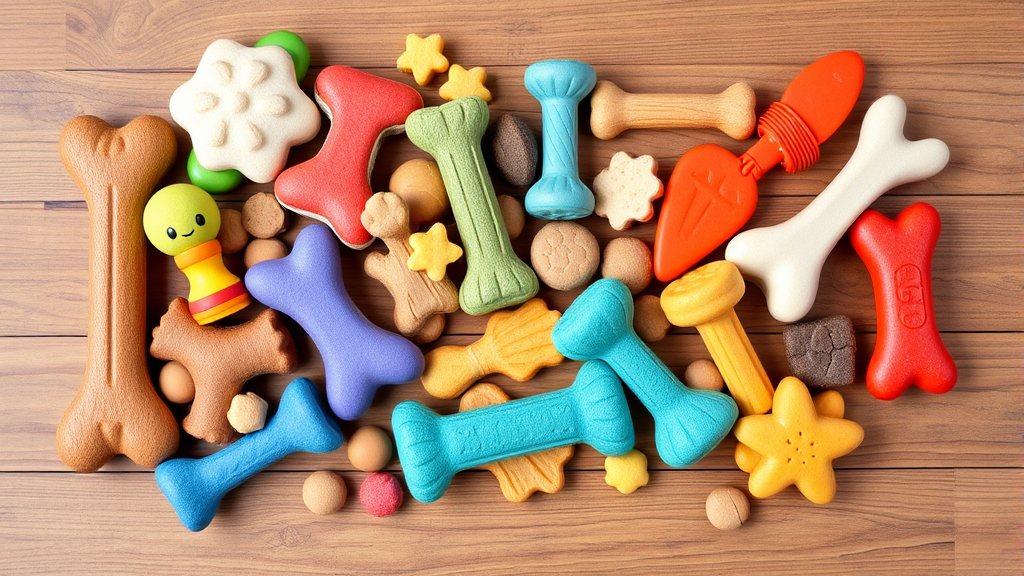
Fortunately, there are numerous safe alternatives that can satisfy your dog’s natural desire to chew without the risks associated with chicken bones. These alternatives provide mental stimulation, dental benefits, and enjoyment without compromising safety.
Commercial Chew Toys: High-quality rubber toys, rope toys, and specially designed dental chews can provide hours of entertainment. Look for products approved by the Veterinary Oral Health Council (VOHC) for added assurance.
Raw Beef or Lamb Bones: If you want to provide real bones, larger raw bones from beef or lamb are generally safer options. These bones are larger, less likely to splinter, and provide substantial chewing exercise. Always supervise and remove the bone when it becomes small enough to swallow.
Frozen Treats: Frozen carrots, sweet potato slices, or commercially prepared frozen treats can satisfy the urge to chew while providing nutritional benefits. Some dogs also enjoy frozen broth cubes or can dogs eat coconut frozen in ice cube trays.
Digestible Chews: Products made from rawhide alternatives, such as collagen chews or vegetable-based options, can provide the chewing experience without the risks. Always choose appropriate sizes and supervise consumption.
What to Do If Your Dog Eats Chicken Bones
Despite your best efforts, accidents happen. If your dog manages to consume chicken bones, your response can significantly impact the outcome. Here’s a step-by-step approach to handle this emergency situation.
Step 1: Stay Calm and Assess
First, remain calm and quickly assess the situation. Determine what type of bones were consumed (raw or cooked), how many, and how long ago the incident occurred. This information will be crucial for your veterinarian.
Step 2: Do NOT Induce Vomiting
Unlike some poisoning situations where you might need to know how to induce vomiting in dogs, bone ingestion is one case where vomiting should never be induced. Forcing bones back up through the esophagus can cause additional damage to the throat and mouth.
Step 3: Contact Your Veterinarian
Call your veterinarian or emergency animal hospital immediately. Describe the situation in detail, including the type and amount of bones consumed. They may recommend immediate examination or provide guidance for monitoring at home.
Step 4: Monitor Closely
If your veterinarian recommends home monitoring, watch your dog closely for any of the warning signs mentioned earlier. Keep a log of your dog’s behavior, eating habits, and bowel movements.
Step 5: Provide Supportive Care
Your veterinarian may recommend feeding your dog soft, bulky foods like bread or can dogs eat rice to help cushion bone fragments as they pass through the digestive system. However, only follow these recommendations under professional guidance.
Prevention and Safe Feeding Practices
The best approach to chicken bone safety is prevention. By implementing proper feeding practices and household management, you can significantly reduce the risk of accidental bone consumption.
Secure Garbage Management: Use dog-proof garbage cans with tight-fitting lids. Many dogs are skilled at accessing discarded chicken bones from the trash, so investing in a secure disposal system is essential.
Table Scrap Protocols: Establish clear rules about table scraps. Instead of sharing potentially dangerous foods like chicken bones, consider safer alternatives. For instance, while you might wonder about other foods like can dogs eat bacon or can dogs eat cheese, always research safety first.
Guest Education: Inform family members and guests about the dangers of feeding chicken bones to dogs. Well-meaning visitors often don’t understand the risks and may offer dangerous treats.
Supervision During Meals: Keep dogs in a separate area during meal preparation and consumption to prevent opportunistic bone snatching. This is particularly important during holidays and gatherings when chicken dishes are common.
Training and Management: Teach your dog strong “leave it” and “drop it” commands. These skills can be life-saving if your dog finds chicken bones before you notice.
Frequently Asked Questions
Can dogs eat raw chicken bones safely?
Raw chicken bones are generally considered safer than cooked bones because they don’t splinter as easily. However, they still pose risks including choking, tooth damage, and digestive issues. The size of the bone and your dog’s eating habits are crucial factors. Always supervise and consult with your veterinarian before offering any bones.
What should I do immediately if my dog swallows a chicken bone?
Contact your veterinarian immediately and do not induce vomiting. Monitor your dog closely for signs of distress, difficulty breathing, or choking. Your vet may recommend bringing your dog in for examination or providing specific at-home monitoring instructions based on the situation.
How long does it take for chicken bones to pass through a dog’s system?
Typically, food passes through a dog’s digestive system in 12-48 hours. However, bones can take longer and may cause problems at any point during this process. Some complications can appear immediately, while others may not manifest for several days. Continuous monitoring during this period is essential.
Are chicken wings more dangerous than drumsticks for dogs?
Yes, chicken wings are generally considered more dangerous because they contain smaller, more numerous bones that are easier to swallow whole and more likely to cause choking or blockages. The bones in wings are also more prone to splintering when cooked. Drumstick bones, while still risky, are larger and may be less likely to be swallowed whole.
Can small dogs eat chicken bones that large dogs can handle?
No, small dogs face even greater risks from chicken bones due to their smaller throat and digestive tract dimensions. What might pass safely through a large dog could easily cause a blockage or choking in a small dog. The size ratio between the dog and the bone is a critical safety factor.
Will chicken bones always cause problems for dogs?
Not every dog that eats chicken bones will experience problems, but the risks are significant enough that veterinarians strongly advise against it. Some dogs may pass bones without incident, while others may face life-threatening complications. The unpredictable nature of potential problems makes prevention the safest approach.
What are the best alternatives to chicken bones for dogs who love to chew?
Safe alternatives include appropriately sized raw beef or lamb bones, commercial dental chews approved by veterinary organizations, frozen treats like carrots or sweet potatoes, and high-quality chew toys made from safe materials. Always choose alternatives appropriate for your dog’s size and supervise chewing activities.





