

Your dog is pacing the house before a thunderstorm hits. Or maybe they’re destructing the couch the moment you leave for work. That’s not bad behavior—that’s genuine anxiety, and it’s treatable. If you’re considering anxiety meds for dogs, you’re already on the right track. But here’s the thing: medication isn’t always the first move, and when it is, there are multiple options that work differently depending on your dog’s specific triggers and temperament.
I’ve seen dogs transform from shaking, panting messes to calm, confident companions once we got their anxiety under control. The key is understanding what’s actually happening in their brain, knowing which anxiety meds for dogs fit your situation, and being honest about whether medication alone will cut it.
How to Recognize Real Anxiety in Dogs
Before we talk about anxiety meds for dogs, let’s make sure we’re actually dealing with anxiety and not just a quirky personality trait. Dogs can’t tell us they’re anxious, so we have to read their body language.
Real anxiety shows up as:
- Panting and drooling (even when it’s cool)
- Pacing or inability to settle
- Destructive behavior (chewing, digging, scratching) specifically when alone or during triggers
- Trembling or shaking (which we cover in detail here)
- Excessive barking or whining
- Avoidance or hiding
- Loss of appetite
- Repetitive behaviors like spinning or tail-chasing
One of the trickiest parts? Dogs often show anxiety in ways that look like disobedience. A dog that has separation anxiety might destroy your house, and you think they’re being spiteful. But they’re actually in distress. That’s why punishment doesn’t work—and why anxiety meds for dogs can be genuinely life-changing when paired with the right training.
According to the American Kennel Club, certain breeds (like Vizslas, German Shepherds, and Lagotto Romagnolos) are genetically predisposed to anxiety. But any dog can develop anxiety from trauma, lack of socialization, or medical issues.
Prescription Anxiety Meds for Dogs
When your vet recommends prescription anxiety meds for dogs, they’re usually choosing from a few proven categories. These are the heavy hitters—they actually change brain chemistry.
SSRIs (Selective Serotonin Reuptake Inhibitors)
These are the gold standard for long-term anxiety management. Think of serotonin as your dog’s “chill out” neurotransmitter. SSRIs keep it around longer.
- Fluoxetine (Prozac): The most common. Takes 4-6 weeks to fully kick in. Good for separation anxiety, noise phobias, and generalized anxiety.
- Sertraline (Zoloft): Similar timeline and effectiveness. Some dogs tolerate it better than fluoxetine.
- Paroxetine (Paxil): Less commonly used in dogs but effective for some.
The catch? You can’t just give it when your dog is freaking out. SSRIs build up in the system over weeks. They’re for chronic anxiety, not acute panic attacks.
Tricyclic Antidepressants
Amitriptyline is the main one here. It works similarly to SSRIs but through a different mechanism. Some dogs respond better to it, especially if they have concurrent pain or digestive issues.
Benzodiazepines (Fast-Acting)
These are your emergency anxiety meds for dogs. They work within 30 minutes to an hour.
- Alprazolam (Xanax): Fast, effective, but habit-forming. Vets usually prescribe this for specific events (vet visits, fireworks) rather than daily use.
- Diazepam (Valium): Similar profile. Some dogs get paradoxically hyper on it, so it needs a trial.
Real talk: benzodiazepines can be great for situational anxiety, but they’re not a long-term solution. They also require careful dosing and monitoring because dogs can become dependent.
Trazodone
This is the “Goldilocks” drug for many vets. It’s not quite as strong as benzodiazepines, but it works faster than SSRIs (usually within 1-2 hours). Great for separation anxiety and noise phobias. Often prescribed as a bridge while you wait for SSRIs to kick in.
Over-the-Counter and Natural Options
Not every dog needs prescription anxiety meds for dogs. Some respond well to gentler options, especially mild anxiety. Here’s what actually has evidence:
Supplements and Nutraceuticals
- L-theanine: An amino acid that promotes relaxation without sedation. Decent evidence in dogs. Takes about 30 minutes to work.
- Adaptil (dog appeasing pheromone): Mimics the calming pheromone mother dogs release. Works best for puppies and young dogs with mild anxiety.
- Melatonin: We cover this in depth here, but the short version is it can help with sleep-related anxiety, though it’s not a primary anxiety treatment.
- CBD: The evidence is growing but still mixed. Some dogs do better on it; others don’t respond. Quality varies wildly between brands.
Herbal Options
Chamomile tea (in small amounts) has mild calming properties. We’ve got a full breakdown on whether dogs can have chamomile tea. Bottom line: it’s safe but not a replacement for real anxiety meds for dogs.
Passionflower and valerian root show some promise, but research in dogs is limited. They’re often found in commercial anxiety treats, but don’t expect miracles.
Anxiety Wraps and Pressure Vests
Products like Thundershirts use gentle pressure to calm anxious dogs. The science is real—it’s based on the same principle as swaddling babies. Not a medication, but genuinely helpful for some dogs, especially during storms or fireworks.
Pro Tip: Many vets recommend combining a gentler option (like L-theanine or a Thundershirt) with behavior training before jumping to prescription anxiety meds for dogs. But if your dog is severely anxious, don’t wait—medication + training together works better than either alone.
Why Behavior Training Matters as Much as Meds
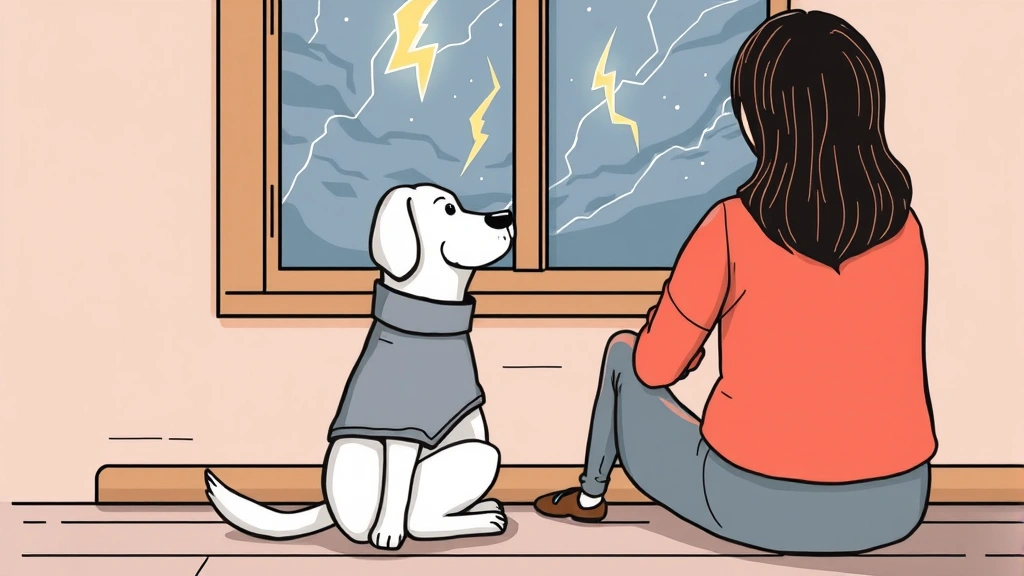
Here’s where I get real with people: anxiety meds for dogs are only half the equation. A dog on fluoxetine but still locked in a crate all day while you’re at work? They’re still anxious. The medication just takes the edge off.
Effective treatment combines:
- Counter-conditioning: Teaching your dog that scary triggers (thunderstorms, your departure) predict good things (treats, play)
- Desensitization: Gradually exposing your dog to triggers at lower intensities while they’re calm
- Environmental management: Creating a safe space, using white noise, controlling exposure to triggers
- Consistent routine: Dogs thrive on predictability. A solid schedule reduces baseline anxiety
According to PetMD, the most successful anxiety treatment plans include both medication and behavioral modification. Some dogs can eventually taper off medication once their confidence improves. Others need it long-term, and that’s okay.
The fact that your dog sits on you constantly might also be an anxiety signal. Some dogs use their owners as an anxiety anchor, which is a behavior worth addressing alongside medication.
How to Choose the Right Anxiety Med for Your Dog
There’s no universal “best” anxiety med for dogs. What works for your neighbor’s Golden Retriever might flop for yours. Here’s how vets think through it:
Type of Anxiety
- Separation anxiety: SSRIs or trazodone work best. Sometimes benzodiazepines for acute situations.
- Noise phobias (storms, fireworks): Trazodone or benzodiazepines. SSRIs for chronic noise anxiety.
- Social anxiety: SSRIs. Often paired with desensitization training.
- Generalized anxiety: SSRIs. Might take 6+ weeks to see full benefit.
Your Dog’s Health Profile
Does your dog have liver disease? Kidney issues? Seizure history? All of this matters. For example, dogs with liver problems can’t metabolize some medications safely. SSRIs are generally gentler on organs than benzodiazepines, which is why they’re often first-line for older dogs.
How Quickly You Need Results
If your dog is having a panic attack right now, you need a fast-acting drug. Benzodiazepines or trazodone. If you’re dealing with chronic separation anxiety, you have time for an SSRI to build up. Most vets will layer a fast-acting med with a slow-acting one initially, then taper the fast one as the slow one kicks in.
Cost and Compliance
Real talk: anxiety meds for dogs can get expensive. A month of fluoxetine might be $15 generic, or $80+ for brand-name. Some dogs need twice-daily dosing, which is harder to stick with than once-daily. Discuss this with your vet. There’s no shame in cost being a factor.
Side Effects and Safety Concerns
All medications have trade-offs. Here’s what to watch for with anxiety meds for dogs:
SSRI Side Effects
- Lethargy or sedation: Some dogs get sleepy, especially at first. Usually improves.
- Appetite changes: Can go either way—some dogs eat less, others more.
- GI upset: Nausea, diarrhea, or constipation. Usually mild and temporary.
- Behavioral activation: Rarely, dogs become more agitated initially. This usually resolves in a few weeks.
Benzodiazepine Side Effects
- Sedation: This is the point, but some dogs get too drowsy.
- Dependence: Long-term use can create tolerance. Don’t suddenly stop these meds.
- Paradoxical reactions: Some dogs get hyper instead of calm. Not common, but it happens.
Drug Interactions
If your dog is on other medications, tell your vet. SSRIs can interact with certain pain meds. Benzodiazepines can potentiate other sedatives. This is why a full medication history matters.
Monitoring During Treatment
Safety Warning: After starting anxiety meds for dogs, schedule a recheck with your vet in 2-4 weeks. Some dogs respond beautifully; others need dose adjustments. Never adjust medication on your own.
Your vet might recommend bloodwork, especially if your dog is on long-term SSRIs or has pre-existing health issues. This is worth the cost—it catches problems early.
Timeline: How Long Before Anxiety Meds Work
This is the question every dog owner asks, and the answer is: it depends on the drug.
Fast-Acting (Hours to Days)
- Benzodiazepines: 30 minutes to 2 hours. Full effect within a day.
- Trazodone: 1-2 hours. Noticeable within the first dose.
Moderate (Days to Weeks)
- L-theanine: 30 minutes to 1 hour per dose.
- Adaptil: 3-7 days for noticeable effect.
Slow-Building (Weeks to Months)
- SSRIs (fluoxetine, sertraline): 4-6 weeks for full therapeutic effect. Some improvement might show in 2-3 weeks, but patience is essential.
Here’s what happens: you start your dog on fluoxetine for separation anxiety. Week 1, nothing changes. Week 2, maybe a tiny improvement. Week 4, you notice they’re not destroying the house as much. Week 6, they’re genuinely calmer. Then around week 8-12, you see the real transformation.
This is why vets often prescribe a fast-acting medication alongside an SSRI. The benzodiazepine or trazodone bridges the gap while you wait for the SSRI to build up. Then you taper the fast-acting drug.
If you see zero improvement after 8-10 weeks on an SSRI, your dog might not be a responder to that particular drug. Different SSRIs work differently for different dogs. Your vet might switch you to another one. This is normal and not a failure.
Frequently Asked Questions
Can I give my dog anxiety medication without a vet visit?
– No, and I wouldn’t recommend it. Anxiety meds for dogs require a proper diagnosis. What looks like anxiety might be a medical problem (hyperthyroidism, pain, ear infection) that needs different treatment. Plus, dosing matters. A vet ensures your dog gets the right drug at the right dose for their weight and health.
Will my dog become addicted to anxiety meds?
– SSRIs? No. Your dog won’t become addicted to fluoxetine or sertraline. Benzodiazepines? Yes, they can develop dependence with long-term use, which is why vets limit them to situational use or short-term bridging. This is another reason SSRIs are preferred for chronic anxiety.
What’s the difference between anxiety meds for dogs and human anxiety meds?
– Same drugs, different dosing. Fluoxetine is fluoxetine whether it’s for you or your dog. The dose is just calculated differently based on weight and species-specific metabolism. Your dog’s pharmacy might literally fill your prescription and your dog’s prescription from the same bottle.
Can I stop anxiety meds for dogs suddenly?
– Don’t. Especially with SSRIs and benzodiazepines. Stopping suddenly can cause rebound anxiety or, with benzodiazepines, withdrawal symptoms. Always taper under vet guidance. This usually takes 2-4 weeks.
Are there any natural anxiety meds for dogs that actually work?
– Some. L-theanine has decent evidence. Adaptil works for mild anxiety in younger dogs. CBD is promising but inconsistent. The honest answer: they work for mild anxiety, but if your dog is severely anxious, prescription anxiety meds for dogs are more reliable. Combining both often works best.
How much do anxiety meds for dogs cost?
– Generic fluoxetine? $10-30 per month. Brand-name Prozac? $80-150. Benzodiazepines vary widely depending on frequency and dose. Many vets can compound medications cheaper. Ask about generic options—they’re effective and easier on your wallet.
Will my dog need anxiety meds forever?
– Maybe, maybe not. Some dogs improve with training and environmental management, then taper off successfully. Others have a genetic predisposition to anxiety and need long-term medication, like a person with depression. There’s no shame in either path. The goal is a calm, happy dog.
My dog is on anxiety meds but still anxious. What’s wrong?
– First, are you at the right dose? Second, are you past the therapeutic window (4-6 weeks for SSRIs)? Third, is behavior training happening? Medication alone doesn’t fix anxiety—it makes the dog receptive to training. If all that checks out, try a different medication. Not all dogs respond to all drugs.
Can I give my dog anxiety meds during pregnancy?
– Talk to your vet. Some SSRIs are considered safer during pregnancy than others. Benzodiazepines are generally avoided. This is a nuanced conversation that depends on the specific drug and your dog’s situation.
What about ADHD-like symptoms in dogs—is that anxiety?
– Not always. Hyperactivity, impulse control issues, and difficulty focusing can look like anxiety but might be something else entirely. Your vet needs to rule out medical causes (hyperthyroidism, pain) and behavioral issues before assuming anxiety. Sometimes a dog is just a high-energy breed that needs more exercise and training, not medication.
Can I combine anxiety meds for dogs with other treatments like training?
– Yes, absolutely. In fact, this is the gold standard. Medication + behavior training + environmental management = best outcomes. The medication takes the edge off so your dog can actually learn. Without training, medication is just a Band-Aid.
Is there a risk of my dog overdosing on anxiety meds?
– Accidental overdose on SSRIs is rare and usually not life-threatening, though your dog might get very drowsy. Benzodiazepine overdose is more serious. If you think your dog ate a bunch of medication, call your vet or poison control immediately. Keep meds in a secure place, away from curious noses.
Anxiety meds for dogs are one of the most rewarding treatments I see in practice. A dog that goes from trembling and destructive to calm and confident? That’s life-changing for everyone. But they work best as part of a bigger plan that includes training, environmental tweaks, and realistic expectations about timelines. Talk to your vet, be patient, and remember: you’re not giving up by using medication. You’re giving your dog the best chance at a normal, happy life.





