
Small dog breeds have exploded in popularity over the last decade, and honestly, it’s not hard to see why. They fit into apartments, travel easier, and somehow pack more personality into five pounds than dogs three times their size. But here’s the real talk: not all best small dog breeds are created equal. Some are stubborn little gremlins. Some shed like they’re shedding their entire genetic code. Some have health issues that’ll drain your wallet faster than you can say “vet bill.”
If you’re thinking about bringing home a small dog, you need to know what you’re actually getting into—not just the Instagram-worthy cuteness factor. This guide breaks down the actual best small dog breeds for different lifestyles, what their real temperaments are like (not the fairy tale version), and what health stuff you should watch for.
Chihuahuas: Tiny but Mighty
Chihuahuas are the definition of “small dog, big personality.” These guys typically weigh 2-6 pounds and live 12-18 years, which means you’re signing up for a long commitment with a dog that thinks it’s a German Shepherd. They’re loyal to the point of obsession—often bonding intensely with one person in the household.
The real challenge with Chihuahuas? They can be aggressive, especially if they’re not socialized early. They’ll snap at bigger dogs, kids, and sometimes strangers. It’s not malice—it’s fear-based behavior. They’re so tiny that the world probably feels enormous and threatening. Proper training from puppyhood is non-negotiable.
Chihuahuas come in two coat types: smooth and long-haired. Long-haired versions shed noticeably; smooth-coated ones shed less but still lose hair. They don’t need much exercise—a couple of short walks daily is fine—but they need mental stimulation and consistent boundaries. Without it, you get a neurotic little tyrant.
Pro Tip: Chihuahuas are prone to dental disease because their teeth are crowded into a tiny skull. Start dental care early and plan for regular cleanings.
French Bulldogs: The Charming Couch Potato
French Bulldogs are the social butterflies of the best small dog breeds list. They weigh 24-28 pounds (so technically on the larger end of “small”), love people, and have a goofy sense of humor. They’re great with kids, other dogs, and basically everyone they meet. If you want a small dog that’s actually friendly to strangers, this is your breed.
The downside? Frenchies are brachycephalic, meaning they have a flat face. This causes breathing problems, especially in heat or during exercise. They snore, snort, and sometimes struggle to breathe normally. Vet bills for respiratory issues are common. They also overheat easily, so summer in hot climates is genuinely dangerous for them.
They’re not high-energy—they’re actually pretty lazy—but they do need consistent training because they can be stubborn. Housebreaking can take longer than with other breeds. And their wrinkled skin needs regular cleaning to prevent infections.
According to the American Kennel Club, French Bulldogs are now the #2 most popular breed in America. That popularity has led to irresponsible breeding, so finding a reputable breeder is critical.
Pomeranians: Fluff with Attitude
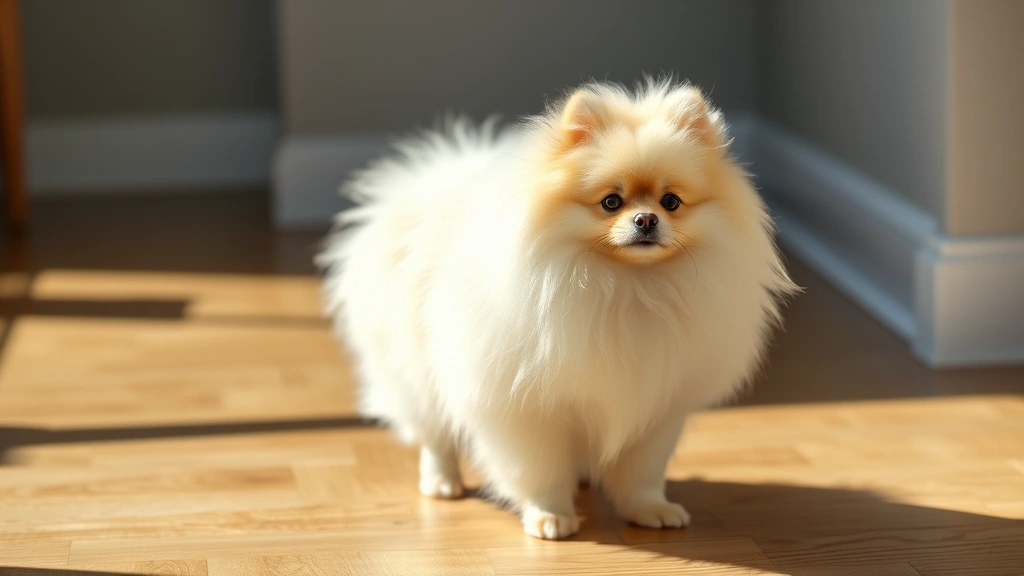
Pomeranians are basically clouds with teeth. They weigh 3-7 pounds and have this incredible fluffy double coat that makes them look twice their actual size. They’re smart, trainable, and surprisingly confident for their size.
Here’s what nobody tells you: Pomeranians shed like it’s their job. We’re talking tumbleweeds of fur rolling across your floor. If you’re not ready to vacuum twice a week and brush them daily, this isn’t your breed. Their coat requires regular grooming or it’ll mat and look terrible.
Temperament-wise, they can be yappy—they were originally bred as watchdogs for larger dogs, so they bark at everything. Without training and socialization, they become anxious little barkers. They’re also prone to hypoglycemia (low blood sugar), which can cause seizures. This is especially true in puppies, so feeding them small, frequent meals is important.
Pomeranians are better suited for homes without small children because they’re fragile and can be snappy if mishandled.
Shih Tzus: The Grooming Commitment
Shih Tzus are one of the most beautiful best small dog breeds, with their long, silky coats and sweet expressions. They weigh 9-16 pounds and were originally bred as companion dogs for Chinese royalty. They’re affectionate, playful, and generally good-natured.
The catch? Their grooming needs are absolutely massive. If you want to keep their coat long and show-quality, you’re looking at daily brushing and professional grooming every 4-6 weeks. If that’s too much, you can keep them in a “puppy cut”—shorter all over—which requires less maintenance but still needs regular professional grooming.
Many people ask if Shih Tzus are hypoallergenic. The answer is sort of: they shed less than many breeds, but they’re not truly hypoallergenic. They also require regular eye care because their eyes are large and prone to irritation.
Shih Tzus can be stubborn about housebreaking, and they’re prone to ear infections because their floppy ears trap moisture. They’re also susceptible to hip dysplasia and eye problems. PetMD notes that respiratory issues can occur in this breed, especially in hot weather.
They’re excellent for people who love grooming and have time for it. If you don’t, this breed will frustrate you.
Yorkshire Terriers: Small but Spicy
Yorkshire Terriers (Yorkies) weigh 4-7 pounds and have silky coats that can be long or trimmed short. They’re energetic, intelligent, and surprisingly tough for their size. They were originally bred to hunt rats in mills, so they have a strong prey drive and love to chase things.
Yorkies are independent thinkers. They’re trainable, but they’ll question your authority. They need a confident owner who can establish boundaries without being harsh. They respond well to positive reinforcement but will straight-up ignore commands they don’t feel like following.
Like other small terriers, Yorkies can be snappy with kids and other dogs if not properly socialized. They also have that terrier stubbornness about housebreaking—some Yorkies take months to reliably housetrain. Patience is essential.
Their coats require daily brushing and regular professional grooming. They’re prone to dental disease, patellar luxation (knee problems), and eye issues. They also tend to have sensitive stomachs, so finding the right food is important.
Yorkies are great for active people who want a small dog with personality and don’t mind grooming.
Pugs: Snorty and Lovable
Pugs are another brachycephalic breed, weighing 14-18 pounds. They’re charming, funny, and genuinely affectionate. They love being around people and are pretty easygoing. They don’t need much exercise—short walks and playtime indoors is sufficient.
But here’s the reality: Pugs have serious health issues. Their flat faces cause chronic breathing problems. They snore loudly. They overheat easily. They’re prone to eye problems because their eyes bulge and don’t close completely. Spinal issues are common. Skin fold infections happen regularly because moisture gets trapped in their wrinkles.
Vet bills for Pugs are typically higher than for other small breeds. If you get a Pug, expect to spend more on healthcare. They also tend to gain weight easily, which exacerbates their breathing problems.
The AKC acknowledges that responsible breeding is crucial for this breed to reduce health problems. Choose a breeder who health-tests their dogs.
Pugs are wonderful dogs, but you need to go in with eyes open about their health challenges.
Maltese: Elegant Lap Dogs
Maltese are tiny (under 7 pounds) and have beautiful white coats. They’re affectionate, playful, and excellent lap dogs. They don’t need much exercise and are happy to spend the day with you on the couch.
Maltese are generally friendly and good-natured, though they can be snappy if startled or mishandled. They’re prone to anxiety and can develop separation anxiety if left alone for long periods. They also tend to bark, especially if they’re anxious.
Their white coats require regular grooming and bathing to stay bright. They can develop tear stains (brown marks under the eyes), which many owners find unsightly. Dental disease is common, as with most toy breeds. They’re also prone to patellar luxation and eye problems.
Maltese are best for people who want a lap dog that doesn’t need much exercise but are willing to commit to grooming and dealing with potential anxiety issues.
How to Choose the Right Small Breed for You
Picking the right best small dog breed depends on your lifestyle, living situation, and what you’re willing to commit to. Here’s a framework:
- Apartment Living: French Bulldogs, Pugs, and Maltese are fine with limited space. Chihuahuas are okay but can be yappy. Pomeranians and Yorkies shed and bark, which can be annoying in close quarters.
- Active Lifestyle: Chihuahuas and Yorkies need more mental stimulation. Pomeranians have bursts of energy. French Bulldogs and Pugs are couch potatoes.
- Grooming Tolerance: If you hate grooming, avoid Shih Tzus, Pomeranians, and long-haired Yorkies. Chihuahuas, French Bulldogs, and Pugs need minimal grooming.
- Budget: Brachycephalic breeds (Frenchies, Pugs) have higher vet costs. Breeds prone to dental disease need regular cleanings. Factor this in.
- Kids in the Home: French Bulldogs are best. Chihuahuas, Yorkies, and Pomeranians can be snappy. Shih Tzus and Maltese are okay if kids are gentle.
- Other Pets: Yorkies and Chihuahuas have prey drive and can be aggressive to other dogs. French Bulldogs are usually fine with other pets.
Consider when dogs are fully grown in your planning. Small breeds reach adult size faster than large breeds, usually by 10-12 months. This matters because some behavioral issues emerge as they mature.
Health Considerations for Small Dogs
All best small dog breeds share some common health vulnerabilities:
- Dental Disease: Small dogs have crowded teeth and are prone to plaque buildup. Regular brushing and professional cleanings are essential. Many small dogs lose teeth by age 5 if dental care is neglected.
- Hypoglycemia: Especially in toy breeds and puppies. Feed small, frequent meals and watch for signs like lethargy, trembling, or seizures.
- Patellar Luxation: The kneecap dislocates, causing limping or pain. It ranges from mild to severe. Some dogs need surgery.
- Heart Issues: Small breeds are prone to mitral valve disease and heart murmurs. Regular vet checks are important.
- Eye Problems: Cataracts, corneal ulcers, and dry eye are common. Some breeds like Pugs and Shih Tzus are especially vulnerable.
- Tracheal Collapse: The windpipe collapses, causing a honking cough. It’s more common in Chihuahuas and other toy breeds.
When deciding how much your small dog should eat, remember that they have faster metabolisms than large dogs. They need more calories per pound of body weight. Overfeeding is easy and leads to obesity, which exacerbates joint and heart problems.
Safety Warning: Never use retractable leashes with small dogs. They’re prone to tracheal collapse, and the constant tension from extending leashes makes it worse. Use a fixed 4-6 foot leash instead.
Find a vet who has experience with small breeds. Some vets are better at handling tiny dogs, and some are more knowledgeable about breed-specific issues. Don’t hesitate to switch vets if you feel your small dog isn’t getting proper care.
Training and Socialization Matter More for Small Dogs
Here’s something that surprises people: small dogs need MORE training and socialization than large dogs, not less. Because they’re small, people let bad behavior slide. A Chihuahua jumping on guests is “cute.” A German Shepherd doing it is a problem. This creates dogs with behavioral issues.
Small dogs that aren’t socialized become anxious and aggressive. They bite. They bark constantly. They’re difficult to take anywhere. Start socialization early—expose puppies to different people, environments, and other dogs. Enroll in puppy classes.
Training should focus on manners, not just tricks. Can your small dog sit, stay, and come reliably? Can they walk on a leash without pulling? Can they be handled by a groomer or vet without snapping? These are the things that matter.
Many small dog owners skip training because “they’re so small, what’s the harm?” The harm is a dog that’s anxious, reactive, and no fun to be around. Training also strengthens your bond and gives your dog mental stimulation, which prevents behavioral problems.
If you’re struggling with training, consider hiring a professional. It’s worth the investment. Look for trainers who use positive reinforcement methods and have experience with small breeds. Avoid anyone who uses harsh corrections—small dogs are sensitive and respond better to rewards.
Frequently Asked Questions
What’s the difference between toy breeds and small breeds?
– Toy breeds are typically under 10 pounds and were bred specifically as companion animals. Small breeds can be up to 25 pounds and often have working heritage (like terriers). The lines blur, but generally, toy breeds are tinier and have fewer working instincts. For this guide, we’ve used “small breeds” loosely to include both categories.
Are small dogs good for first-time dog owners?
– Not always. Small dogs can be stubborn and require consistent training. Some breeds like French Bulldogs are great for first-timers because they’re easygoing. Others like Chihuahuas or Yorkies require experienced owners who can set boundaries. Don’t assume small equals easy.
Do small dogs live longer than large dogs?
– Yes, generally. Small breeds live 12-18 years on average, while large breeds live 8-12 years. This means you’re making a long-term commitment. Make sure you’re ready for 15+ years.
Can small dogs be left alone during the workday?
– It depends on the breed and the dog. Some small dogs develop separation anxiety if left alone for more than a few hours. Others are fine. Puppies can’t be left alone for long periods because they need frequent bathroom breaks. If you work full-time, consider hiring a dog walker or using doggy daycare.
Are small dogs good for apartments?
– Most small breeds adapt well to apartments. The issue is often barking—small dogs can be yappy, which bothers neighbors. Choose breeds that are less vocal, and train your dog not to bark excessively. Also, they still need daily exercise and mental stimulation, even in small spaces.
What’s the best small dog breed for families with young children?
– French Bulldogs are the best choice because they’re sturdy, patient, and easygoing. Shih Tzus and Maltese can work if children are taught to be gentle. Avoid Chihuahuas, Yorkies, and Pomeranians—they’re fragile and can snap if mishandled by kids.
How much do small dog breeds cost?
– Puppies from reputable breeders typically cost $800-$3,000 depending on the breed. Adoption from rescues is usually $50-$300. Factor in vet costs, grooming, food, and supplies. Over a dog’s lifetime, expect to spend $15,000-$30,000 total.
What’s the smartest small dog breed?
– Poodles (toy size) and Papillons are considered the smartest small breeds. Yorkies, Shih Tzus, and Chihuahuas are also intelligent. Check out which are the cleverest dogs for more insight. Intelligence is great, but it also means they need mental stimulation or they get bored and destructive.
Should I get a small dog from a breeder or adopt?
– Both options are valid. Breeders let you know what you’re getting in terms of temperament and health (if they’re reputable). Adoption gives a dog a second chance and is usually cheaper. If you adopt, get a vet check immediately and ask the shelter about the dog’s history.

How do I find a reputable small dog breeder?
– Look for breeders who are members of breed clubs, health-test their dogs, and can provide references. Visit their home. Ask about health guarantees. Avoid breeders who have multiple litters available or won’t let you meet the parents. The American Kennel Club has breeder directories for most breeds.
What’s the smallest dog breed in the world?
– The Chihuahua holds the record, with some weighing as little as 2 pounds. If you’re curious about the absolute tiniest dogs, check out what the smallest dog in the world is.





