

As pet owners, we often find ourselves sharing meals with our beloved canine companions, but not all human foods are safe for dogs. One common condiment that raises questions is mustard. Whether it’s a dollop that fell from your sandwich or your curious pup eyeing your hot dog, understanding whether can dogs eat mustard is crucial for every responsible pet owner.
Mustard might seem harmless, but this popular condiment contains several ingredients that can pose serious health risks to dogs. From the mustard seeds themselves to added seasonings like garlic and onions, what appears as a simple yellow sauce can actually be quite dangerous for our four-legged friends. Understanding these risks and knowing what to do if your dog accidentally consumes mustard can make the difference between a minor incident and a veterinary emergency.
What’s Actually in Mustard?
To understand why mustard poses risks to dogs, we need to examine its ingredients. Traditional mustard contains mustard seeds, vinegar, water, and various spices. However, commercial mustard products often include additional ingredients that can be particularly harmful to dogs.
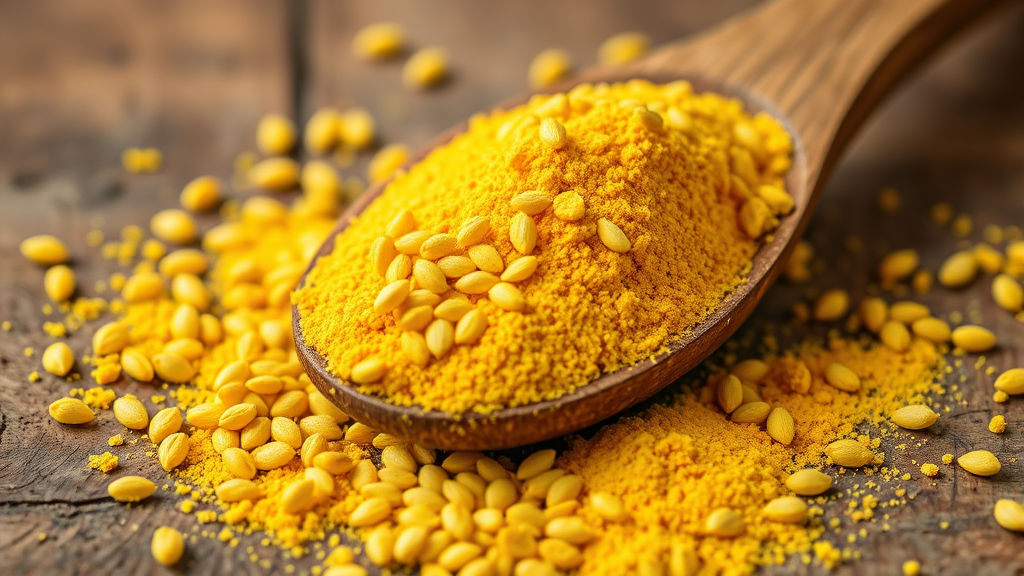
The primary concern lies in mustard seeds themselves, which contain compounds called glucosinolates. When these seeds are crushed and mixed with liquid, they produce allyl isothiocyanate, the compound responsible for mustard’s sharp, pungent flavor. This same compound can cause significant gastrointestinal irritation in dogs.
Many commercial mustards also contain garlic powder, onion powder, or other members of the allium family. These ingredients are particularly toxic to dogs and can cause severe health complications. Similar to how onions are dangerous for dogs, these additives can lead to hemolytic anemia, a condition where red blood cells are destroyed faster than they can be produced.
Additional ingredients commonly found in mustard include salt, sugar, turmeric, and various preservatives. While these may not be immediately toxic, they can contribute to digestive upset and other health issues, especially when consumed in larger quantities.
Why Mustard is Dangerous for Dogs
The dangers of mustard for dogs extend beyond simple digestive upset. The mustard seeds contain natural compounds that act as irritants to a dog’s digestive system. When consumed, these compounds can cause inflammation throughout the gastrointestinal tract, leading to pain, nausea, and potentially severe diarrhea.
The allium-based ingredients present in many mustards pose even greater risks. These compounds can damage red blood cells, leading to anemia. Symptoms of allium toxicity may not appear immediately but can develop over several days, making it crucial for pet owners to monitor their dogs closely after any exposure.
High sodium content in mustard can also be problematic, particularly for dogs with heart conditions or kidney disease. Excessive salt intake can lead to dehydration, increased blood pressure, and in severe cases, sodium ion poisoning. Dogs are much more sensitive to salt than humans, making even small amounts of mustard potentially harmful.
The acidity from vinegar in mustard can exacerbate stomach irritation, especially in dogs with sensitive digestive systems. This can lead to gastritis, characterized by inflammation of the stomach lining, causing pain and potential complications.
Symptoms to Watch For
If your dog has consumed mustard, several symptoms may indicate poisoning or adverse reactions. Immediate symptoms often include vomiting, diarrhea, and excessive drooling. These gastrointestinal signs typically appear within a few hours of consumption and indicate that your dog’s system is trying to eliminate the irritating substances.
Abdominal pain is another common symptom, which may manifest as your dog hunching their back, reluctance to move, or whimpering when touched around the belly area. Some dogs may also experience loss of appetite and general lethargy as their body deals with the toxic effects.
More serious symptoms related to allium toxicity include pale gums, weakness, rapid breathing, and dark-colored urine. These signs indicate potential anemia and require immediate veterinary attention. Unlike other food-related symptoms that may resolve quickly, allium toxicity can have delayed effects that worsen over time.
Dehydration may also occur, particularly if vomiting and diarrhea persist. Signs include dry gums, excessive panting, and decreased skin elasticity. Just as with other harmful foods like raisins, the severity of symptoms can vary based on the amount consumed and your dog’s size and overall health.

What to Do If Your Dog Eats Mustard
If you discover that your dog has eaten mustard, quick action is essential. First, remain calm and assess the situation. Determine how much mustard your dog consumed and check the ingredients list if the container is available. This information will be valuable when speaking with your veterinarian.
Remove any remaining mustard from your dog’s reach and ensure they cannot access more. If mustard is on your dog’s fur or paws, gently clean it off to prevent further ingestion through grooming. Do not induce vomiting unless specifically instructed by a veterinary professional, as this can sometimes cause more harm than good.
Contact your veterinarian or animal poison control hotline immediately. The ASPCA Animal Poison Control Center provides 24/7 assistance and can guide you through the appropriate steps based on your specific situation.
Monitor your dog closely for any symptoms of distress. Provide fresh water if your dog is willing to drink, but avoid giving food until advised by a veterinary professional. Keep detailed notes about when the mustard was consumed, the amount, and any symptoms that develop, as this information will help your veterinarian determine the best treatment approach.
Safe Alternatives and Treats
While mustard should be avoided, there are many safe alternatives you can offer your dog. Plain, cooked meats without seasonings make excellent treats and are much safer than processed condiments. Small pieces of cooked chicken, turkey, or lean beef can satisfy your dog’s desire for flavorful food without the associated risks.
Vegetables like carrots, green beans, and sweet potatoes can provide interesting flavors and textures for dogs. These options are not only safe but also provide nutritional benefits. However, always research before offering new foods, as some vegetables can be problematic – for instance, tomatoes can pose risks to dogs in certain forms.
Commercial dog treats specifically formulated for canine nutrition are always the safest option. These products undergo testing to ensure they meet safety standards and provide appropriate nutrition for dogs. Many brands offer a variety of flavors and textures to keep your dog interested and satisfied.
If you’re looking for something special to share during meal times, consider dog-safe alternatives like plain rice, small amounts of certain cheeses (though you should research whether dogs can eat cheese safely), or specially formulated dog-friendly condiments available at pet stores.
Prevention Tips for Pet Owners
Prevention is always better than treatment when it comes to protecting your dog from harmful foods. Store mustard and other condiments in secure locations where your dog cannot reach them, such as high shelves or closed cabinets. This is particularly important for larger dogs who might be able to reach countertops.
Educate all family members, especially children, about the dangers of feeding human food to dogs. Create clear guidelines about what foods are off-limits and ensure everyone understands the importance of keeping these items away from pets. This education should extend to guests who might not be aware of these restrictions.
When preparing meals, clean up spills immediately and dispose of food scraps in secure garbage containers. Dogs are notorious for finding dropped food, so maintaining a clean cooking environment helps prevent accidental ingestion. Be especially careful during barbecues or outdoor eating events where mustard and other condiments are commonly used.
Consider creating a designated eating area for your dog during family meals. This helps establish boundaries and reduces the likelihood of your dog begging for or stealing human food. Providing an appropriate dog treat during these times can help satisfy their desire to participate in mealtime activities.
Regular training can also help prevent food-related incidents. Teaching commands like “leave it” and “drop it” can be invaluable if your dog does encounter forbidden foods. The American Kennel Club provides excellent resources for training these important safety commands.
Frequently Asked Questions
Can a small amount of mustard kill my dog?
While a tiny amount of mustard is unlikely to be fatal to most dogs, it can still cause significant discomfort and health issues. The severity depends on your dog’s size, the amount consumed, and the specific ingredients in the mustard. Even small amounts can cause gastrointestinal upset, and mustards containing garlic or onion powder pose additional risks of anemia. It’s always best to contact your veterinarian for guidance, regardless of the amount consumed.
What should I do if my dog licked mustard off my plate?
If your dog only licked a small amount of mustard, monitor them closely for symptoms like vomiting, diarrhea, or lethargy. Provide fresh water and avoid feeding them for a few hours to let their stomach settle. Contact your veterinarian to report the incident and get specific advice based on your dog’s size and health status. Even small exposures can cause problems, especially in smaller dogs or those with sensitive stomachs.
Are all types of mustard equally dangerous for dogs?
Different types of mustard pose varying levels of risk. Yellow mustard typically contains fewer harmful additives than specialty mustards like honey mustard or Dijon. However, all mustards contain mustard seeds, which are irritating to dogs. Mustards with added garlic, onions, or excessive salt are particularly dangerous. Homemade mustards might have different ingredients, but the basic mustard seed component remains problematic for all dogs.
How long after eating mustard will symptoms appear in dogs?
Gastrointestinal symptoms like vomiting and diarrhea typically appear within 2-6 hours of consumption. However, symptoms related to garlic or onion toxicity may not manifest for 1-3 days, making delayed monitoring crucial. Some dogs may show immediate signs of distress, while others might seem fine initially but develop problems later. This is why veterinary consultation is important even if your dog appears normal immediately after consuming mustard.
Can I give my dog anything to help after they’ve eaten mustard?
Do not attempt home remedies without veterinary guidance, as some can worsen the situation. Never induce vomiting unless specifically instructed by a veterinary professional. You can offer small amounts of fresh water if your dog is willing to drink, but avoid food until advised otherwise. The American Veterinary Medical Association recommends contacting a veterinarian for proper treatment protocols rather than attempting home treatment.
Is mustard more dangerous than other common foods like bacon or marshmallows?
Mustard poses unique risks due to its combination of irritating compounds and potentially toxic additives like garlic and onions. While foods like bacon and marshmallows have their own risks (high fat and sugar content respectively), mustard’s combination of gastric irritants and potential allium toxicity makes it particularly concerning. Each food presents different dangers, and all should be avoided to maintain your dog’s health.
Should I be concerned about mustard seeds in my garden?
Yes, mustard plants and seeds growing in gardens can pose risks to dogs who might eat them while exploring outdoors. Wild mustard plants contain the same problematic compounds as processed mustard. If you have mustard plants in your garden or notice them growing wild in areas where your dog exercises, it’s best to remove them or restrict your dog’s access to those areas. The Humane Society provides comprehensive information about plants that can be harmful to pets.





