
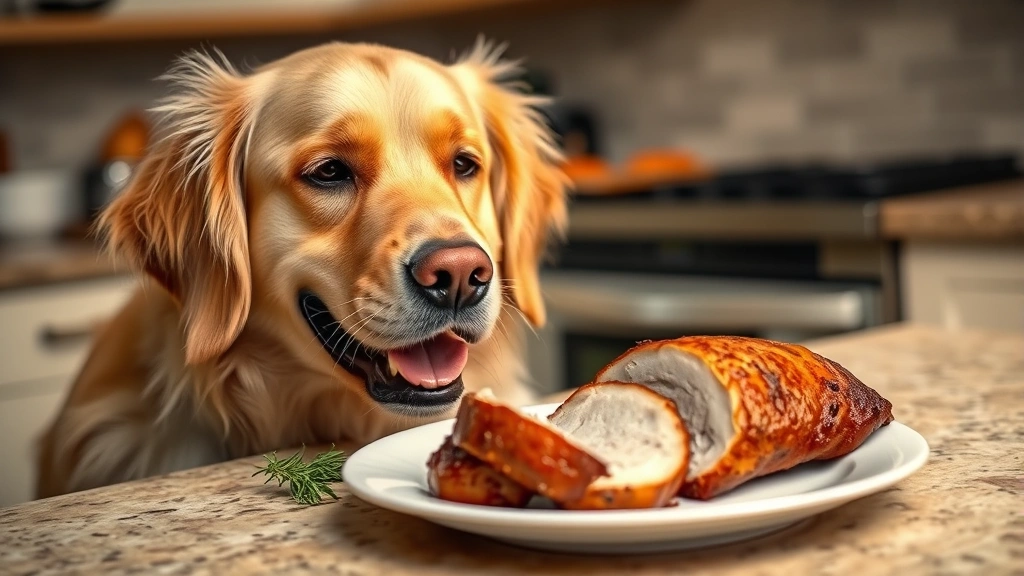
Your dog’s nose twitches as you slice into a pork chop. The question hits: can dogs have pork? The short answer is yes—but there’s a catch. Plain, cooked pork is safe for dogs in moderation. The problems start when we add seasonings, smoke, or give them raw meat. Let me break down what you actually need to know so your pup stays healthy and happy.
Plain Cooked Pork: The Safe Option
Here’s the truth: can dogs have pork that’s been properly cooked? Absolutely. Plain pork—boiled, baked, or grilled with zero additions—is nutritionally sound for dogs. It’s actually a lean protein source (depending on the cut) and contains B vitamins and minerals like selenium and phosphorus.
Think of plain pork like a blank canvas. The meat itself isn’t the villain. The problem is what we add to it. When you’re eating pork chops for dinner, your dog isn’t asking for your seasoned version. They want the plain stuff.
The safest approach: cook a small portion of pork with nothing on it. No salt, no garlic powder, no BBQ sauce. Sounds boring? Your dog won’t complain. They’ll be thrilled either way.
According to the American Kennel Club, lean meats like pork can be part of a balanced diet for dogs when prepared properly. The key word is “properly.”
Pork also compares favorably to other meats dogs commonly eat. If you’re wondering about alternatives, can dogs eat turkey meat—yes, with the same rules. Or check out whether raw steak is good for dogs if you’re considering raw feeding.
Pork Cuts to Avoid
Not all pork is created equal. Some cuts are safer than others, and some should stay far away from your dog’s bowl.
- Pork belly and ribs: High in fat. Too much fat causes pancreatitis in dogs—a painful, sometimes life-threatening inflammation of the pancreas. I’ve seen dogs in the clinic suffering from this, and it’s not pretty.
- Pork shoulder: Also fatty. Better to skip it.
- Pork chops with bones: We’ll cover bones separately, but the fatty chops are a double concern.
- Processed pork products: Bacon, sausage, ham, deli meat. These are loaded with salt and nitrates. Your dog’s kidneys don’t need that stress.
- Pork skin/crackling: Pure fat. Hard pass.
The safest cuts? Lean pork loin or pork tenderloin. These are lower in fat and closer to what you’d want to serve.
If you’re comparing proteins, can dogs have chicken bones is another common question—and the answer involves similar caution about preparation.
Why Seasoning Is the Real Problem
Here’s where can dogs have pork gets tricky. The meat itself? Fine. Your dinner table pork chop? Dangerous.
Common seasonings that seem harmless to us are toxic to dogs:
- Garlic and onion: These contain compounds called thiosulfates that damage dogs’ red blood cells. Even small amounts can cause hemolytic anemia. Garlic powder is especially concentrated and dangerous.
- Salt: Excessive salt can lead to sodium ion toxicity. Symptoms include vomiting, diarrhea, lethargy, and in severe cases, seizures.
- Xylitol (artificial sweetener): Some “low-sugar” pork products contain this. Xylitol is acutely toxic to dogs and can cause liver failure and hypoglycemia within hours.
- Smoke and spices: Smoked pork, BBQ rubs, and spicy seasonings irritate the GI tract and can trigger vomiting or diarrhea.
Safety Warning: If your dog ate seasoned pork and you’re unsure about the ingredients, call your vet or the ASPCA Animal Poison Control Center at (888) 426-4435. Don’t wait to see if symptoms develop.
This is why I always tell owners: if it’s on your plate with seasoning, it’s not for the dog. Cook plain pork separately if you want to share.
Raw Pork: A Serious Risk
Some owners follow raw diets for their dogs. I get it—it seems natural. But raw pork is a different beast entirely.
Raw pork carries a parasite called Trichinella spiralis. When dogs eat infected raw pork, they can develop trichinellosis, a parasitic infection that causes muscle inflammation, fever, and GI upset. It’s not common, but it happens. And it’s preventable by cooking.
Raw pork also harbors bacteria like Salmonella and E. coli. Dogs have stronger stomach acid than humans, so they handle some bacterial load better. But that doesn’t mean they’re immune. Infected dogs shed bacteria in their stool, which can spread to your family.
The risk-to-reward ratio doesn’t make sense here. Cooking pork to 160°F (71°C) kills parasites and harmful bacteria. That’s the safest move.
If you’re interested in raw feeding, talk to your vet about safe protocols. There are better raw options than pork for this purpose.
Pork Bones and Your Dog
This deserves its own section because it’s a frequent source of veterinary emergencies.
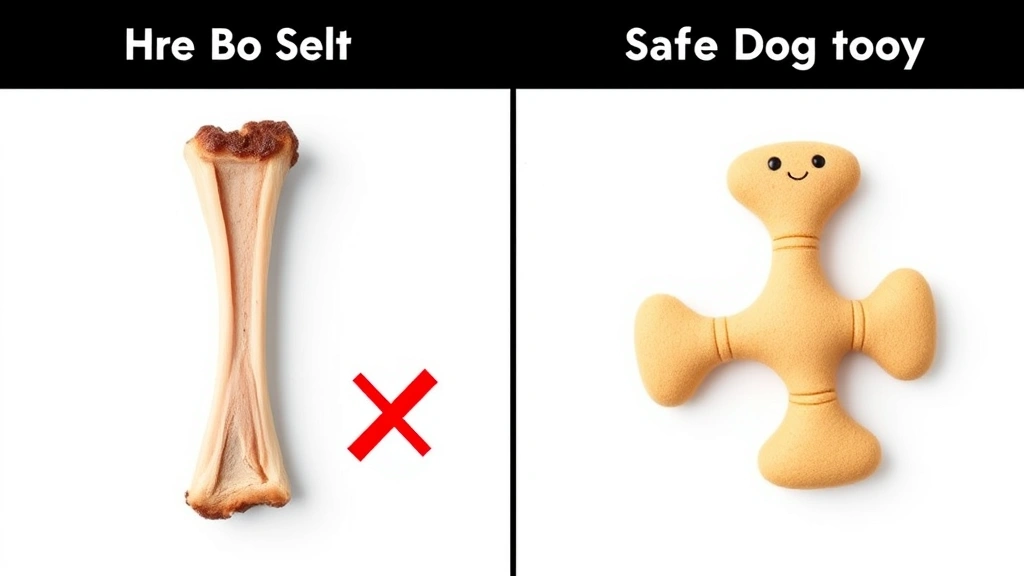
Cooked pork bones are dangerous. Cooking makes bones brittle and prone to splintering. A splinter can perforate the intestines, causing peritonitis (a life-threatening abdominal infection). I’ve pulled bone fragments out of dogs’ stomachs during surgery. It’s expensive, stressful, and sometimes fatal.
Raw pork bones? Slightly safer because they’re softer, but still risky. Bones can cause impaction, choking, or perforation regardless of how they’re prepared.
The bottom line: keep all pork bones away from your dog. No exceptions. This applies to chicken and other meats too—check our guide on can dogs have chicken bones for more detail.
Pro Tip: If you want to give your dog something to chew, use dog-appropriate alternatives like bully sticks, yak chews, or rubber toys. These are designed to be safe for chewing.
How Much Pork Is Safe?
Pork should be a treat or supplement, not a meal replacement. Here’s a practical guide:
- Small dogs (under 25 lbs): 1-2 tablespoons of cooked pork, 2-3 times per week maximum.
- Medium dogs (25-50 lbs): 1/4 cup of cooked pork, 2-3 times per week maximum.
- Large dogs (over 50 lbs): 1/2 cup of cooked pork, 2-3 times per week maximum.
These portions should count toward your dog’s daily calorie intake. If your dog is overweight or has pancreatitis history, reduce portions further or skip pork entirely.
A general rule: treats (including pork) should make up no more than 10% of daily calories. The other 90% should come from balanced dog food.
If you’re feeding multiple types of meat, rotate them. Try pork one week, raw steak another, turkey another. Variety is fine; excess is the problem.
What to Do If Your Dog Gets Sick
So your dog ate seasoned pork or a fatty cut and now they’re acting off. What’s your move?
Mild symptoms (one episode of vomiting or soft stool):
- Withhold food for 12 hours to rest the GI tract.
- Offer small amounts of water or ice chips.
- Resume feeding with bland food: boiled chicken and white rice, or a prescription digestive diet.
- Monitor for 24-48 hours.
- If symptoms resolve, gradually return to normal food.
Moderate symptoms (repeated vomiting, diarrhea lasting more than a few hours, lethargy):
- Call your vet. They may recommend bloodwork to check liver and pancreatic enzymes.
- Your dog might need IV fluids if dehydrated.
- Prescription anti-nausea medication or antibiotics may be necessary.
Severe symptoms (inability to keep anything down, abdominal pain, bloody stool, collapse):
- Go to the emergency vet immediately. Don’t wait.
- Bring a list of what your dog ate, if possible.
- Be prepared for diagnostics: bloodwork, X-rays, ultrasound, or endoscopy.
For ongoing digestive issues, our guide on why is my dog having diarrhea offers more detailed troubleshooting. And if your dog is constipated after dietary changes, check what to feed a constipated dog.
Prevention is cheaper and easier than treatment. Stick to plain pork in small amounts, and you’ll avoid most of these issues.
Frequently Asked Questions
Can dogs have pork every day?
– No. Pork should be an occasional treat, not a daily food. Daily pork (especially fatty cuts) increases the risk of pancreatitis and obesity. Stick to 2-3 times per week maximum, and keep portions small. Your dog’s regular diet should be complete and balanced dog food.
Is pork safe for dogs with sensitive stomachs?
– It depends. Plain, lean, cooked pork is usually tolerable. But if your dog has a history of GI upset, introduce it slowly in very small amounts. Some dogs with food sensitivities do better with novel proteins like duck or venison. Always check with your vet first if your dog has chronic digestive issues.
Can dogs have pork skin or crackling?
– No. Pork skin and crackling are pure fat and can trigger pancreatitis. They’re also a choking hazard. Skip these entirely.
What about pork products like bacon or ham?
– Not recommended. Bacon and ham are high in salt, fat, and often contain nitrates or other preservatives. Even small amounts can upset your dog’s stomach or contribute to sodium toxicity. If you want to give your dog pork, cook plain pork loin instead.
Is pork good for dogs with allergies?
– Pork is considered a novel protein for many dogs, meaning it’s less likely to trigger allergies compared to chicken or beef. If your dog has food allergies, pork might be a good option—but introduce it gradually and monitor for reactions. Some dogs are allergic to pork specifically, so individual response varies.
Can puppies have pork?
– Yes, but in very small amounts and only plain, cooked pork. Puppies have developing digestive systems, so fatty or seasoned pork is riskier for them. Keep portions tiny (a teaspoon for small breeds) and make sure it doesn’t replace their puppy formula or growth-stage dog food, which has the nutrients they need.
What’s the difference between pork and other meats like chicken or beef?
– All three are safe for dogs when prepared properly. Pork tends to be fattier than chicken breast but leaner than beef. The rules are the same: cook thoroughly, remove bones, avoid seasoning, and keep portions moderate. Some dogs do better on one meat over another based on their digestive system.
Can dogs have pork and rice together?
– Absolutely. Plain cooked pork mixed with white or brown rice is a classic bland diet for dogs with GI upset. This combination is easy to digest and provides protein and carbs. It’s not a long-term diet (it lacks proper mineral and vitamin balance), but it’s great for short-term digestive recovery.
What if my dog ate pork with garlic or onion?
– Contact your vet or the ASPCA Animal Poison Control Center at (888) 426-4435 immediately. Garlic and onion are toxic to dogs, and the amount matters. A small amount might cause mild symptoms; a large amount could cause serious anemia. Don’t wait—get professional guidance right away.
Is pork better than chorizo for dogs?
– Plain pork is much better. Chorizo is heavily seasoned, spiced, and high in fat and salt. Check our guide on can dogs have chorizo for details, but the short answer is: chorizo is not safe for dogs. Stick to plain pork if you’re sharing.
Final Thoughts
Can dogs have pork? Yes—plain, cooked, lean pork in small portions is safe and can be a healthy occasional treat. The danger lies in seasoning, fatty cuts, bones, and processed pork products. Your dog doesn’t need fancy human food to be happy. A little plain pork on top of their regular diet is plenty.
When in doubt, ask your vet. Every dog is different, and your vet knows your dog’s health history better than anyone. They can give you personalized advice based on your dog’s age, weight, and any existing health conditions.
Keep it simple: plain, cooked, lean, boneless. Your dog will thank you, and you’ll sleep better knowing they’re safe.





