

Your dog is having stomach trouble, or maybe you’re just looking for a simple, affordable carb to mix into their meals. You’ve probably wondered: can dogs have rice? The short answer is yes—rice is safe for dogs and actually one of the easiest foods to introduce when their digestive system needs a break. But there’s more to it than just throwing some rice in their bowl. Let me walk you through what you actually need to know.
As a vet tech who’s dealt with countless digestive issues and picky eaters, I can tell you that rice has saved many dog owners from expensive vet visits and sleepless nights. It’s bland, it’s filling, and most dogs tolerate it well. But not all rice is created equal, and portion control matters more than you’d think.
Is Rice Safe for Dogs?
Yes. Rice is completely safe for dogs when prepared correctly. It’s one of the few human foods that vets actually recommend without hesitation. Unlike grapes, chocolate, or onions, rice poses virtually no toxicity risk to dogs of any size or age.
Here’s why rice works so well: it’s a simple carbohydrate that dogs can digest easily. Their bodies break it down quickly, which is why it’s often the first thing we recommend when a dog has an upset stomach. Rice doesn’t contain harmful compounds, it’s not an allergen for most dogs, and it won’t cause a sugar spike.
That said, rice alone isn’t a complete diet. Dogs need protein, fat, and other nutrients that rice doesn’t provide. Think of rice as a tool in your feeding toolkit, not the whole toolkit itself.
Pro Tip: Always cook rice thoroughly before giving it to your dog. Raw or undercooked rice is harder to digest and can actually cause stomach upset. Plain, cooked rice is what you’re aiming for.
The American Kennel Club doesn’t flag rice as a concern for dogs, and most veterinary nutritionists agree it’s a safe addition to a dog’s diet when used appropriately.
White Rice vs. Brown Rice for Dogs
This is where things get interesting. Both white and brown rice are safe for dogs, but they’re not identical. If you’re trying to decide which one to use, here’s what matters:
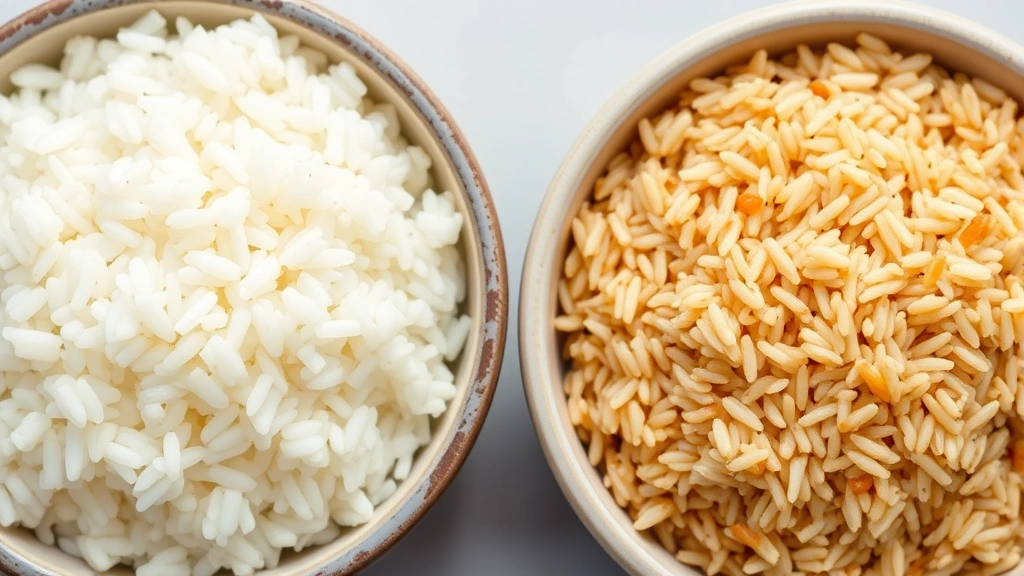
White rice is more digestible. The outer layers (bran and germ) have been removed, leaving just the starchy endosperm. This makes it easier on a sensitive or upset stomach. If your dog has diarrhea or is recovering from vomiting, white rice is the better choice. It’s also faster to cook and slightly more palatable to picky eaters.
Brown rice is more nutritious. It keeps the bran and germ layers, which means more fiber, vitamins, and minerals. For a healthy dog without digestive issues, brown rice is the better long-term option. But here’s the catch: that extra fiber can actually irritate a dog with an upset stomach. It’s also slower to digest, which isn’t ideal when you’re trying to give their gut a break.
For a detailed breakdown of which type works best for your specific situation, check out our guide on white or brown rice for dogs.
- White rice: Better for upset stomachs, easier to digest, faster to prepare
- Brown rice: More nutrients, better for regular feeding, higher in fiber
- Instant rice: Convenient but sometimes contains added sodium—check the label
- Jasmine or basmati: Safe, but no nutritional advantage over regular white rice
My recommendation? Keep white rice on hand for emergencies. Use brown rice for regular meals if your dog tolerates it well. And always check the label to make sure there’s no added salt or seasonings.
How Much Rice Can Dogs Eat?
This is where a lot of dog owners mess up. They think rice is so safe that portion size doesn’t matter. It does.
Rice should never make up more than 10% of your dog’s daily caloric intake. For most dogs, that translates to a small handful of cooked rice per day, mixed with their regular food. If you’re using rice as a meal replacement (like during a digestive upset), it should be part of a balanced approach, not the whole meal.
Here’s a practical breakdown:
- Small dogs (under 20 lbs): 1–2 tablespoons of cooked rice per day
- Medium dogs (20–60 lbs): ¼ to ½ cup of cooked rice per day
- Large dogs (over 60 lbs): ½ to 1 cup of cooked rice per day
Remember: cooked rice expands. One cup of dry rice becomes about three cups of cooked rice. So when a recipe says “1 cup of cooked rice,” you’re looking at roughly ⅓ cup of dry rice.
For more guidance on portion sizes and overall feeding amounts, read our article on how much you should feed your dog. It covers daily caloric needs based on age, weight, and activity level.
Safety Warning: Too much rice can lead to constipation or nutritional imbalances. If you’re feeding rice regularly, make sure it’s paired with protein and vegetables to create a complete meal.
Rice and Digestive Health
This is where rice shines. When a dog’s stomach is upset, rice is often the first food we reach for. Here’s why it works:
Rice is bland and easy to digest. It doesn’t trigger inflammation in the gut, and it provides calories without stress. When combined with lean protein (like boiled chicken or turkey), rice creates a temporary diet that gives the digestive system time to heal.
If your dog has diarrhea, rice mixed with plain, cooked chicken is the classic combination. The ratio is usually 1 part protein to 2 parts rice. This gives your dog nutrition without overwhelming their system. Most dogs see improvement within 24–48 hours on this diet.
For specific guidance on managing diarrhea with diet, check out our resource on what to feed dogs with diarrhea. It covers timing, portion sizes, and when to call your vet.
That said, rice is not a cure-all. If diarrhea lasts more than a few days, or if your dog shows other signs of illness (lethargy, vomiting, loss of appetite), you need a vet visit. Rice buys you time and comfort, but it doesn’t replace professional care.
Rice also doesn’t have magical healing powers for constipation. In fact, too much rice can make constipation worse. If your dog is constipated, you need more fiber and water, not more rice. Brown rice can help, but it’s not a substitute for hydration and exercise.
How to Feed Rice to Your Dog Safely
Here’s the step-by-step process I recommend:
- Cook it plain. Boil rice in water with no salt, butter, oil, or seasonings. That’s it. No garlic, no onions, no soy sauce. Plain water and rice.
- Let it cool. Hot food can burn your dog’s mouth. Wait until it’s room temperature before serving.
- Start small. Introduce rice gradually, especially if your dog hasn’t had it before. A few tablespoons mixed with their regular food is the way to start.
- Watch for reactions. Most dogs do fine with rice, but some have sensitivities. If you notice vomiting, diarrhea, or constipation after adding rice, stop and talk to your vet.
- Store properly. Cooked rice lasts 3–4 days in the fridge. You can also freeze it in ice cube trays for easy portioning.
If you’re dealing with a digestive emergency, read our guide on what to do if your dog has diarrhea for a complete action plan.
Pro Tip: Mix rice with other safe grains for variety. Barley is another option—check out our article on whether dogs can eat barley for details. Mixing grains prevents boredom and provides different nutrients.
Simple Rice Recipes for Dogs
Here are some easy, vet-approved combinations you can make at home:
The Classic Bland Diet (for upset stomachs):
- 1 cup cooked white rice
- ½ lb boiled, shredded chicken (no skin, no seasoning)
- Mix and serve at room temperature
Nutrient-Boosted Rice Mix (for regular feeding):
- 1 cup cooked brown rice
- ½ lb lean ground turkey
- ½ cup steamed carrots (chopped)
- ¼ cup steamed green beans
- Mix and portion into daily meals
Rice and Pumpkin (for mild constipation):
- 1 cup cooked rice
- ¼ cup plain pumpkin puree (canned is fine, but check for no added sugar)
- ½ cup low-sodium chicken broth
- Mix and serve
Rice and Egg (high protein, easy to digest):
- 1 cup cooked white rice
- 1 scrambled egg (cooked in water, no oil)
- Mix and serve
None of these should replace your dog’s regular diet long-term. They’re tools for specific situations—recovery from illness, digestive upset, or adding variety. Always transition back to their normal food gradually over 5–7 days.
When to Avoid Rice
Rice is safe for most dogs, but there are a few situations where it’s not the best choice:
- Diabetic dogs: Rice is high in carbohydrates and can spike blood sugar. Your vet may recommend limiting it or choosing alternatives.
- Overweight dogs: Rice is calorie-dense. If your dog needs to lose weight, every calorie counts. Stick to vegetables instead.
- Dogs with certain allergies: Rare, but some dogs are sensitive to rice. If your dog has a known grain allergy, avoid it.
- Dogs on a prescription diet: Your vet may have specific feeding guidelines. Always check before adding rice to their meals.
- Dogs with pancreatitis: High-fat foods trigger pancreatitis, not rice specifically. But during a flare-up, stick to what your vet recommends.
If your dog has any chronic health condition, ask your vet before making rice a regular part of their diet. It’s usually fine, but it’s worth a quick conversation.
Frequently Asked Questions
Is rice good for dogs every day?
– Rice is safe for daily feeding, but it shouldn’t be the main part of your dog’s diet. It lacks complete protein and essential nutrients. Mix rice with protein and vegetables for balanced meals, and don’t let it exceed 10% of their daily calories. For most dogs, a few tablespoons mixed with their regular kibble is perfect.
Can dogs eat rice with chicken?
– Yes, absolutely. Rice and chicken is one of the best combinations for dogs. It’s easily digestible, provides complete protein, and it’s what vets recommend during digestive upsets. Make sure the chicken is boiled or baked with no seasoning, skin, or bones.
Is white rice or brown rice better for dogs with diarrhea?
– White rice is better for acute diarrhea. It’s easier to digest and less likely to irritate an already upset stomach. Brown rice is more nutritious but the extra fiber can worsen diarrhea temporarily. Switch to brown rice once your dog’s digestion stabilizes.
How long can dogs eat rice and chicken?
– Rice and chicken is a temporary diet, typically used for 3–7 days during digestive upset. It’s not nutritionally complete long-term. Once your dog’s symptoms improve, gradually transition back to their regular food over 5–7 days by mixing increasing amounts of their normal diet with the rice and chicken.
Can puppies have rice?
– Yes, puppies can have rice. It’s safe and easy to digest. However, puppies need higher protein and fat for growth, so rice should only be a small part of their diet. Always feed puppies a high-quality puppy formula that meets AAFCO standards, and only add rice as a small supplement or during digestive upset.
Is instant rice safe for dogs?
– Instant rice is safe if it contains no added salt or seasonings. Check the label carefully—some brands add sodium, which dogs don’t need. Plain instant rice is convenient, but regular cooked rice is just as easy and slightly more nutritious.
Can dogs eat rice cakes?
– Plain rice cakes with no salt or seasonings are technically safe, but they’re not ideal. They’re mostly air and carbs with no nutritional benefit. Stick to cooked rice instead, which provides more substance and nutrition for the same calories.
What should I do if my dog eats too much rice?
– Eating too much rice once won’t cause serious harm, but your dog might experience constipation or bloating. Increase water intake and monitor bowel movements. If constipation lasts more than a day or two, or if your dog shows signs of distress, call your vet. For prevention, stick to the portion guidelines and always pair rice with adequate water.
Is rice better than kibble for dogs?
– No. Rice alone is not a complete diet. Quality dog kibble is formulated to meet all nutritional requirements, including vitamins, minerals, and balanced protein-to-fat ratios. Rice is a supplement or temporary tool, not a replacement. If you’re looking to switch your dog’s diet, consult your vet about balanced options.
Can dogs have rice with vegetables?
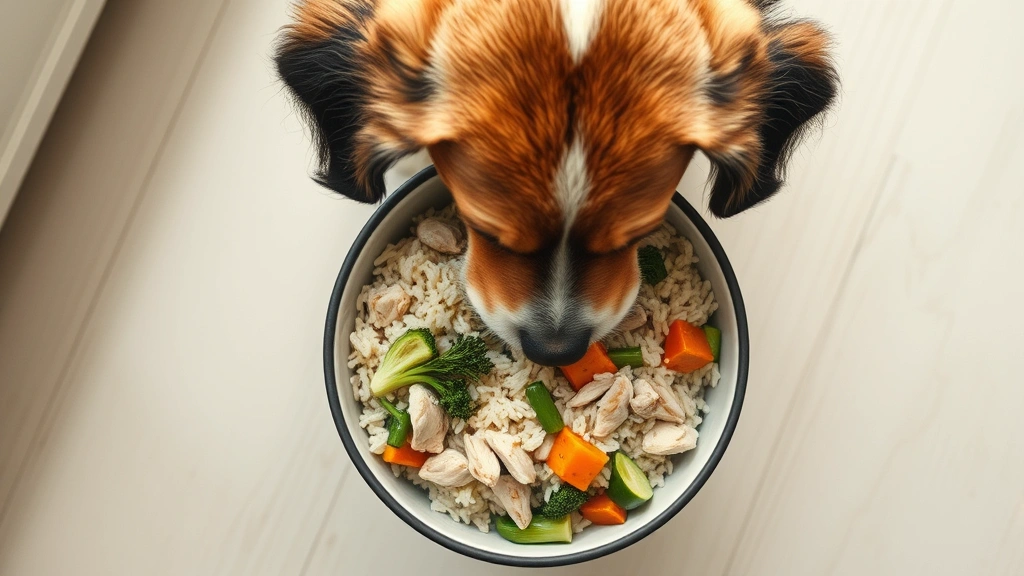
– Yes, rice mixed with dog-safe vegetables is excellent. Carrots, green beans, peas, and pumpkin all pair well with rice. Avoid onions, garlic, and grapes. A mix of rice, lean protein, and vegetables creates a balanced, home-cooked meal when done correctly.





