
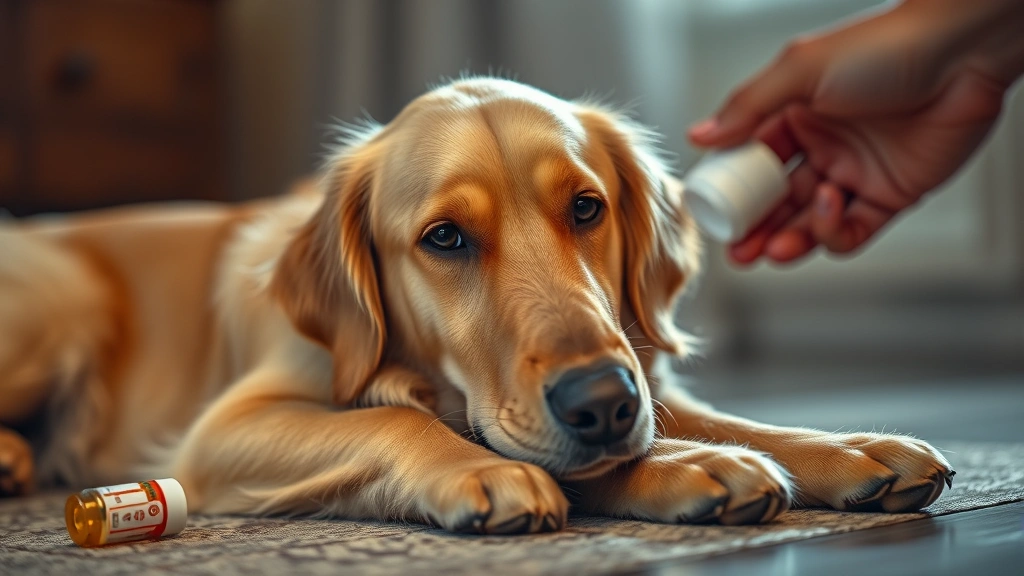
Your dog has a fever. You reach for the Tylenol in your medicine cabinet—it works for you, so why not them? Stop right there. Can dogs have Tylenol? The short answer is: it’s complicated, and in most cases, you shouldn’t give it without explicit veterinary approval. Acetaminophen (Tylenol’s active ingredient) can be toxic to dogs at doses that might seem harmless to humans. This guide breaks down exactly what you need to know to keep your dog safe.
Can Dogs Have Tylenol at All?
Here’s the real talk: can dogs have Tylenol? Technically, some vets might prescribe acetaminophen in very specific, controlled situations—but this is rare and only under strict veterinary supervision. We’re talking micro-doses for specific conditions in specific dogs. The risk-to-benefit ratio is just too high for casual use.
Think of it like this: your dog’s liver processes medications differently than yours does. What’s a safe dose for a 150-pound human can be a dangerous dose for a 30-pound dog. The margin between “safe” and “toxic” is narrow, and there are better options available.
According to the ASPCA Animal Poison Control Center, acetaminophen is one of the most common accidental poisonings they see in dogs. That alone should tell you something.
Pro Tip: If your vet does prescribe acetaminophen, follow the dosage exactly. Don’t adjust it based on what worked for your neighbor’s dog. Every dog is different, and overdose risk is real.
The bottom line: unless your vet has specifically prescribed it and given you detailed dosing instructions, don’t give your dog Tylenol. Period.
Why Tylenol Is Dangerous for Dogs
Dogs lack certain liver enzymes that help humans metabolize acetaminophen safely. Their bodies simply aren’t equipped to break down this drug the way ours are. It’s not a training issue or a breed thing—it’s hardwired biology.
When acetaminophen enters your dog’s system, it gets metabolized into toxic compounds. In humans, we have protective mechanisms that neutralize these compounds. Dogs? Not so much. The toxic metabolites build up, damaging the liver and potentially causing methemoglobinemia (a condition where red blood cells can’t carry oxygen properly).
- Liver damage: The primary concern. Acetaminophen is hepatotoxic, meaning it damages liver cells.
- Kidney involvement: Secondary damage can affect kidney function too.
- Red blood cell damage: Methemoglobinemia can develop, reducing oxygen transport.
- Cumulative effect: Even small repeated doses add up over time.
The scary part? Damage can be silent. Your dog might seem fine for hours or even days while internal damage is happening. By the time symptoms show up, significant harm may have already occurred.
This is why veterinarians recommend alternatives like gabapentin for dogs, which work differently and have a much better safety profile.
Acetaminophen Toxicity: What Happens Inside Your Dog’s Body
Understanding the mechanism helps explain why can dogs have Tylenol is such a dangerous question. Let’s walk through what happens:
Phase 1: Absorption (0-30 minutes)
Your dog swallows a Tylenol tablet. It travels to the stomach and intestines, where it’s absorbed into the bloodstream. If your dog ate it with food, absorption might be slower, but it still happens.
Phase 2: Liver Processing (30 minutes – several hours)
The liver tries to metabolize acetaminophen using a process called conjugation. Here’s where dogs differ from humans: they have limited amounts of the enzyme glutathione, which is crucial for neutralizing toxic metabolites. Their liver produces N-acetyl-p-benzoquinone imine (NAPQI), a toxic compound that should be neutralized but often isn’t in dogs.
Phase 3: Cellular Damage (hours to days)
NAPQI accumulates and damages liver cells. This causes hepatocellular necrosis—basically, liver cells die. If enough cells die, the liver starts failing. Simultaneously, acetaminophen can cause oxidative stress in red blood cells, leading to methemoglobinemia.
Phase 4: Clinical Signs (12 hours to several days)
By now, damage is significant. Your dog shows symptoms. But here’s the problem: you might not notice them immediately, or you might mistake them for something else.
According to Veterinary Partner, the toxic dose of acetaminophen in dogs is approximately 100-150 mg/kg of body weight. A standard Tylenol tablet is 325-500 mg. Do the math: a 10-pound dog could reach toxic levels from just one regular-strength tablet.
Signs Your Dog Has Acetaminophen Poisoning
Early recognition is critical. If you suspect your dog ate Tylenol, watch for these signs:
- Lethargy and depression: Your dog seems unusually tired, doesn’t want to play, lies around more than normal.
- Vomiting: May be with or without blood. This is often one of the first signs.
- Abdominal pain: Your dog might have a hunched posture, whine when touched on the belly, or refuse to eat.
- Pale gums: This indicates anemia or methemoglobinemia—the gums look whitish instead of pink.
- Jaundice: Yellowing of the gums, whites of the eyes, and ears. This means the liver is failing.
- Brown-colored urine: A sign of hemoglobin in the urine, indicating red blood cell damage.
- Difficulty breathing: Methemoglobinemia reduces oxygen, causing labored breathing.
- Facial swelling: Swelling of the face and throat can occur.
- Diarrhea: Often bloody.
- Loss of appetite: Your dog refuses food or treats.
Here’s what makes acetaminophen poisoning particularly scary: the first 24 hours might show mild or no symptoms. Then things can deteriorate rapidly. This is why any suspected ingestion requires immediate veterinary attention.
Safe Pain Relief Alternatives for Dogs
Your dog is in pain. You want to help. There are safe, effective options—and most are actually better than Tylenol anyway because they’re specifically formulated for dogs.
NSAIDs (Non-Steroidal Anti-Inflammatory Drugs)
These are the gold standard for pain relief in dogs. FDA-approved options include:
- Carprofen (Rimadyl): Great for arthritis and post-surgical pain. Works well for older dogs.
- Meloxicam (Metacam): Longer-acting, often just once daily. Good for chronic pain.
- Firocoxib (Previcox): Another solid choice, particularly for orthopedic pain.
NSAIDs work by reducing inflammation, which is often the root cause of pain. They’re not perfect—they can affect the stomach and kidneys with long-term use—but they’re far safer than acetaminophen when used under veterinary supervision.
Gabapentin
Gabapentin for dogs is increasingly popular for nerve pain, arthritis, and anxiety-related pain. It works differently than NSAIDs, making it a good option for dogs who can’t take NSAIDs. It’s also remarkably safe with few side effects.
Supplements and Natural Options
While not replacements for prescription pain relief, these can help:
- Glucosamine and chondroitin: Support joint health. Dasuquin is a popular choice for senior dogs and combines these ingredients effectively.
- Omega-3 fatty acids: Reduce inflammation naturally.
- Turmeric (curcumin): Has anti-inflammatory properties, though bioavailability is low without black pepper.
Physical Therapy and Management
Sometimes the best pain relief is prevention:
- Maintain a healthy weight (reduces joint stress).
- Provide orthopedic bedding.
- Use ramps or steps to reduce jumping.
- Gentle exercise tailored to your dog’s condition.
- Massage and stretching.
What to Do If Your Dog Accidentally Ate Tylenol
It happens. Your kid left a bottle on the coffee table. Your dog knocked over your nightstand. Now what?
Step 1: Don’t Panic, But Act Fast
Time is critical. The sooner you get help, the better the outcome. Vomiting can be induced within 4-6 hours of ingestion to remove the drug before it’s fully absorbed.
Step 2: Call Your Vet or Emergency Clinic Immediately
Have this information ready:
- Your dog’s weight.
- The type of Tylenol (regular strength, extra strength, PM formula, etc.).
- How many tablets/how much liquid your dog ate.
- Approximately when it happened.
Step 3: Don’t Give Activated Charcoal Without Guidance
While activated charcoal can help with some poisons, it’s not effective for acetaminophen and might interfere with other treatments. Let your vet decide.
Step 4: Prepare for Possible Hospitalization
Depending on the dose and your dog’s condition, your vet might recommend:
- Induced vomiting: To remove unabsorbed drug.
- Gastric lavage: Stomach pumping if too much time has passed.
- IV fluids: To support kidney function and dilute toxins.
- Liver protectants: N-acetylcysteine (NAC) is sometimes given to replenish glutathione stores.
- Blood work: To monitor liver and kidney function.
- Supportive care: Anti-nausea medication, antibiotics if needed, etc.
The good news: if caught early and treated aggressively, many dogs recover fully. The bad news: treatment is expensive (often $1,000-$3,000+) and not always successful if the dose was very high.
Prevention is Always Better
Store all medications, including over-the-counter drugs, in a secure location your dog can’t access. This includes your purse, nightstand, and bathroom cabinet. Dogs are surprisingly resourceful when it comes to finding pills.
When to Contact Your Veterinarian
You don’t need to wait for symptoms to appear. In fact, you shouldn’t. Here’s when to contact your vet:
- Immediately (emergency clinic if after hours): Your dog ate any amount of Tylenol.
- Same day: Your dog ate something you’re not 100% sure about, but Tylenol is a possibility.
- Within 24 hours: Your dog shows any of the symptoms listed above, even if you’re not sure what caused them.
Don’t try to estimate whether the dose was “safe.” Vets have access to poison control resources and can calculate exact risk based on your dog’s weight, age, and health status. A 15-minute phone call with your vet could save your dog’s life and potentially thousands in emergency bills.
If you’re in the US, you can also call the ASPCA Animal Poison Control Center at (888) 426-4435. They charge a consultation fee but provide expert guidance 24/7.
Safety Warning: Never give your dog any human medication without explicit veterinary approval, even if you think the dose is small or it “worked for another dog.” Individual variation in drug metabolism is huge, and the consequences of being wrong are serious.
If your dog has other medical conditions—especially liver disease, kidney disease, or is taking other medications—the risk from Tylenol increases dramatically. Always mention your dog’s full health history when discussing pain management options with your vet.
Related Medication Safety Questions
If you’re wondering about Tylenol safety, you might have questions about other common medications too. For example, many people ask can dogs take Pepto—another over-the-counter drug that requires caution. Similarly, if your dog is on NexGard or other flea and tick preventatives, understanding drug interactions becomes important.
And if your dog is vomiting or showing other digestive upset, you might see them throwing up white foam—which is a completely different concern but one that requires veterinary evaluation.
The overarching principle: when in doubt, ask your vet. They have your dog’s medical history and can give personalized advice. Online articles (including this one) are great for general education, but they’re not substitutes for professional veterinary care.
Frequently Asked Questions
Is a single Tylenol tablet dangerous to dogs?
– Yes. A single regular-strength Tylenol (325 mg) can be toxic to a small dog (under 15 pounds). Even for larger dogs, one tablet is concerning. The toxic dose is 100-150 mg/kg, meaning a 30-pound dog could be at risk from just one tablet. Contact your vet immediately if this happens.
Can I give my dog Tylenol PM or Tylenol with codeine?
– Absolutely not. Tylenol PM contains diphenhydramine (an antihistamine that can cause serious issues in dogs), and Tylenol with codeine adds opioid toxicity on top of acetaminophen toxicity. These formulations are even more dangerous than regular Tylenol.
What’s the difference between Tylenol and ibuprofen for dogs?
– Both are dangerous for dogs, but in different ways. Ibuprofen is toxic because it damages the stomach lining and kidneys. Tylenol is toxic because it damages the liver. Neither should be given without veterinary approval. NSAIDs formulated specifically for dogs (like carprofen) are much safer because they’re dosed and formulated appropriately.
My vet prescribed acetaminophen for my dog. Is that safe?
– If your vet prescribed it, yes—follow their dosing instructions exactly. Veterinarians sometimes do prescribe acetaminophen in very specific situations where benefits outweigh risks, and they monitor the dog closely. The danger comes from self-dosing or using human Tylenol products without veterinary guidance.
How long does acetaminophen stay in a dog’s system?
– Acetaminophen is metabolized relatively quickly (within 24-48 hours), but damage can occur during metabolism. This is why early treatment (inducing vomiting or gastric lavage) is so important—you want to remove it before the liver processes it into toxic compounds.
Can dogs have acetaminophen if they weigh over 50 pounds?
– Weight helps determine toxic dose, but it’s not a free pass. A 70-pound dog would need more acetaminophen to reach a toxic dose than a 20-pound dog, but it’s still a narrow margin. The risk-to-benefit ratio is still unfavorable, and safer alternatives exist. Size doesn’t change the fundamental problem: dogs’ livers can’t handle it well.
What should I give my dog for fever instead of Tylenol?
– Contact your vet. Fever is usually a symptom of something else (infection, inflammation, etc.), and treating the underlying cause is better than just reducing the fever. Your vet might prescribe an NSAID, antibiotics if there’s infection, or other appropriate treatments. Never use Tylenol for fever in dogs.
Is acetaminophen in combination products also dangerous?
– Yes. Any product containing acetaminophen is risky. This includes some cold medicines, allergy medications, and combination pain relievers. Always read ingredient labels. If acetaminophen is listed, don’t give it to your dog without explicit veterinary approval.

My dog ate Tylenol 2 days ago and seems fine. Should I still call the vet?
– Yes, call immediately. Symptoms can be delayed. Liver damage can be occurring silently while your dog appears normal. Your vet can run blood work to check liver function and decide if treatment is needed. Don’t wait for symptoms to appear—by then, significant damage may have occurred.
Can I use Tylenol to help with my dog’s arthritis pain?
– No. Use supplements like Dasuquin, prescription NSAIDs, or gabapentin instead. These are specifically formulated for dogs with arthritis and are much safer. Your vet can recommend the best option based on your dog’s age and health status.





