
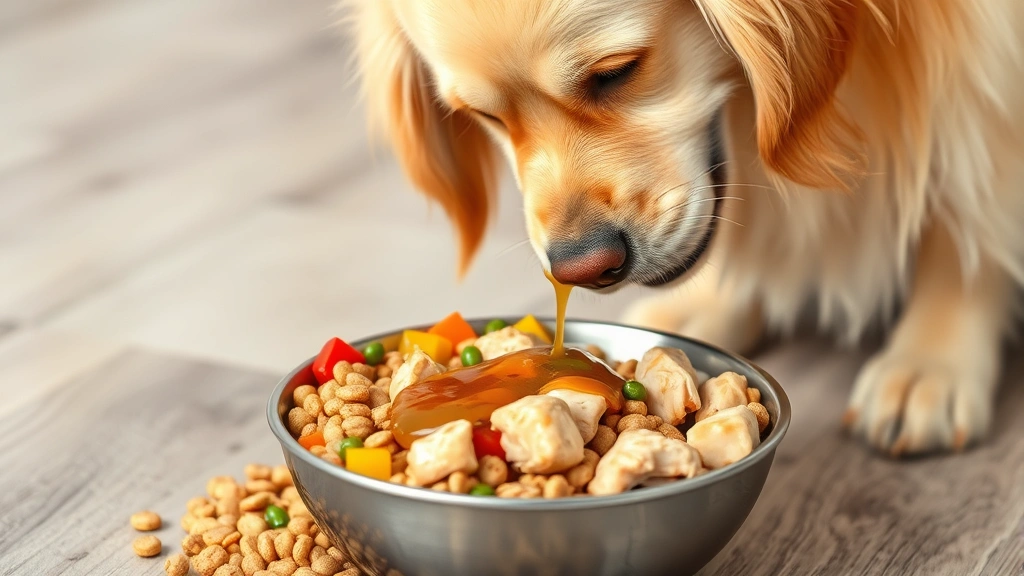
Your dog stares at their kibble bowl like you just served them cardboard. Sound familiar? That’s where dog food toppers come in. They’re not just Instagram-worthy additions to your pup’s dinner—they’re a practical way to boost nutrition, encourage picky eaters, and add variety to their diet without overhauling their entire feeding routine.
I’ve been a vet tech for over a decade, and I can tell you: dog food toppers are one of the easiest wins in pet nutrition. They work. Dogs actually get excited about dinner again, and you’re adding real nutritional value in the process. But here’s the catch—not all toppers are created equal, and some can actually cause problems if you’re not careful.
Let’s break down everything you need to know about dog food toppers: what they are, why they matter, which ones are safe, and how to use them without turning your dog’s meals into a digestive nightmare.
What Are Dog Food Toppers?
Dog food toppers are additions you mix into or sprinkle on top of your dog’s regular kibble or wet food. Think of them as the seasoning and garnish to a meal—they enhance what’s already there without replacing the base diet.
They come in several forms:
- Wet toppers: Broths, stews, or meat-based sauces you pour over kibble
- Dry toppers: Freeze-dried meat, vegetables, or fruit pieces you sprinkle on
- Fresh toppers: Raw or cooked meat, vegetables, and fruits you add directly
- Oil-based toppers: Fish oil, coconut oil, or other nutrient-dense oils
- Powder toppers: Bone meal, organ powders, or supplement blends
The beauty of dog food toppers is their flexibility. You can use them daily, occasionally, or just when your pup needs a little extra motivation to eat. They’re also incredibly useful for dogs recovering from illness, senior dogs with reduced appetite, or picky eaters who’ve decided kibble is “boring.”
Why Use Dog Food Toppers?
Here’s the real talk: your dog’s kibble is formulated to be complete and balanced. You don’t need toppers. But that doesn’t mean they’re not valuable.
Picky eaters. Some dogs are just wired to be food snobs. A topper can make the difference between a full bowl left uneaten and a clean plate. This matters because consistent eating prevents digestive upset and keeps their metabolism steady.
Nutritional boost. Even premium kibble has limitations. Adding fresh protein, organs, or bone broth introduces enzymes, amino acids, and micronutrients in their most bioavailable forms. Your dog’s body can actually use these nutrients more efficiently than some kibble-based equivalents.
Digestive health. Bone broth, for example, contains collagen and gelatin that support gut lining health. Fermented toppers introduce beneficial probiotics. These aren’t flashy benefits, but they matter for long-term wellness.
Hydration. Wet toppers increase overall water intake, which is especially important for dogs who don’t drink enough water. This is huge for kidney and urinary tract health.
Mental enrichment. Variety in food keeps mealtime interesting. It’s not just about taste—it’s about engagement. A dog that’s excited about dinner is a happier dog.
Recovery support. If your dog is healing from surgery, dealing with illness, or just getting older, toppers make it easier to pack extra calories and nutrients into smaller portions they’ll actually eat.
Pro Tip: Dog food toppers aren’t a replacement for veterinary care or prescription diets. If your dog has kidney disease, pancreatitis, or other conditions requiring specific nutrition, check with your vet before adding toppers.
Best Dog Food Toppers (Safe & Nutritious)
Not all toppers are created equal. Here’s what actually works—and why.
Bone Broth
Bone broth for dogs is one of my go-to recommendations. It’s packed with collagen, gelatin, and amino acids that support joint health, gut integrity, and immune function. The warm liquid also encourages hydration.
Pro move: Make your own by simmering bones (no garlic or onions!) for 12-24 hours, or buy a dog-specific brand. Human bone broth can contain additives that aren’t ideal for dogs.
Cooked Lean Meats
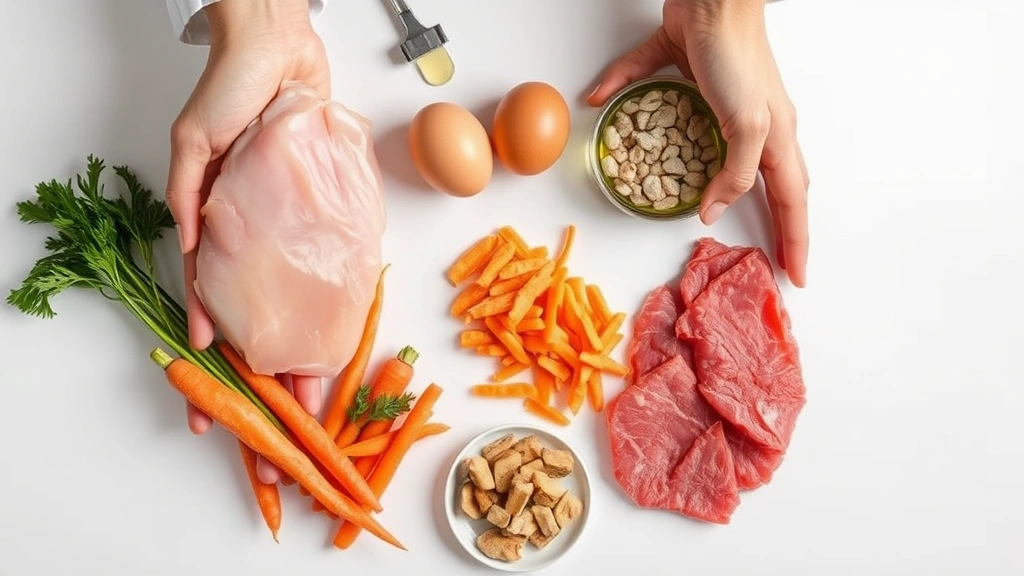
Chicken breast, turkey, lean beef, or fish are excellent toppers. They’re protein-dense, palatable, and easy to portion. Cook them plain—no seasoning, no oils, no salt.
Steak is safe for dogs and makes an excellent occasional topper, though it’s higher in fat so use it sparingly for dogs prone to pancreatitis.
Organ Meats
Chicken livers are nutritional powerhouses. They’re rich in iron, B vitamins, and vitamin A. A small amount (teaspoon to tablespoon, depending on dog size) adds serious nutritional value. Cook them lightly or serve them raw if you’re comfortable with that approach.
Vegetables
Cooked pumpkin, sweet potato, carrots, and green beans are safe, fiber-rich toppers. Spinach is good for dogs in moderation and can be added raw or cooked.
Avoid: Onions, garlic, avocado, grapes, and raisins. These are toxic to dogs.
Fruits
Black berries are safe for dogs and packed with antioxidants. Apples (without seeds), blueberries, and watermelon also work. Keep portions small—fruit is high in natural sugar.
Eggs
Cooked eggs (scrambled or boiled) are complete proteins and incredibly digestible. They’re also affordable and shelf-stable. One egg per day for a medium dog is a solid addition.
Plain Yogurt or Kefir
These introduce beneficial probiotics that support gut health. Use plain, unsweetened varieties. A tablespoon or two mixed into kibble can improve digestive balance over time.
Fish Oil or Omega-3 Supplements
These toppers support skin, coat, joint, and cognitive health. The American Kennel Club recommends omega-3s for various health benefits, particularly for older dogs or those with inflammatory conditions.
Freeze-Dried Meat
Commercial freeze-dried toppers (like freeze-dried beef or chicken) are convenient, shelf-stable, and nutrient-dense. They rehydrate beautifully when mixed with warm water or broth.
Dog Food Toppers to Avoid
Some toppers look innocent but can cause serious problems. Here’s what to skip:
- Anything with xylitol: This artificial sweetener is extremely toxic to dogs, even in tiny amounts. Check all “dog-friendly” peanut butter and treats carefully.
- Garlic and onions: Both damage red blood cells and can cause hemolytic anemia. This includes powders and dehydrated versions.
- Chocolate: Toxic to dogs. Period. No exceptions.
- Avocado: Contains persin, which can cause vomiting and diarrhea.
- Grapes and raisins: Can cause acute kidney failure. The mechanism isn’t fully understood, but the risk is real.
- Macadamia nuts: Cause weakness, tremors, and hyperthermia.
- High-sodium toppers: Excessive salt stresses kidneys and can worsen heart conditions.
- Fatty scraps: While a little fat is fine, excessive fat (like bacon grease or fatty meat trimmings) can trigger pancreatitis, especially in predisposed breeds.
- Moldy or spoiled food: This should be obvious, but I’ve seen it happen. If you wouldn’t eat it, don’t give it to your dog.
- Toppers with added sugar or artificial sweeteners: Empty calories and potential toxins.
Safety Warning: If your dog has ingested something toxic, contact your vet or the ASPCA Animal Poison Control Center (888-426-4435) immediately. Don’t wait to see if symptoms develop.
How to Introduce Dog Food Toppers Safely
Here’s where a lot of people mess up: they add a topper and then wonder why their dog has diarrhea the next day. The culprit? Too much, too fast.
Rule one: Go slow. Start with a tiny amount—think a teaspoon for a small dog, a tablespoon for a large dog. Mix it thoroughly into their regular food.
Rule two: Wait 3-5 days. Give your dog’s digestive system time to adjust. Watch for normal stools, normal appetite, and no signs of upset (vomiting, diarrhea, excessive gas).
Rule three: Increase gradually. If all’s well, slowly increase the amount over the next week or two until you reach your target portion.
Rule four: Introduce one topper at a time. If you add bone broth AND chicken AND pumpkin simultaneously, and your dog gets an upset stomach, you won’t know which one caused it. Single introductions let you identify any sensitivities.
This process sounds tedious, but it prevents digestive disasters. I’ve seen dogs hospitalized for gastroenteritis because owners got too enthusiastic with toppers.
Portion Guidelines & Calorie Math
Here’s the math nobody wants to do but absolutely should: toppers add calories. If you’re not careful, you’ll accidentally overfeed your dog and watch them gain weight.
The 10% rule: Dog food toppers should make up no more than 10% of your dog’s daily caloric intake. The remaining 90% should come from their base diet (kibble, wet food, etc.).
Example: A 50-pound dog eating 1,200 calories daily should get no more than 120 calories from toppers. That’s roughly:
- 2-3 tablespoons of bone broth (if it’s pure broth, minimal calories)
- 1-2 ounces of cooked chicken
- 1 egg
- A handful of vegetables
If you’re adding high-calorie toppers like fatty meats or oils, portions need to be smaller.
Track it. Use a kitchen scale if you’re serious about portion control. Eyeballing “a little chicken” is how dogs end up overweight.
Adjust base meals accordingly. If you’re adding 100 calories of topper, reduce their kibble by roughly 100 calories that day. This keeps their total intake consistent.
Pro Tip: Use toppers as a training tool. Instead of adding them to every meal, use them as occasional rewards or during training sessions. This gives you flexibility with portions and keeps mealtime exciting.
Homemade vs. Commercial Dog Food Toppers
Both have pros and cons. Here’s the breakdown:
Homemade Toppers
Pros:
- Complete control over ingredients
- Often cheaper than commercial options
- You know exactly what your dog is eating
- Can customize based on your dog’s preferences and needs
Cons:
- Time-intensive to prepare
- Requires food safety knowledge (proper cooking, storage, hygiene)
- No nutritional analysis or standardization
- Risk of imbalances if you’re not careful
If you go the homemade route, keep it simple: cooked meat, safe vegetables, and broth. Don’t try to create a “complete meal” unless you’re working with a veterinary nutritionist.
Commercial Toppers
Pros:
- Convenient and consistent
- Often formulated by nutritionists
- Long shelf life (especially freeze-dried and powdered options)
- Portion-controlled packaging
Cons:
- More expensive than homemade
- Quality varies wildly between brands
- Some contain fillers or unnecessary additives
- May not suit all dogs (allergies, sensitivities)
What to look for in commercial toppers: Recognizable ingredients, no artificial colors or flavors, no xylitol, and ideally some third-party testing (look for AAFCO statements or certifications).
Brands like those reviewed by PetMD often have solid reputations, but always read the label yourself.
Frequently Asked Questions
Can I use dog food toppers every day?
– Yes, as long as they fit within the 10% calorie rule and you’re monitoring your dog’s weight. Daily toppers are fine if you adjust their base meal portions accordingly. Just avoid introducing new toppers daily—stick with 1-2 favorites to keep things predictable for their digestive system.
Will dog food toppers make my dog picky?
– This is a valid concern. Some dogs do develop preferences for toppered meals and turn their nose up at plain kibble. To prevent this, occasionally serve plain meals without toppers. Mix it up. This keeps them flexible and prevents the “I only eat gourmet” attitude.
Are dog food toppers necessary?
– No. A high-quality kibble or wet food alone is nutritionally complete. Toppers are an enhancement, not a requirement. That said, they’re useful for picky eaters, senior dogs, dogs in recovery, or if you want to add variety and boost nutrition.
Can toppers help with weight loss?
– Indirectly, yes. Low-calorie toppers like plain cooked vegetables or bone broth can add volume and satisfaction to meals without many calories. This helps dogs feel fuller on the same or fewer total calories. But toppers alone won’t cause weight loss—you still need to manage overall calorie intake and exercise.
What’s the difference between toppers and mix-ins?
– Not much. Both terms refer to additions to base meals. “Toppers” typically sit on top, while “mix-ins” get stirred in. Functionally, they’re the same thing.
Can puppies have dog food toppers?
– Yes, but be careful. Puppies have developing digestive systems and specific nutritional needs. Stick to simple, easily digestible toppers (cooked chicken, plain vegetables) and keep portions tiny. Never compromise their base puppy food, which is formulated for growth. If you’re unsure, ask your vet.
Should I refrigerate or freeze dog food toppers?
– Depends on the type. Wet toppers and fresh meat should be refrigerated (use within 3-4 days) or frozen (up to 3 months). Freeze-dried toppers are shelf-stable. Powdered toppers should be stored in a cool, dry place. Always follow package instructions.
What if my dog has allergies or sensitivities?
– Start with simple, single-ingredient toppers you know your dog tolerates. If your dog has a chicken allergy, avoid chicken-based toppers. If they have a beef sensitivity, skip beef broth. When in doubt, check with your vet before introducing new toppers.
Can dog food toppers replace meals?
– No. Toppers are supplementary, not replacements. They should enhance, not replace, your dog’s base diet. If you’re looking to change their main food, transition gradually to a new kibble or wet food instead.
Are there toppers for specific health conditions?
– Yes. Joint-support toppers with glucosamine and chondroitin, digestive toppers with probiotics, and omega-3 toppers all target specific needs. That said, if your dog has a diagnosed condition (arthritis, IBD, kidney disease), work with your vet to choose appropriate toppers that won’t interfere with treatment.





