
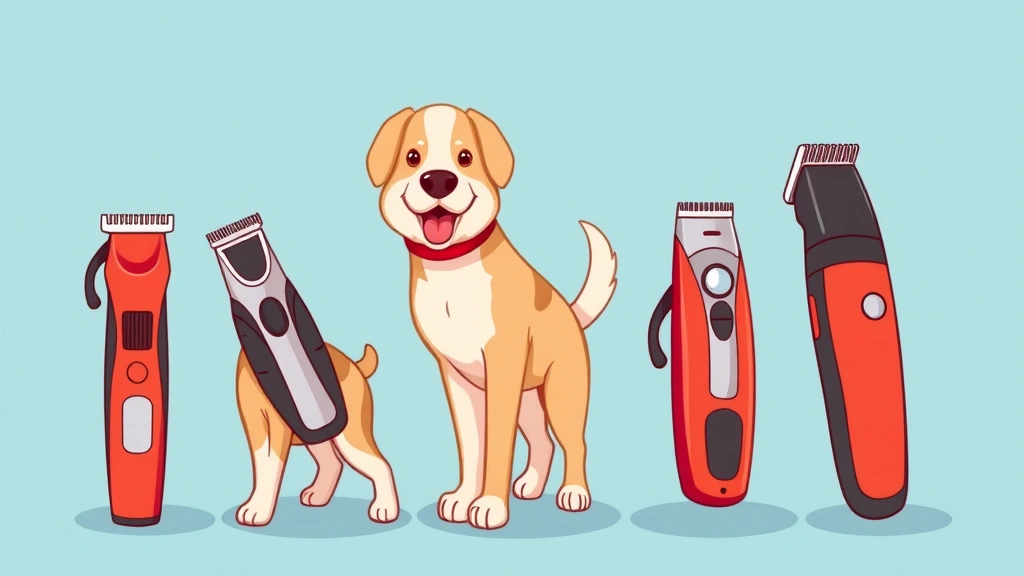
Let’s be honest—grooming your dog at home can feel intimidating. You’re holding sharp blades near your pup’s face, worried about nicking skin or making them look ridiculous. But here’s the thing: the right dog grooming clippers and a little knowledge can turn you into a capable home groomer. You don’t need a professional license to keep your dog looking sharp between salon visits (or to skip expensive grooming bills altogether). We’re going to walk through everything you need to know about selecting, using, and maintaining dog grooming clippers so you can groom with confidence.
Types of Dog Grooming Clippers Explained
Not all dog grooming clippers are created equal. There are basically three main categories, and picking the wrong one is like trying to cut steak with a butter knife—technically possible, but frustrating.
Rotary Motor Clippers: These are the heavy hitters. Professional groomers love them because the motor runs continuously, making them powerful enough to handle thick, matted coats. They’re louder, heavier, and run hotter than other options. If your dog has a dense double coat (think Golden Retrievers or German Shepherds), rotary clippers will make your life easier. The downside? They cost $300–$800+ and can intimidate anxious dogs with their noise.
Magnetic Motor Clippers: This is the sweet spot for most home groomers. The blade vibrates back and forth (rather than spinning continuously), which means less heat, less noise, and lower cost ($150–$400). They handle most coat types well and won’t make your arm tired from the weight. They’re also quieter, which helps if your dog gets nervous easily.
Cordless/Battery-Powered Clippers: Perfect for touch-ups, detail work, and anxious dogs. They’re lightweight, quiet, and convenient—but they lack the power for heavy-duty grooming. Think of them as the scissors to the rotary clippers’ chainsaw. Great for maintaining between professional grooms, but don’t expect them to tackle a matted coat.
There’s also a fourth option: manual clippers (like scissor-style grooming shears). These require hand strength and patience, but they’re cheap ($20–$50) and silent. They’re ideal for small touch-ups or dogs that absolutely hate electric noise.
Understanding Blade Sizes and What They Do
Blade size is measured in numbers, and here’s where it gets confusing: higher numbers = shorter hair. It’s backwards from what you’d expect.
Here’s a quick reference:
- #30 blade: 0.5mm—used for sanitary trims and detail work
- #25 blade: 1.2mm—good for short, clean finishes
- #20 blade: 1.5mm—popular for general grooming
- #15 blade: 1.8mm—leaves a bit more length, good for sensitive skin
- #10 blade: 2.4mm—for longer coats and blending
- #5 blade: 3.2mm—for thick coats, leaves noticeable length
- #4 blade: 6.3mm—for very long coats or just tidying up
Most home groomers start with a #15 or #20 blade. It’s forgiving (mistakes aren’t as obvious), and it works on most coat types. If your dog has sensitive skin or you’re nervous, go with the #15—it leaves slightly more hair as a buffer.
Pro tip: Blade choice depends on your dog’s breed standard and your comfort level. A Poodle might get a #10, while a Dachshund might only need a #20 for maintenance. Check breed-specific grooming guides before you start.
Key Features That Matter in Dog Grooming Clippers
When you’re shopping for dog grooming clippers, don’t just look at the price tag. These features actually make a difference:
Noise Level: Measured in decibels (dB). Anything under 85 dB is considered quieter. If your dog gets anxious, this matters. A nervous pup is harder to groom safely.
Heat Output: Clippers generate heat from friction. If they get too hot, they can burn your dog’s skin or become uncomfortable to hold. Look for clippers with thermal protection or variable speed settings so you can dial it down.
Blade Compatibility: Some clippers use proprietary blades (only fit one brand), while others use industry-standard A5 or Oster blades. Standard blades are cheaper to replace and easier to find.
Cordless vs. Corded: Cordless is convenient but less powerful. Corded gives consistent power but limits mobility. For home grooming, corded usually wins unless you’re doing small touch-ups.
Speed Settings: Variable speed is a game-changer. You can slow down for anxious dogs or detailed work, then speed up for bulk cutting. It also reduces heat buildup.
Ergonomics: You’ll be holding these for 20–60 minutes. A lightweight, balanced clipper prevents hand fatigue and makes you less likely to make mistakes.
Blade Sharpness: Out of the box, premium clippers have sharper blades. Dull blades pull hair instead of cutting it, which is uncomfortable for your dog and frustrating for you. Budget clippers often dull faster.
Here’s an honest take: you don’t need the $600 professional model if you’re grooming your own dog occasionally. But the $40 Amazon special will drive you crazy. Aim for the $150–$300 range for magnetic motor clippers—you get quality without overspending.
Best Dog Grooming Clippers for Different Coat Types
Choosing the right dog grooming clippers depends on your dog’s coat. Here’s how to match them:
For Double-Coated Dogs (Golden Retrievers, Huskies, Corgis): You need power. A rotary motor clipper or high-end magnetic motor clipper is worth the investment. Double coats are thick and can mat easily. A underpowered clipper will overheat and frustrate you both. Start with a #15 or #10 blade and work slowly.
For Curly or Wavy Coats (Poodles, Doodles, Cockapoos): These coats mat like crazy, so regular maintenance is key. A magnetic motor clipper with variable speed works well. Many owners of Doodles prefer cordless clippers for detail work around the face and ears because they offer better control.
For Short, Smooth Coats (Beagles, Labs, Boxers): You have options. Magnetic motor clippers are perfect, but even a good cordless clipper can handle maintenance trims. These dogs need less frequent grooming, so a versatile mid-range clipper is ideal.
For Wiry or Terrier Coats (Schnauzers, Terriers): Wiry coats need a clipper with decent power. A magnetic motor clipper is the minimum. Some owners prefer rotary clippers for these breeds because the coat is tougher to cut through.
For Sensitive or Senior Dogs: Go cordless or choose a magnetic motor clipper with variable speed. You can work slower and more gently. A #15 blade is safer than a #20 because there’s more margin for error. Also, these dogs often have thinner skin, so heat becomes a real concern.
Real talk: if your dog has a severely matted coat, no clipper will save you. You’ll need professional help. But regular grooming with the right clippers prevents matting in the first place. That’s the whole point of investing in good tools.
Maintenance and Care for Your Clippers
Your dog grooming clippers are an investment. Treat them like it.
Clean After Every Use: Hair and dander clog the blade. Spend 2 minutes brushing out loose hair with a small brush. Use a blade cleaning spray (or a tiny bit of clipper oil) to remove stubborn debris. This prevents rust and keeps blades sharp.
Oil the Blades: Most clippers need a drop or two of clipper oil on the blade after grooming. Check your manual—some brands have specific requirements. This reduces friction and heat.
Check Blade Alignment: Over time, blades can shift slightly. If your clipper suddenly starts pulling hair or cutting unevenly, the blade might be misaligned. Most brands have an adjustment screw. Your manual will show you how.
Keep Blades Sharp: Dull blades are the #1 reason home grooming feels hard. Professional blade sharpening costs $15–$30 per blade and takes 1–2 weeks. Many groomers offer this service. If you groom monthly, sharpen blades every 6–12 months. If you groom weekly, sharpen every 2–3 months.
Store Properly: Keep clippers in a cool, dry place. Don’t leave them in a hot garage or humid bathroom. A storage case protects them from dust and damage.
Replace Worn Parts: Blades dull. Motors eventually wear out. Cords can fray. Budget for replacement blades ($20–$50) and maintenance. A $200 clipper that lasts 5 years is cheaper than a $50 clipper that quits after 1 year.
Pro Tip: Keep a spare blade on hand. When your primary blade gets dull, swap it out and keep grooming. Send the dull blade for sharpening while you work with the spare. This keeps your grooming schedule on track.
Safety Tips When Using Dog Grooming Clippers
Sharp blades + moving parts + a wiggly dog = potential for injury. Here’s how to stay safe:
Never Clip Wet Hair: Wet hair clogs blades faster and makes the clipper work harder. It also increases the risk of clipper burn (heat damage to skin). Always groom on dry, brushed-out hair.
Watch for Clipper Burn: If the clipper gets too hot, it can burn your dog’s skin. You’ll notice red, irritated patches. This happens most with underpowered clippers on thick coats. If you feel the clipper getting very hot, stop and let it cool. Better to groom in sections over two days than hurt your dog.
Avoid Sensitive Areas: Never clip inside the ear canal, between toes, or near the eyes without serious experience. These areas have thin skin and sensitive nerve endings. If you’re nervous, ask your vet or a professional groomer to show you safe techniques first.
Keep the Blade Flat: Hold clippers parallel to the skin. Tilting them can cause nicks. This takes practice, but it’s crucial for safety.
Secure Your Dog: A grooming table with a non-slip surface is ideal. If your dog won’t stay still, consider a grooming loop (a restraint that clips to the table). A sudden movement can cause a clipper accident.
Calm Anxious Dogs: If your dog is terrified, forcing grooming isn’t safe. Work on desensitization first—let them see and hear the clippers without turning them on. Reward calm behavior. Some dogs need professional help or sedation from a vet for grooming.
Check for Skin Issues First: Before clipping, inspect your dog’s skin. If you see wounds, rashes, or infections, skip grooming and contact your vet. Clipping over infected skin spreads bacteria.
Safety Warning: Never use human hair clippers on dogs. Dog skin is more sensitive, and human clippers aren’t designed for pet fur. They’ll pull hair, overheat, and frustrate you both.
Getting Started with At-Home Grooming
You’ve got your dog grooming clippers. Now what? Here’s a step-by-step approach for beginners:
Step 1: Prep Your Dog Brush thoroughly to remove mats and tangles. Bathe and dry completely. Matted or wet hair will clog your clippers. This prep work is 50% of the battle.
Step 2: Set Up Your Space Use a grooming table, bathroom counter, or sturdy bench. Make sure you have good lighting and easy access to your dog. Gather supplies: clippers, blades, oil, cleaning brush, and treats.
Step 3: Start with a Test Area Pick a small, less visible spot (like the side of the body). Test your blade and clipper settings here first. This builds confidence and lets you see how the blade cuts your dog’s specific coat.
Step 4: Groom in Sections Don’t try to do the whole dog in one session, especially if you’re new. Groom the body first (easier), then legs, then the face (requires more precision). Face grooming can wait until you’re comfortable.
Step 5: Work with the Grain Clipper blades cut best when you move them in the direction hair grows (with the grain). Going against the grain dulls blades faster and pulls hair uncomfortably.
Step 6: Take Breaks Stop every 10–15 minutes to let the clipper cool and give your dog a break. This prevents clipper burn and keeps your dog calm.
Step 7: Finish with Treats and Praise End on a positive note, even if the groom isn’t perfect. Your dog will associate grooming with rewards, making the next session easier.
Honest truth: your first at-home groom won’t be salon-quality. That’s normal. You’re learning. By the third or fourth groom, you’ll notice huge improvement. By the sixth or seventh, you’ll be genuinely competent.
If you’re really nervous, consider watching breed-specific grooming videos on the AKC website or YouTube before you start. Seeing it done step-by-step helps tremendously.
Speaking of costs, grooming a dog at home saves money—professional grooming runs $50–$150+ per visit, and most dogs need grooming every 4–8 weeks. You can recoup your clipper investment in just a few DIY grooms. Plus, if you have multiple dogs or a dog that needs frequent grooming (like a Poodle), the savings are huge. That said, there’s value in professional grooming too. Some owners do a hybrid approach: professional grooms 2–3 times a year, at-home maintenance in between. This keeps costs down while ensuring expert care.
If you’re interested in other pet care costs, learn more about dog walker costs or dog boarding expenses. And if grooming leaves you with dog hair everywhere, check out our guides on keeping dog hair off your couch and removing dog hair from your vehicle.
Frequently Asked Questions
What’s the difference between a #30 blade and a #10 blade for dog grooming clippers?
– A #30 blade cuts hair very short (0.5mm), used for detail work and sanitary trims. A #10 blade leaves more length (2.4mm) and is better for general grooming on longer coats. Higher numbers = shorter cuts. Start with a #15 or #20 if you’re unsure.
Can I use human hair clippers on my dog?
– No. Human clippers aren’t designed for pet fur and will pull hair instead of cutting it cleanly. Dog skin is also more sensitive than human skin, and human clippers can cause discomfort or clipper burn. Always use dog-specific grooming clippers.
How often should I sharpen my dog grooming clipper blades?
– It depends on how often you groom. If you groom monthly, sharpen every 6–12 months. If you groom weekly, sharpen every 2–3 months. You’ll know it’s time when the clipper starts pulling hair instead of cutting smoothly, or when grooming takes noticeably longer.
Are cordless dog grooming clippers powerful enough for thick coats?
– Cordless clippers are better for touch-ups and detail work. For thick double coats, a corded magnetic motor or rotary clipper has more consistent power. Cordless batteries drain quickly on dense coats and can overheat. Use cordless for maintenance between professional grooms, not for major grooming.
How do I prevent clipper burn when grooming my dog?
– Clipper burn happens when the blade gets too hot. Prevent it by: (1) never clipping wet hair, (2) using a powerful enough clipper for your dog’s coat, (3) taking breaks every 10–15 minutes, (4) applying clipper oil to reduce friction, and (5) stopping immediately if the clipper feels very hot. If your dog gets clipper burn, contact your vet.
What blade size should I use for my Doodle or Poodle mix?
– Most Doodles and Poodles are clipped with a #10, #15, or #20 blade depending on the desired length and coat condition. A #10 leaves about 1 inch of hair (popular for “teddy bear” cuts). A #15 or #20 is shorter and requires more frequent grooming to prevent matting. Ask your groomer what they use, then replicate that blade size at home.
Do I need a grooming table to use dog grooming clippers?
– A grooming table makes the job much easier and safer, but it’s not absolutely required. You can use a sturdy bathroom counter, kitchen table, or even a folded towel on the floor. The key is having a non-slip surface and good lighting. A grooming loop (restraint) helps keep your dog still, especially if they’re wiggly.
Why do my dog grooming clippers keep overheating?
– Overheating usually means: (1) the clippers aren’t powerful enough for your dog’s coat, (2) the blades are dull and working too hard, (3) you’re clipping wet hair, or (4) you’re grooming too long without breaks. Fix it by: sharpening or replacing blades, ensuring hair is dry, taking breaks, and considering a more powerful clipper if needed.
Can I groom my dog myself if they’re anxious about clippers?
– You can, but it takes patience. Start by letting your dog see and hear the clippers without turning them on. Reward calm behavior with treats. Turn on the clippers (without touching your dog) and reward again. Gradually work up to touching them with the clippers off, then on. Some dogs need professional help or sedation. Don’t force it—an anxious dog is harder to groom safely.
What’s the best dog grooming clipper for a senior dog with sensitive skin?
– Choose a cordless or variable-speed magnetic motor clipper so you can work slowly and gently. Use a #15 blade instead of a #20 to leave more hair as a buffer. Make sure the clipper doesn’t get too hot. Take frequent breaks. Senior dogs have thinner, more delicate skin, so prioritize comfort over speed. If your dog has skin conditions, ask your vet for grooming recommendations.
How much should I spend on dog grooming clippers?
– Budget $150–$400 for a quality magnetic motor clipper that will last years. Cordless clippers run $100–$300 but are better for touch-ups. Rotary clippers start at $300–$600+ and are overkill for most home groomers. Avoid the $30–$50 budget clippers—they overheat, dull quickly, and create a frustrating experience. Think of it as an investment that pays for itself in 3–4 professional grooming sessions.
Should I groom my dog before or after a bath?
– Always groom after a bath, once the coat is completely dry and brushed out. Wet hair clogs clippers and increases clipper burn risk. Dry hair also shows you the true coat texture and makes it easier to see matting. If you bathe and groom on the same day, allow at least 2–3 hours for drying.
Sources: American Kennel Club – Grooming Your Dog | PetMD – Dog Grooming Basics | ASPCA – Pet Care | Washington State University College of Veterinary Medicine





