
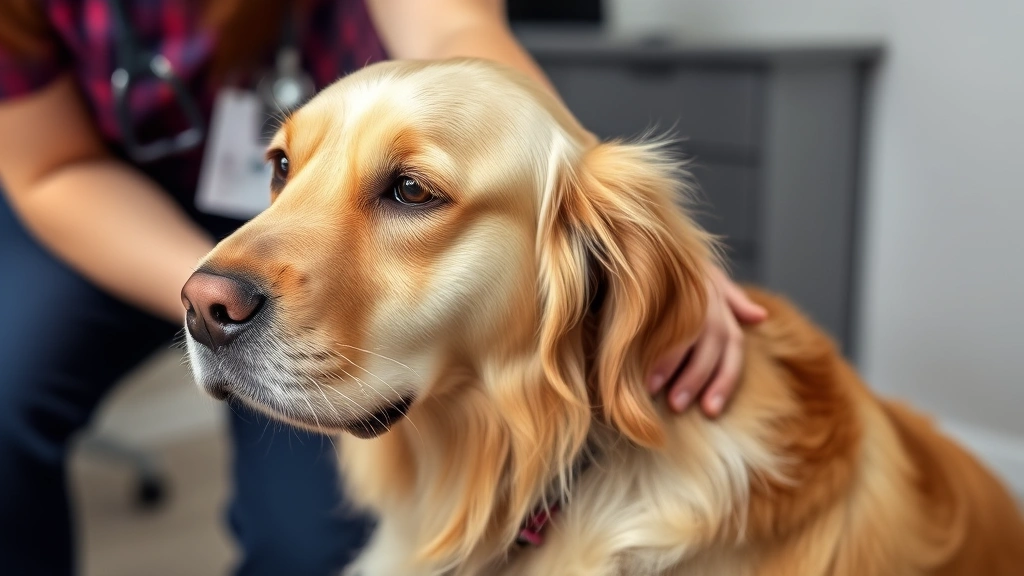
If you’re a dog owner, you’ve probably felt that weird, hard lump under your dog’s skin at some point and wondered what the heck it is. That’s likely a dog knot—and yeah, it can be unsettling. A dog knot is basically a firm, localized swelling or lump that appears on or under your dog’s skin, and while some are totally harmless, others need attention. As a vet tech who’s handled thousands of dogs, I can tell you that understanding what causes a dog knot and how to care for it makes all the difference between a simple monitoring situation and a real problem.
The good news? Most dog knots are nothing to panic about. The not-so-good news? You still need to know what you’re dealing with, when to call your vet, and how to keep your pup comfortable while it heals. Let’s break down everything you need to know about dog knots, from common causes to practical care strategies.
What Exactly Is a Dog Knot?
A dog knot is a general term for any firm, localized swelling or lump that develops on or beneath your dog’s skin. Think of it like a knot in a rope—it’s a concentrated area where tissue has bunched up, thickened, or become inflamed. The size can range from a pea to a golf ball, and the texture varies depending on what’s causing it.
Here’s the thing: not all knots are created equal. Some are fluid-filled (cysts), some are fatty (lipomas), some are inflammation from infection or injury, and some are scar tissue. The location matters too. A knot on the paw pad is a different ballgame than one on the flank. Your vet can usually figure out what you’re dealing with through physical exam, and sometimes imaging or a needle aspirate (basically a tiny sample using a needle) if they need more info.
The reason I’m emphasizing this is because I’ve seen owners stress for weeks over a knot that turned out to be nothing, and I’ve also seen owners ignore knots that actually needed treatment. Getting familiar with your dog’s body—literally feeling them over regularly—is one of the best preventive moves you can make.
Common Causes of Dog Knots
Let’s go through the most common culprits. Understanding the cause is half the battle when it comes to managing a dog knot effectively.
Lipomas (Fatty Tumors)
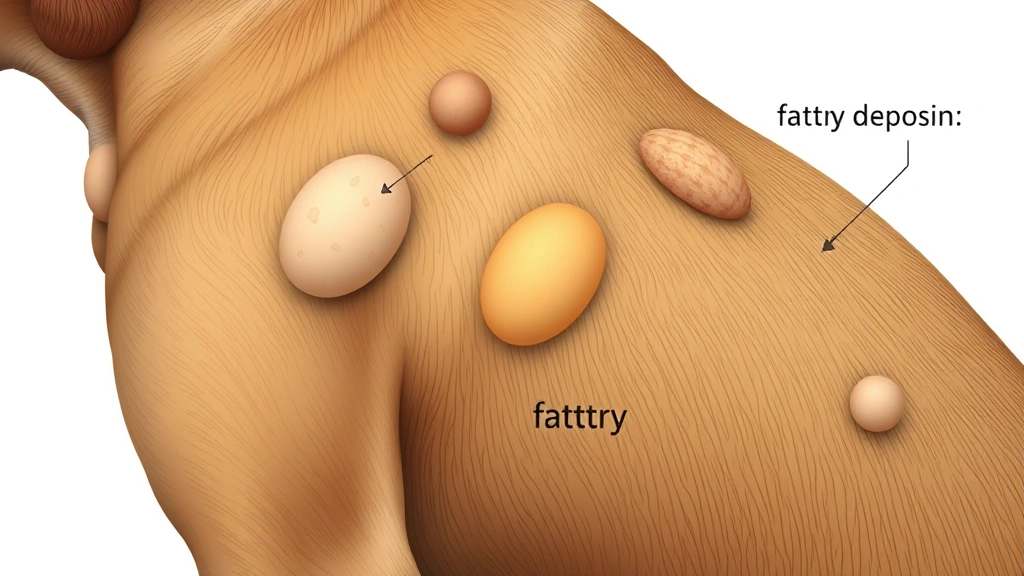
Lipomas are benign fatty lumps that develop under the skin, usually in middle-aged and senior dogs. They’re super common—honestly, I’d say one in five older dogs I see has at least one. They grow slowly, feel soft and moveable under the skin, and are completely non-cancerous. The catch? They don’t go away on their own, and if they grow large enough, they can restrict movement or cause discomfort. Weight management can slow their growth, but surgical removal is the only way to get rid of them permanently.
Cysts
Cysts are fluid-filled sacs that can develop for various reasons. Sebaceous cysts are the most common—they form when hair follicles get blocked and fill with sebum (the oily stuff your dog’s skin produces). They usually feel like a firm bump and sometimes have a dark center. Ganglion cysts are less common but can develop near joints. Most cysts are harmless unless they rupture or get infected.
Infections and Abscesses
If your dog gets a puncture wound, bite, or scrape that gets infected, it can develop into an abscess—basically a pocket of pus under the skin. This is definitely a dog knot you need to address. Abscesses are painful, warm to the touch, and your dog might be lethargic or running a fever. They need antibiotics and sometimes drainage by a vet. Don’t mess around with these.
Hematomas
A hematoma is a collection of blood under the skin, usually from trauma. If your dog got hit, fell hard, or had a fight, a hematoma might develop. They feel firm and can be quite large. The good news is they often reabsorb on their own, but if they’re causing pain or restricting movement, your vet might need to drain them.
Allergic Reactions and Swelling
Sometimes a dog knot is just localized swelling from an allergic reaction to an insect bite, plant contact, or food. These usually appear suddenly, might be itchy, and often go down on their own or with antihistamines. If your dog is itching or seems uncomfortable, this could be the culprit.
Scar Tissue
After surgery or a significant injury, scar tissue can form a firm knot at the site. This is usually nothing to worry about—it’s your dog’s body doing exactly what it should. Over time, scar tissue often softens and becomes less noticeable.
Here’s a real talk moment: Sometimes a knot is just a knot, and sometimes it’s something that needs professional eyes on it. When in doubt, ask your vet. That’s literally what they’re there for, and a quick check-in can save you weeks of worry.
When Should You Worry About a Dog Knot?
Not every dog knot needs emergency intervention, but some signs mean you should call your vet sooner rather than later.
- Rapid growth: If the knot is growing noticeably week to week, that’s worth investigating.
- Pain or sensitivity: If your dog yelps when you touch it or avoids using that limb, something’s up.
- Discharge or odor: If the knot is leaking fluid, bleeding, or smells bad, it could be infected.
- Changes in appearance: If it becomes red, hot, swollen, or the skin looks damaged, get it checked.
- Behavioral changes: If your dog is lethargic, not eating, or acting sick alongside the knot, don’t wait.
- Location concerns: Knots near the eye, ear, or in the mouth need faster attention.
- Multiple new knots: If several lumps appear suddenly, that’s worth a vet visit.
For dogs that are pregnant or in heat, hormonal swelling can cause knot-like formations. This is normal, but it’s worth mentioning to your vet if you’re concerned.
Pro Tip: Take a photo of any new knot and note the date. This gives your vet a baseline to compare against and helps you track whether it’s growing. Seriously, it’s a game-changer for monitoring.
Home Care and Comfort Strategies

While you’re waiting for a vet appointment or monitoring a knot that your vet says is benign, there are practical steps to keep your dog comfortable.
Cold Therapy
If the knot is from recent trauma or swelling, cold can help reduce inflammation. Use a cold pack wrapped in a towel for 10-15 minutes, a few times a day. Don’t apply ice directly to skin—it can cause irritation. This works best in the first 48 hours after injury.
Warm Compresses
For older knots or those that aren’t acutely inflamed, warm compresses can improve circulation and comfort. Use warm (not hot) water and a clean cloth. This is especially helpful if your dog seems sore.
Limit Activity
If the knot is on a limb or joint, restricting activity reduces stress on the area. Keep play sessions calm and avoid running or jumping until your vet gives the all-clear. This is harder than it sounds with energetic dogs, but it matters.
Pain Management
If your dog seems uncomfortable, your vet can recommend pain relief. Don’t just give your dog over-the-counter pain meds without asking—some are toxic to dogs. Your vet knows your dog’s health history and can recommend the right option, whether that’s a prescription NSAID or something else.
Keep It Clean
If the knot has any open area or discharge, keep it clean with warm water and a gentle wash. If it’s oozing significantly, cover it loosely with a clean cloth to prevent your dog from licking it excessively. Excessive licking can introduce bacteria or prevent healing.
Monitor for Changes
Check the knot daily for growth, discharge, odor, or color changes. Note any behavioral shifts—is your dog licking it more? Avoiding putting weight on that leg? These details matter to your vet.
Prevention Tips to Reduce Risk
You can’t prevent every dog knot, but you can reduce the risk of some common types.
- Maintain healthy weight: Overweight dogs are more prone to lipomas and have more stress on joints, which can lead to swelling. Regular exercise and appropriate nutrition go a long way.
- Regular skin checks: Get familiar with your dog’s body. Feel them over weekly. Early detection of new lumps means faster intervention if needed.
- Prevent injuries: Supervise play, avoid rough terrain your dog isn’t ready for, and keep your home free of hazards that could cause trauma.
- Manage allergies: If your dog has allergies, working with your vet to control them reduces allergic reactions and the swelling they cause.
- Keep wounds clean: If your dog gets a cut or scrape, clean it promptly and watch for signs of infection. Infected wounds can develop into abscesses.
- Parasite prevention: Some parasitic infections can cause localized swelling. Keep your dog on appropriate flea, tick, and worm prevention.
- Avoid insect exposure: If your dog reacts to bee stings or other insect bites, try to minimize exposure and keep an antihistamine on hand.
Dog Knots and Reproductive Health
Here’s where things get specific. If you have an intact (unspayed or unneutered) dog, you might encounter knots related to reproductive health. During heat cycles, female dogs can develop swollen mammary tissue that feels like knots. This is normal hormonal swelling, but it’s worth monitoring.
If you’re concerned about your female dog’s reproductive health, there are options available, including spaying. Many owners don’t realize that spaying costs vary widely depending on your location and your dog’s age, but it’s often worth the investment for long-term health benefits and to prevent unwanted litters.
For male dogs, a knot near the testicles or in the groin area could indicate an infection, hernia, or other reproductive issue. These need vet attention.
Safety Warning: Never try to drain, pop, or treat a reproductive-related knot at home. The area is sensitive and prone to infection. Let your vet handle it.
Professional Treatment Options
When you take your dog to the vet for a knot, here’s what typically happens.
Physical Examination
Your vet will feel the knot, assess its size, mobility, and whether it’s painful. They’ll ask about when you first noticed it, whether it’s growing, and any symptoms your dog is showing. This is where your detailed observations help.
Imaging
For some knots, your vet might recommend X-rays or ultrasound to see what’s going on beneath the skin. This helps determine if it’s fluid-filled, solid, or something else. It’s not always necessary, but it’s useful when the diagnosis isn’t obvious.
Needle Aspirate or Biopsy
If there’s any concern about cancer or infection, your vet might take a small sample using a needle (aspirate) or a tiny tissue sample (biopsy). This is sent to a lab for analysis. It sounds more dramatic than it is—most dogs tolerate it well.
Surgical Removal
If the knot is causing problems, growing rapidly, or is suspected to be cancerous, surgical removal is often recommended. The procedure is straightforward, and most dogs recover well. Your vet will discuss anesthesia risks and post-operative care with you.
Antibiotics
If infection is present, antibiotics are necessary. Make sure to give the full course, even if the knot looks better before the medication runs out. Incomplete antibiotic treatment can lead to resistance and recurring infections.
Monitoring
For benign knots like lipomas or old scar tissue, your vet might just recommend monitoring. This means regular check-ins and watching for changes. It’s the “wait and see” approach, and it’s totally appropriate for many situations.
According to the American Kennel Club, many lumps and bumps are benign, but any new lump warrants a vet evaluation. The AKC recommends annual wellness exams where your vet can assess any changes in your dog’s body.
Frequently Asked Questions
Can a dog knot go away on its own?
– It depends on the type. Swelling from allergic reactions or minor trauma often resolves on its own within days to weeks. Hematomas can reabsorb. However, lipomas, cysts, and scar tissue typically don’t disappear without intervention. Your vet can tell you whether a specific knot is likely to resolve or if treatment is needed.
Is a dog knot always cancer?
– No, not at all. The vast majority of dog knots are benign. Lipomas, cysts, and scar tissue are far more common than cancerous growths. That said, any new or rapidly growing knot should be evaluated by your vet to rule out cancer.
How much does it cost to remove a dog knot?
– Removal costs vary widely depending on the size, location, and complexity. A simple surgical removal might cost $300-$800, while larger or more complicated removals can be $1,000+. Ask your vet for an estimate before proceeding. Some vets offer payment plans if cost is a concern.
Should I be worried if my dog has multiple knots?
– Multiple knots can be normal, especially in older dogs. Many senior dogs develop several lipomas over time. However, if multiple knots appear suddenly or your dog is showing other signs of illness, get a vet evaluation. Multiple new knots could indicate a systemic issue.
Can I treat a dog knot with home remedies?
– Home care can help with comfort and monitoring, but it can’t cure most knots. Warm or cold compresses, pain management, and activity restriction help your dog feel better while you figure out what you’re dealing with. But if the knot is infected, rapidly growing, or causing pain, your dog needs professional treatment.
Why do older dogs get more knots?
– As dogs age, their skin and tissues change. Lipomas become more common, scar tissue from old injuries becomes more noticeable, and the immune system is less efficient at preventing certain growths. It’s just part of aging, and most age-related knots are harmless.
What’s the difference between a knot and a swollen lymph node?
– Lymph nodes are part of the immune system and swell when your dog is fighting infection or inflammation. They’re usually softer and more moveable than other knots. Swollen lymph nodes often go down once the underlying issue is treated. If you notice swollen areas under your dog’s jaw, behind the ears, or in the groin, mention it to your vet—it could indicate infection or other issues that need attention.
Can I feel a dog knot if it’s internal?
– Depending on location and size, maybe. Knots closer to the surface are easier to feel. Deeper knots might not be noticeable until they’re larger. This is why regular vet check-ups matter—your vet can feel things you might miss.
Is it normal for a dog knot to feel warm?
– A warm knot suggests inflammation or infection. If a knot is notably warmer than the surrounding skin, that’s a sign to call your vet. It could indicate an abscess or other infection that needs treatment.
Should I massage a dog knot?
– Gentle massage around a knot can help with circulation and comfort, but avoid directly massaging an infected knot or one that’s causing pain. If you’re unsure, ask your vet. Some knots benefit from gentle massage; others should be left alone.
The reality is that dog knots are incredibly common, and most of the time they’re nothing to stress about. But they do deserve attention and monitoring. Your dog is counting on you to notice changes in their body and get them help when needed. Trust your instincts, keep detailed notes, and don’t hesitate to call your vet with questions. That’s what they’re there for, and catching issues early always makes a difference.





