
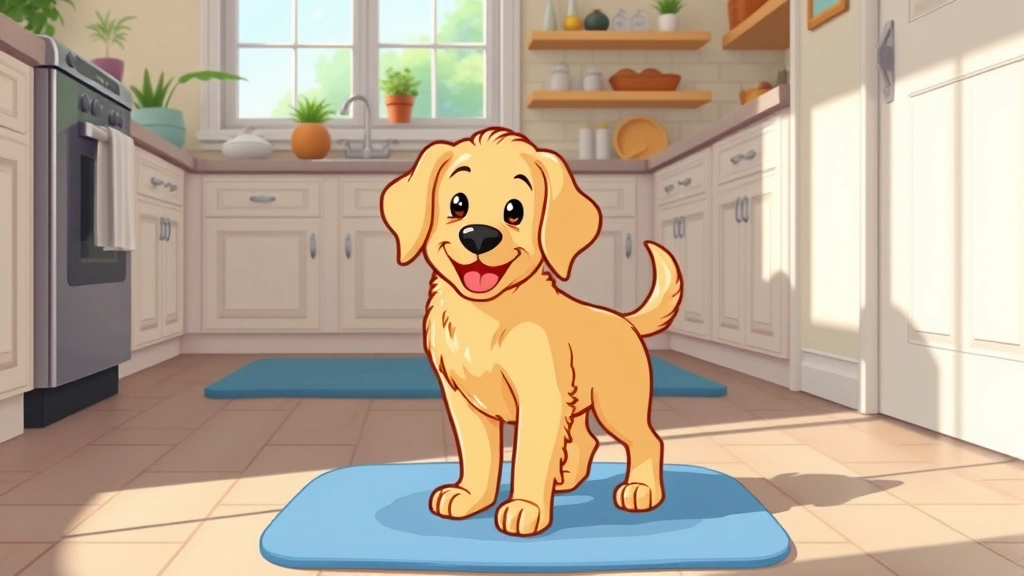
Let’s be real: accidents happen. Whether you’re potty training a puppy, managing an older dog with incontinence, or dealing with a senior who can’t hold it through the night, dog pee pads are a practical tool that can save your floors, your sanity, and your relationship with your pet. But here’s what most people get wrong—they think pee pads are a Band-Aid solution. They’re not. When used correctly, dog pee pads are part of a smarter training strategy that actually works.
This guide walks you through everything you need to know about selecting, using, and maximizing dog pee pads for your specific situation. We’ll cover the science behind why they work, when they’re actually helpful (and when they might backfire), and how to integrate them into a real training plan that gets results.
What Are Dog Pee Pads & Why They Matter
Dog pee pads are absorbent mats designed to catch urine (and sometimes feces) before it hits your hardwood, tile, or carpet. Most are made with multiple layers: a waterproof backing, an absorbent middle layer, and a top surface that draws moisture away. Some are disposable (you toss them after use), while others are washable and reusable.
The real value of dog pee pads isn’t that they’re a long-term solution—it’s that they buy you time and reduce stress during critical training windows. Think of them like training wheels on a bike. You’re not supposed to ride with them forever, but they make learning possible without constant crashes.
Here’s why they actually matter:
- For puppies: Their bladders are tiny (about the size of a pea at 8 weeks old). They literally cannot hold it for more than a few hours. Pee pads prevent your entire house from becoming a bathroom while their bladder develops.
- For seniors: Older dogs often develop incontinence or cognitive dysfunction. A pad isn’t punishment—it’s dignity. It lets them live in your home without shame or constant cleanup battles.
- For medical situations: Dogs recovering from surgery, or those with UTIs or other urinary issues, benefit from easy access to a designated spot.
- For apartment living: Not everyone has instant yard access. Pee pads bridge the gap during bad weather or when you’re stuck at work.
Types of Dog Pee Pads Explained
Not all pee pads are created equal. Here’s what’s actually out there:
Disposable Pee Pads (Standard)
The most common option. You use them once, toss them. Brands like Puppy Pads and Wee-Wee Pads dominate this space. They’re convenient but add up cost-wise if you’re using multiple pads daily over months. A typical pack of 100 runs $20–40.
Washable & Reusable Pads
These are cloth or microfiber mats with waterproof backing. Higher upfront cost ($15–50 per pad), but they last years and are gentler on the environment. Some dogs prefer the feel of fabric over plastic. The downside? You’re doing laundry, and they can smell if not washed regularly.
Grass Pads (Fake Turf)
Made from synthetic grass over a drainage system. These mimic outdoor potty spots, which can actually help with the transition to real grass. They cost more ($30–80) but some trainers swear by them for bridging indoor-to-outdoor training. The catch: they need regular cleaning or they get nasty fast.
Scent-Attractant Pads
These have pheromones or scents that encourage dogs to use them. Helpful for stubborn learners, but they can also confuse dogs if the scent isn’t consistent. Read the fine print—some work better than others.
Training Pads with Adhesive Strips
These stick to your floor so the pad doesn’t slide around. Great for puppies who treat loose pads like toys. The adhesive usually holds for one use, then you replace the pad.
Using Pee Pads for Puppy Potty Training
This is where dog pee pads actually shine. A puppy’s bladder control develops gradually—they can’t hold it on command until around 4–6 months old, and reliable full-night control doesn’t come until 4–6 months minimum (sometimes longer).
The Reality Check: If you bring home an 8-week-old puppy and expect zero accidents, you’re setting yourself up for failure. Pee pads aren’t cheating; they’re acknowledging biology.
The Right Way to Use Pee Pads for Puppies
- Set up a designated potty zone. Choose one spot in your home (usually a bathroom, laundry room, or kitchen corner). Puppies actually prefer consistency—they like having a “bathroom.” Place 2–3 pee pads in that spot, overlapping slightly.
- Confine your puppy when unsupervised. Use a playpen or crate. Puppies instinctively avoid soiling their sleeping area. When you can’t watch them, they should be confined to a small space with a pee pad nearby. This teaches bladder control faster than free roaming.
- Take them out frequently. Every 2 hours during the day, after meals, after play, and before bed. When they go outside, celebrate like they won the lottery. High-value treats, praise, the works. This teaches them that outside is the premium potty spot.
- Catch successes on the pad. When they use the pad, don’t make a huge deal (that can actually reinforce pad use as the goal). Instead, immediately take them outside to finish, then celebrate outside. This trains their brain: “Pad means it’s time to go outside.”
- Never punish accidents. Seriously. Punishment teaches fear, not control. If you catch them mid-accident, calmly interrupt, take them out, and reward if they finish outside. If you find an accident after the fact, clean it up with enzymatic cleaner (this is important—see below) and move on.
Critical Detail: Enzymatic Cleaners
This is non-negotiable. Regular cleaners don’t remove the urine scent—they just mask it. Dogs have 10,000–100,000 times better smell than humans. If they smell pee residue, they’ll keep using that spot. Enzymatic cleaners break down uric acid. Brands like Nature’s Miracle or Rocco & Roxie actually work. Spray it on, let it sit 10 minutes, wipe clean.
If you don’t use enzymatic cleaner, you’re basically inviting your puppy to keep peeing in the same spot. It’s the #1 reason people think their puppy is “not getting it” when really they’re just following their nose.
The Timeline
Most puppies are reliably housetrained by 4–6 months if you’re consistent. Some breeds (looking at you, Chihuahuas and terriers) take longer. By 6 months, you should be seeing 80%+ success with outdoor trips. By 12 months, most puppies are ready to graduate from pee pads entirely.
Pee Pads for Senior Dogs & Incontinence
This is where pee pads transform from a training tool into a quality-of-life tool. Senior dogs aren’t being stubborn—they’re dealing with age-related changes that are completely out of their control.
Common issues in older dogs:
- Incontinence: Loss of bladder control, often during sleep. This isn’t behavioral; it’s physiological. Muscles weaken, hormones shift. It happens.
- Cognitive dysfunction: Older dogs sometimes forget their housetraining. They may not remember where the door is, or they may lose the ability to “hold it” until they get there.
- Medical conditions: UTIs, kidney disease, and diabetes all increase urination. A dog with undiagnosed diabetes might be drinking three times as much water and peeing constantly. That’s not a training failure—that’s a health issue.
For senior dogs, pee pads aren’t a band-aid; they’re a compassionate choice. A 14-year-old dog who’s losing bladder control isn’t “regressing.” They’re aging. Pee pads let them stay in your home with dignity instead of being relegated to a garage or yard.
Setup for Seniors
- Place pads in high-traffic areas where your senior naturally spends time (bedroom, living room, near their bed).
- Use washable pads if possible—they’re more comfortable for dogs who spend time lying on them.
- Consider a pad with higher absorbency. Senior incontinence can be heavier than puppy accidents.
- Change pads frequently to prevent skin irritation and infection.
- Talk to your vet. Excessive drinking and urination can signal serious conditions that are actually treatable.
If your senior dog suddenly starts having accidents after years of being housetrained, don’t assume it’s behavioral. Schedule a vet visit first. UTIs, thyroid issues, and Cushing’s disease can all cause sudden incontinence.
Smart Placement & Setup Strategies
Where you put the pee pad matters way more than most people realize. Bad placement sabotages training; smart placement accelerates it.
For Puppies
Put pads in a location that’s:
- Easy for the puppy to access quickly (not upstairs if they sleep downstairs)
- Away from their food and water bowls (dogs naturally avoid soiling near eating areas)
- In a low-traffic area where you’re not tempted to scold them for using it
- Ideally, on a tile or laminate floor (easier to clean if they miss)
Pro tip: If you live in a multi-story home, put pads on each level during early training. A puppy with a full bladder can’t make it downstairs in time. Once they’re older and more reliable, consolidate to one location.
For Seniors
Place pads:
- Near where they sleep (incontinence often happens at night)
- Near the back door or wherever they usually go out
- In any room where they spend extended time
- Along pathways they use frequently
Think about your senior’s mobility too. If they have arthritis, the pad should be on the same floor as their sleeping area. Don’t make them navigate stairs to use the bathroom.
The Transition Zone Strategy
Here’s a pro move: gradually move the pad toward the door over weeks. Move it a few feet every 3–5 days. This trains your puppy to associate the pad location with “bathroom time,” then gradually teaches them that the bathroom is outside. By the time the pad reaches the door, they’re already primed to go out.
Common Mistakes That Sabotage Training
Mistake #1: Using Pee Pads as a Permanent Solution
This is the biggest one. Pee pads are a training tool, not an end state. If your 2-year-old dog is still relying on pads, you’ve either given up on training or there’s an underlying issue (medical or behavioral) that needs attention. Some dogs develop a preference for pads and actively resist going outside. That’s a training failure, not a pad failure.
Mistake #2: Punishing Pad Accidents
If your puppy has an accident off the pad, yelling or rubbing their nose in it teaches them to fear you, not to use the pad. It backfires. They’ll sneak away to pee in closets to avoid your anger. Use enzymatic cleaner, stay calm, and move forward.
Mistake #3: Inconsistent Cleanup
Dirty, wet pads are disgusting. Dogs won’t use them. If you’re leaving a pad down for 8+ hours without changing it, you’re setting your dog up to fail. Replace pads regularly, especially during initial training.
Mistake #4: Too Many Pads in Too Many Places
Some people scatter pads all over the house. This teaches your dog that the entire house is a bathroom. Stick to one designated zone until they’re reliably trained, then gradually reduce pad locations.
Mistake #5: Ignoring Medical Red Flags
If your housetrained dog suddenly starts having accidents, or if your puppy is having way more accidents than expected, see a vet. Sudden changes in bathroom habits can signal UTIs, incontinence, or behavioral issues. Don’t just add more pads and hope it goes away.
Transitioning Away From Pee Pads
The goal is always to move beyond pee pads. Here’s how to do it without backsliding.
The Gradual Reduction Method
- Once your puppy is reliably using the pad (hitting it 90%+ of the time for 2–3 weeks), start reducing pad size. Cut the pad in half, then quarters. This teaches them to aim for a smaller target.
- After 1–2 weeks of success with a smaller pad, remove the pad entirely and replace it with a small mat or marker. This is the “transition object.”
- Move the transition object closer to the door over 1–2 weeks.
- Once it’s at the door, remove it. Your puppy should now be trained to go outside.
The Outdoor Reinforcement Method
This is critical: every outdoor potty trip should be rewarded more enthusiastically than pad use ever was. High-value treats, praise, play—make outside the best place to pee. After a few weeks of this, most puppies naturally prefer outside.
The Timing Factor
Don’t rush the transition. A puppy trained on pads at 12 weeks should be ready to transition around 4–5 months old. Trying to rush it earlier usually results in regression. Patience here saves frustration later.
Watch for Setbacks
Moving to a new house, new family member, or major life change can trigger regression. If your previously trained dog starts having accidents, go back to pads temporarily without shame. It’s a tool, not a failure. Once things settle, transition again.
When Accidents Signal Bigger Health Issues
This is crucial: not all accidents are training failures. Sometimes they’re your dog’s way of telling you something’s wrong medically.
Red Flags That Warrant a Vet Visit
- Sudden change in a housetrained dog: If your 3-year-old dog who’s been perfect for two years suddenly starts having accidents, something changed. UTI, incontinence, diabetes, kidney disease—these are real possibilities.
- Excessive urination: If your puppy is peeing way more than expected, or if your adult dog is suddenly going out constantly, see a vet. Excessive thirst and urination can indicate diabetes, Cushing’s disease, or kidney issues.
- Straining or signs of pain: If your dog seems uncomfortable when urinating, or if there’s blood in the urine, that’s an emergency. Don’t assume it’s a training issue.
- Nighttime incontinence in young dogs: Puppies under 4 months having nighttime accidents is normal. But if a 6-month-old puppy is still soaking through diapers every night, mention it to your vet. There are rare conditions that can cause this.
- Behavioral changes alongside accidents: Increased anxiety, aggression, or lethargy combined with accidents suggests something systemic is going on.
Common Medical Causes of Accidents
Urinary Tract Infections (UTIs): Dogs with UTIs have an urgent, almost uncontrollable need to pee. They may have accidents despite trying not to. UTI symptoms include frequent urination, straining, and sometimes blood in urine. A simple urine culture can diagnose this, and antibiotics clear it up.
Incontinence (Spay Incontinence): Some spayed dogs develop hormone-responsive incontinence, especially as they age. It’s treatable with medication. Not a training issue—a medical one.
Diabetes: Diabetic dogs drink excessively and urinate constantly. If your dog is going through water and peeing non-stop, get bloodwork done immediately.
Cognitive Dysfunction: Senior dogs with cognitive issues may forget their training or lose the ability to signal that they need to go out. This is age-related, not behavioral, and there are medications that can help.
The bottom line: if accidents don’t improve with consistent training and appropriate pee pad use, or if they appear suddenly, involve your vet before assuming it’s a training failure.
Frequently Asked Questions
Are dog pee pads bad for potty training?
– Not if used correctly. Pee pads are a tool, not a crutch. The problem happens when people use them as a permanent solution instead of a temporary training aid. If you’re using pads at 18 months with no plan to transition, yes, that’s counterproductive. But for puppies under 4–5 months, or for seniors with incontinence, pee pads are practical and necessary. The key is having a clear transition plan.
How often should I change dog pee pads?
– For puppies in active training, change pads after every use or at least 2–3 times daily. For seniors with incontinence, change them when they’re visibly soaked or at least twice daily. Leaving a wet pad down for hours teaches dogs to sit in their own waste and can lead to skin infections or UTIs. Fresh pads also encourage consistent use.
Can I use regular puppy pads or do I need a specific brand?
– Most disposable pee pads work similarly. Puppy Pads, Wee-Wee Pads, and store brands all have the same basic structure. The main differences are size, absorbency, and scent. For puppies, standard pads work fine. For senior dogs with heavier incontinence, look for pads labeled “high absorbency” or consider washable options. Don’t overpay for a brand name if a generic pad does the job.
What’s the best way to clean up pee pad accidents?
– Use an enzymatic cleaner. This is non-negotiable. Products like Nature’s Miracle break down uric acid, which regular cleaners don’t. Spray it on the affected area, let it sit 10–15 minutes, then wipe clean. If you don’t use enzymatic cleaner, your dog will smell residual urine and keep using that spot. This is the #1 reason people think their dog isn’t learning when really the cleanup method is failing them.
Can older dogs be retrained away from pee pads?
– It depends on why they’re using pads. If it’s due to medical incontinence or cognitive dysfunction, probably not—and that’s okay. The goal shifts from training to quality of life. If an older dog is using pads due to habit or access issues, sometimes retraining works, but it takes patience and consistency. Talk to your vet first to rule out medical causes.
Do scent-attractant pads actually work?
– They can help, especially for stubborn learners or dogs who seem indifferent to pads. The pheromones encourage use. However, they’re not a magic fix. Consistent training, appropriate placement, and frequent changes matter more. If you’re using scent pads, make sure the scent is consistent—switching brands or products can confuse your dog.

Is it normal for my 3-month-old puppy to have multiple accidents daily?
– Completely normal. At 3 months, puppies can hold it for about 3–4 hours maximum. If you’re leaving them alone for longer, accidents are inevitable. Their bladder is literally too small to hold more. Expect frequent accidents until 4–5 months old. This is why pee pads exist. If you’re frustrated, remember: this is a temporary phase, not a reflection of your puppy’s intelligence or your training ability.
Should I use pads at night or just during the day?
– For puppies, nighttime pads are normal until about 4–6 months old. Many puppies can’t hold it all night until 5–6 months. For seniors, nighttime pads are often permanent due to incontinence. During the day, once your puppy is reliably using pads and going outside, you can often skip the pad during waking hours if you’re home and can supervise. The goal is outdoor success during the day and pad use at night until bladder control develops.





