
Let’s be real: dog pooping is one of those topics nobody wants to discuss at dinner, but every dog owner deals with it multiple times a day. Whether your pup is struggling to go, going too much, or leaving surprises in places that make you cringe, understanding your dog’s bathroom habits is crucial for their health and your sanity. This guide covers everything from normal dog pooping patterns to troubleshooting common issues and keeping your yard clean.
What’s Normal Dog Pooping?
Here’s the baseline: most healthy adult dogs poop once or twice daily. Puppies? They can go 4–8 times a day depending on age and feeding schedule. Senior dogs sometimes poop less frequently due to slower digestion. The consistency matters just as much as frequency—you’re looking for firm, well-formed stools that hold together but aren’t rock-hard.
Normal dog pooping should take just a few minutes. Your dog shouldn’t be straining, circling endlessly, or showing signs of discomfort. If your pup is squatting and producing stool without drama, that’s the gold standard.
The color should be brown. If you’re seeing red, black, pale, or clay-colored stools, that’s your signal to contact your vet. According to the American Kennel Club, monitoring stool appearance is one of the easiest ways to catch health issues early.
Pro Tip: Keep a mental note (or actual notes on your phone) of your dog’s pooping schedule for the first week. This baseline helps you spot changes immediately.
How Diet Affects Dog Pooping
What goes in determines what comes out. This isn’t complicated—it’s physics. High-quality dog food with appropriate fiber content produces firm, manageable stools. Low-quality kibble loaded with fillers often results in loose stools and more frequent pooping.
If your dog is pooping excessively or producing soft stools, the first place to look is the food bowl. Many commercial dog foods contain corn, wheat, and soy—cheap fillers that dogs struggle to digest. Switching to a food with named meat sources and limited fillers often solves the problem within a few days.
Fiber is your friend here. Foods with moderate fiber help regulate digestion, but too much fiber can actually cause loose stools in some dogs. It’s a balance. What to Feed a Dog Diarrhea provides specific recommendations when your dog’s stools are soft or watery.
People food is another culprit. Table scraps, especially fatty or spicy foods, can trigger loose dog pooping within hours. Dairy, chocolate, grapes, and onions are outright toxic and dangerous. Even “safe” human foods like pumpkin or sweet potato can cause issues if given in large quantities.
- Best foods for firm stools: High-quality kibble with chicken, beef, or fish as the first ingredient; limited grains; moderate fat content (8–15%)
- Foods to avoid: Corn, wheat gluten, excessive fillers, table scraps, dairy (for most adult dogs), fatty meats
- Transition rule: Switch foods gradually over 7–10 days to avoid digestive upset
Hydration matters too. A dog that doesn’t drink enough water can become constipated. Conversely, excessive water intake (or drinking too fast) can contribute to loose stools. Most dogs need about 1 ounce of water per pound of body weight daily, but this varies with activity level and climate.
When Dog Pooping Signals Health Problems
Dog pooping changes are often the first sign something’s off. Your vet will ask about stool consistency and frequency before anything else—it’s that important.
Constipation: If your dog is straining, hasn’t pooped in 24+ hours, or is producing tiny, hard stools, constipation is the issue. How Do You Know If Your Dog Is Constipated breaks down the signs and solutions. Common causes include dehydration, low-fiber diet, or blockages. Older dogs are more prone to constipation.
Diarrhea: Loose or watery dog pooping can stem from dietary changes, food sensitivities, stress, or infections. Mild cases often resolve within 24 hours, but persistent diarrhea needs attention. What to Feed a Dog Diarrhea offers feeding strategies to help your dog recover.
Parasites: Worms, giardia, and other parasites are incredibly common in dogs and directly affect dog pooping. You might see worms in the stool, mucus, or blood. How Can You Tell If a Dog Has Worms details the signs and what to expect from treatment. Puppies and dogs without regular parasite prevention are at highest risk.
Anal gland issues: If your dog is scooting their butt across the floor, the anal glands are likely impacted or infected. Why Does a Dog Drag Its Bum explains what’s happening and when to see your vet. This is uncomfortable and can escalate quickly.
Inflammatory bowel disease (IBD): Chronic diarrhea or loose dog pooping that doesn’t respond to diet changes might indicate IBD. This requires diagnosis and ongoing management with your vet.
Pancreatitis: Inflammation of the pancreas often causes loose, greasy stools and is triggered by fatty foods. This is painful and potentially serious.
Safety Warning: If your dog’s stool contains blood, mucus, or parasites, or if they’re vomiting alongside diarrhea, don’t wait. Call your vet immediately. These aren’t wait-and-see situations.
Training and Managing Dog Pooping Habits
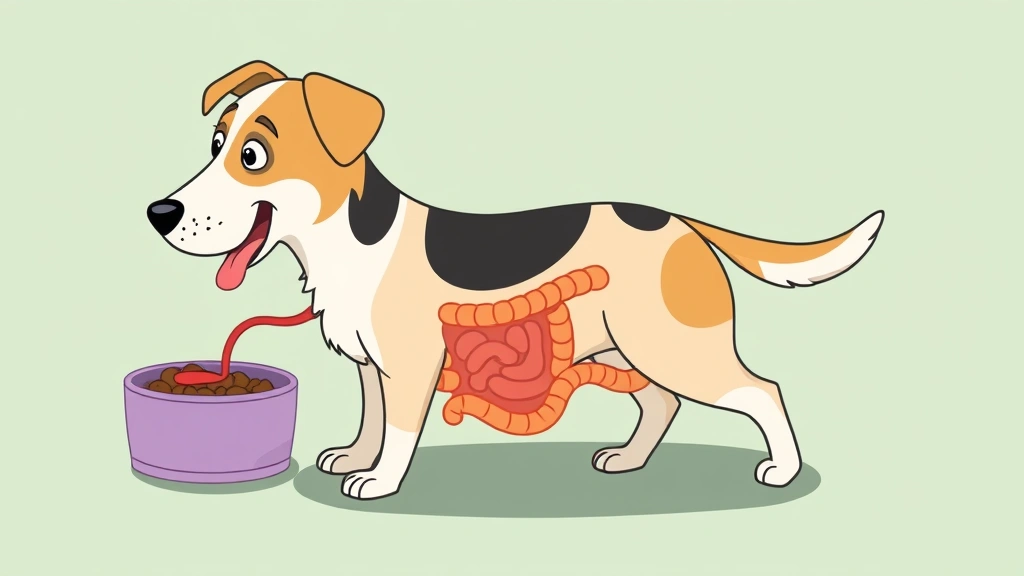
Establishing a routine is the foundation of good bathroom habits. Dogs are creatures of habit—they thrive on predictability. Most dogs need to poop within 30 minutes of eating, after play, and before bed.
Puppies: Young dogs have zero bladder and bowel control. You need to take them out frequently—after meals, naps, play, and every 2–3 hours during the day. Puppies typically can “hold it” for one hour per month of age (so a 3-month-old can manage 3 hours max). Expect frequent dog pooping during this phase.
Adult dogs: Once housebroken, most adults can hold it for 8–10 hours, but that doesn’t mean they should. Aim for 3–4 potty breaks daily. The more consistent your schedule, the more predictable your dog’s pooping becomes.
Outdoor routine: Take your dog to the same spot in the yard each time. The smell of previous poop triggers the urge to go. This is why dogs circle before pooping—they’re finding the right spot and getting their body positioned.
Crate training: Dogs instinctively avoid pooping where they sleep. A properly-sized crate (big enough to stand and turn, but not huge) teaches bladder control naturally. This is one of the most effective housebreaking tools available.
Positive reinforcement: Praise and reward immediately after your dog poops in the designated spot. Treats, excited praise, a quick play session—whatever motivates your dog. Never punish accidents; this creates anxiety and actually makes housebreaking harder.
Medication: Some dogs benefit from stool softeners or fiber supplements if they’re struggling with consistency. Can I Give My Dog Pepto Bismol for Diarrhea covers over-the-counter options, though always check with your vet before giving anything new.
- Establish a fixed feeding schedule (same times daily)
- Take your dog out immediately after meals
- Use the same outdoor spot for dog pooping
- Reward successful bathroom trips with praise or treats
- Never punish accidents—it backfires
- Keep a consistent daily routine
Keeping Your Yard Clean
Dog pooping cleanup isn’t glamorous, but it’s essential for hygiene and yard health. Leaving poop in your yard creates bacteria, parasites, and an unpleasant environment for everyone.
Daily cleanup: Pick up poop daily using a waste bag or pooper scooper. This prevents buildup and reduces parasite transmission. Tie the bag and dispose of it in the trash—never flush dog poop down the toilet, as it can contain parasites that water treatment doesn’t eliminate.
Designated potty area: If possible, train your dog to use a specific section of the yard for dog pooping. This concentrates cleanup efforts and prevents your entire yard from becoming a minefield. Mulch or gravel areas work well for this.
Yard sanitation: Once weekly, spray the potty area with a pet-safe disinfectant. This reduces parasite load and odor. Enzyme-based cleaners are particularly effective for breaking down organic matter.
Odor control: Baking soda sprinkled in the potty area absorbs odor naturally. Some owners use lime (agricultural lime, not the fruit), which helps dry out moisture and kills some bacteria. Follow product instructions carefully—some products aren’t safe for dogs.
Grass damage: Dog urine causes brown patches in grass due to nitrogen concentration. Dog pooping itself doesn’t usually damage grass, but the urine does. Watering the area after your dog pees helps dilute the urine and reduce damage. Some grass types are more urine-resistant than others.
Septic systems: If you have a septic system, never flush dog poop. It can disrupt the bacterial balance and cause expensive problems. Always use the trash.
Pro Tip: Keep a small trash can with a lid in your yard specifically for dog waste. This keeps things organized and prevents wildlife from scavenging.
Red Flags That Need Vet Attention
Not all dog pooping changes are minor. Some warrant immediate veterinary care. Know the difference between “call tomorrow” and “go to the emergency vet now.”
Call your vet immediately if:
- Your dog hasn’t pooped in 48+ hours and is showing abdominal pain or lethargy
- Stool contains blood or mucus and your dog is vomiting
- Your dog is straining severely and producing nothing (possible obstruction)
- You see parasites or worm segments in the stool
- Diarrhea is accompanied by fever, lethargy, or loss of appetite
- Your dog is a puppy with diarrhea (dehydration risk is high)
- Senior dog with sudden constipation (could indicate serious issues)
- Stool is black and tarry (possible internal bleeding)
Call within 24 hours if:
- Mild diarrhea lasting more than 24 hours
- Mild constipation (not pooping for 24 hours but otherwise normal)
- Soft stools with a diet change (may resolve on its own)
- Occasional mucus in stool without other symptoms
Your vet will likely ask about recent diet changes, treats, potential foreign object ingestion, medication changes, stress levels, and travel history. Have this information ready.
Prevention and Long-Term Solutions
The best medicine is prevention. Healthy dog pooping starts with smart choices before problems develop.
Quality nutrition: Invest in high-quality dog food. Yes, it costs more upfront, but you’ll spend less on vet bills for digestive issues. Look for foods with named meat sources and minimal fillers. Can Dogs Eat Corn explains why corn-based diets are problematic for many dogs.
Parasite prevention: Keep your dog on year-round parasite prevention. This includes heartworm, fleas, ticks, and intestinal parasites. Ask your vet about the best option for your dog’s lifestyle and region.
Regular exercise: Physical activity stimulates healthy digestion. Dogs that exercise regularly tend to have more predictable, healthier dog pooping patterns. Aim for 30 minutes to 2 hours daily depending on your dog’s age and breed.
Hydration: Fresh water available at all times. Some dogs drink more when you use a water fountain—the moving water appeals to them. Proper hydration prevents constipation and supports overall health.
Stress management: Anxiety and stress directly impact digestion. Changes in routine, new pets, or household chaos can trigger diarrhea or constipation. Provide a safe space, maintain routine, and use calming strategies (exercise, puzzle toys, training) to manage stress.
Routine vet checkups: Annual exams (or twice yearly for senior dogs) catch issues early. Your vet can assess your dog’s overall digestive health and make recommendations based on breed, age, and individual needs.
Avoid people food: This is non-negotiable. Stick to dog food and dog treats. If you want to give something special, stick to plain cooked chicken, carrots, or pumpkin—and keep portions tiny.
Dental health: Poor dental health can affect digestion. Regular brushing and professional cleanings support overall health, including digestive function.
According to PetMD’s digestive health resources, most digestive issues in dogs are preventable through proper diet, exercise, and parasite control.
Frequently Asked Questions
How many times a day should a healthy dog poop?
– Most healthy adult dogs poop once or twice daily. Puppies go 4–8 times daily depending on age. Senior dogs might go once daily. The key is consistency—if your dog’s pattern suddenly changes, that’s worth investigating.
Why is my dog’s poop soft but not diarrhea?
– Soft, unformed stools (but not watery) often indicate a diet issue, mild food sensitivity, or early digestive upset. Try a bland diet (boiled chicken and rice) for 24 hours. If it persists beyond 3 days, contact your vet. This could also be early-stage diarrhea.
Is it normal for dogs to poop at night?
– Occasional nighttime pooping is normal, especially if your dog didn’t get a potty break before bed. If it’s happening regularly, increase evening potty breaks and check for constipation or diarrhea. Nighttime accidents in a housebroken dog signal a problem.
Can I give my dog laxatives for constipation?
– Never give over-the-counter laxatives without vet approval. Some are safe, others aren’t. Miralax (polyethylene glycol) is commonly used under vet guidance, but dosage matters. Contact your vet before giving anything.
What should I do if my dog eats their own poop?
– This behavior (coprophagia) is gross but common, especially in puppies. Ensure your dog isn’t deficient in nutrients, isn’t bored, and gets immediate cleanup after pooping. Some dogs outgrow it naturally. If it persists past puppyhood, mention it to your vet—it can signal nutritional issues or parasites.
Is blood in dog poop always serious?
– Not always, but it needs attention. Bright red blood usually indicates a lower digestive tract issue like anal fissures or hemorrhoids. Dark, tarry stools indicate upper digestive bleeding, which is more serious. Either way, contact your vet within 24 hours. If there’s a lot of blood or your dog is lethargic, go immediately.
How long does it take to housebreak a puppy?
– Most puppies can be reliably housebroken by 4–6 months with consistent training. Some take longer. Puppies don’t have full bladder control until 4–6 months old, so accidents are expected. Patience and consistency are key.
Can stress cause diarrhea in dogs?
– Absolutely. Stress-induced diarrhea is common in dogs. Changes in routine, travel, new pets, or household chaos can trigger loose stools. Once the stressor is removed, most dogs return to normal within a few days. If diarrhea persists, other causes need investigation.
What’s the best way to clean up after my dog poops?
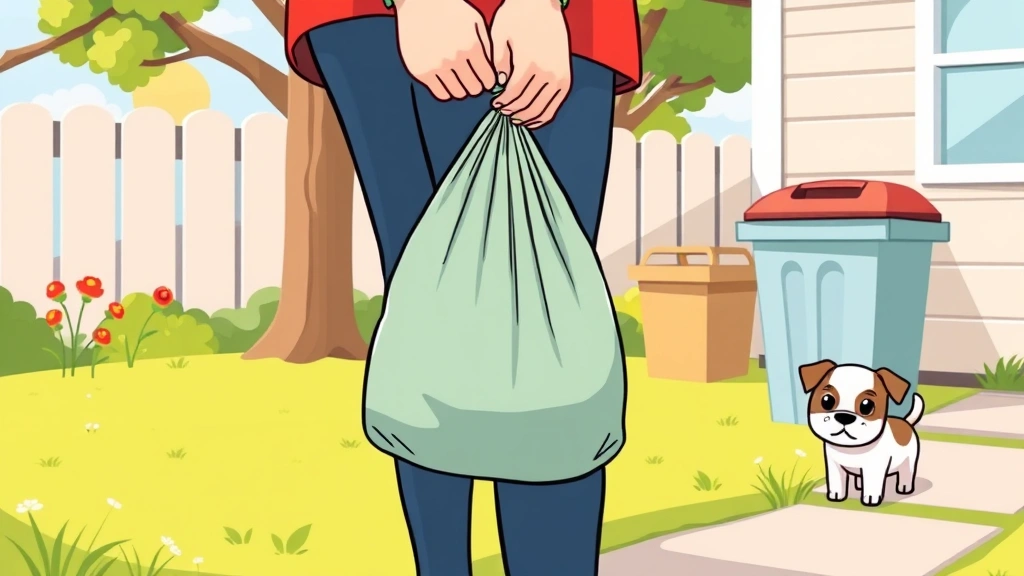
– Use a poop bag or pooper scooper. Pick up immediately after your dog finishes. Dispose of in the trash (never flush). Spray the area with a pet-safe disinfectant weekly. This prevents parasite spread and reduces odor.
Should I be concerned if my dog poops less frequently as they age?
– Slightly less frequent pooping is normal in senior dogs due to slower metabolism. However, sudden changes warrant a vet visit. Constipation is common in older dogs and may indicate dehydration, medication side effects, or other issues.





