
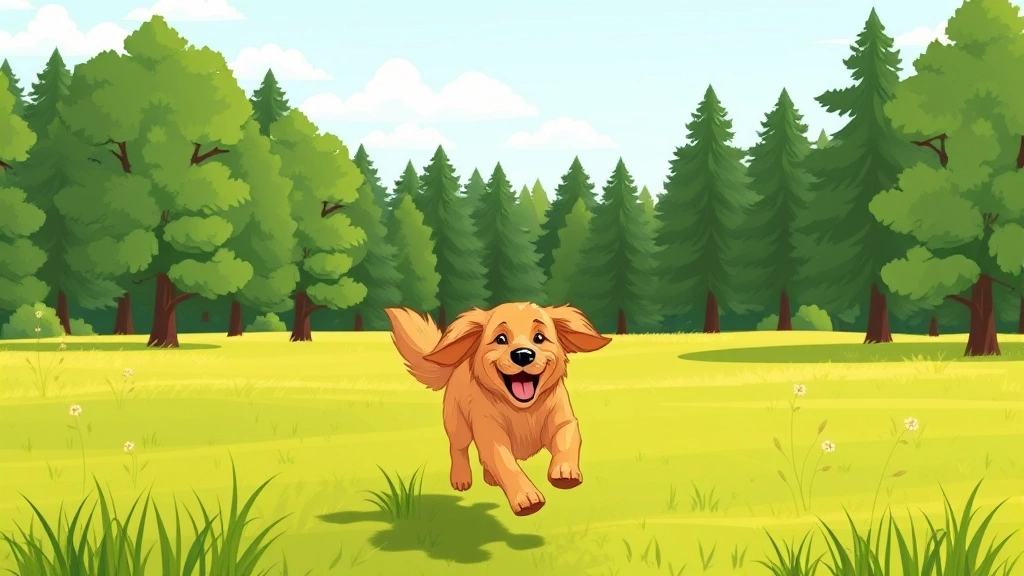
Dog running is one of the most effective ways to keep your canine companion healthy, happy, and mentally stimulated. Whether you have a high-energy Border Collie or a spirited mixed breed, understanding how to optimize your dog’s running routine can dramatically improve their physical fitness, behavioral health, and overall quality of life. This comprehensive guide explores evidence-based strategies to ensure your dog runs safely and reaches peak performance levels.
Understanding Your Dog’s Running Capabilities and Breed-Specific Needs
Before diving into a dog running program, it’s essential to understand that different breeds have vastly different running capacities. Some dogs are bred for endurance and speed, while others are better suited for shorter, moderate-intensity activities. Large breed dogs like Labrador Retrievers and Golden Retrievers typically excel at distance running, while brachycephalic breeds like Bulldogs and Pugs should engage in shorter, cooler-weather sessions to prevent overheating and respiratory distress.
Your dog’s age significantly impacts their running ability. Puppies under 12-18 months should avoid high-impact running because their growth plates haven’t fully closed. Senior dogs may still enjoy running but require shorter distances and lower intensity. Understanding how long can dogs go without eating helps you plan proper nutrition around your dog running sessions for optimal energy levels.
Pre-Run Nutrition and Hydration for Peak Dog Running Performance
Proper nutrition is fundamental to successful dog running. Your dog needs adequate calories to fuel their activity, but timing matters significantly. Avoid feeding large meals immediately before running, as this can cause digestive upset or bloat—a potentially life-threatening condition. Instead, provide a light snack 1-2 hours before running, or schedule runs 3-4 hours after meals.
Hydration is equally critical during dog running activities. Always carry fresh water and offer your dog drinks every 15-20 minutes during longer runs. Dehydration can lead to heat exhaustion, kidney issues, and decreased performance. Post-run, continue providing water gradually rather than allowing your dog to gulp excessively, which can cause stomach distress. Understanding how long can dogs go without peeing helps you plan bathroom breaks during extended running sessions.
Building Endurance: Progressive Training for Dog Running Success
The foundation of any successful dog running program is gradual progression. Start with shorter distances—even 10-15 minutes for untrained dogs—and increase duration by no more than 10% weekly. This gradual approach prevents injury, builds cardiovascular fitness, and allows your dog’s muscles and joints to adapt properly.
Incorporate varied terrain into your dog running routine. Running on grass, dirt trails, and beach sand engages different muscle groups compared to pavement. Pavement running, while convenient, creates more impact on joints, so balance it with softer surfaces. Interval training—alternating between faster and slower paces—improves cardiovascular fitness and keeps your dog mentally engaged during runs.

Track your dog’s progress by noting distance, duration, pace, and how your dog feels afterward. A well-conditioned dog should return to normal breathing within 10-15 minutes post-run and show enthusiasm for subsequent runs. Excessive panting, limping, or reluctance to run indicates you’re pushing too hard.
Injury Prevention and Joint Health During Dog Running Activities
Joint health is paramount in dog running programs, particularly for large breeds prone to hip dysplasia and arthritis. Warm up your dog before running with 5-10 minutes of easy walking, which increases blood flow to muscles and prepares joints for activity. Similarly, cool down with gentle walking afterward to gradually lower heart rate and prevent blood pooling.
Watch for signs of discomfort during dog running: limping, reluctance to bear weight, or favoring one limb. These indicate potential injuries requiring veterinary attention. Consider adding joint-support supplements like glucosamine and omega-3 fatty acids, which research shows can improve joint health and reduce arthritis progression.
Paw care is often overlooked in dog running routines. Inspect your dog’s paws after runs for cuts, embedded debris, or cracked pads. In winter, protect paws from salt and ice; in summer, avoid running during peak heat on hot pavement that can burn sensitive paw pads. Why is my dog’s stomach making noises during or after running could indicate digestive stress, warranting dietary adjustments or veterinary consultation.
Weather Considerations and Seasonal Adjustments for Safe Dog Running
Temperature significantly impacts dog running safety. Heat is particularly dangerous, as dogs can’t regulate body temperature as efficiently as humans. Avoid running during peak heat hours (10 AM-4 PM in summer), and watch for heat exhaustion signs: excessive panting, drooling, weakness, or collapse. High humidity co
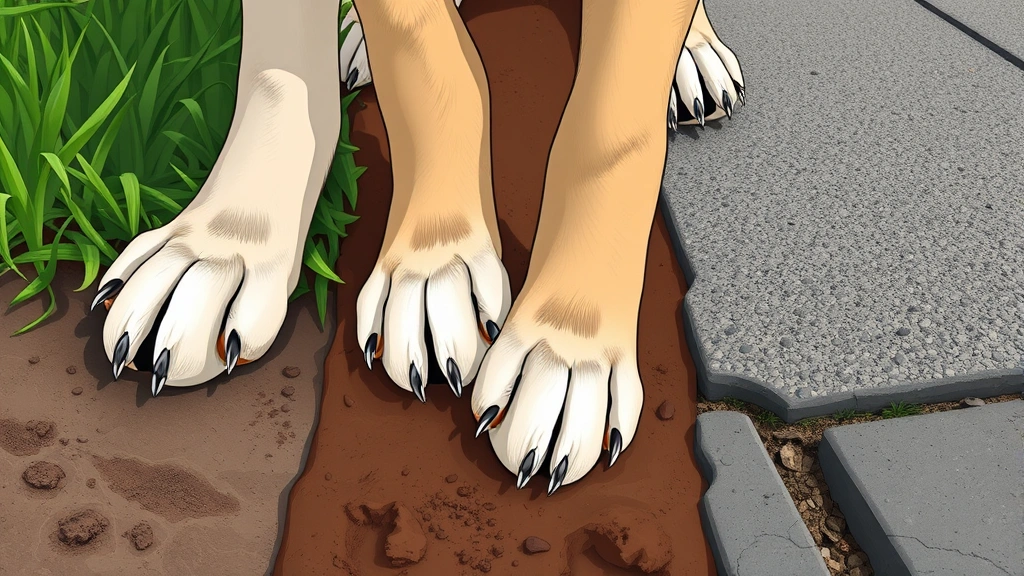
mpounds heat stress, so be especially cautious on humid days.
Cold weather running requires different precautions. Short-haired dogs may need protective clothing in freezing temperatures. Salt and ice-melting chemicals irritate paws, so rinse your dog’s paws after winter runs. Shorter sessions in cold weather prevent hypothermia, particularly in small breeds with less body mass.
Rain doesn’t typically harm dog running, but muddy conditions increase injury risk. Wet surfaces reduce traction, potentially causing slips or strains. After rainy runs, dry your dog thoroughly to prevent skin infections and discomfort.
Mental Stimulation and Behavioral Benefits of Regular Dog Running
Beyond physical fitness, dog running provides crucial mental stimulation that prevents behavioral problems. Dogs with insufficient exercise often develop destructive behaviors, excessive barking, and anxiety. Regular dog running outlets this pent-up energy constructively, resulting in calmer, better-behaved companions.
Vary your running routes to maintain mental engagement. Different environments provide novel scents, sights, and sounds that stimulate your dog’s brain. Running in new locations also builds confidence and improves socialization. Consider running with other dogs occasionally to provide social interaction, though ensure compatibility and supervise interactions carefully.
The human-canine bond strengthens through shared dog running experiences. This quality time together enhances trust, communication, and your dog’s responsiveness to commands. Dogs that run regularly w

ith their owners demonstrate improved focus and reduced anxiety.
Equipment and Gear Essentials for Optimal Dog Running Performance
Invest in quality equipment to enhance dog running safety and comfort. A properly fitted harness distributes pressure evenly and prevents neck strain, making it superior to collars for running dogs. Retractable leashes offer flexibility but can reduce control; fixed-length leashes (4-6 feet) provide better command response during runs.
Reflective gear becomes essential for early morning or evening dog running, improving visibility to vehicles. Consider a dog running backpack for longer outings, allowing your dog to carry water or supplies. Some dogs benefit from protective booties on rough terrain or in extreme weather.
GPS dog trackers provide peace of mind during off-leash running in secure areas, while smartwatch-style devices monitor your dog’s heart rate and activity levels—useful data for optimizing training intensity.
Recovery and Rest: Equally Important as Dog Running Activity
Rest days are crucial for dog running success. Muscles rebuild and strengthen during recovery periods, not during the run itself. Plan 1-2 rest days weekly, or alternate running days with lighter activities like leisurely walks. Overtraining without adequate recovery leads to injuries, burnout, and decreased enthusiasm.
Quality sleep supports recovery. Ensure your dog has a comfortable sleeping area and gets 12-14 hours of sleep daily (puppies and seniors need more). Sleep deprivation impairs athletic performance and increases injury risk.
Massage and stretching benefit dog running performance.
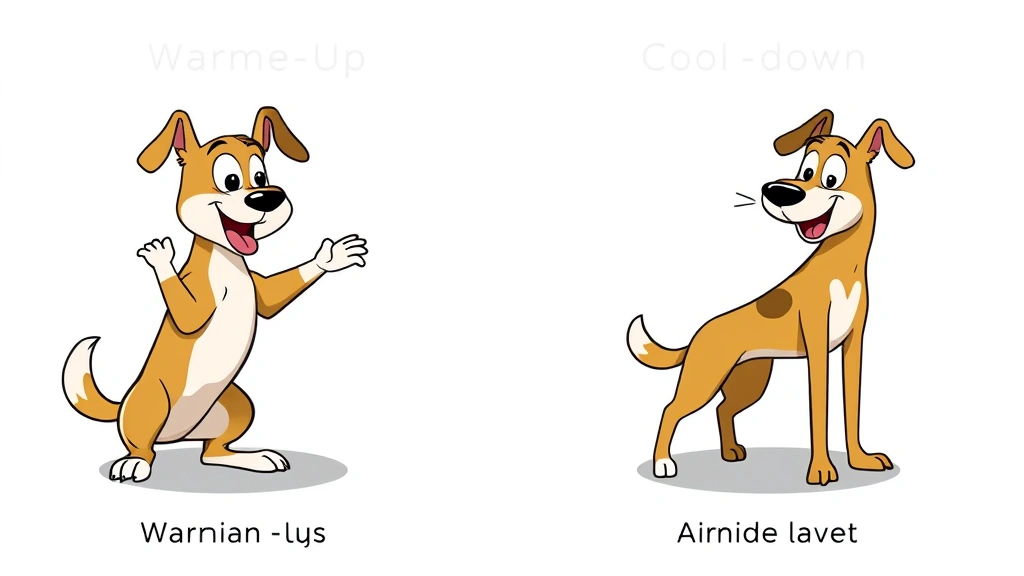
Gentle post-run massage improves circulation and identifies sore muscles early. While formal stretching is difficult with dogs, encouraging play in various positions naturally stretches different muscle groups. Why is my dog pooping so much could indicate overtraining stress or dietary issues requiring adjustment.
Health Screening and Veterinary Guidance for Dog Running Programs
Before starting an intensive dog running program, obtain veterinary clearance. Your vet can identify underlying health conditions that contraindicate running—heart disease, orthopedic issues, or respiratory problems. Puppies shouldn’t run long distances until growth plates close (12-18 months depending on breed); senior dogs need modified programs.
Regular veterinary check-ups monitor your dog’s running-related health. Annual exams should include joint assessments, particularly for large breeds. Discuss your dog running routine with your vet; they may recommend preventative supplements or modifications based on your dog’s individual health profile.
External authoritative resources like the American Kennel Club provide breed-specific exercise guidelines. PetMD offers comprehensive information on dog exercise and health, while veterinary schools and research institutions provide evidence-based training recommendations.
Nutrition Optimization for Dog Running Athletes
Dogs engaged in regular dog running require higher-quality nutrition than sedentary dogs. Look for dog foods with adequate protein
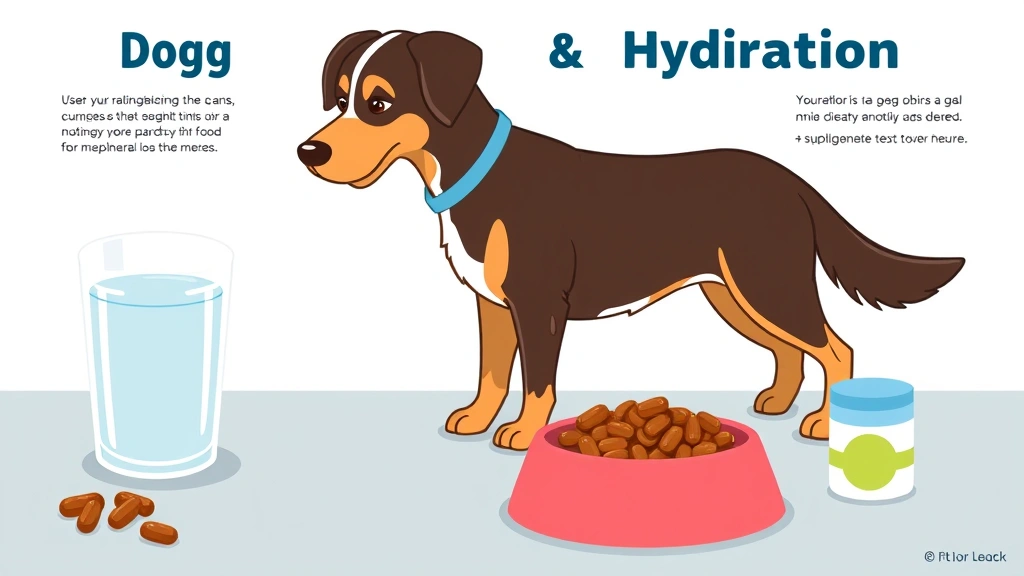
(25-30% for active dogs) to support muscle development and repair. Fat content should be appropriate for energy needs—active dogs may benefit from slightly higher fat percentages than couch potatoes.
Consider how many calories in a corn dog and similar treats when calculating daily caloric intake for your running dog. Treats shouldn’t exceed 10% of daily calories. Monitor body condition regularly; your dog should have visible ribs without excessive prominence, and a visible waist when viewed from above.
Omega-3 fatty acids from fish oil support joint health, reduce inflammation, and promote coat quality. Glucosamine and chondroitin supplements may benefit dogs with arthritis or joint concerns. Discuss supplementation with your veterinarian to ensure appropriateness for your individual dog.
Advanced Training Techniques for Competitive Dog Running
For owners interested in competitive activities, dog running provides excellent foundation training for canicross, dog racing, or agility competitions. Canicross involves running while tethered to your dog, combining the benefits of dog running with human exercise.
Hill training builds strength and power. Short hill repeats improve leg strength without excessive joint stress. Tempo runs—sustained runs at moderate intensity—develop aerobic capacity. Fartlek training (unstructured speed play) keeps dog running mentally engaging while building fitness.
Consider your dog’s natural running style. Some dogs are sprinters, excelling at shorter, faster distances, while others are distance runners with excellent endurance. Tailor your dog running program to your dog’s inherent abilities for best results and maximum enjoyment.
Frequently Asked Questions
How often should my dog go running?
Most adult dogs benefit from dog running 3-5 times weekly, with rest days in between. Puppies should avoid structured running until 12-18 months old. Senior dogs may run 2-3 times weekly with shorter distances. Individual needs vary based on breed, age, and fitness level—consult your veterinarian for personalized recommendations.
What’s the ideal distance for dog running?
Ideal dog running distance depends on breed, age, and fitness level. Untrained dogs should start with 1-2 miles, progressing gradually. Well-conditioned adult dogs can safely run 5-10+ miles, while some athletic breeds excel at marathon distances. Listen to your dog’s signals—reluctance or excessive fatigue indicate you’re pushing too hard.
Can puppies go dog running?
Puppies shouldn’t engage in structured dog running until growth plates close (12-18 months depending on breed). Before this, their bones are still developing and vulnerable to damage. Puppies benefit from free play and short, casual walks instead. After growth plate closure, gradually introduce dog running following progression guidelines.
What signs indicate my dog is overexerted during running?
Signs of overexertion include excessive panting that doesn’t resolve within 15 minutes post-run, reluctance to continue, limping, drooling excessively, or showing weakness. Heat exhaustion signs include pale gums, rapid heartbeat, or collapse. Stop running immediately if you notice these signs and consult your veterinarian.
Is dog running safe in hot weather?
Dog running in hot weather requires extreme caution. Avoid running when temperatures exceed 75-80°F, and never run during peak heat hours (10 AM-4 PM). Early morning or evening runs are safest. Watch constantly for heat exhaustion signs and provide frequent water breaks. Some breeds shouldn’t run in heat at all—consult your vet about breed-specific limitations.
Should I use a treadmill for dog running?
Treadmill dog running can supplement outdoor running during bad weather but shouldn’t replace it entirely. Outdoor running provides mental stimulation, varied terrain, and natural movement patterns that treadmills can’t replicate. If using a treadmill, introduce it gradually and supervise closely to prevent injuries from missteps.
Conclusion: Building a Sustainable Dog Running Lifestyle
Dog running represents a powerful investment in your canine companion’s health, happiness, and longevity. By implementing these five proven tips—understanding breed-specific needs, optimizing nutrition and hydration, building endurance progressively, preventing injuries, and adjusting for environmental factors—you’ll create a sustainable dog running program that your dog will love.
Remember that every dog is unique. What works perfectly for one dog may need modification for another. Pay close attention to your individual dog’s signals, maintain regular veterinary communication, and adjust your dog running routine as your dog ages and circumstances change.
The bond formed through regular dog running extends far beyond physical fitness. You’re creating memories, improving behavior, and potentially extending your dog’s lifespan through consistent, appropriate exercise. Start gradually, stay consistent, and enjoy the incredible journey of dog running with your four-legged friend.





