

Have you ever watched your dog’s leg kick frantically when you scratch that perfect spot on their belly? Or noticed them squirm and wiggle when you touch certain areas of their body? If so, you’ve likely wondered: are dogs really ticklish? This adorable behavior has fascinated dog owners for generations, leading many to believe their furry companions experience the same ticklish sensations we do.
The truth about canine ticklishness is both fascinating and complex. While dogs do exhibit behaviors that appear remarkably similar to our ticklish responses, the underlying mechanisms and experiences may be quite different from what humans feel. Understanding whether dogs are truly ticklish requires exploring their nervous system, behavioral responses, and the science behind those irresistible belly rub reactions that make our hearts melt.
Understanding Ticklishness in Animals
To determine whether dogs are ticklish, we must first understand what ticklishness actually means. In humans, ticklishness involves two distinct types: knismesis and gargalesis. Knismesis refers to the light, feather-like sensation that causes mild discomfort or itching, while gargalesis is the more intense tickling that produces laughter and the urge to escape.
The evolutionary purpose of ticklishness likely serves as a protective mechanism. Light touches on sensitive areas alert us to potential threats like insects or parasites, while the social aspect of tickling may help strengthen bonds between individuals. This protective function suggests that many animals, including dogs, might possess similar sensory responses.
Research from the National Center for Biotechnology Information indicates that various mammals demonstrate tickle-like responses, suggesting this trait evolved early in mammalian development. Dogs, sharing common ancestry with humans, likely inherited some form of this sensory mechanism.
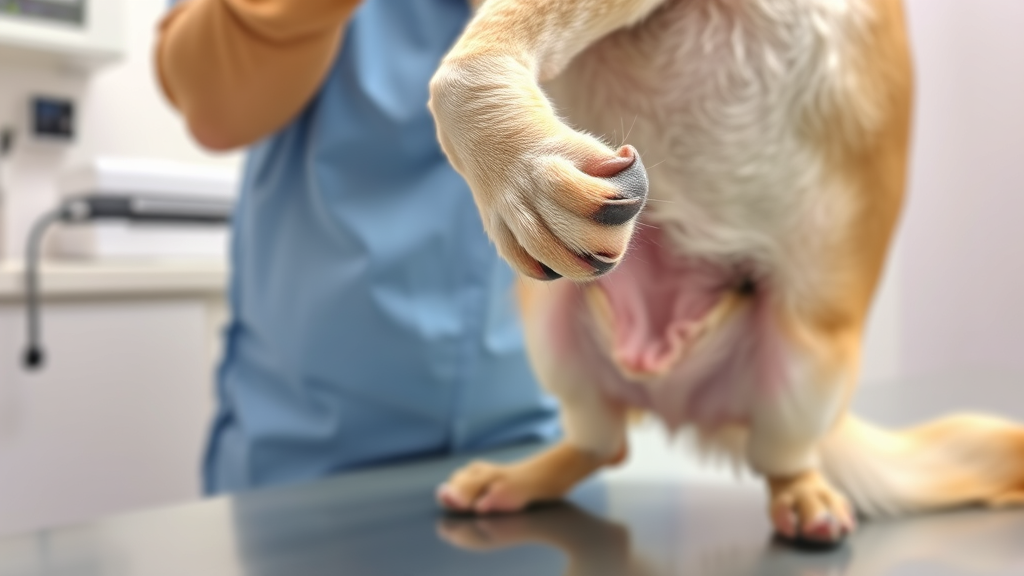
The Canine Nervous System and Sensory Response
Dogs possess a sophisticated nervous system that processes touch sensations through specialized receptors in their skin. These mechanoreceptors detect various types of pressure, vibration, and movement, sending signals to the brain for interpretation. The distribution of these receptors varies across different parts of a dog’s body, with some areas being significantly more sensitive than others.
The spinal cord plays a crucial role in processing these sensory inputs, often triggering reflexive responses before the brain fully processes the sensation. This explains why dogs can exhibit immediate physical reactions to touch, similar to how humans might automatically pull away from an unexpected tickle.
Interestingly, the areas where dogs show the strongest responses to touch often correlate with regions that would be vulnerable in the wild. The belly, sides, and legs contain numerous nerve endings that would alert a dog to potential threats or parasites, much like our own ticklish spots serve protective functions.
The Famous Scratch Reflex Explained
The most recognizable “ticklish” behavior in dogs is the scratch reflex, where a dog’s leg begins kicking when you scratch a particular spot. This involuntary response occurs when you stimulate specific nerve pathways that trigger an automatic scratching motion, designed to remove irritants from the skin.
This reflex is purely neurological and doesn’t necessarily indicate that the dog finds the sensation pleasurable or ticklish in the way humans experience it. The scratch reflex can be triggered even in anesthetized dogs, proving it’s an automatic spinal response rather than a conscious reaction to a ticklish feeling.
However, many dogs do seem to enjoy the sensation that triggers their scratch reflex, often leaning into the touch and showing signs of pleasure. This suggests that while the kicking motion is automatic, the overall experience may still be positive for the dog. Just as humans might enjoy certain types of tickling despite the involuntary nature of laughter, dogs may find these sensations pleasant even when they trigger reflexive responses.
Behavioral Signs That Suggest Ticklishness
Beyond the scratch reflex, dogs exhibit numerous behaviors that suggest they experience something analogous to ticklishness. Many dogs will wiggle, squirm, or playfully move away when touched in sensitive areas, only to return for more attention. This approach-avoidance behavior mirrors human responses to tickling.
Some dogs display what appears to be “tickle spots” where gentle touches consistently produce reactions. Common sensitive areas include the belly, armpits, behind the ears, and along the sides of the ribcage. Dogs may also show anticipatory responses, becoming excited or playful when their owners approach these areas.
Body language provides additional clues about a dog’s experience. Relaxed facial expressions, play bows, and continued engagement suggest the dog enjoys the sensation, while tense body posture, attempts to escape, or stress signals like excessive panting (similar to why dogs pant) indicate discomfort rather than pleasurable ticklishness.

Scientific Evidence and Research
Scientific research on canine ticklishness remains limited, but studies on related topics provide valuable insights. Research conducted by the American Psychological Association on animal emotions and sensory experiences suggests that mammals share many basic sensory processing mechanisms.
Neurological studies have identified similar brain regions in dogs and humans that process touch sensations and emotional responses. The presence of these shared neural pathways suggests that dogs may experience some form of the pleasant sensations associated with gentle touch, even if it differs from human ticklishness.
Behavioral research has documented that dogs can experience positive emotional states in response to physical contact with their owners. The release of oxytocin (the “bonding hormone”) during petting sessions indicates that dogs derive genuine pleasure from appropriate touch, which may include sensations we might classify as ticklish.
Some researchers argue that the social nature of ticklishness in humans—where we’re more ticklish when touched by others than when we touch ourselves—may also apply to dogs. This social component could explain why many dogs seem more responsive to their owners’ touch than to their own grooming behaviors.
Individual Differences in Canine Sensitivity
Just as humans vary in their ticklishness, dogs show remarkable individual differences in their sensitivity to touch. Age, breed, personality, and past experiences all influence how a dog responds to tactile stimulation. Puppies and young dogs often show more pronounced reactions to touch, possibly due to their developing nervous systems and higher general excitability.
Certain breeds appear more sensitive than others, though individual variation within breeds is significant. Dogs with thinner skin or less dense coats may show stronger responses to light touches, while heavily coated breeds might require more pressure to elicit reactions.
A dog’s relationship with their owner also affects their responses. Dogs who are well-socialized and comfortable with handling typically show more positive reactions to touch in sensitive areas. Conversely, dogs with negative experiences or inadequate socialization may find similar touches stressful rather than pleasurable.
Health conditions can also influence sensitivity. Dogs experiencing anxiety might show exaggerated responses to touch, similar to how dogs shake when nervous. Additionally, skin conditions, allergies, or pain can make normally pleasant touches uncomfortable or even painful.
Safe and Enjoyable Touching Techniques
If you want to explore whether your dog enjoys tickle-like sensations, it’s important to approach touch sessions safely and respectfully. Always start slowly and pay careful attention to your dog’s body language and responses. Begin with areas your dog already enjoys being petted, such as behind the ears or on the chest.
Gradually introduce lighter touches to potentially sensitive areas like the belly or sides, watching for signs of enjoyment versus discomfort. Positive signs include relaxed body posture, leaning into the touch, play behavior, or seeking more contact. Negative signs include pulling away, tension, lip licking, or other stress signals.
Remember that consent is crucial in animal interactions. If your dog moves away or shows signs of discomfort, respect their boundaries and stop the interaction. Some dogs may never enjoy being touched in sensitive areas, and that’s perfectly normal.
For dogs who do enjoy these interactions, regular gentle touching can strengthen your bond and provide enrichment. However, avoid overstimulating sensitive dogs, as excessive excitement can sometimes lead to behaviors like excessive licking, similar to why dogs lick their paws when stressed or overstimulated.
Frequently Asked Questions
Are all dogs ticklish in the same spots?
No, dogs vary significantly in their sensitive areas and responses to touch. While common ticklish spots include the belly, sides, and behind the ears, each dog is unique. Some may be highly sensitive to light touches, while others prefer firmer pressure. Individual differences in breed, age, personality, and past experiences all contribute to these variations.
Can tickling be harmful to dogs?
When done appropriately, gentle touching that might be considered “tickling” is generally safe and can be enjoyable for dogs. However, excessive or inappropriate touching can cause stress, overstimulation, or even aggression. Always respect your dog’s boundaries and stop if they show signs of discomfort. Never force interactions, and be especially careful with unfamiliar dogs or those with anxiety issues.
Why does my dog’s leg kick when I scratch their belly?
This is called the scratch reflex, an automatic neurological response designed to remove irritants from the skin. When you scratch certain areas, you stimulate nerve pathways that trigger the leg to kick in a scratching motion. This reflex can occur even if the dog is enjoying the sensation, as it’s an involuntary spinal response rather than a conscious reaction.
Do puppies react differently to tickling than adult dogs?
Yes, puppies often show more pronounced reactions to touch due to their developing nervous systems and higher general excitability. They may be more sensitive to light touches and show stronger responses. However, puppies also need gentle handling and positive touch experiences during their socialization period to develop healthy relationships with human contact throughout their lives.
How can I tell if my dog enjoys being tickled or finds it stressful?
Watch your dog’s body language carefully. Enjoyment signs include relaxed posture, leaning into the touch, play behavior, and seeking more contact. Stress signs include pulling away, tense body posture, lip licking, excessive panting, or trying to escape. Some dogs may show mixed signals, so it’s important to err on the side of caution and respect their boundaries.
Is there a connection between a dog’s coat type and ticklishness?
Dogs with thinner skin or less dense coats may be more sensitive to light touches, potentially making them seem more “ticklish.” However, coat type is just one factor among many that influence sensitivity. Breed characteristics, individual genetics, and personal experiences play equally important roles in determining how sensitive a dog is to touch.
Can dogs be trained to enjoy being touched in sensitive areas?
Through positive conditioning and gradual desensitization, some dogs can learn to tolerate or even enjoy being touched in areas they initially found uncomfortable. This process requires patience, respect for the dog’s comfort level, and often works best with professional guidance. However, it’s important to note that some dogs may never enjoy certain types of touch, and their preferences should always be respected.





