

As pet owners, we often find ourselves wondering whether our furry companions can safely enjoy the same foods we love. When it comes to mandarin oranges, this question becomes particularly relevant during the citrus season when these sweet, juicy fruits are abundant in our homes. The good news is that dogs can indeed have mandarin oranges, but like many human foods, they should be offered with careful consideration and proper preparation.
Understanding which fruits are safe for our canine friends is crucial for their health and wellbeing. While mandarin oranges offer several nutritional benefits and can serve as an occasional treat, there are important guidelines to follow to ensure your dog enjoys them safely. From proper preparation techniques to understanding appropriate serving sizes, this comprehensive guide will help you navigate the world of citrus fruits and canine nutrition.
Nutritional Benefits of Mandarin Oranges for Dogs
Mandarin oranges pack a impressive nutritional punch that can benefit your canine companion when offered appropriately. These small citrus fruits are rich in vitamin C, which supports immune system function and acts as a powerful antioxidant. While dogs naturally produce their own vitamin C, additional sources can be beneficial, especially for senior dogs or those recovering from illness.
The fruit also contains significant amounts of vitamin A, which promotes healthy vision, skin, and coat condition. Folate, another essential nutrient found in mandarins, supports proper cell division and DNA synthesis. Additionally, these oranges provide dietary fiber that can aid in digestive health and help maintain regular bowel movements.
Potassium, present in moderate amounts in mandarin oranges, supports proper heart function and muscle contraction. The natural sugars in the fruit can provide a quick energy boost, making them an excellent occasional treat for active dogs. However, it’s important to note that while these nutrients are beneficial, dogs should receive the majority of their nutritional needs from a balanced commercial dog food.
Safety Considerations and Potential Risks
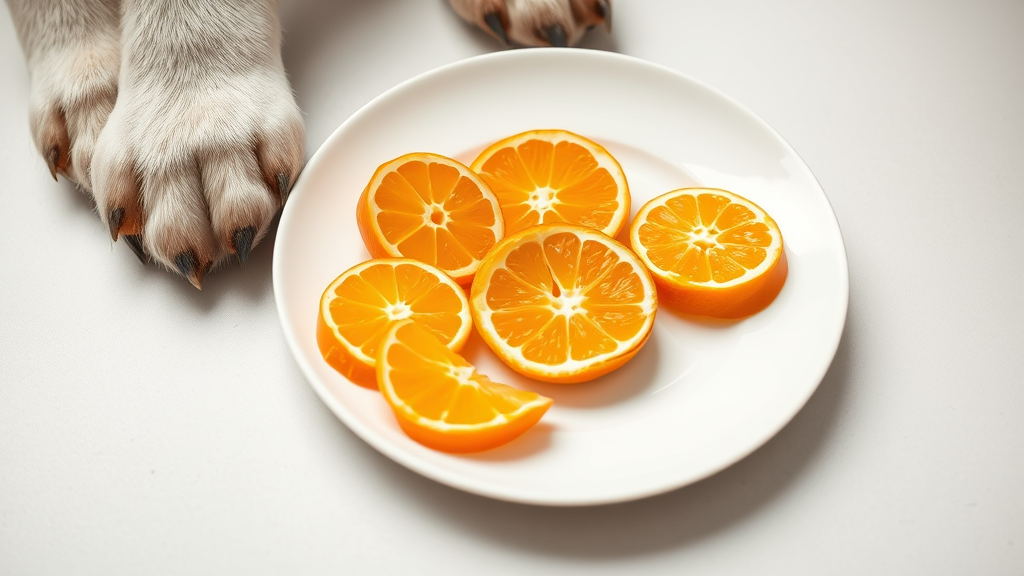
While mandarin oranges are generally safe for dogs, several important safety considerations must be addressed before offering them to your pet. The most significant concern involves the citric acid content, which can cause digestive upset in sensitive dogs. Some canines may experience stomach irritation, diarrhea, or vomiting if they consume too much citrus fruit.
The peel and white pith of mandarin oranges should never be given to dogs. These parts contain essential oils that can be toxic to canines and may cause digestive problems or even more serious health issues. Always remove all peel, including any remaining white portions, before offering the fruit segments to your dog.
Seeds present another hazard and should be completely removed before serving. While mandarin orange seeds are typically small, they can pose a choking risk for smaller dogs and may cause intestinal blockage if consumed in large quantities. The high sugar content in the fruit also means that dogs with diabetes or weight management issues should avoid or strictly limit mandarin orange consumption.
It’s worth noting that while dogs can eat mandarin oranges safely, other citrus fruits like lemons are much more problematic due to their higher acidity levels.
How to Properly Prepare Mandarin Oranges for Dogs
Proper preparation is essential when offering mandarin oranges to your dog. Start by selecting ripe, fresh mandarins that are free from mold or soft spots. Wash the fruit thoroughly under running water to remove any pesticide residues or surface contaminants that could harm your pet.
Carefully peel the mandarin, ensuring you remove all of the outer skin and as much of the white pith as possible. The white portion between the peel and fruit segments contains concentrated essential oils that can upset your dog’s stomach. Take your time with this step, as thorough removal is crucial for your pet’s safety.
Once peeled, separate the fruit into individual segments and carefully inspect each piece for seeds. Remove any seeds you find, no matter how small they appear. Even tiny seeds can pose risks to your dog’s digestive system. For smaller dogs or puppies, consider cutting the segments into smaller, more manageable pieces to prevent choking.
Some pet owners prefer to rinse the prepared segments lightly with water to remove any remaining citrus oils from the surface. While not strictly necessary, this extra step can help reduce the likelihood of digestive upset in particularly sensitive dogs.
Serving Size Guidelines and Frequency
Determining the appropriate serving size for mandarin oranges depends largely on your dog’s size, weight, and individual tolerance. As a general rule, treats should make up no more than 10% of your dog’s daily caloric intake, and mandarin oranges should be considered an occasional special treat rather than a regular part of their diet.
For small dogs weighing under 20 pounds, one to two small segments per week is typically sufficient. Medium-sized dogs between 20-50 pounds can safely enjoy two to three segments weekly, while larger dogs over 50 pounds may have three to four segments as an occasional treat. These guidelines assume your dog tolerates citrus well and shows no signs of digestive upset.
Start with a very small amount when first introducing mandarin oranges to your dog’s diet. Offer just a tiny piece and monitor your pet for 24-48 hours for any signs of digestive upset or allergic reactions. If your dog tolerates the fruit well, you can gradually increase the serving size within the recommended limits.
Remember that moderation is key. While mandarin oranges offer nutritional benefits, they’re high in natural sugars and should not replace your dog’s regular, balanced diet. Consider them a special occasion treat rather than a daily snack.
Alternative Citrus and Safe Fruit Options
If your dog doesn’t tolerate mandarin oranges well, or if you’re looking for variety in their treat options, several other fruits can provide similar nutritional benefits. Cantaloupe offers vitamin A and C with lower acidity than citrus fruits, making it an excellent alternative for sensitive stomachs.
Blackberries provide antioxidants and fiber while being naturally lower in sugar than many citrus fruits. Peaches and papaya also offer vitamin C and other beneficial nutrients without the potential digestive concerns associated with citrus fruits.
When considering fruit alternatives, always research each option thoroughly. Some fruits that seem harmless can actually be dangerous for dogs. For instance, while many fruits are safe, items like chocolate and avocados pose serious health risks and should never be given to dogs.
The American Kennel Club provides comprehensive guidelines on safe fruits and vegetables for dogs, which can help you make informed decisions about your pet’s treats.
Signs to Watch For After Feeding
After giving your dog mandarin oranges for the first time, it’s crucial to monitor them closely for any adverse reactions. Digestive upset is the most common issue, manifesting as loose stools, diarrhea, or vomiting within 6-24 hours of consumption. If these symptoms occur, discontinue offering citrus fruits and ensure your dog has access to fresh water.
Some dogs may experience stomach discomfort, which can present as excessive drooling, loss of appetite, or unusual restlessness. Mild symptoms typically resolve within 24-48 hours, but persistent or severe symptoms warrant immediate veterinary attention.
Watch for signs of allergic reactions, though these are relatively rare with mandarin oranges. Symptoms might include excessive itching, hives, swelling around the face or mouth, or difficulty breathing. Any signs of allergic reaction require immediate veterinary care.
Changes in urination patterns or excessive thirst could indicate that the fruit’s acidity is affecting your dog’s urinary system. While uncommon, these symptoms should be reported to your veterinarian, especially if they persist beyond a day or two.
According to the American Veterinary Medical Association, any concerning symptoms after dietary changes should be evaluated by a professional to ensure your pet’s safety and wellbeing.
Frequently Asked Questions
Can puppies eat mandarin oranges?
Puppies can have mandarin oranges in very small amounts, but their developing digestive systems are more sensitive than adult dogs. Wait until your puppy is at least 12 weeks old and start with just a tiny piece to test tolerance. The high sugar content and acidity make mandarin oranges less suitable for regular puppy consumption, so reserve them for very occasional treats only.
Are canned mandarin oranges safe for dogs?
Canned mandarin oranges are not recommended for dogs due to added sugars, preservatives, and often artificial sweeteners like xylitol, which is extremely toxic to canines. The syrup or juice used in canned varieties contains excessive sugar that can lead to digestive upset, weight gain, and dental problems. Always choose fresh mandarin oranges and prepare them properly for your dog’s safety.
How many mandarin oranges can a large dog eat?
Large dogs over 50 pounds can safely enjoy 3-4 mandarin orange segments as an occasional treat, but this should not exceed once or twice per week. Remember that treats should comprise no more than 10% of your dog’s daily caloric intake. Even large dogs can experience digestive upset from too much citrus, so moderation remains essential regardless of your pet’s size.
What should I do if my dog ate a whole mandarin orange with the peel?
If your dog consumed a whole mandarin including the peel, monitor them closely for signs of digestive upset such as vomiting, diarrhea, or loss of appetite. The peel contains essential oils that can cause stomach irritation. Contact your veterinarian for guidance, especially if your dog shows any concerning symptoms or if they’re a smaller breed more susceptible to digestive issues.
Can diabetic dogs have mandarin oranges?
Diabetic dogs should generally avoid mandarin oranges due to their natural sugar content, which can affect blood glucose levels. If you want to offer fruit treats to a diabetic dog, consult with your veterinarian first. They may recommend lower-sugar alternatives or specific guidelines for incorporating small amounts of fruit into a diabetic dog’s carefully managed diet plan.
Are mandarin orange seeds toxic to dogs?
Mandarin orange seeds are not toxic to dogs, but they pose choking hazards and can cause intestinal blockage if consumed in large quantities. The seeds are small and hard, making them difficult to digest. Always remove all seeds before offering mandarin segments to your dog, regardless of their size, to prevent potential complications.
Can I give my dog mandarin orange juice?
Mandarin orange juice is not recommended for dogs as it concentrates the fruit’s natural sugars and acidity while removing beneficial fiber. Commercial juices often contain added sugars and preservatives that are harmful to dogs. The concentrated citric acid in juice form is more likely to cause digestive upset than whole fruit segments. Stick to fresh, properly prepared mandarin segments for the safest option.





