

If you’ve ever wondered what EPA for dogs really means and why veterinarians keep bringing it up at your pup’s checkups, you’re in the right place. EPA (eicosapentaenoic acid) is an omega-3 fatty acid that’s basically a superhero nutrient for your furry friend’s body. Think of it as the maintenance crew your dog’s cells have been desperately waiting for—it keeps everything running smoothly, from their brain to their tail.
Most dog owners focus on protein and calories, but they completely miss the game-changing benefits that EPA can deliver. Your dog’s coat could be shinier, their joints could feel better, and their overall vitality could skyrocket. In this guide, we’ll break down exactly how EPA works, where to find it, and how to make sure your pup gets enough of this essential nutrient.
What Exactly Is EPA and Why Should You Care?
EPA stands for eicosapentaenoic acid, and it’s one of the long-chain omega-3 fatty acids your dog’s body absolutely needs but can’t manufacture on its own. Your pup depends entirely on dietary sources to get this stuff, which is why understanding omega-3 supplementation for dogs matters so much.
Unlike other nutrients, EPA doesn’t just sit around—it actively works to reduce inflammation throughout your dog’s entire body. This is huge because chronic inflammation is basically the root cause of most canine health problems, from arthritis to skin issues to cognitive decline. When your dog gets enough EPA, their immune system functions better, their heart stays healthier, and their brain stays sharp.
The cool part? EPA is incredibly versatile. It supports everything from your dog’s cardiovascular system to their nervous system. It’s like the multitasking employee every company wishes they had.
The Inflammation-Fighting Power of EPA Supplementation
Here’s where things get really interesting. Inflammation in dogs is like a silent saboteur—it’s happening inside their body without obvious symptoms until something breaks down. EPA swoops in like a ninja and neutralizes inflammatory molecules called cytokines.
When your dog has adequate EPA levels, you’ll notice reduced joint stiffness (especially important for senior dogs), less itching and scratching, and improved mobility overall. Dogs with inflammatory skin conditions often see dramatic improvements within weeks of starting proper EPA supplementation for dogs. Their coat becomes glossier, the redness fades, and they stop chewing on themselves constantly.
The research is pretty clear: EPA reduces the production of pro-inflammatory compounds in your dog’s body. This means less pain, better healing, and a genuinely happier pup. If your dog’s been limping around or scratching like crazy, EPA might be the missing puzzle piece.

EPA for Your Dog’s Skin and Coat Health
One of the most visible benefits of EPA for dogs is the transformation you’ll see in their coat. A dull, flaky, or itchy coat is often a sign that your dog isn’t getting enough omega-3s. When you add EPA to their diet, the results speak for themselves.
Your dog’s skin is the body’s largest organ, and it needs proper nutrition to maintain its barrier function. EPA strengthens this barrier, which means fewer allergens can penetrate it, less moisture escapes, and your pup stays more comfortable. Dogs with allergies or sensitive skin see particularly dramatic improvements.
The shinier coat isn’t just cosmetic either—it’s a sign that the skin underneath is healthier and more resilient. You’ll notice less shedding, fewer hot spots, and your dog will stop looking like they’ve been through a wind tunnel after a bath.
Joint Support and Mobility Benefits
If your dog is getting older or has joint issues, EPA is like giving them a natural pain reliever without the side effects of NSAIDs. This omega-3 fatty acid specifically targets joint inflammation and cartilage degradation.
Senior dogs taking adequate EPA often show improved mobility within 2-3 weeks. They climb stairs easier, jump on the couch with less hesitation, and their morning stiffness decreases noticeably. Combine EPA supplementation with quality supplements and you’ve got a powerful anti-aging protocol for your pup’s joints.
The mechanism is straightforward: EPA reduces the inflammatory markers that break down cartilage and irritate joint linings. It’s preventative medicine at its finest, which is why vets recommend starting EPA supplementation before joint problems become severe.
Brain Health and Cognitive Function in Dogs
Your dog’s brain is 60% fat, and a significant portion of that should be omega-3 fatty acids like EPA. This is why cognitive function and mental sharpness directly correlate with EPA intake.

Senior dogs with adequate EPA levels show better memory, improved focus, and less age-related cognitive decline. They’re more responsive to training, they seem more “present” during interactions, and they maintain their personality longer as they age. If you’ve noticed your older dog getting a bit foggy or confused, EPA might help sharpen their mental edge.
Even young dogs benefit from EPA for brain development and learning capacity. Puppies fed diets rich in EPA show improved trainability and problem-solving skills. It’s like giving your dog’s brain the premium fuel it deserves.
Cardiovascular Health and Heart Function
Your dog’s heart is literally the engine that keeps them running, and EPA is one of the best fuels you can give it. This omega-3 fatty acid supports healthy heart rhythm, improves blood flow, and helps maintain healthy blood pressure.
Dogs with heart conditions often benefit from EPA supplementation alongside their regular medications. It improves circulation, reduces the strain on the heart, and can even help prevent certain types of heart disease. Even healthy dogs benefit from the cardiovascular protection EPA provides.
The blood vessel benefits are equally important. EPA keeps blood vessels flexible and responsive, which means better oxygen delivery to every cell in your dog’s body. This translates to more energy, better exercise tolerance, and improved overall vitality.
Immune System Support Through EPA
A properly functioning immune system is your dog’s best defense against illness and infection. EPA plays a crucial role in immune regulation by balancing inflammatory and anti-inflammatory responses.
Dogs with strong EPA levels show fewer infections, faster recovery from illness, and better resistance to seasonal allergies. Their immune system isn’t overreacting to harmless substances (which causes allergies) or underreacting to genuine threats. It’s like upgrading your dog’s security system from basic to premium.

This is especially important for dogs with autoimmune conditions. While EPA isn’t a cure, it helps modulate the immune response and reduce the severity of symptoms. Combined with proper veterinary care and probiotic support, EPA creates a comprehensive immune-boosting strategy.
Best Sources of EPA for Your Dog
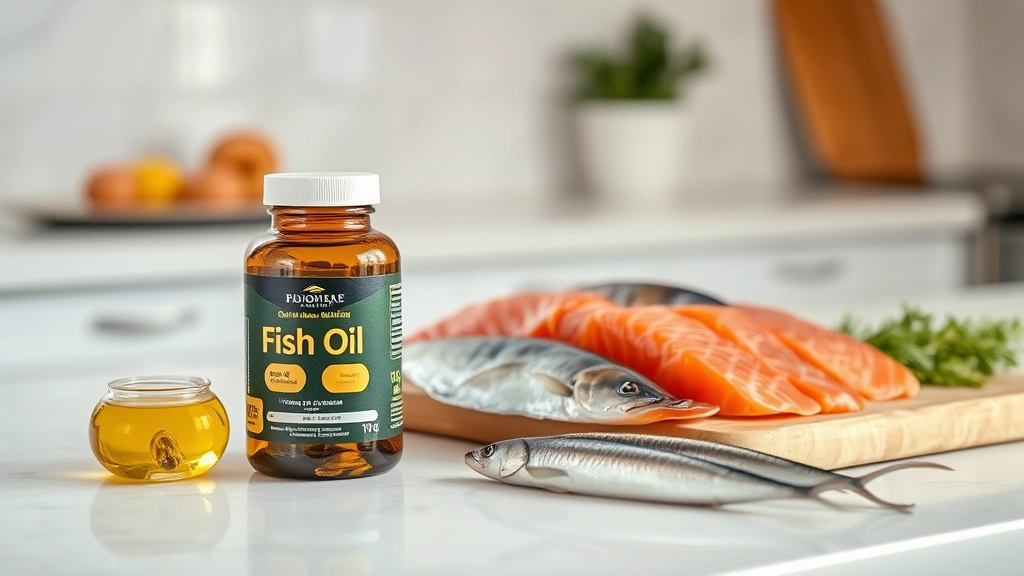
Now that you understand why EPA for dogs is so important, let’s talk about where to get it. Fish oil is the most obvious source—salmon, sardines, and anchovies are packed with EPA. But not all fish oils are created equal.
Look for fish oils specifically tested for purity and potency. Some budget options contain concerning levels of mercury or oxidized fats that actually damage your dog’s health. Pharmaceutical-grade fish oil costs more but delivers actual results without the toxins.
Algae-based EPA supplements are another excellent option, especially if your dog has a fish allergy or you prefer plant-based sources. These provide pure EPA without the fishy smell that makes your dog’s breath questionable.
You can also increase EPA through whole food sources like wild-caught salmon, sardines, and mackerel. Just remember that whole fish contains other nutrients and omega-6s, so it’s not a complete replacement for targeted supplementation. Consider adding liquid supplements for easier dosing and better absorption.
Proper Dosing: How Much EPA Does Your Dog Need?
This is where most dog owners get confused. The amount of EPA your dog needs depends on their weight, age, health status, and specific conditions they’re dealing with.
As a general rule, healthy adult dogs need about 20-55 mg of EPA per pound of body weight daily. A 50-pound dog would need roughly 1,000-2,750 mg of EPA daily. Dogs with joint issues, skin problems, or cognitive concerns might need double this amount.

The best approach is starting with your veterinarian’s recommendation or consulting with a veterinary nutritionist. They can assess your specific dog and provide precise dosing guidance. More isn’t always better with supplements—proper dosing is what creates results.
Combining EPA With Other Supplements for Maximum Benefits
EPA works best as part of a comprehensive wellness strategy. Combine it with quality probiotics for enhanced gut health and nutrient absorption. A healthy gut means better utilization of EPA and other nutrients.
Vitamin E works synergistically with EPA as an antioxidant, protecting the omega-3s from oxidation. Glucosamine and chondroitin pair beautifully with EPA for joint support. Turmeric (curcumin) amplifies the anti-inflammatory effects when combined with EPA.
The key is ensuring these supplements don’t interact negatively and that you’re not overdoing any particular nutrient. Your vet can help you build a supplement stack that’s actually beneficial rather than just expensive pee.
Real Results: What to Expect When You Start EPA Supplementation
Let’s be honest—you want to know if this stuff actually works. The answer is yes, but timing matters.
In the first 1-2 weeks, you might notice your dog’s energy levels increasing slightly. Their enthusiasm for walks might improve. Within 3-4 weeks, skin and coat improvements become visible—less shedding, shinier coat, reduced itching.
Joint improvements typically take 4-6 weeks to become noticeable, especially in dogs with significant arthritis. You’ll see them moving more freely, limping less, and generally acting younger. Cognitive improvements in senior dogs also take 4-6 weeks but are absolutely worth the wait.
The most dramatic results come in dogs with inflammatory skin conditions. Some show 50-70% improvement in itching and redness within 6-8 weeks. It’s genuinely transformative for dogs that have been suffering.
Potential Side Effects and Safety Considerations
EPA is incredibly safe for dogs, but like any supplement, there are a few things to keep in mind. The most common side effect is mild digestive upset when first starting—a little loose stool or decreased appetite for a day or two. This usually resolves quickly.
Some dogs experience a slight fishy smell on their breath (if using fish oil), which is completely harmless but admittedly unpleasant. Algae-based EPA avoids this issue entirely.
If your dog is on blood thinners or has bleeding disorders, check with your vet before starting EPA, as it has mild blood-thinning properties. For most healthy dogs, EPA is as safe as treats and actually more beneficial.
Common Mistakes People Make With EPA Supplementation
The biggest mistake is buying cheap fish oil from random supplement companies. These often contain oxidized fats, heavy metals, or barely any EPA at all. You’re literally throwing money at your dog’s health without results.
Another major error is inconsistent dosing. EPA works through consistent, daily supplementation. Giving it sporadically won’t produce benefits. Set a reminder on your phone and make it part of your daily routine.
People also often give up too early. EPA takes time to work—usually 4-6 weeks for noticeable improvements. If you stop after two weeks because you don’t see results yet, you’re sabotaging your own efforts.

Finally, many owners use EPA as a replacement for veterinary care rather than a complement to it. EPA is fantastic, but it doesn’t replace proper vet checkups, vaccines, or necessary medications. Use it alongside, not instead of, professional veterinary care.
Frequently Asked Questions
Can I give my dog too much EPA?
While EPA is very safe, excessive amounts can cause digestive upset and might interfere with blood clotting in rare cases. Stick to the recommended dosage based on your dog’s weight and health status. Your vet can provide specific guidance for your pup’s needs.
How long before I see results from EPA supplementation?
Most dogs show noticeable improvements within 4-6 weeks of consistent EPA supplementation. Skin and coat benefits appear first (2-3 weeks), followed by joint mobility improvements. Cognitive benefits in senior dogs also take 4-6 weeks. Consistency is key.
Is fish oil EPA the only option for dogs?
No! Algae-based EPA supplements provide the same benefits without the fishy smell or potential for fish allergies. Some dogs also benefit from whole food sources like salmon or sardines, though these should supplement rather than replace targeted supplementation.
Can puppies take EPA supplements?
Absolutely! Puppies benefit from EPA for brain development, coat health, and immune function. Use age-appropriate dosing (lower amounts for smaller puppies) and choose high-quality supplements. Consult your vet for specific puppy dosing recommendations.
Does EPA help with allergies?
Yes, EPA significantly helps with allergy symptoms by reducing inflammation and supporting immune regulation. Dogs with seasonal or food allergies often see reduced itching, redness, and overall allergy symptoms within 6-8 weeks of proper EPA supplementation.
Should I give EPA year-round or just seasonally?
Year-round supplementation provides the most benefits. EPA works best with consistent daily dosing. While you might increase dosage during allergy season, maintaining baseline EPA supplementation year-round keeps your dog’s inflammation in check and supports overall health continuously.
Conclusion: Making EPA Part of Your Dog’s Health Strategy
EPA for dogs isn’t just another supplement trend—it’s legitimate nutritional medicine that addresses real health problems at the cellular level. Whether your dog is dealing with joint issues, skin problems, cognitive decline, or you’re just committed to preventative health, EPA delivers measurable results.
The key is choosing high-quality supplements, dosing consistently, and giving it time to work. Combine EPA with proper veterinary care, quality nutrition, and regular exercise for a comprehensive approach to your dog’s health and longevity.
Start with a conversation with your vet about whether EPA supplementation makes sense for your specific pup. They can recommend appropriate dosages and help you choose quality products. Your dog’s future self—the one with a shinier coat, better mobility, and sharper mind—will thank you for taking this step today.
Ready to explore complementary supplements? Check out our guide to multi-strain probiotics for pets to create a comprehensive wellness protocol for your furry friend.





