

If your senior dog or cat moves like they’re wading through peanut butter in the morning, you’re not alone—stiffness relief for older pets is one of the most common concerns pet parents face. That slow, creaky walk up the stairs? The reluctance to jump on the couch? Yeah, that’s arthritis and age-related joint stiffness talking, and it’s heartbreaking to watch your furry best friend struggle.
The good news? There are proven, practical ways to help your aging pet move more comfortably and enjoy their golden years without constant pain. Let’s dive into four essential strategies that actually work.
Understanding Why Senior Pets Get Stiff
Before we tackle solutions, let’s understand what’s happening inside those aging joints. As pets age, the cartilage in their joints breaks down—it’s called osteoarthritis, and it affects roughly 1 in 4 adult dogs and a surprising number of cats too. The synovial fluid that lubricates joints becomes less effective, inflammation sets in, and suddenly your pet moves like they’re 100 years old.
Cats are notorious for hiding pain, so you might not realize your feline friend is struggling until they stop using the litter box or avoid jumping. Dogs are more obvious about their discomfort, limping or showing reluctance during walks. Both scenarios warrant attention.
Method 1: Joint Supplements and Nutritional Support
This is ground zero for stiffness relief for older pets. Quality joint supplements can genuinely transform your pet’s mobility. We’re talking glucosamine, chondroitin, and MSM—ingredients that help rebuild cartilage and reduce inflammation.
The magic happens when you combine these with omega-3 fatty acids. Fish oil is anti-inflammatory gold for aging joints. You’ll see real improvements within 4-6 weeks if you stick with it. Look for supplements specifically formulated for senior pets; they’re designed with the right dosages and bioavailability.

Your pet’s gut health matters too. A healthy digestive system absorbs nutrients better, which means those expensive supplements actually work. Consider adding multi-strain probiotics for pets to support overall wellness and nutrient absorption. Some vets recommend liquid probiotics for pets for easier administration in senior animals.
Pro tip: Always check with your vet before starting supplements, especially if your pet’s on medication. Some ingredients can interact with pharmaceuticals.
Method 2: Weight Management and Strategic Exercise
Here’s the uncomfortable truth: overweight pets suffer more joint pain. Extra pounds are like carrying a backpack full of bricks—your pet’s knees, hips, and spine just aren’t designed for it. Losing even 10% of body weight can dramatically improve mobility and reduce inflammation.
But here’s where people mess up: you can’t just stop exercising your senior pet. That’s like telling someone with arthritis to never move. Instead, focus on low-impact exercise. Short, frequent walks on soft surfaces (grass, dirt trails) are better than long hikes on concrete. Swimming is absolutely phenomenal—it builds strength without joint stress.
For cats, gentle play sessions with toys they can control at their own pace help maintain muscle mass around joints. Muscle acts as a shock absorber for arthritic joints, so it’s crucial to maintain it as your pet ages.
Method 3: Environmental Modifications and Comfort
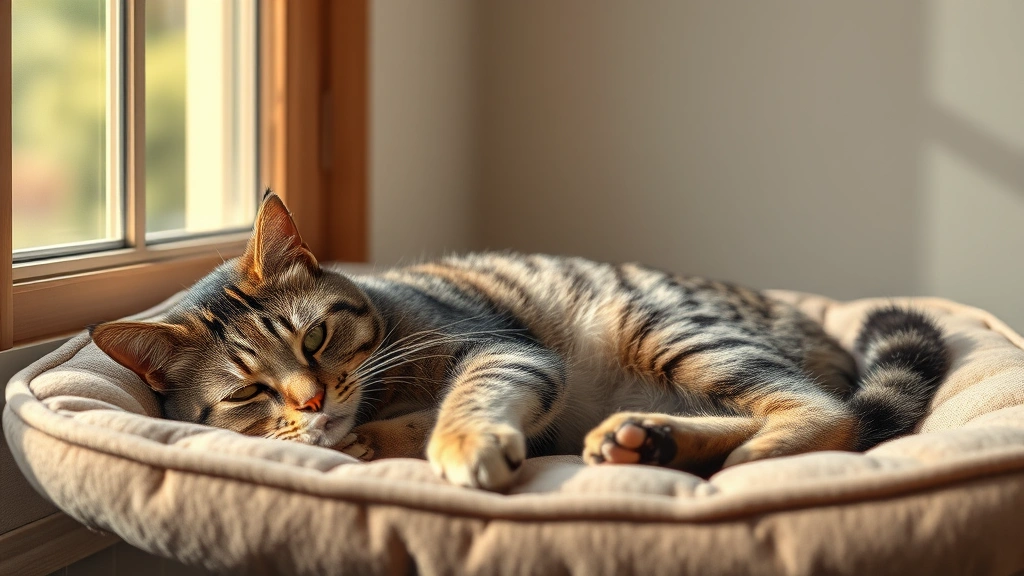
Sometimes the simplest changes make the biggest difference. Ramps and steps prevent your pet from jumping down from furniture, which jolts aging joints. Orthopedic beds provide proper support and reduce pressure points—your senior pet will actually use them because they feel amazing.
Keep food and water bowls at chest height to prevent excessive bending. Litter boxes with lower sides help cats access them without contorting their bodies. Non-slip flooring reduces the strain of trying to gain traction on slippery surfaces.
Temperature matters too. Warmth increases blood flow and reduces stiffness. Many older pets naturally gravitate toward sunny spots or heating pads—let them. Some people swear by heated pet beds for winter months.
Method 4: Veterinary Treatments and Pain Management
When home remedies aren’t cutting it, your vet has legitimate options. NSAIDs (non-steroidal anti-inflammatory drugs) like carprofen or meloxicam reduce inflammation and pain effectively. They’re not perfect—long-term use requires monitoring—but they work.
Physical therapy is emerging as a game-changer for senior pet mobility. A certified canine rehabilitation therapist can design exercises that strengthen muscles around affected joints. Some facilities offer underwater treadmills, which combine the benefits of swimming with targeted exercise.

Newer options include injections of hyaluronic acid or stem cells directly into joints. These aren’t cheap, but they can provide relief lasting months. Your vet can discuss whether these are appropriate for your pet’s specific situation.
The Role of Diet in Managing Stiffness
What your senior pet eats directly impacts their joint health. High-quality proteins help maintain muscle mass. Antioxidants like vitamins E and C combat inflammation. Some commercial senior pet foods are formulated with joint support in mind—they include glucosamine and omega-3s right in the kibble.
If your pet has a sensitive stomach, you might need sensitive stomach supplements that support both digestion and joint health. A healthy gut means better nutrient absorption, which means those joint supplements actually do their job.
Consider working with a veterinary nutritionist to create a diet specifically tailored to your aging pet’s needs. It’s an investment that pays dividends in mobility and quality of life.
Recognizing When Professional Help is Needed
Your pet’s telling you something when they refuse to walk, cry out when touched, or stop grooming themselves. These are red flags that pain is severe and needs professional intervention. Don’t wait—chronic pain affects cognitive function and accelerates aging in pets.

Regular vet check-ups become even more important for senior pets. Your vet can catch early signs of arthritis, adjust pain management protocols, and rule out other conditions mimicking joint stiffness (like neurological issues or spinal problems).
Holistic Approaches to Stiffness Relief
Some pet parents find success with acupuncture, which stimulates blood flow and releases endorphins. It’s not magic, but studies show it helps some pets. Massage therapy improves circulation and reduces muscle tension around stiff joints. Cold laser therapy reduces inflammation without drugs.
These approaches work best as part of a comprehensive strategy, not as standalone solutions. Combine them with the methods above for maximum effectiveness.
Real Talk: Setting Realistic Expectations
Here’s what I wish someone told me when my first dog got arthritis: you can’t reverse joint damage, but you can absolutely slow progression and improve quality of life. Your senior pet won’t move like they did at age 3, and that’s okay. The goal is helping them be comfortable and active within their limitations.
Some days will be better than others. Cold, damp weather typically makes stiffness worse. You might notice your pet moves better after warming up, just like humans with arthritis. That’s normal.

Creating a Comprehensive Senior Pet Plan
The best approach combines multiple strategies. Start with supplements and weight management. Add environmental modifications. Incorporate appropriate exercise. Use veterinary treatments when needed. Monitor your pet’s response and adjust accordingly.
Document changes in mobility, appetite, and behavior. This information helps your vet make better decisions about treatment adjustments. Keep a simple log—it doesn’t need to be fancy, just notes about good and bad days.
Frequently Asked Questions
How long does it take to see improvement with joint supplements?
Most pets show noticeable improvement within 4-6 weeks of consistent supplementation, though some take up to 8-12 weeks. Consistency matters more than finding the “perfect” product. Stick with one supplement long enough to evaluate effectiveness before switching.
Is it safe to give my senior pet multiple supplements together?
Generally yes, but always confirm with your vet first. Some combinations enhance effectiveness (like glucosamine with omega-3s), while others might interact with medications. Your veterinarian knows your pet’s complete health picture and can advise accordingly.
Can weight loss alone help my older pet’s stiffness?
Absolutely. Weight loss is one of the most effective interventions for arthritis pain. Even modest weight reduction (5-10% of body weight) significantly improves mobility in many pets. Combine it with supplements and exercise for best results.
What’s the difference between stiffness and lameness in older pets?
Stiffness is general difficulty moving, especially after rest. Lameness is favoring or not using a particular limb. Both indicate joint problems, but lameness suggests more acute pain or injury. Report both to your vet, but lameness warrants faster attention.
Are there any side effects from long-term NSAID use in senior pets?
NSAIDs can affect the stomach lining and kidneys with prolonged use, which is why vets typically recommend monitoring bloodwork regularly. This doesn’t mean your pet can’t use them long-term—it means your vet needs to track their health closely and adjust dosages as needed.





