
Let’s be real—fireworks anxiety relief isn’t just about humans anymore. While you’re out there enjoying the Fourth of July spectacular, your furry friend is probably losing their mind in the closet, shaking like a leaf in a hurricane. If you’ve got a pet (or honestly, if you’re the anxious type yourself), this guide is your ticket to surviving fireworks season without needing to rebuild your furniture.
Understanding Fireworks Anxiety in Pets
Before we dive into solutions, let’s talk about what’s actually happening when those loud booms start. Fireworks anxiety isn’t your pet being dramatic—it’s a legitimate fear response. Dogs and cats have hearing that’s way more sensitive than ours, so imagine if every firework sounded like an explosion happening inside your head. Yeah, that would stress you out too.
The American Kennel Club (AKC) reports that fireworks are one of the leading causes of pet escapes and injuries during holiday season. Your pet’s anxiety triggers a fight-or-flight response, flooding their system with cortisol and adrenaline. This isn’t just uncomfortable; it can actually harm their health long-term if left unaddressed.
Method 1: Create a Safe Haven (Your Pet’s Panic Room)
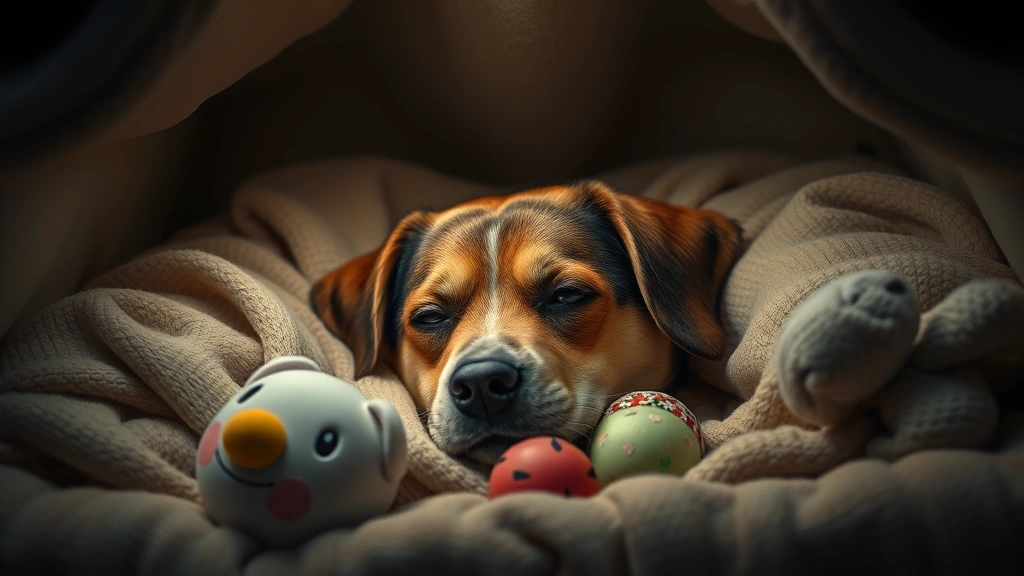
The first step in fireworks anxiety relief is giving your pet a designated safe space. This isn’t just throwing them in a random room—you need to create an actual sanctuary.
Pick a room away from windows where the noise is muffled. The bathroom, interior closet, or basement works great. Line it with their favorite blankets, toys, and something that smells like you (an old t-shirt works wonders). Keep the lights dim or use soft lighting. Some pets do better with white noise or calming music playing in the background to mask the booms.
Pro tip: Start introducing your pet to this space weeks before fireworks season. Make it a positive place where good things happen—treats, playtime, cuddles. When fireworks actually start, they’ll already associate it with safety.
Method 2: Supplements and Digestive Support
Here’s where things get interesting. A stressed pet often has a stressed gut. When anxiety spikes, digestion tanks, and that can actually make the anxiety worse. It’s a nasty cycle.
Consider adding sensitive stomach supplements to your pet’s diet during fireworks season. These can help stabilize their digestive system while they’re in stress mode. Additionally, multi-strain probiotics for pets support gut health and have been shown to influence mood and anxiety levels through the gut-brain axis.
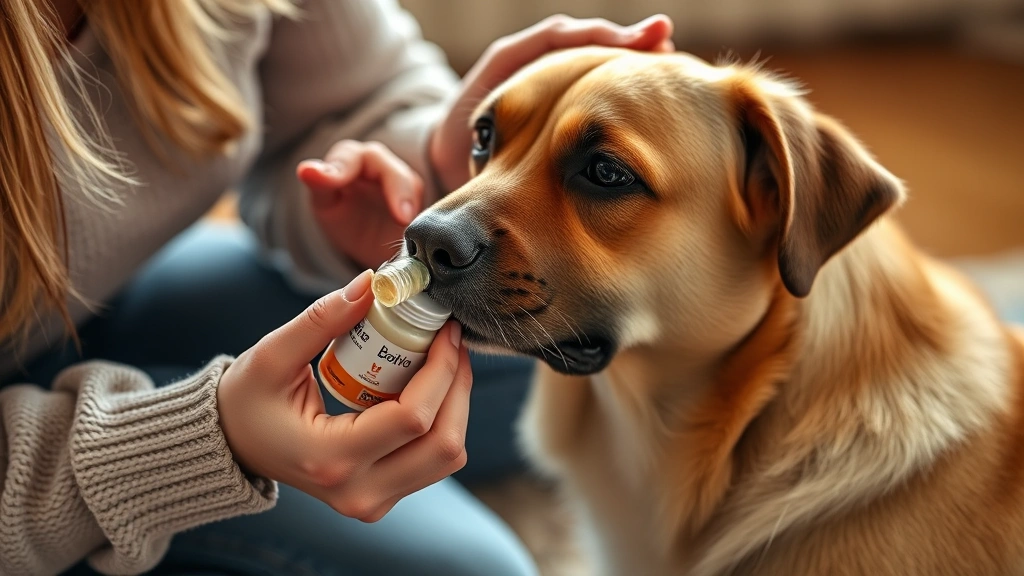
Some pet parents swear by liquid probiotics for pets because they’re easier to administer when your furry friend is already stressed. If you’ve got cats, powder probiotics for cats can be mixed into wet food without any fuss.
The science backs this up: PetMD notes that a healthy gut microbiome can actually reduce anxiety symptoms in pets. It’s not a magic cure, but it’s a solid piece of the puzzle.
Method 3: Calming Products That Actually Work
Let’s talk about the arsenal of calming products available. Not all of them are created equal, but some genuinely help with fireworks anxiety relief.
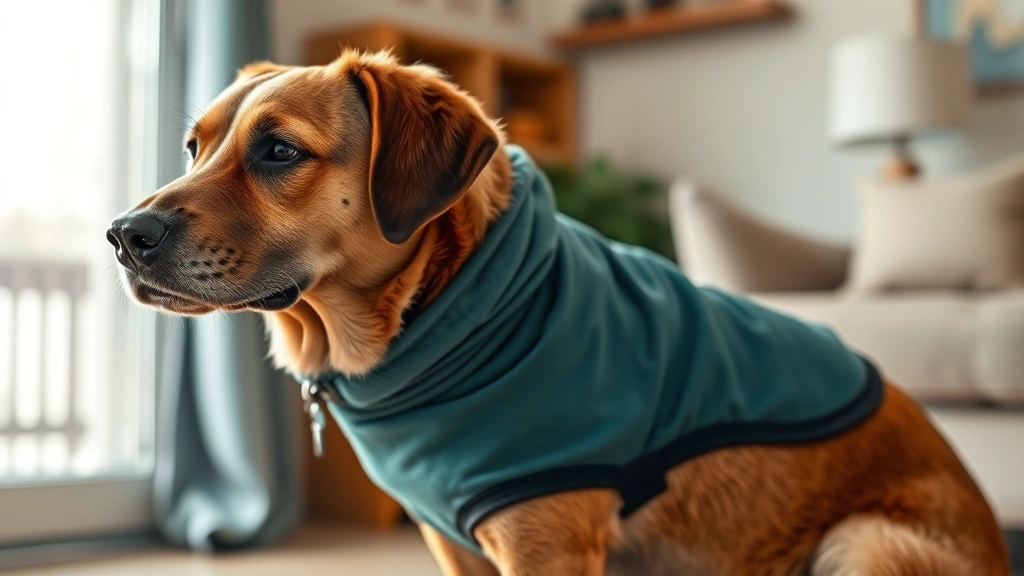
Anxiety wraps and thundershirts: These snug garments apply gentle, consistent pressure—think of it as a therapeutic hug. They work on about 80% of dogs and some cats too.
CBD products: If legal in your area, CBD has shown promise for pet anxiety. Start with low doses and consult your vet first.
Pheromone diffusers: Products like Feliway (for cats) and Adaptil (for dogs) release synthetic versions of calming pheromones. They’re subtle but effective for some pets.
Calming treats and supplements: Look for products containing L-theanine, magnesium, or valerian root. These are natural anxiety fighters without the sedation of prescription meds.
Method 4: Behavioral Training and Desensitization
This is the long game, but it’s worth it. Desensitization involves gradually exposing your pet to fireworks sounds at low volumes, paired with positive experiences.
Start weeks before fireworks season. Play recordings of fireworks sounds at barely audible levels while giving treats, playing, or cuddling. Gradually increase the volume over time. The goal is to rewire your pet’s brain to associate the noise with good things instead of danger.
Counter-conditioning works similarly: when the scary sound plays, immediately give a high-value treat or start a favorite game. Your pet learns, “Oh, loud noise = good stuff happens.”
This won’t eliminate anxiety overnight, but over multiple seasons, you’ll notice real improvement. Some pets go from hiding for hours to barely noticing the noise.
Medication: When to Call the Vet
Sometimes behavioral and supplement strategies aren’t enough. If your pet’s anxiety is severe—they’re not eating, they’re destructive, or they’re trying to escape—talk to your vet about anti-anxiety medication.
Trazodone, alprazolam, or other prescription options can be administered on fireworks days to take the edge off. These aren’t long-term solutions, but for acute fireworks anxiety relief, they’re legitimate tools. Your vet can help you weigh the pros and cons.
What NOT to Do During Fireworks Season
Let’s cover the mistakes people make:
Don’t punish fearful behavior. Yelling at your pet for hiding or shaking makes everything worse. They’re already terrified; adding punishment just confuses them.
Don’t force interaction. If your pet wants to hide, let them. Don’t drag them out to “help them get over it.”
Don’t leave them outside. Seriously. Pets bolt when they’re scared, and thousands go missing every Fourth of July.
Don’t rely on sedation alone. A medicated pet still needs a safe space. Medication helps, but it’s not a complete solution.
Creating a Year-Round Anxiety Management Plan
The best fireworks anxiety relief strategy starts long before the first boom. Build your pet’s resilience throughout the year by maintaining good gut health with probiotics, providing regular exercise, and keeping stress levels low.
Visit our blog for more pet wellness tips and strategies for managing seasonal anxiety. Consistency is key—a pet with a strong foundation handles stressful situations way better.
Frequently Asked Questions
How long does fireworks anxiety last in pets?
Acute anxiety usually subsides within a few hours after the noise stops, but some pets remain jumpy for days. Chronic anxiety—where your pet is anxious even weeks after fireworks—requires more intervention.
Can I use human anxiety medication for my pet?
Absolutely not. Never give your pet human medication without veterinary approval. Dosages, formulations, and safety profiles are completely different. Always consult your vet.
Are anxiety wraps actually effective?
For about 80% of dogs, yes. They work best when combined with other strategies like a safe space and positive reinforcement. Results vary by individual pet.
When should I start preparing for fireworks season?
Ideally, start 4-6 weeks before. This gives you time to establish a safe space, begin desensitization training, and get your pet on any supplements or medication if needed.
What’s the best calming supplement for fireworks anxiety?
It depends on your pet. L-theanine works great for some, while others respond better to magnesium or valerian root. Multi-strain probiotics support overall anxiety reduction through gut health. Start with one and give it at least two weeks to show effects.
Is it normal for pets to hide during fireworks?
Completely normal. Hiding is actually your pet’s way of self-soothing. Don’t force them out—just make sure their hiding spot is safe and accessible.
Summary: Your Fireworks Anxiety Relief Game Plan
Here’s the bottom line: fireworks anxiety relief isn’t one-size-fits-all, but a combination approach works best. Create a safe space, support gut health with quality supplements, use calming products, and invest in desensitization training. If your pet’s anxiety is severe, don’t hesitate to talk to your vet about medication.
The goal isn’t to make fireworks disappear—it’s to help your pet feel secure and calm despite the chaos. Start preparing now, stay consistent, and remember: your pet’s anxiety is real, and addressing it shows how much you care. Now go build that panic room and stock up on those supplements. Your pet will thank you when July Fourth rolls around.





