

If your pup is tossing and turning like they’re auditioning for a canine gymnastics team, melatonin for dogs might be the game-changer your furry friend desperately needs. Just like us humans, dogs can struggle with sleep issues, anxiety, and those awkward 3 AM zoomies that make you question your life choices. But here’s the good news: melatonin is a natural, safe supplement that can help your dog catch some quality Z’s without turning them into a drooling zombie.
What Exactly Is Melatonin and Why Do Dogs Need It?
Melatonin is a hormone naturally produced by the pineal gland in the brain—yes, dogs have one too! It regulates the sleep-wake cycle, basically telling your dog’s body “Hey, it’s time to chill out.” When your pup’s internal clock gets wonky (thanks, fireworks, thunderstorms, and new homes), their melatonin production can go haywire. That’s where supplemental melatonin comes in clutch. It’s like giving your dog’s brain a gentle nudge to remember how to sleep properly.
The Four Essential Ways Melatonin Improves Your Dog’s Sleep
1. Regulating the Circadian Rhythm
Your dog’s circadian rhythm is basically their internal alarm clock. When it’s off, everything falls apart—late-night barking, daytime napping instead of playing, the whole chaos. Melatonin resets this rhythm by signaling to your dog’s body that nighttime means sleep time. Think of it as recalibrating their biological GPS. Dogs with disrupted schedules (like those adopted from shelters or adjusting to new homes) benefit tremendously from this regulation.
2. Reducing Anxiety and Stress-Related Sleep Issues
Anxious dogs don’t sleep well. They’re too busy worrying about whether that leaf outside is actually a predator. Melatonin has natural calming properties that help reduce anxiety without the heavy-duty pharmaceutical side effects. It works particularly well for dogs with separation anxiety, noise phobia, or general nervousness. Your anxious pup can finally stop catastrophizing and actually rest their weary mind.
3. Supporting Natural Sleep Architecture
Quality sleep isn’t just about closing your eyes for eight hours—it’s about cycling through different sleep stages. Melatonin helps dogs achieve deeper, more restorative sleep by supporting proper REM and non-REM cycles. This means your dog wakes up actually refreshed instead of groggy and confused. Better sleep architecture = a happier, healthier dog with better immune function and mood.
4. Managing Age-Related Sleep Disturbances
Senior dogs often experience sleep disruption similar to aging humans. Their melatonin production naturally declines with age, making them restless and prone to nighttime confusion. Supplementing with melatonin can help older dogs maintain better sleep quality, reduce nighttime pacing, and even support cognitive function. It’s like giving your aging companion back some of their youthful rest habits.
Choosing the Right Melatonin Supplement for Your Pup
Not all melatonin supplements are created equal. Look for products specifically formulated for dogs (not human supplements—different dosing!) that are third-party tested and free from xylitol, which is toxic to dogs. Common forms include tablets, chewables, and liquid options. Your vet can recommend the appropriate dosage based on your dog’s weight and specific needs. Generally, dogs receive 1-5 mg depending on size, but always consult your veterinarian before starting any supplement regimen.
Dosage Guidelines: Getting It Right
Proper dosing is crucial for safety and effectiveness. Small dogs (under 25 lbs) typically need 1-2 mg, medium dogs (25-75 lbs) need 2-5 mg, and large dogs (over 75 lbs) might need up to 10 mg. However, these are general guidelines—your vet should provide specific recommendations. Start with the lowest effective dose and adjust as needed. Most melatonin works best given 30 minutes to an hour before bedtime, allowing time for absorption.

Potential Side Effects and Safety Considerations
Melatonin is generally well-tolerated in dogs, but some may experience mild side effects like grogginess, stomach upset, or increased appetite. It’s not recommended for dogs with certain hormonal conditions or those taking specific medications. Always inform your vet about any supplements your dog takes, especially if they’re on prescription medications. Pregnant or nursing dogs should avoid melatonin unless specifically directed by their veterinarian.
Combining Melatonin with Other Sleep-Support Strategies
Melatonin works best as part of a comprehensive sleep-improvement plan. Create a consistent bedtime routine, establish a comfortable sleep space, and maintain regular exercise schedules. Consider products like sensitive stomach supplements if your dog has digestive concerns affecting sleep, or explore multi-strain probiotics for pets to support overall gut health, which impacts sleep quality. Behavioral modifications, environmental adjustments, and supplements work synergistically for optimal results.
When to Call Your Vet About Sleep Issues
If your dog’s sleep problems persist despite melatonin supplementation, or if they’re accompanied by other symptoms like excessive panting, letharness, or behavioral changes, contact your veterinarian. Sleep disturbances can indicate underlying health issues like pain, thyroid problems, or neurological conditions. Your vet can rule out medical causes and adjust your dog’s treatment plan accordingly. Never self-diagnose or self-treat serious sleep issues without professional guidance.
Real-World Success Stories: Dogs Sleeping Better
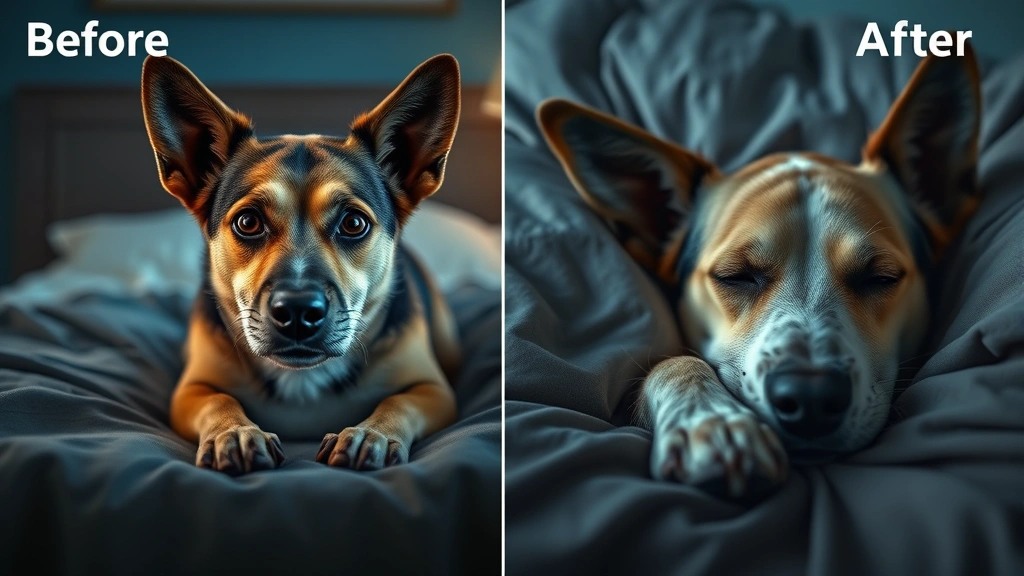
Countless dog owners report dramatic improvements after introducing melatonin to their pup’s routine. Dogs who previously paced all night now sleep through the evening. Anxious rescue dogs adjust faster to new homes. Senior dogs regain some of their former energy and alertness because they’re finally getting restorative sleep. While individual results vary, the positive feedback from the dog-owning community is genuinely encouraging. Your dog could be next on the success list!
The Bottom Line: Is Melatonin Right for Your Dog?
Melatonin for dogs is a safe, natural option for addressing sleep issues, anxiety-related restlessness, and age-related sleep disruption. It’s not a cure-all, but when used appropriately under veterinary guidance, it can significantly improve your dog’s sleep quality and overall wellbeing. Combined with good sleep hygiene, consistent routines, and proper exercise, melatonin can help your pup become the sleeping champion they were meant to be. Your tired dog (and your tired self) will thank you.
Frequently Asked Questions
Is melatonin safe for all dogs?
Melatonin is generally safe for most dogs, but it’s not appropriate for dogs with certain hormonal conditions, reproductive issues, or those taking specific medications. Always consult your veterinarian before starting any supplement. Pregnant or nursing dogs should avoid melatonin unless specifically recommended by your vet.
How long does it take for melatonin to work?
Most dogs show improvements within 3-7 days of consistent melatonin use, though some may take up to two weeks. The supplement typically takes effect within 30 minutes to an hour of administration. Consistency is key—give melatonin at the same time each day for best results.
Can I give my dog human melatonin?
No, you should not give your dog human melatonin supplements. Human formulations often contain different dosages and potentially harmful additives like xylitol. Always use melatonin products specifically formulated for dogs, or consult your vet for appropriate options.
What if melatonin doesn’t work for my dog?
If melatonin doesn’t improve your dog’s sleep after 2-3 weeks, contact your veterinarian. They may recommend alternative supplements, behavioral modifications, or investigate underlying medical conditions. Some dogs may benefit from liquid probiotics for pets to support overall health, or other complementary approaches.
Can melatonin help with separation anxiety?
Yes, melatonin can help reduce anxiety-related sleep disruption in dogs with separation anxiety. Its calming properties support better rest during stressful periods. However, melatonin works best combined with behavioral training and environmental modifications. Severe separation anxiety may require additional professional intervention.
Are there natural alternatives to melatonin?
Yes, several natural alternatives exist, including valerian root, chamomile, and L-theanine. Some dogs benefit from powder probiotics for cats and similar digestive support products that indirectly improve sleep by supporting gut health. Your vet can recommend alternatives based on your dog’s specific needs.
Summary: Your Dog Deserves Better Sleep
Melatonin for dogs represents a natural, effective approach to improving sleep quality and reducing anxiety-related restlessness. Whether your pup is a anxious rescue, a senior struggling with age-related changes, or simply a dog whose internal clock got scrambled, melatonin can help reset their sleep-wake cycle and promote restorative rest. Combined with consistent routines, proper exercise, and veterinary guidance, melatonin can transform your dog’s nighttime experience from chaotic to peaceful. Your furry friend will sleep better, and you’ll finally get some peace and quiet too. For more information on supporting your dog’s overall health, check out our blog for additional wellness resources and expert pet care tips.





