
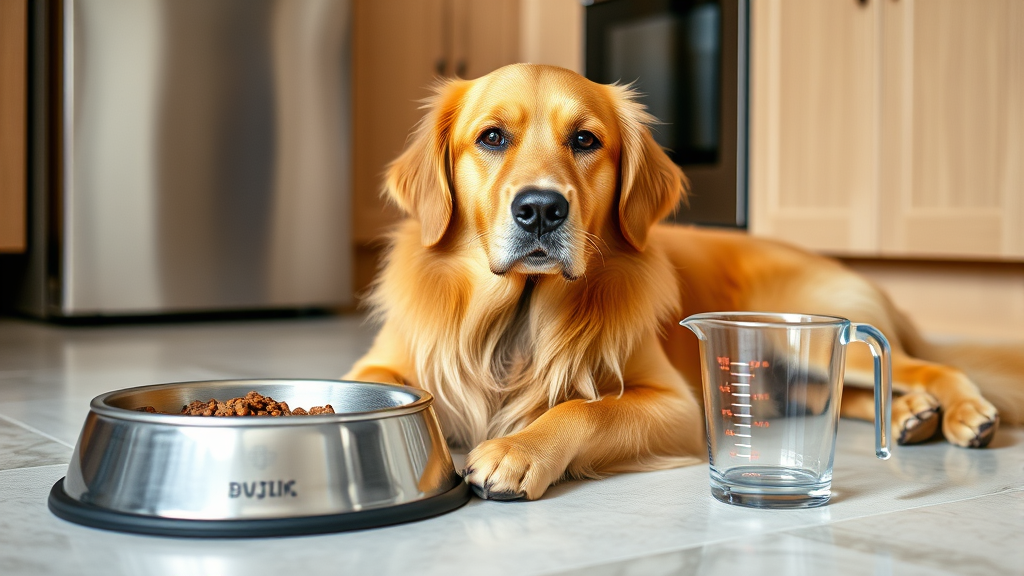
Determining the right amount of food for your dog is one of the most important decisions you’ll make as a pet parent. Proper nutrition and portion control directly impact your dog’s health, energy levels, and longevity. Too little food can lead to malnutrition and weight loss, while overfeeding contributes to obesity and related health problems that affect millions of dogs worldwide.
The question “how much food should I feed my dog” doesn’t have a simple one-size-fits-all answer. Multiple factors influence your dog’s dietary needs, including age, size, breed, activity level, metabolism, and overall health status. Understanding these variables will help you create a feeding plan that keeps your canine companion healthy and happy throughout their life.
Factors That Affect Food Portions
Your dog’s individual characteristics play a crucial role in determining their optimal food intake. Size is perhaps the most obvious factor – a Great Dane requires significantly more calories than a Chihuahua. However, the relationship isn’t always linear. Small dogs often have faster metabolisms and may require more calories per pound of body weight compared to larger breeds.
Age significantly impacts nutritional needs throughout your dog’s life. Puppies require more calories and nutrients per pound to support rapid growth and development. Adult dogs need maintenance-level nutrition to sustain their daily activities, while senior dogs may require fewer calories due to decreased activity levels and slower metabolisms.
Activity level dramatically affects caloric requirements. Working dogs, highly active breeds, and dogs that participate in regular exercise sessions need substantially more food than sedentary pets. A border collie that herds sheep all day will require more calories than the same breed living as a couch companion.
Breed-specific characteristics also influence feeding requirements. Some breeds are naturally prone to weight gain and require careful portion control, while others maintain lean body conditions more easily. Additionally, certain breeds have unique dietary sensitivities or requirements that affect feeding strategies.

Calculating Your Dog’s Daily Food Requirements
The most reliable starting point for determining food portions is consulting the feeding guidelines on your dog food packaging. These recommendations typically provide ranges based on your dog’s current weight. However, these are general guidelines that may need adjustment based on your individual dog’s needs.
Veterinary nutritionists often use the Resting Energy Requirement (RER) formula as a baseline calculation. The RER equals 70 multiplied by your dog’s weight in kilograms raised to the 0.75 power. This calculation provides the minimum calories needed for basic bodily functions at rest.
Once you have the RER, multiply it by an activity factor ranging from 1.2 for inactive dogs to 3.0 or higher for extremely active working dogs. Most adult pets fall between 1.4 and 1.8 on this scale. This calculation gives you a starting point for daily caloric needs that you can adjust based on your dog’s response.
The American Kennel Club provides additional guidance on breed-specific feeding recommendations that can help refine your calculations. Remember that these formulas provide estimates, and real-world observation of your dog’s body condition remains the most important factor.
Establishing Proper Feeding Schedules
Consistent feeding schedules benefit both you and your dog by establishing routine, aiding digestion, and helping prevent overeating. Most adult dogs thrive on two meals per day, typically spaced 8-12 hours apart. This schedule helps maintain steady energy levels and reduces the risk of bloat in larger breeds.
Puppies under six months old generally require three to four meals daily due to their higher metabolic needs and smaller stomach capacity. As they mature, you can gradually transition to the standard twice-daily schedule that most adult dogs prefer.
Some pet owners prefer free-feeding, leaving food available throughout the day. However, this approach makes portion control difficult and can lead to overeating. Free-feeding also complicates multi-pet households and makes it challenging to monitor individual dogs’ appetites, which can be early indicators of health issues.
If your dog occasionally refuses meals or shows decreased appetite, understanding how long a dog can go without eating can help you determine when veterinary intervention might be necessary.
Life Stage Feeding Considerations
Puppies require specialized nutrition to support their rapid growth and development. They need approximately twice the calories per pound compared to adult dogs of the same breed. Puppy food formulations contain higher protein and fat levels, along with essential nutrients like DHA for brain development.
Large breed puppies require special attention to prevent developmental orthopedic diseases. Feeding them adult food or unrestricted amounts can lead to rapid growth that stresses developing bones and joints. The American Veterinary Medical Association emphasizes controlled growth for large breed puppies.
Adult dogs typically transition to maintenance diets around 12-18 months of age, depending on their breed size. During this stage, focus shifts from growth support to maintaining optimal body condition and supporting daily activities.
Senior dogs, generally considered those over seven years old for larger breeds and ten years for smaller breeds, may require dietary adjustments. Many benefit from senior-specific formulations with modified protein levels, added joint support, and enhanced digestibility. Senior dogs may also need portion adjustments due to decreased activity levels.

Monitoring Your Dog’s Weight and Body Condition
Regular weight monitoring provides objective data about whether your feeding regimen is appropriate. Weekly weigh-ins during puppyhood and monthly checks for adult dogs help you track trends and make timely adjustments. Many veterinary clinics offer free weight checks between appointments.
Body condition scoring provides more comprehensive assessment than weight alone. This nine-point scale evaluates your dog’s overall body composition by examining rib coverage, waist definition, and abdominal tuck. An ideal body condition score of 4-5 indicates proper weight maintenance.
Visual and hands-on assessments complement scale measurements. You should be able to feel your dog’s ribs with light pressure but not see them prominently. When viewed from above, your dog should have a visible waist tuck, and from the side, the abdomen should tuck up toward the rear legs.
The Humane Society provides detailed guidance on recognizing overweight conditions and implementing safe weight loss strategies when necessary.
Special Dietary Needs and Adjustments
Certain health conditions require modified feeding approaches. Dogs with diabetes need consistent meal timing to coordinate with insulin administration. Those with kidney disease may require protein restriction, while dogs with heart conditions might need sodium limitation.
Food allergies and sensitivities affect a significant number of dogs, requiring elimination diets and careful ingredient selection. Limited ingredient diets or novel protein sources may be necessary for dogs with multiple food sensitivities.
Pregnant and nursing dogs have dramatically increased nutritional needs. During pregnancy’s final trimester, energy requirements increase by 25-50%. Lactating dogs may need two to four times their normal caloric intake, depending on litter size.
Some dogs benefit from incorporating safe human foods into their diets. Options like rice and pumpkin can provide additional nutrients and fiber. However, it’s crucial to understand which foods are safe – for instance, while scrambled eggs can be nutritious, chicken bones pose serious risks.
Common Feeding Mistakes to Avoid
Overfeeding remains the most common feeding mistake, contributing to the obesity epidemic affecting over 50% of dogs in the United States. Many owners underestimate their dog’s actual food intake when including treats, table scraps, and training rewards in daily calculations.
Inconsistent measuring leads to portion creep over time. Using measuring cups rather than estimating portions helps maintain consistency. A standard 8-ounce measuring cup should be used rather than random kitchen cups that may vary in size.
Frequent diet changes can upset digestive systems and make it difficult to assess whether a particular food agrees with your dog. When transitioning foods, do so gradually over 7-10 days by mixing increasing proportions of new food with decreasing amounts of the old food.
Ignoring treat calories is another significant oversight. Treats should comprise no more than 10% of your dog’s daily caloric intake. High-value training treats can add substantial calories, requiring adjustment to meal portions. Healthy alternatives like carrots or brown rice can provide satisfying rewards with fewer calories.
The FDA’s Center for Veterinary Medicine provides additional resources on safe feeding practices and avoiding common nutritional mistakes.
Frequently Asked Questions
How often should I feed my adult dog?
Most adult dogs thrive on two meals per day, spaced approximately 8-12 hours apart. This schedule helps maintain steady energy levels, aids digestion, and reduces the risk of bloat in larger breeds. Puppies require more frequent feeding, typically three to four times daily until they reach six months of age.
Should I follow the feeding guidelines on dog food bags exactly?
Dog food feeding guidelines provide helpful starting points, but they’re general recommendations that may need adjustment for your individual dog. Factors like activity level, metabolism, age, and body condition can significantly affect your dog’s actual needs. Use the guidelines as a baseline and adjust based on your dog’s response and body condition.
How can I tell if my dog is overweight?
You should be able to feel your dog’s ribs with light pressure but not see them prominently. When viewed from above, your dog should have a visible waist, and from the side, the abdomen should tuck up toward the rear legs. If you cannot feel the ribs easily or notice a loss of waist definition, your dog may be overweight and should be evaluated by a veterinarian.
Can I free-feed my dog instead of scheduled meals?
Free-feeding is generally not recommended because it makes portion control difficult and can lead to overeating. Scheduled meals help establish routine, make it easier to monitor your dog’s appetite, and prevent food aggression in multi-pet households. Free-feeding also complicates house training since you cannot predict when your dog will need to eliminate.
Do senior dogs need different feeding amounts?
Senior dogs often require fewer calories due to decreased activity levels and slower metabolisms. However, they may benefit from more frequent, smaller meals to aid digestion. Some seniors need specialized diets with modified protein levels or added joint support. Regular veterinary check-ups can help determine if dietary changes are necessary as your dog ages.
How should I adjust feeding amounts for a very active dog?
Highly active dogs may require 25-50% more calories than sedentary dogs of the same size. Working dogs or those participating in intense activities might need even more. Increase portions gradually and monitor body condition closely. The PetMD nutrition guide provides additional information on feeding active dogs.
What should I do if my dog refuses to eat?
Occasional meal skipping isn’t unusual, but persistent appetite loss warrants veterinary attention. Healthy dogs can typically go 24-48 hours without eating, but puppies, senior dogs, and those with health conditions need more immediate attention. Changes in appetite can indicate underlying health issues that require professional evaluation.





