

If your furry friend turns into a nervous wreck during thunderstorms, car rides, or the dreaded vacuum cleaner moment, you’ve probably wondered if calming collars supplements could be your secret weapon to pet peace. Spoiler alert: they might just be! Let’s dive into how these anxiety-busting tools actually work and whether they’re worth the investment for your anxious pup or kitty.
Understanding Calming Collars: More Than Just Fashion
Calming collars have become increasingly popular among pet parents who want to help their anxious companions without resorting to prescription medications. These aren’t your average dog collars—they’re specifically designed to release calming pheromones or essential oils that mimic natural soothing compounds. Think of them as tiny anxiety-fighting ninjas working 24/7 around your pet’s neck.
The most common type uses dog pheromone collars that release synthetic versions of the natural calming pheromones mother dogs produce. It’s basically bottled maternal comfort, and honestly, it’s pretty genius. Your anxious pup gets the reassurance without the actual mother dog (which would be impractical, let’s be real).
The Science Behind Pheromone-Based Solutions
Here’s where it gets interesting: pheromones are chemical signals that animals use to communicate. When a mother dog nurses her puppies, she releases calming pheromones that keep the little furballs relaxed and content. Scientists figured out how to synthesize these compounds, and boom—calming collars were born.
According to research from veterinary behaviorists, these pheromone collars can reduce anxiety-related behaviors in up to 70% of dogs tested. That’s not a guarantee, but it’s certainly better odds than hoping your pet magically becomes zen on their own. The key is finding the right product that works with your individual pet’s neurochemistry.
Supplement Stacks: Combining Collars with Nutritional Support
Here’s where things get really effective: combining calming collars with supplements creates a one-two punch against pet anxiety. While your collar works externally, supplements work from the inside out. It’s like tag-team wrestling, but for stress relief.
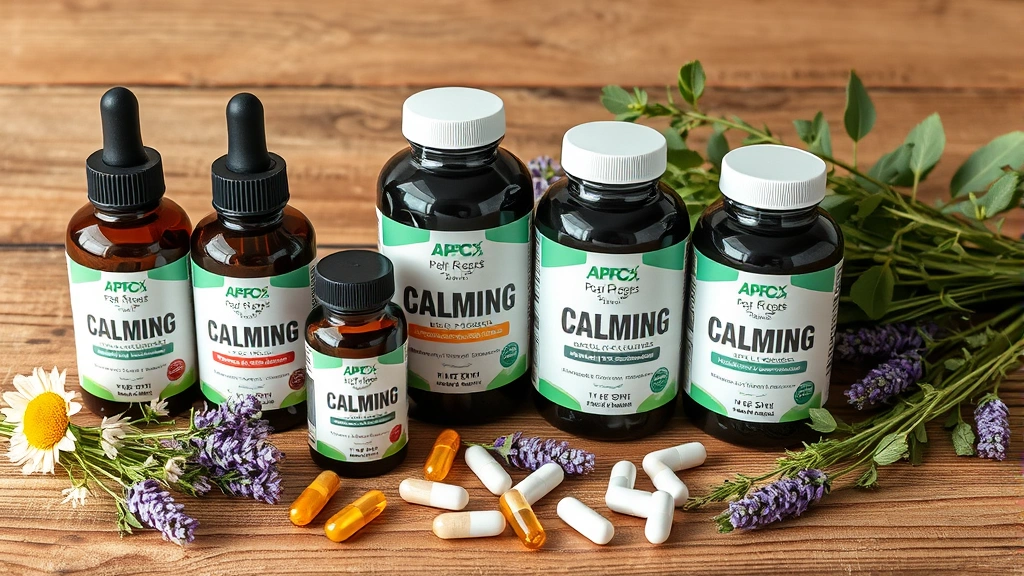
Popular calming supplements include L-theanine (an amino acid that promotes relaxation), chamomile, and CBD. Many pet parents also incorporate sensitive stomach supplements because anxiety often triggers digestive issues in pets. Stress literally upsets their stomachs, so addressing both the mental and digestive components makes sense.
The combination approach is smart because anxiety in pets isn’t just a behavioral issue—it’s physiological. Your pet’s entire system is in fight-or-flight mode, so treating it holistically yields better results.
Essential Calming Ingredients to Look For
When shopping for calming collars and supplements, you’ll want to know what actually works. Here are the heavy hitters:
- L-Theanine: An amino acid that crosses the blood-brain barrier and promotes relaxation without sedation. Your pet stays alert but chill.
- Chamomile: The classic relaxation herb. It’s been used for centuries in humans, and it works similarly in pets.
- Valerian Root: A natural sedative that helps with sleep and anxiety. Use cautiously as it can cause drowsiness.
- Ashwagandha: An adaptogenic herb that helps pets manage stress responses over time.
- Magnesium: Essential for nervous system function. Many anxious pets are deficient in this mineral.
Check the ingredient list on any supplement you consider. You want transparency and recognizable components, not mystery powders with unpronounceable names.
The Four Essential Ways Calming Collars Supplements Work Together
1. External Pheromone Release Meets Internal Calm
Your calming collar releases pheromones throughout the day, while supplements provide sustained internal support. It’s continuous coverage—like having a security blanket and a therapist working simultaneously. The collar handles the immediate environmental anxiety triggers, while supplements support your pet’s overall stress resilience.
2. Addressing Both Behavioral and Physiological Responses
Anxiety isn’t just in your pet’s head (literally, it is, but you know what I mean). It triggers physical responses: increased heart rate, digestive upset, muscle tension. Calming collars address the behavioral component while supplements support the physiological systems involved in the stress response. Together, they’re more effective than either alone.
3. Creating a Multi-Sensory Calming Environment
Pheromone collars work on the olfactory system, while many supplements contain ingredients that affect neurotransmitters like serotonin and GABA. You’re essentially creating a multi-channel approach to relaxation. It’s like having white noise, aromatherapy, and a weighted blanket all working at once.
4. Supporting Long-Term Stress Resilience
Unlike quick fixes, the combination of collars and supplements helps build your pet’s resilience to stress over time. With consistent use, many pets show improved responses to anxiety triggers within 2-4 weeks. The collar provides immediate comfort while supplements work on deeper neurological patterns.
Choosing the Right Calming Collar for Your Pet
Not all calming collars are created equal, and your pet’s preferences matter. Some dogs are sensitive to scents, while others barely notice them. Here’s how to choose:
For Pheromone-Sensitive Pets: Start with a quality pheromone collar from established brands. Look for ones specifically formulated for your pet’s species (dog vs. cat—they’re different).
For Scent-Sensitive Pets: Some collars use essential oils instead of pheromones. Lavender and chamomile are popular choices, but introduce them gradually to ensure your pet doesn’t have adverse reactions.
For Combination Therapy: If you’re already using liquid probiotics for pets or other supplements, make sure the collar’s ingredients don’t conflict. Most combinations are safe, but it’s worth double-checking with your vet.
Supplement Timing and Dosing for Maximum Effectiveness
Here’s something many pet parents get wrong: timing matters. If you’re giving your pet calming supplements, you want them in their system before anxiety-triggering events. Give supplements 30-60 minutes before thunderstorms, car rides, or vet visits for best results.
For ongoing anxiety, consistency is key. Daily supplementation builds up in your pet’s system and provides better baseline calm. Think of it like your own coffee routine—one cup helps, but consistent daily intake establishes your new normal.
Dosing depends on your pet’s weight and the specific supplement. Always follow label instructions and consult your vet about proper dosing. More isn’t better when it comes to supplements; you want therapeutic levels, not overdoses.
Combining with Behavioral Training and Environmental Changes
Here’s the real talk: calming collars and supplements aren’t magic wands. They work best as part of a comprehensive anxiety management plan. Combine them with:
- Desensitization training: Gradually expose your pet to anxiety triggers in controlled ways
- Counter-conditioning: Pair anxiety triggers with positive experiences
- Environmental modifications: Create safe spaces where your pet can retreat
- Consistent routine: Predictability reduces anxiety
Think of calming collars and supplements as the foundation that makes training more effective. When your pet’s anxiety is reduced, they’re more capable of learning new responses to triggers. It’s synergistic—each component makes the others work better.
Safety Considerations and When to Involve Your Vet
Most calming collars and supplements are safe, but there are important considerations. Some pets have sensitivities to specific ingredients, and certain medications can interact with supplements. Always inform your vet about what you’re using.
If your pet shows signs of severe anxiety—destructive behavior, aggression, or self-injury—calming collars and supplements alone might not be enough. Your vet can assess whether prescription medications or professional behavioral training is necessary.
Also, be aware that some supplements can cause drowsiness. If your pet operates heavy machinery (okay, they don’t, but you get the idea), monitor how they respond to new supplements before relying on them during critical situations.
Real-World Success Stories and Realistic Expectations
Pet parents report varying degrees of success with calming collars and supplements. Some see dramatic improvements within days, while others notice gradual changes over weeks. Individual variation is huge—what works amazingly for your friend’s golden retriever might be less effective for your anxious chihuahua.

The most honest assessment: calming collars and supplements work for many pets, but not all. Success rates hover around 60-75% when used properly as part of a comprehensive approach. That’s pretty solid odds, and even partial improvement in your pet’s anxiety is worth celebrating.
Many vets now recommend starting with calming collars and supplements before jumping to prescription medications, making them a smart first-line intervention. They’re non-invasive, generally safe, and can significantly improve quality of life for anxious pets.
Frequently Asked Questions
How long do calming collars last?
Most pheromone collars last 30 days before needing replacement. Some brands offer extended-release versions lasting up to 60 days. Always check the manufacturer’s specifications for your specific collar. If you’re also using multi-strain probiotics for pets or other ongoing supplements, you might want to replace the collar at the same time for consistency.
Can I use calming collars and supplements together safely?
Yes, absolutely! In fact, combining them is often more effective than using either alone. Just check ingredient lists to ensure there’s no overlap that could cause excessive drowsiness. When in doubt, ask your vet about specific combinations.
Are calming supplements safe for long-term use?
Most calming supplements are safe for long-term use, but this depends on the specific ingredients. Natural doesn’t always mean harmless, and some supplements can cause issues with prolonged use. Discuss long-term supplementation with your vet to ensure it’s appropriate for your pet’s individual health profile.
How quickly will I see results?
Pheromone collars can start working within hours, though peak effectiveness often takes 1-2 weeks. Supplements typically require 2-4 weeks of consistent use to show noticeable results. Patience is important—anxiety management isn’t always immediate.
What if my pet has a sensitive stomach?
If your pet has a sensitive stomach, introduce supplements gradually and watch for digestive upset. Consider powder probiotics for cats or similar digestive support alongside calming supplements to minimize gastrointestinal issues. Some pets benefit from taking supplements with food rather than on an empty stomach.
Do calming collars work for all pets?
Not every pet responds to calming collars—success rates are around 60-75%. Factors like age, temperament, severity of anxiety, and individual neurochemistry all play roles. If your pet doesn’t respond after 2-3 weeks of consistent use, try a different brand or approach.
Conclusion: Creating Your Pet’s Anxiety Management Plan
Calming collars and supplements represent a practical, non-invasive approach to managing pet anxiety. When used together as part of a comprehensive strategy that includes behavioral training and environmental modifications, they can significantly improve your anxious pet’s quality of life.
Start with a quality pheromone collar and a well-formulated calming supplement, give them time to work, and monitor your pet’s response. Combine this approach with consistent training and a calm home environment, and you’ll likely see meaningful improvements in your pet’s anxiety levels.
Remember, every pet is unique. What works brilliantly for one dog might need tweaking for another. Be patient, stay consistent, and don’t hesitate to involve your vet in the process. Your anxious pet is lucky to have someone willing to invest this much in their emotional wellbeing. Now go forth and create the zen zone your furry friend deserves!
For more information on supporting your pet’s overall wellness, check out our blog for additional resources on pet health and nutrition.





