

Maintaining your dog’s ear health is one of the most important aspects of regular grooming that many pet owners overlook. Clean ears not only keep your furry friend comfortable but also prevent painful infections that can lead to serious health complications. Dogs with floppy ears, swimming habits, or allergies are particularly susceptible to ear problems, making regular cleaning an essential part of their care routine.
Understanding how to properly clean your dog’s ears can save you expensive veterinary bills and keep your pup happy and healthy. With the right techniques, tools, and knowledge, ear cleaning becomes a simple task that strengthens the bond between you and your pet while ensuring their optimal well-being.
Understanding Your Dog’s Ear Anatomy
Before diving into cleaning techniques, it’s crucial to understand your dog’s ear structure. Unlike human ears, dogs have L-shaped ear canals that make them more prone to trapping debris, moisture, and bacteria. The outer ear consists of the pinna (the visible flap) and the ear canal, which extends down and then horizontally toward the eardrum.
This unique anatomy means that debris can easily become lodged deep within the canal, creating an ideal environment for bacteria and yeast to flourish. The American Veterinary Medical Association emphasizes that understanding this anatomy is key to safe and effective ear cleaning.
Different breeds have varying ear shapes and sizes, from the upright ears of German Shepherds to the long, pendulous ears of Basset Hounds. Each type presents unique challenges and requires slightly different approaches to cleaning and maintenance.
Signs Your Dog’s Ears Need Cleaning
Recognizing when your dog’s ears need attention is the first step in maintaining proper ear health. Healthy ears should be pink, odorless, and relatively clean. However, several signs indicate it’s time for a thorough cleaning session.
Visual indicators include visible wax buildup, dark discharge, or debris accumulation in the ear canal. You might notice your dog scratching their ears excessively, shaking their head frequently, or tilting their head to one side. These behaviors often signal discomfort or irritation that cleaning can address.
Odor is another telltale sign – healthy ears have little to no smell, while infected or dirty ears may produce a sweet, musty, or unpleasant odor. If you notice any unusual discharge, especially if it’s bloody, green, or thick, this warrants immediate veterinary attention rather than home cleaning.
Some dogs may also show behavioral changes when their ears are bothering them, such as reluctance to have their head touched or increased irritability. Learning to recognize how to clean dogs ears properly becomes essential when these signs appear.
Essential Supplies for Ear Cleaning
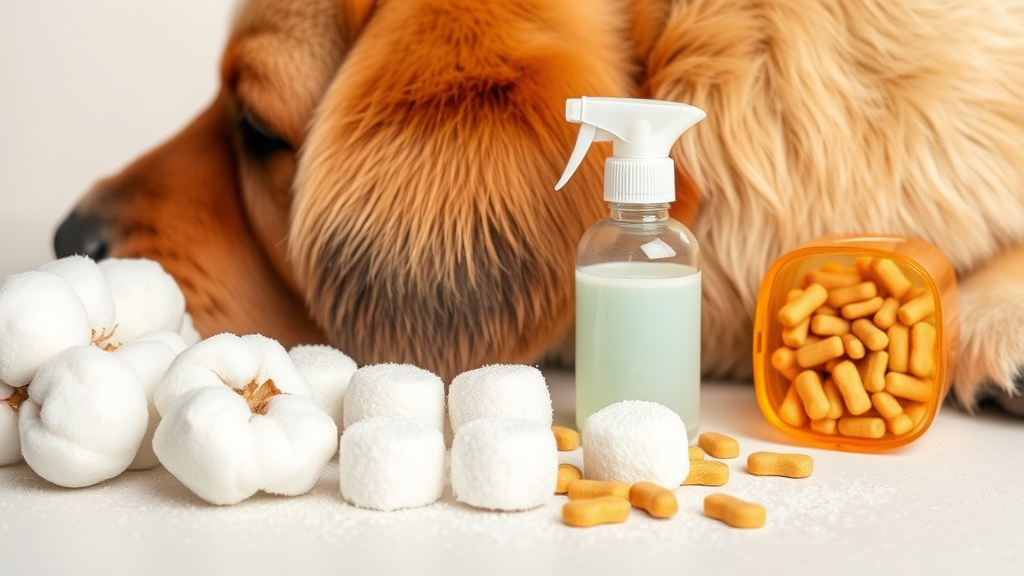
Having the right supplies makes ear cleaning safer and more effective. The most important item is a veterinary-approved ear cleaning solution. Avoid using water, hydrogen peroxide, or alcohol, as these can irritate the delicate ear tissues or worsen existing problems.
Cotton balls or gauze pads are essential for wiping away debris and excess cleaning solution. Never use cotton swabs (Q-tips) inside your dog’s ears, as they can push debris deeper into the canal or damage the eardrum. The American Kennel Club strongly advises against cotton swab use in dog ears.
You’ll also need treats to reward your dog throughout the process, making future cleaning sessions easier. A towel can help contain any mess, and having a helper can be invaluable for anxious or squirmy dogs. Some pet owners find that hemostats or tweezers are useful for removing visible debris, but these should only be used by experienced handlers.
Step-by-Step Cleaning Guide
Start by choosing a quiet, well-lit area where your dog feels comfortable. Begin with a few treats and gentle petting to help your dog relax. If your pet is particularly anxious, consider doing this process gradually over several days, starting with just handling their ears.
Gently lift the ear flap and examine the ear canal. Remove any visible debris with cotton balls, but avoid going deeper than you can see. Squeeze the ear cleaning solution into the ear canal – don’t be afraid to use a generous amount, as the L-shaped canal requires thorough saturation.
Gently massage the base of the ear for 20-30 seconds. You should hear a squishing sound, which indicates the solution is breaking up debris. Allow your dog to shake their head – this natural action helps bring loosened debris up and out of the ear canal.
Use cotton balls to wipe away the debris and excess solution from the ear canal and surrounding area. Repeat this process if necessary, and don’t forget to reward your dog with treats and praise throughout. The entire process should take 5-10 minutes per ear once you’re experienced.

How Often to Clean Your Dog’s Ears
The frequency of ear cleaning varies significantly based on your dog’s breed, lifestyle, and individual needs. Dogs with upright ears typically need less frequent cleaning than those with floppy ears, as air circulation naturally helps keep their ears dry and clean.
Most dogs benefit from weekly ear cleaning, but some may need it more or less frequently. Dogs that swim regularly, have allergies, or produce excessive ear wax may require cleaning 2-3 times per week. Conversely, dogs with naturally clean, healthy ears might only need monthly cleaning.
The PetMD veterinary resource recommends establishing a routine and monitoring your dog’s response. Over-cleaning can actually cause irritation and disrupt the ear’s natural protective mechanisms, so finding the right balance is crucial.
Keep a cleaning log to track frequency and your dog’s ear condition. This information is valuable for your veterinarian and helps you identify patterns or potential problems early.
Special Considerations by Breed
Different breeds have unique ear care requirements based on their ear shape, size, and genetic predispositions. Dogs with long, pendulous ears like Cocker Spaniels, Basset Hounds, and Golden Retrievers are more prone to ear infections due to reduced air circulation.
Breeds with hair growing inside their ear canals, such as Poodles and their crosses, may need professional grooming to remove excess hair. This hair can trap debris and moisture, creating ideal conditions for bacterial growth. However, hair removal should be done carefully to avoid irritation.
Dogs with naturally upright ears, like German Shepherds or Belgian Malinois, typically have fewer ear problems but still benefit from regular cleaning. Their ears naturally stay drier and have better air circulation, but they can still accumulate debris and wax.
Water-loving breeds need special attention to ear drying after swimming or bathing. Consider using ear drying solutions specifically designed for dogs who swim frequently, and always thoroughly dry the ears after water exposure.
Warning Signs and When to See a Vet
While regular cleaning prevents many ear problems, certain signs indicate the need for professional veterinary care. Red, swollen, or painful ears suggest inflammation or infection that requires medical treatment rather than simple cleaning.
Discharge that is thick, bloody, or has a strong odor indicates a possible infection. Similarly, if your dog shows signs of hearing loss, balance problems, or extreme head tilting, these could indicate serious ear issues requiring immediate attention.
If you encounter resistance when inserting the cleaning solution, or if your dog shows extreme pain during cleaning, stop immediately and consult your veterinarian. Sometimes what appears to be a simple cleaning issue is actually a more complex problem like what causes hot spots on dogs or other skin conditions affecting the ear area.
Chronic ear problems may indicate underlying allergies, hormone imbalances, or other systemic issues. The ASPCA recommends professional evaluation for recurring ear problems to address root causes rather than just symptoms.
Prevention Tips for Healthy Ears
Prevention is always better than treatment when it comes to ear health. Keep your dog’s ears dry, especially after swimming or bathing. Use cotton balls to gently absorb moisture from the outer ear canal, but never push them deep into the ear.
Regular grooming helps maintain overall ear health. Trim hair around the ear opening to improve air circulation, and consider professional grooming for breeds that grow hair inside their ear canals. However, be cautious about using products that might cause irritation – for instance, understanding whether is eucalyptus safe for dogs is important when choosing cleaning products.
Monitor your dog’s environment for allergens that might contribute to ear problems. Dust, pollen, and certain foods can trigger allergic reactions that manifest as ear inflammation. Keep your dog’s bedding clean and consider using air purifiers if environmental allergies are a concern.
Maintain a healthy diet rich in omega-3 fatty acids, which support skin and ear health. Regular exercise boosts overall immune function, helping your dog’s body naturally resist infections. The Humane Society emphasizes the connection between overall health and ear health.
Be aware of other health issues that might affect ear health. For example, knowing whether can dogs get lice helps you identify potential irritants that could lead to excessive scratching and secondary ear problems.
Frequently Asked Questions
How often should I clean my dog’s ears?
Most dogs benefit from weekly ear cleaning, but frequency depends on breed, lifestyle, and individual needs. Dogs with floppy ears, swimmers, and those with allergies may need cleaning 2-3 times weekly, while dogs with upright ears and no issues might only need monthly cleaning. Monitor your dog’s ears and adjust frequency based on their condition.
What cleaning solution should I use for my dog’s ears?
Always use veterinary-approved ear cleaning solutions specifically designed for dogs. Avoid water, hydrogen peroxide, alcohol, or human ear cleaning products, as these can irritate your dog’s ears or worsen existing problems. Commercial dog ear cleaners are formulated to be gentle yet effective for canine ear anatomy.
Can I use cotton swabs to clean my dog’s ears?
Never use cotton swabs (Q-tips) inside your dog’s ear canal. They can push debris deeper into the ear or damage the eardrum. Instead, use cotton balls or gauze pads to clean only the areas you can see. The dog’s ear canal is L-shaped, making cotton swabs particularly dangerous.
My dog hates ear cleaning – what can I do?
Start slowly by just handling your dog’s ears during regular petting sessions. Use high-value treats and praise throughout the process. Consider breaking the cleaning into smaller steps over several days. If your dog remains extremely resistant, consult your veterinarian about sedation options or professional cleaning.
What should I do if I notice discharge or a bad smell?
Discharge, especially if it’s thick, bloody, or has a strong odor, indicates a possible ear infection requiring veterinary attention. Don’t attempt to clean infected ears at home, as this might worsen the condition. Schedule a veterinary appointment for proper diagnosis and treatment.
Can ear infections spread to other parts of my dog’s body?
While ear infections typically remain localized, severe or chronic infections can potentially spread to surrounding tissues or indicate systemic issues. Additionally, excessive scratching due to ear discomfort can lead to secondary skin problems. This is why understanding related conditions and whether treatments like can you put neosporin on a dog are safe becomes important for comprehensive care.
Are certain dog breeds more prone to ear problems?
Yes, breeds with floppy ears (like Cocker Spaniels, Basset Hounds), dogs with hair growing in their ear canals (like Poodles), and water-loving breeds are more susceptible to ear problems. However, any dog can develop ear issues, so regular monitoring and cleaning are important regardless of breed. Understanding breed-specific risks helps tailor your ear care routine appropriately.





