

Pet health monitoring isn’t just about catching problems after they happen—it’s about being proactive, staying ahead of the curve, and keeping your furry friend thriving like the champion they are. Whether you’ve got a bouncy golden retriever, a sassy cat, or a tiny hamster with an attitude, understanding how to monitor your pet’s health can literally add years to their life and keep them doing the zoomies well into their senior years.
Why Pet Health Monitoring Matters More Than You Think
Listen, we get it. Life is chaotic. Between work, kids, and pretending to have your life together on social media, tracking your pet’s health might feel like another thing on an already overflowing to-do list. But here’s the thing: pet health monitoring is genuinely one of the easiest ways to catch serious issues before they become expensive, heartbreaking problems. Think of it as insurance for your pet’s happiness—and your wallet.
Regular monitoring helps you spot subtle changes that might indicate illness, nutritional deficiencies, or behavioral issues. Your vet will thank you, your pet will thank you, and honestly, you’ll sleep better at night knowing you’re doing everything possible to keep your furry companion healthy.
Track Your Pet’s Weight Like a Boss
Weight is basically the MVP of pet health indicators. A healthy weight means less stress on joints, better organ function, and a pet who can actually run without wheezing like they just climbed Everest. Pet health monitoring starts with knowing your animal’s ideal weight and checking in regularly.
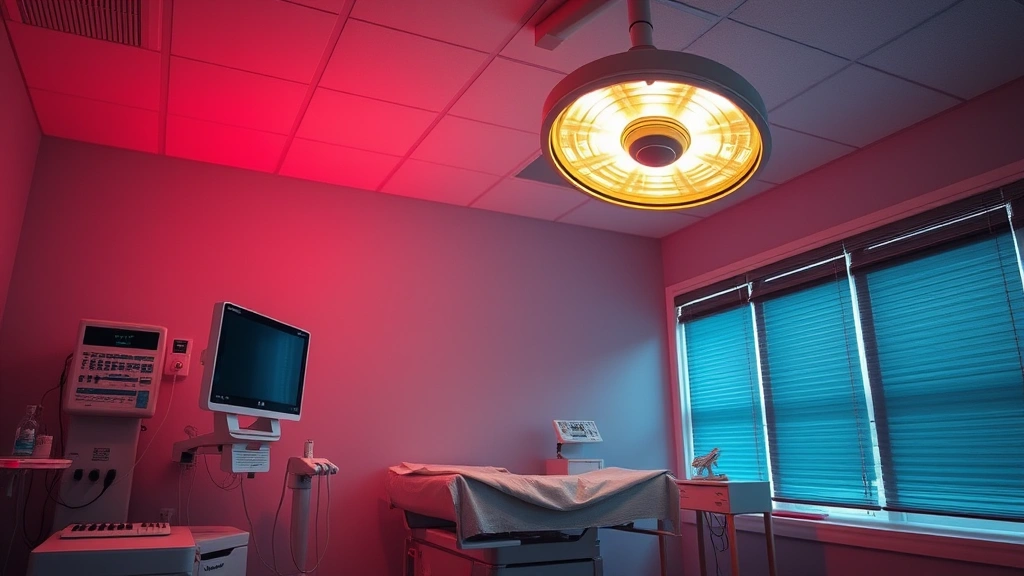
Weigh your pet monthly at home using a bathroom scale (weigh yourself, then weigh yourself holding your pet, and subtract). Most vets also offer free weigh-ins between appointments. A sudden weight gain or loss—we’re talking more than 10% change—is your body’s way of waving a red flag. Unexplained weight loss can indicate thyroid issues, diabetes, or dental problems, while weight gain often leads to obesity-related diseases.
Keep a simple log. Seriously, a notebook or your phone notes app works fine. You’ll be amazed at how useful this data becomes when you’re sitting in the vet’s office.
Monitor Eating and Drinking Habits Daily
Your pet’s eating and drinking patterns are like a health report card they submit every single day. Changes here are often the first sign something’s off. Pet health monitoring means paying attention to whether Fluffy is demolishing her kibble like usual or suddenly leaving food untouched.

Normal hydration is crucial—most pets should drink roughly an ounce of water per pound of body weight daily. If your cat suddenly starts chugging water like it’s going out of style, that’s worth mentioning to your vet. Excessive thirst can indicate diabetes, kidney disease, or hyperthyroidism.
Similarly, a sudden decrease in appetite can signal anything from dental disease to serious illness. Keep track of what’s normal for your pet and note any changes. This information is gold when diagnosing issues.
Observe Bathroom Habits and Digestive Health
Yes, we’re talking about poop. Glamorous? No. Important? Absolutely. Your pet’s bathroom habits reveal tons about their digestive health and overall wellness. Pet health monitoring includes noting the frequency, consistency, and color of your pet’s waste.
Healthy poop should be firm, consistent in color, and passed regularly (usually once or twice daily for dogs). Diarrhea, constipation, or changes in bathroom frequency warrant attention. Some pets benefit from multi-strain probiotics for pets, which support digestive balance and immune function.
If your pet has a sensitive stomach, you might explore sensitive stomach supplements to support their digestive system. For those preferring liquid formulations, liquid probiotics for pets offer easy administration and quick absorption.
Keep a simple chart: frequency, consistency (firm, soft, loose, hard), and any other observations. Blood in stool, mucus, or persistent changes definitely warrant a vet visit.

Check Coat and Skin Condition Regularly
A healthy coat is like a window into your pet’s overall health. Dull, matted, or flaky fur often indicates nutritional issues, allergies, parasites, or underlying health problems. Pet health monitoring means running your hands over your pet regularly, checking for abnormalities.
Look for excessive shedding, bald patches, redness, bumps, or scabs. Healthy skin should be pink (not red), and fur should be shiny and smooth. Itching can indicate fleas, mites, allergies, or infections. Don’t ignore persistent scratching—it’s your pet’s way of telling you something’s wrong.
Ear health matters too. Healthy ears should be pink inside, not red or swollen, and shouldn’t smell funky. Regular ear checks prevent infections before they become painful problems.

Monitor Energy Levels and Behavior Changes
Your pet’s personality is unique, and you know their baseline better than anyone. Pet health monitoring includes noticing behavioral shifts that might indicate illness or discomfort. A normally playful pup suddenly becoming a couch potato? That’s worth investigating.
Changes in behavior—lethargy, aggression, anxiety, confusion, or unusual vocalization—can all indicate health issues. Senior pets naturally slow down, but sudden changes warrant attention. Similarly, increased anxiety or aggression might indicate pain or neurological issues.
Keep mental notes of your pet’s typical energy levels, play habits, and interactions. When something feels off, trust your gut. You know your pet better than anyone, and veterinarians appreciate when owners provide detailed behavioral observations.
Schedule Regular Veterinary Check-ups
Pet health monitoring at home is awesome, but it’s not a substitute for professional veterinary care. Schedule wellness exams at least annually for healthy adult pets, twice yearly for seniors (over 7 years), and more frequently for puppies and kittens.
During these visits, your vet performs a thorough physical exam, checks vital signs, and can catch issues you might miss. They can also recommend preventative care like vaccinations, parasite prevention, and dental cleanings. Bring your notes and observations—this data helps your vet provide better care.
Use Technology to Your Advantage
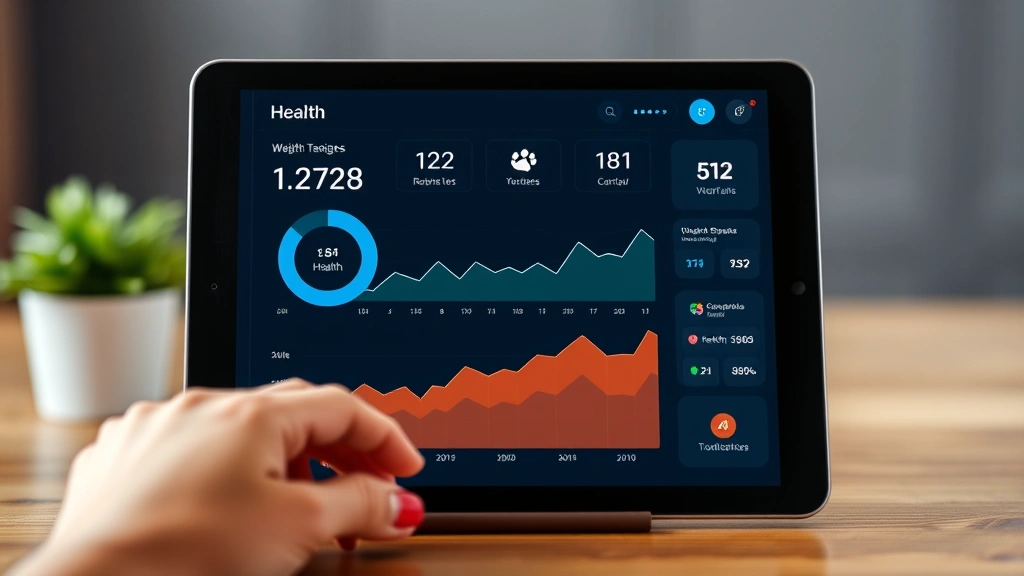
Welcome to 2024, where there’s literally an app for everything, including pet health monitoring. Various pet health apps let you track appointments, medications, vaccines, and health metrics. Some even sync with your vet’s office.
Wearable pet trackers monitor activity levels, sleep patterns, and can alert you to unusual behavior. While not necessary for every pet, these tools can be particularly helpful for senior pets or those with chronic conditions. They provide objective data that complements your observations.
Dental Care: The Overlooked Health Essential
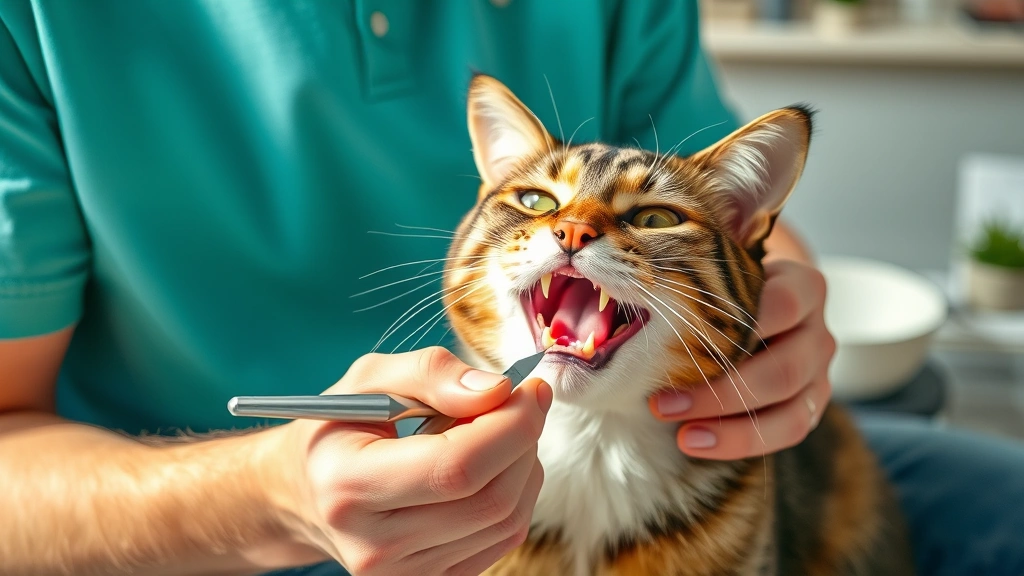
Dental disease affects over 80% of pets over age three, yet it’s often overlooked in pet health monitoring. Bad teeth aren’t just about breath—they can lead to serious infections affecting the heart, kidneys, and liver.
Brush your pet’s teeth daily if possible (yes, really). Schedule professional dental cleanings as recommended by your vet. Check teeth regularly for tartar buildup, broken teeth, or red, swollen gums. Dental health directly impacts overall wellness, so don’t skip this crucial aspect of pet health monitoring.

Nutrition: The Foundation of Wellness
You are what you eat, and so is your pet. Quality nutrition is fundamental to pet health monitoring and prevention. Feed high-quality, age-appropriate food suited to your pet’s specific needs.
Some pets benefit from specialized diets—senior formulas for older animals, prescription diets for those with health conditions, or limited ingredient diets for allergies. For cats, powder probiotics for cats can support digestive health when mixed into food.
Discuss nutrition with your vet. They can recommend appropriate foods and supplements based on your pet’s age, weight, activity level, and any health concerns. Proper nutrition prevents many diseases and supports longevity.

Create a Pet Health Record System
Organization is your friend. Create a simple system—digital or physical—to track your pet’s health information. Include vaccination records, medication lists, allergy information, past illnesses, and regular monitoring notes.
This system becomes invaluable during emergencies or when visiting new veterinarians. It also helps you spot patterns over time. You’ll notice seasonal allergies, recurring issues, or gradual changes that might otherwise go unnoticed.
Frequently Asked Questions
How often should I monitor my pet’s health?
Daily observation is ideal—check water and food intake, bathroom habits, energy levels, and physical condition. Weekly, do a more thorough check including weight, coat condition, and teeth. Monthly, weigh your pet and review any changes. Schedule veterinary exams at least annually, or twice yearly for senior pets.
What are signs my pet needs immediate veterinary attention?
Seek immediate care for difficulty breathing, unconsciousness, severe injuries, uncontrollable bleeding, inability to urinate or defecate, persistent vomiting, extreme lethargy, or signs of severe pain. When in doubt, call your vet—they’d rather you err on the side of caution.
Can I use pet health monitoring to replace veterinary care?
Absolutely not. Pet health monitoring at home complements professional veterinary care but never replaces it. Your vet provides expertise, diagnostic tools, and treatments you can’t administer at home. Use monitoring to enhance your vet’s care, not substitute for it.
What’s the best way to track pet health information?
Choose whatever system you’ll actually use—a notebook, smartphone notes, spreadsheet, or pet health app. Include dates, observations, and any changes. Share this information with your veterinarian during appointments. Consistency matters more than complexity.
How can probiotics support pet health monitoring efforts?
Probiotics support digestive health, which is a key indicator in pet health monitoring. A healthy digestive system improves nutrient absorption, supports immune function, and often results in better coat quality and energy levels. Digestive issues often surface first when something’s wrong, making gut health a crucial monitoring point.
Summary: Making Pet Health Monitoring Your Superpower
Pet health monitoring doesn’t require a veterinary degree or hours of work daily. It simply means paying attention to your pet, noticing changes, keeping basic records, and maintaining regular veterinary care. You’re already spending time with your pet—use that time to observe their health indicators.
Start with the basics: track weight monthly, notice eating and drinking patterns, observe bathroom habits, check coat and skin condition, and monitor energy levels and behavior. Use technology if it helps, maintain good nutrition, prioritize dental care, and keep organized records. Most importantly, maintain regular veterinary check-ups where you share your observations.
Your pet depends on you for their wellbeing, and honestly, they make it easy. They show you when something’s wrong—you just have to pay attention. By implementing these five essential pet health monitoring strategies, you’re not just adding years to your pet’s life; you’re adding life to those years. And that’s what being a great pet parent is all about.





