

Preventative care supplements are the unsung heroes of pet wellness, quietly working behind the scenes to keep your furry friend healthy, happy, and ready to conquer the world (or at least your living room). Instead of waiting for health problems to develop, smart pet parents are taking a proactive approach by incorporating targeted supplements into their pets’ daily routines.
Why Preventative Care Supplements Matter More Than Ever
Let’s be real: veterinary bills can make your wallet weep. The best way to keep those costs manageable is by preventing problems before they start. Preventative care supplements work like a financial and health insurance policy rolled into one furry package. Your pet’s body is constantly working to maintain balance, fight off pathogens, and repair itself. When you add the right supplements to the mix, you’re essentially giving your pet’s immune system a personal trainer.
Think of it this way—would you rather spend $50 on supplements now or $2,000 on emergency vet visits later? The math checks out, and so does your pet’s health.
Probiotics: The Gut Health Game-Changer
Your pet’s digestive system is basically a microscopic city, and the bacteria living there are the citizens. When things are balanced, everyone’s happy. When they’re not, you get digestive disasters. Multi-strain probiotics for pets are the peacekeepers of this bacterial metropolis, maintaining a healthy microbiome that supports everything from nutrient absorption to immune function.
The beauty of probiotic supplements is that they work preventatively by maintaining gut health before problems like diarrhea, constipation, or inflammatory bowel issues rear their ugly heads. Liquid probiotics for pets offer superior bioavailability, meaning your pet’s body can actually use them more effectively than some other forms.
Omega-3 Fatty Acids: The Inflammation Fighter
Omega-3 fatty acids are like anti-inflammatory ninjas—they slip into your pet’s body and quietly combat chronic inflammation before it becomes a problem. This preventative approach helps protect joints, supports cognitive function, and keeps that coat shinier than a freshly waxed sports car.
Unlike omega-6 fatty acids (which most pets get plenty of), omega-3s are often lacking in commercial pet foods. By supplementing with fish oil or algae-based omega-3s, you’re filling a nutritional gap that could otherwise lead to joint issues, skin problems, and cognitive decline down the road.
Joint Support Supplements: Future-Proofing Mobility
Here’s something that’ll make you feel old: your young, spry puppy or kitten is going to age. Sad but true. Joint support supplements containing glucosamine, chondroitin, and MSM are like preventative maintenance for your pet’s skeletal system. Starting these supplements early—especially in large breed dogs prone to hip dysplasia—can significantly delay or even prevent arthritis and mobility issues.
The key is starting before problems develop. It’s much easier to maintain healthy joints than to rehabilitate damaged ones. Think of it as the difference between regular car maintenance and rebuilding an engine.
Antioxidants: The Age-Defying Arsenal
Free radicals are basically tiny terrorists attacking your pet’s cells, causing oxidative stress and accelerating aging. Antioxidant supplements—including vitamins C and E, beta-carotene, and selenium—neutralize these troublemakers before they cause lasting damage.
By incorporating antioxidant-rich supplements into your pet’s regimen, you’re essentially putting a force field around their cells. This preventative strategy helps maintain cognitive function, supports eye health, and promotes overall longevity. It’s like giving your pet a time machine that slows down the aging process.
Immune-Boosting Supplements: Building Internal Defenses
Your pet’s immune system is its first line of defense against illness and infection. Immune-boosting supplements containing ingredients like beta-glucans, medicinal mushrooms, and vitamin D help strengthen this defense system before invaders arrive.
Rather than waiting for your pet to catch a cold or develop an infection, preventative immune support means fewer sick days, less time at the vet, and more time doing what your pet does best: being adorable and causing chaos.
Digestive Enzymes: The Nutrient Extraction Specialists
Even the best diet is worthless if your pet’s body can’t properly break down and absorb the nutrients. Digestive enzyme supplements help your pet extract maximum nutrition from their food, supporting overall health and preventing nutritional deficiencies before they develop.

This is especially important for pets with sensitive stomach supplements needs, where digestive efficiency is already compromised. By adding enzymes preventatively, you’re ensuring your pet’s digestive system operates at peak efficiency.
Cognitive Support Supplements: Keeping Minds Sharp
Cognitive decline in aging pets is real, but it’s not inevitable. Supplements containing DHA, phosphatidylserine, and antioxidants support brain health and can help prevent or delay cognitive dysfunction syndrome (basically dementia in pets).
Starting cognitive support supplements in middle age can make a significant difference in your senior pet’s quality of life. You’ll notice your older friend staying more alert, responsive, and engaged with the world around them.
Skin and Coat Supplements: Beauty From the Inside Out
A healthy coat isn’t just about looks—it’s a window into your pet’s overall health. Preventative skin and coat supplements containing biotin, zinc, and essential fatty acids support skin barrier function and prevent common issues like dry skin, itching, and excessive shedding before they start.
Instead of dealing with chronic skin problems that require constant treatment, preventative supplementation maintains skin health proactively. Your pet will look better, feel better, and you’ll spend less time vacuuming fur off every surface.
Choosing the Right Preventative Care Supplements for Your Pet
Not all supplements are created equal, and not every supplement is right for every pet. Here’s what to consider:
Consult Your Veterinarian: Before starting any supplement regimen, talk to your vet. They understand your pet’s individual health status and can recommend appropriate preventative measures. According to the American Kennel Club, veterinary guidance is essential for proper supplementation.
Quality Matters: Look for supplements from reputable manufacturers that undergo third-party testing. This isn’t where you want to save money—cheap supplements might contain fillers, contaminants, or inaccurate ingredient amounts.
Check for Certifications: Look for seals from organizations like the AAFCO (Association of American Feed Control Officials) or NSF International, which verify that products contain what they claim.
Consider Your Pet’s Age and Breed: A large breed puppy needs different preventative support than a senior cat. Tailor your supplement choices to your pet’s specific risk factors and life stage.
Start Slowly: Introduce supplements gradually to monitor for any adverse reactions. Some pets have sensitivities to certain ingredients, and slow introduction helps you identify problems quickly.
The Financial Reality of Preventative Care Supplements
Yes, supplements cost money. But consider this: a single emergency vet visit for a preventable condition can cost $1,000-$5,000. A year’s worth of preventative supplements typically runs $200-$600, depending on what you’re using. The math is pretty compelling.
Plus, there’s the quality of life factor. Your pet stays healthier, more active, and more comfortable. That’s priceless.
Common Questions About Preventative Care Supplements
Frequently Asked Questions
Can supplements replace a healthy diet?
Absolutely not. Supplements are exactly what the name implies—they supplement a healthy diet. They fill nutritional gaps and provide targeted support, but they can’t replace quality nutrition. Think of them as the cherry on top of an already solid health foundation.
How long does it take to see results from preventative supplements?
This varies depending on the supplement and what you’re trying to prevent. Some benefits (like improved coat quality) might show within weeks. Others (like joint health maintenance) work more subtly over months and years. Patience is key with prevention—you’re not treating an acute problem, you’re avoiding future ones.
Are there any risks to giving supplements to young pets?
When chosen appropriately and given in correct dosages, supplements are generally safe for young pets. However, some supplements aren’t appropriate for growing animals (like excessive calcium in large breed puppies), which is why veterinary guidance is crucial. According to PetMD, age-appropriate supplementation is essential.
Can I give my pet multiple supplements at once?
Yes, but strategically. Many supplements work synergistically, but some can interfere with each other or with medications. This is another reason to work with your veterinarian—they can help you create a supplement protocol that works together harmoniously rather than at cross-purposes.
What’s the difference between preventative and therapeutic supplements?
Preventative supplements maintain health and prevent problems from developing. Therapeutic supplements are used to treat existing conditions. You might use preventative joint supplements to keep healthy joints healthy, and therapeutic joint supplements when arthritis has already developed. Both have their place.
How do I know if my pet needs preventative supplements?
Every pet benefits from some level of preventative supplementation, but the specific needs depend on breed, age, lifestyle, and genetics. A senior large breed dog might benefit from joint support and cognitive supplements. A young cat might benefit from probiotics and omega-3s. Your vet can help identify your pet’s specific preventative needs.
Making Preventative Care Supplements Part of Your Pet’s Routine
The best supplement in the world won’t help if you forget to give it. Make supplementation easy by:
Establishing a daily routine—same time every day, just like feeding. Many supplements work best when given with food, so pair them with meals. Use pill organizers or supplement dispensers to keep track. Set phone reminders if you’re forgetful (no judgment—we all are). Keep supplements easily accessible where you prepare your pet’s meals.
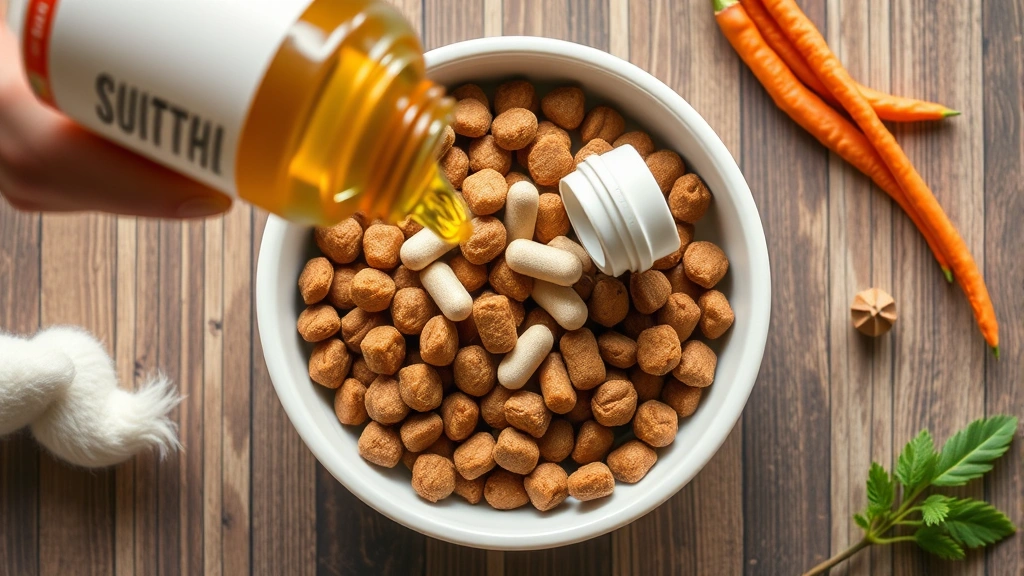
For pets that are supplement-resistant, consider powder probiotics for cats and other supplements that can be mixed into food or treats rather than given as pills.
Summary: Your Pet’s Health Investment
Preventative care supplements represent a smart investment in your pet’s long-term health and happiness. By taking a proactive approach to wellness rather than a reactive one, you’re setting your furry friend up for years of vitality, mobility, and engagement with life.
The combination of quality nutrition, regular veterinary care, appropriate exercise, and targeted supplementation creates a comprehensive preventative health strategy that actually works. Your pet will thank you—probably by knocking your water glass off the nightstand at 3 AM, but still, they’ll thank you.
Start by talking to your veterinarian about which preventative care supplements make sense for your pet’s specific situation. Then commit to consistency. Prevention isn’t exciting, but it’s effective. And in the long run, that’s what matters most.
Visit our blog for more information on pet health and wellness topics.





