

As a devoted dog parent, recognizing when your furry companion isn’t feeling well is one of your most important responsibilities. While dogs can’t verbally communicate their discomfort, their bodies provide clear signals when something is wrong. A fever in dogs is often one of the first indicators of illness, infection, or inflammation, making it crucial for pet owners to understand how to identify this condition early.
Unlike humans who can simply use a thermometer under their tongue, detecting a fever in dogs requires a different approach and keen observation skills. Understanding the normal temperature range for dogs, recognizing behavioral changes, and knowing when to seek veterinary care can make the difference between a quick recovery and a serious health crisis. This comprehensive guide will equip you with the knowledge needed to spot fever symptoms in your canine companion and take appropriate action.
Understanding Normal Dog Temperature
Before you can identify a fever in your dog, it’s essential to understand what constitutes a normal body temperature for canines. A dog’s normal body temperature ranges between 101°F and 102.5°F (38.3°C to 39.2°C), which is significantly higher than the human normal temperature of 98.6°F (37°C). This higher baseline temperature is completely normal and reflects the faster metabolic rate of dogs compared to humans.
Several factors can influence your dog’s body temperature throughout the day, including activity level, ambient temperature, stress, and time of day. According to the American Veterinary Medical Association, temperatures above 103°F (39.4°C) are considered elevated and warrant attention, while temperatures above 104°F (40°C) constitute a medical emergency requiring immediate veterinary intervention.
It’s important to note that puppies and senior dogs may have slightly different temperature ranges, and certain breeds with thick coats or flat faces may naturally run slightly warmer. Establishing a baseline temperature for your individual dog when they’re healthy can help you better recognize when something is amiss.

Physical Signs of Fever in Dogs
Dogs exhibit several physical manifestations when running a fever, and recognizing these signs can help you identify illness early. One of the most noticeable physical indicators is a warm, dry nose. While the old wives’ tale about a dog’s nose temperature isn’t always accurate for determining health, a consistently hot and dry nose combined with other symptoms can indicate fever.
Excessive panting is another common physical sign of fever in dogs. When your dog is running a temperature, they may pant excessively as their body attempts to cool down through rapid breathing. This panting often occurs even when the dog hasn’t been active or isn’t in a warm environment. Understanding why dogs pant can help you differentiate between normal thermoregulation and fever-related panting.
Other physical signs include warm ears that feel hot to the touch, red or bloodshot eyes, and a generally warm feeling when you pet your dog’s body. Some dogs may also experience shaking or trembling, particularly if they’re experiencing chills as their body temperature fluctuates. Dehydration often accompanies fever, so you may notice sticky gums, decreased skin elasticity, or sunken eyes.
Vomiting and diarrhea can also occur alongside fever, especially if the underlying cause is an infection or inflammatory condition. These symptoms can quickly lead to dehydration, compounding the seriousness of the situation and requiring prompt veterinary attention.
Behavioral Changes That Signal Fever
Behavioral changes often provide the earliest and most reliable indicators that your dog is running a fever. Lethargy and decreased activity levels are among the most common behavioral signs. A normally energetic dog may suddenly become reluctant to play, go for walks, or engage in their usual activities. They may spend more time sleeping or lying down and show little interest in their surroundings.
Loss of appetite is another significant behavioral indicator of fever. Dogs with elevated temperatures often refuse their regular food or show decreased interest in treats and snacks they normally find irresistible. This appetite suppression is the body’s natural response to illness and helps conserve energy for fighting infection or inflammation.
You may also notice changes in your dog’s social behavior. Some dogs become clingy and seek extra comfort from their owners when feeling unwell, while others may withdraw and prefer to be left alone. Changes in sleeping patterns, such as sleeping more than usual or seeming restless and uncomfortable, can also indicate fever.
Increased thirst may occur as the body attempts to combat dehydration associated with fever. However, some dogs may drink less due to nausea or general malaise. Monitoring these behavioral changes alongside physical symptoms provides a more complete picture of your dog’s health status.
How to Properly Take Your Dog’s Temperature
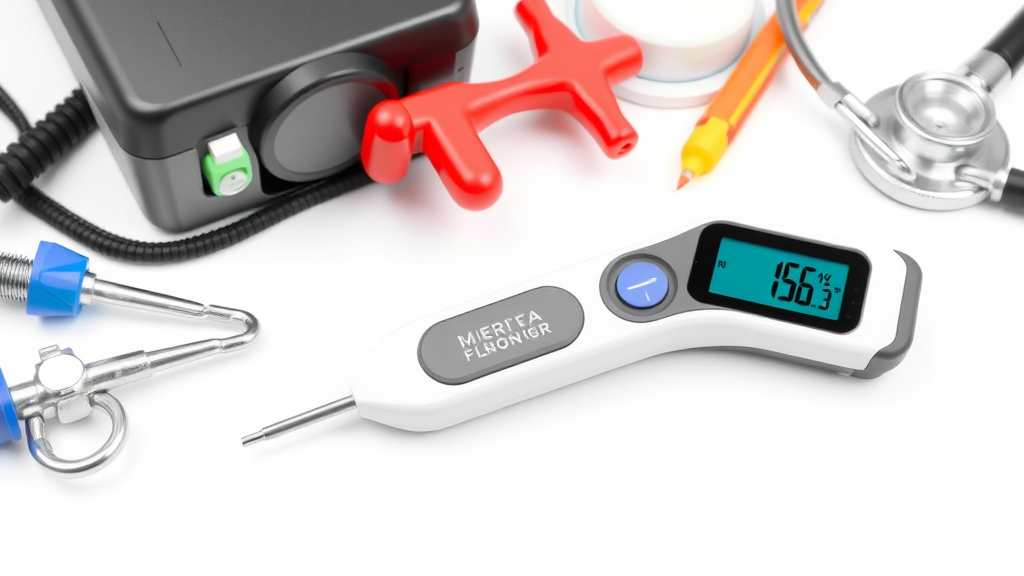
Taking your dog’s temperature rectally is the most accurate method for determining if they have a fever. While this process may seem daunting, it’s a valuable skill every dog owner should master. You’ll need a digital thermometer specifically designed for pets, petroleum jelly or water-based lubricant, and a calm, patient approach.
Before beginning, ensure your dog is as calm and comfortable as possible. Having a helper to gently restrain and comfort your dog can make the process easier and safer for everyone involved. Apply a small amount of lubricant to the thermometer tip to ensure smooth insertion.
Lift your dog’s tail gently and insert the thermometer about one inch into the rectum. Hold it steady and wait for the digital reading, which typically takes 1-2 minutes. Never force the thermometer or insert it deeper than necessary, as this can cause injury or extreme discomfort to your pet.
If taking a rectal temperature proves too stressful for your dog or impossible due to their size or temperament, ear thermometers designed for pets can provide a reasonable alternative, though they may be less accurate. The American Kennel Club provides detailed guidance on proper temperature-taking techniques for dog owners.
Common Causes of Fever in Dogs
Understanding the various causes of fever in dogs can help you better assess the urgency of the situation and provide valuable information to your veterinarian. Bacterial infections are among the most common causes of fever in canines, affecting various body systems including the respiratory tract, urinary system, skin, and internal organs.
Viral infections can also trigger fever responses in dogs. Just as humans can contract respiratory viruses, dogs can get the flu and experience similar symptoms including fever, cough, and lethargy. Similarly, dogs can get colds that may result in elevated body temperature along with other respiratory symptoms.
Inflammatory conditions such as arthritis, inflammatory bowel disease, or autoimmune disorders can cause persistent or recurring fevers. Injuries, particularly deep wounds or surgical sites that become infected, may also result in fever as the body’s immune system responds to bacterial invasion.
Other potential causes include tick-borne diseases like Lyme disease or Rocky Mountain spotted fever, reactions to medications or vaccines, heat stroke, and certain types of cancer. According to veterinary research, identifying the underlying cause of fever is crucial for determining appropriate treatment strategies.
When to Contact Your Veterinarian
Knowing when to seek professional veterinary care is crucial for your dog’s health and recovery. Any temperature reading above 103°F (39.4°C) warrants immediate veterinary consultation, even if your dog appears otherwise normal. Temperatures above 104°F (40°C) constitute a medical emergency requiring immediate professional intervention.
Beyond temperature readings, certain combinations of symptoms require urgent veterinary attention. If your dog exhibits fever along with severe lethargy, persistent vomiting or diarrhea, difficulty breathing, seizures, or collapse, seek emergency veterinary care immediately. These symptoms may indicate serious conditions such as sepsis, organ failure, or severe dehydration.
The duration of fever is also important to consider. While a mild fever lasting less than 24 hours may resolve on its own, any fever persisting beyond this timeframe should be evaluated by a veterinarian. Puppies, senior dogs, and animals with compromised immune systems or chronic health conditions require more immediate attention when fever develops.
Never attempt to treat your dog’s fever with human medications. Many over-the-counter fever reducers that are safe for humans, including aspirin and ibuprofen, are toxic to dogs. Even if you’re wondering can I give my dog tylenol or considering how much benadryl might be safe, always consult your veterinarian before administering any medication.
Home Care and Comfort Measures
While veterinary care is essential for treating the underlying cause of fever, there are several supportive care measures you can implement at home to help your dog feel more comfortable. Ensuring adequate hydration is paramount, as fever increases fluid loss through panting and can quickly lead to dehydration.
Offer fresh, clean water frequently and consider adding low-sodium chicken broth to encourage drinking if your dog seems reluctant to consume plain water. Ice cubes can provide both hydration and cooling relief for some dogs, though monitor to ensure they don’t cause stomach upset.
Creating a comfortable, cool environment can help your feverish dog regulate their body temperature more effectively. Provide access to cool surfaces like tile floors, and consider using fans to improve air circulation. Avoid forcing your dog to lie on cooling mats or applying ice directly to their body, as this can cause rapid temperature changes that may be harmful.
Encourage rest by providing a quiet, comfortable space away from household activity and other pets. Soft bedding in a temperature-controlled room allows your dog to rest without additional stress. Monitor food intake and offer easily digestible options like plain boiled chicken and rice if your veterinarian approves, but don’t force eating if your dog shows no interest.
Prevention and Health Monitoring
Preventing fever in dogs often involves maintaining overall health through regular veterinary care, proper nutrition, and disease prevention strategies. Annual wellness examinations allow veterinarians to detect potential health issues before they develop into fever-causing conditions. Staying current with vaccinations helps protect against many viral and bacterial infections that commonly cause fever in dogs.
Regular parasite prevention, including flea, tick, and heartworm control, reduces the risk of vector-borne diseases that frequently cause fever. The Centers for Disease Control and Prevention emphasizes the importance of preventive care in maintaining pet health and preventing zoonotic disease transmission.
Establishing baseline health parameters for your dog, including normal temperature, behavior patterns, and appetite, helps you recognize when something is amiss. Keep a health journal noting any changes in behavior, appetite, or physical condition, as this information can be valuable for your veterinarian when diagnosing illness.
Environmental management also plays a role in fever prevention. Maintain clean living conditions, provide fresh water daily, and avoid exposing your dog to potentially contaminated environments or sick animals. Regular dental care can prevent oral infections that sometimes lead to systemic illness and fever.
Frequently Asked Questions
What is considered a normal temperature for dogs?
A normal temperature for dogs ranges between 101°F and 102.5°F (38.3°C to 39.2°C). This is higher than human normal temperature and reflects dogs’ faster metabolic rate. Temperatures above 103°F are considered elevated and warrant veterinary attention.
Can I use a human thermometer to check my dog’s temperature?
While you can use a digital human thermometer for dogs, it’s recommended to have a dedicated pet thermometer for hygiene reasons. Rectal temperature measurement is the most accurate method, requiring a well-lubricated thermometer inserted about one inch into the rectum.
How long should I wait before calling the vet if my dog has a fever?
Any temperature above 103°F warrants immediate veterinary consultation. Temperatures above 104°F constitute an emergency. Even with mild fever, contact your vet if symptoms persist beyond 24 hours or if your dog shows additional concerning signs like severe lethargy, vomiting, or difficulty breathing.
Can I give my dog human fever medication?
Never give dogs human fever medications like aspirin, ibuprofen, or acetaminophen, as these can be toxic to dogs. Only use medications specifically prescribed by your veterinarian. Many human medications that are safe for people can cause serious harm or death in dogs.
What should I do if I can’t take my dog’s temperature?
If you cannot take your dog’s temperature, focus on observing other fever symptoms such as excessive panting, lethargy, loss of appetite, warm ears, or behavioral changes. Document these observations and contact your veterinarian to discuss your concerns and determine if an examination is needed.
Are certain dog breeds more prone to fever?
While any dog can develop a fever, brachycephalic breeds (flat-faced dogs) like Bulldogs and Pugs may have more difficulty regulating body temperature and could be at higher risk for heat-related illnesses. Senior dogs and puppies also have less robust immune systems and may be more susceptible to infections that cause fever.
How can I help cool down my feverish dog at home?
Provide access to cool, fresh water and a comfortable environment with good air circulation. Allow your dog to rest on cool surfaces like tile floors, and use fans to improve airflow. Avoid rapid cooling methods like ice baths, which can be dangerous. Focus on supportive care while seeking veterinary treatment for the underlying cause.





