
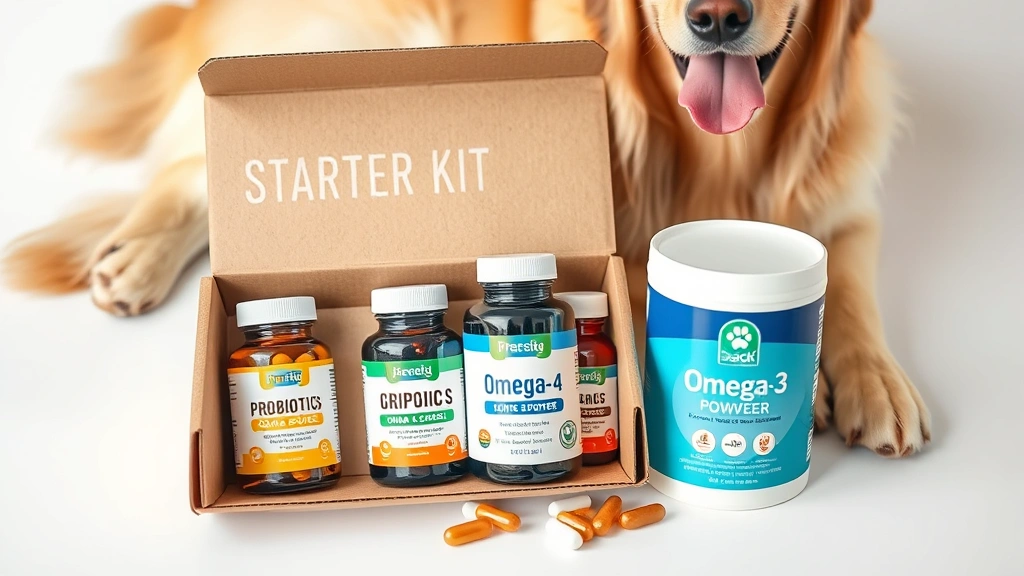
If you’re looking to give your furry friend a health boost without turning into a supplement scientist, pet supplement starter kits are literally your new best friend. These curated bundles take the guesswork out of what your pet actually needs, combining the essentials in one convenient package. Whether your dog’s joints are creakier than a haunted house or your cat’s digestive system needs a little TLC, there’s a starter kit designed with your pet’s wellness in mind.
Table of Contents
- What Exactly Are Pet Supplement Starter Kits?
- Why Your Pet Might Need a Supplement Starter Kit
- The Essential Components of Quality Starter Kits
- Choosing the Right Starter Kit for Your Pet
- Popular Types of Starter Kits Available
- How to Introduce Supplements to Your Pet
- Reading Labels Like a Pro (No Degree Required)
- Red Flags to Avoid
- Cost-Benefit Analysis: Is a Starter Kit Worth It?
- What Veterinarians Say About Supplement Starter Kits
- Real Results: What Pet Parents Report
- Frequently Asked Questions
- Making the Final Decision
What Exactly Are Pet Supplement Starter Kits?
Think of pet supplement starter kits as the “greatest hits” album of pet nutrition. Instead of wandering down the supplement aisle like you’re shopping for a small pharmacy, these kits bundle together complementary products that work synergistically to support your pet’s health. They typically include items like probiotics, omega-3 fatty acids, joint support formulas, and immune-boosting ingredients—all carefully selected and pre-packaged for your convenience.
The beauty of these kits is that they eliminate decision paralysis. You’re not standing there wondering, “Does my dog really need glucosamine AND chondroitin?” (Spoiler: yes, they work better together.) The kit makers have already done the homework, so you can focus on what matters: keeping your pet healthy and happy.
Why Your Pet Might Need a Supplement Starter Kit
Look, not every pet needs supplements. A young, healthy animal eating quality food might be totally fine flying solo. But if your pet falls into any of these categories, a starter kit could be a game-changer:
Senior pets: As pets age, their joints get grumpy, their digestion gets finicky, and their immune systems need extra support. A well-designed kit addresses these age-related concerns.
Pets with sensitive stomachs: If your pet’s digestive system is basically a drama queen, sensitive stomach supplements included in starter kits can help restore gut balance and reduce inflammation.
Dogs with joint issues: Whether your pup is a couch potato or an agility champion, joint support supplements can help maintain mobility and reduce discomfort.
Pets with dull coats: A lackluster coat often signals nutritional gaps. Omega-3s and other skin-supporting nutrients can transform your pet’s appearance from “meh” to “magnificent.”
The Essential Components of Quality Starter Kits
Not all pet supplement starter kits are created equal. The best ones include these powerhouse ingredients:
Probiotics: These beneficial bacteria are the foundation of good health. Multi-strain probiotics for pets are superior to single-strain options because they create a diverse, resilient gut microbiome. Look for kits featuring multiple bacterial strains—think of it as assembling an Avengers team for your pet’s intestines.
Omega-3 Fatty Acids: These aren’t just trendy—they’re scientifically proven to support joint health, cognitive function, and coat quality. Fish oil or algae-based options work great, depending on your pet’s preferences and any allergies.
Joint Support Formulas: Glucosamine, chondroitin, and MSM work together like a well-choreographed dance routine to maintain cartilage health and reduce inflammation.
Antioxidants: Ingredients like vitamins E and C, along with natural compounds from fruits and vegetables, help combat free radicals and support immune function.
Choosing the Right Starter Kit for Your Pet
Here’s where things get personal. Your Chihuahua’s needs differ wildly from your Great Dane’s needs, and a kitten’s supplement profile looks nothing like a senior cat’s. When evaluating starter kits, consider:
Your pet’s age: Puppies and kittens need different nutritional support than seniors. Some kits are specifically formulated for life stages.
Size and breed: Large breeds often benefit from enhanced joint support, while small breeds might need different dosing.
Specific health concerns: Does your pet have allergies, digestive issues, or joint problems? Choose a kit that targets these specific needs.
Form factor: Some pets are treat-motivated and will happily gobble up chewables, while others require liquid probiotics for pets mixed into their food. There’s no point buying a kit full of pills if your pet won’t take them.
Popular Types of Starter Kits Available
The supplement market has exploded with options, and that’s actually great news for pet parents. You’ve got:
All-in-one wellness kits: These jack-of-all-trades bundles address general health and vitality. Perfect for pets without specific health concerns.
Joint and mobility kits: Packed with glucosamine, chondroitin, and anti-inflammatory compounds. Ideal for active dogs or aging pets.
Digestive health kits: Featuring probiotics and digestive enzymes, these are perfect for pets with sensitive stomachs or irregular digestion.
Skin and coat kits: Heavy on omega-3s and biotin, these make your pet’s fur look like they just stepped out of a professional grooming salon.
Immune support kits: Loaded with antioxidants and immune-boosting ingredients for pets that need extra protection.
How to Introduce Supplements to Your Pet
Just because you’re excited about your new starter kit doesn’t mean you should dump everything into your pet’s bowl on day one. That’s a recipe for digestive upset and a pet who refuses to eat. Instead:
Start slow: Introduce one supplement at a time over several days. This helps you identify if your pet has any sensitivities and allows their system to adjust gradually.
Follow dosing instructions: More isn’t better with supplements. Stick to the recommended dosage based on your pet’s weight.
Mix with food: Most supplements mix easily with wet food, treats, or powder probiotics for cats and dogs. Find what works for your pet’s palate.
Be consistent: Supplements work best when given regularly. Set a daily reminder so you don’t accidentally skip doses.
Reading Labels Like a Pro (No Degree Required)
Supplement labels can look like they’re written in ancient hieroglyphics, but they’re actually pretty straightforward once you know what to look for:
Active ingredients: This is the good stuff. Look for specific amounts (not vague terms like “proprietary blend”). You want to know exactly what you’re giving your pet.
CFU count: For probiotics, CFU (colony-forming units) indicates potency. Higher numbers aren’t always better, but you want at least 1-5 billion CFU per serving for dogs and 1-2 billion for cats.
Third-party testing: Reputable manufacturers have their products tested by independent labs. This verification means you’re getting what the label promises.
Expiration dates: Supplements degrade over time. Check that your kit was recently manufactured and won’t expire soon.
Red Flags to Avoid
Not all pet supplement starter kits are legitimate. Watch out for these warning signs:
Unrealistic claims: If a kit promises to “cure” disease or replace veterinary care, run the other direction. Supplements support health; they don’t cure diseases.
Vague ingredient lists: “Herbal blend” or “proprietary formula” means they’re hiding something. You deserve transparency.
Suspiciously cheap prices: If a kit costs less than individual components, the quality is probably questionable.
No expiration dates: This is sketchy and suggests the product has been sitting around forever.
Cost-Benefit Analysis: Is a Starter Kit Worth It?
Let’s talk money. A quality pet supplement starter kit typically costs between $40-$100 depending on what’s included. Compare this to buying supplements individually, and you’re usually saving 15-30%. Plus, you get the convenience factor—no hunting through multiple websites or stores.
Consider it an investment in preventative care. Catching and addressing health issues early is significantly cheaper than treating advanced problems later. Your vet bills will thank you.

What Veterinarians Say About Supplement Starter Kits
Modern veterinarians increasingly recognize the value of targeted supplementation. According to research from veterinary nutrition specialists, high-quality supplements can meaningfully improve outcomes for pets with specific health concerns. The key is choosing products backed by research and working with your vet to ensure supplements complement your pet’s overall health plan.
Always mention any supplements you’re giving your pet during vet visits. Some supplements can interact with medications, and your vet needs complete information to provide the best care. For authoritative guidance, check resources like the Association of American Feed Control Officials (AAFCO) and PetMD’s supplement guides.
Real Results: What Pet Parents Report
The real test of any product is what actual users experience. Pet parents consistently report:
• Improved energy levels in senior pets
• Shinier, healthier coats within 4-6 weeks
• Better digestion and fewer stomach issues
• Increased mobility and reduced limping in arthritic dogs
• Stronger immune response during seasonal changes
These aren’t miracle cures, but they’re meaningful improvements that enhance quality of life—which is what pet parenthood is really about.
Frequently Asked Questions
Are pet supplement starter kits safe for all pets?
Generally yes, but there are exceptions. Pets with certain health conditions, those taking medications, or those with known allergies should get veterinary approval before starting any supplement regimen. Always consult your vet before introducing new supplements, especially if your pet has a complex medical history.
How long before I see results from a supplement starter kit?
This varies by supplement type and your pet’s individual situation. Joint supplements typically show noticeable improvements within 4-8 weeks. Digestive supplements may work within days. Coat and skin supplements usually take 6-8 weeks. Patience is key—supplements work gradually and cumulatively.
Can I give my pet supplements if they’re already eating quality food?
Absolutely. Even premium pet foods may not contain optimal levels of certain nutrients. Think of supplements as filling nutritional gaps and providing targeted support for specific health concerns. They complement good nutrition rather than replace it.
What’s the difference between starter kits and individual supplements?
Starter kits offer convenience, cost savings, and expert curation. Someone knowledgeable has already selected complementary products that work synergistically. Individual supplements give you more customization but require more research and decision-making on your part.
How do I know if a supplement starter kit is high quality?
Look for third-party testing certifications, transparent ingredient lists with specific amounts, positive reviews from verified purchasers, and a manufacturer with a good reputation. Check if they’re transparent about sourcing and manufacturing practices.
Can I switch supplement brands easily?
Yes, but do it gradually. Mix the new supplement with the old one for 7-10 days, gradually increasing the new product’s ratio. This prevents digestive upset and helps you identify if the new product works differently for your pet.
Making the Final Decision
Choosing a pet supplement starter kit doesn’t have to be complicated. Start by identifying your pet’s specific health needs, research kits designed to address those concerns, check for quality indicators and third-party testing, and consult your veterinarian. Once you’ve found the right kit, introduce it gradually and give it adequate time to work.
Remember, supplements are tools in your pet wellness toolkit, not magic bullets. Combined with quality food, regular exercise, preventative veterinary care, and lots of love, a good supplement starter kit can help your pet live their best, healthiest life.
Your pet’s health journey is unique. What works brilliantly for your neighbor’s Golden Retriever might not be ideal for your cat. That’s why starter kits are so valuable—they’re thoughtfully designed to meet common pet health needs while remaining flexible enough to work across different situations. Take your time, do your research, and trust your instincts. Your pet is counting on you to make informed decisions about their health, and you’re already doing great by exploring options like quality supplement starter kits.





