
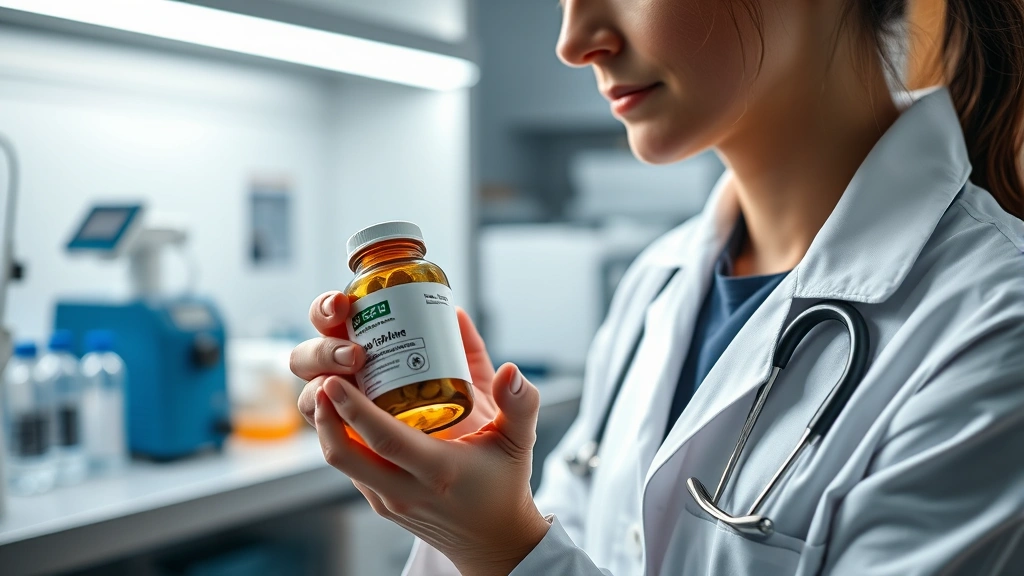
If you’re serious about your pet’s health, third-party tested pet supplements are basically the gold standard—think of them as the difference between a gas station energy drink and a lab-verified performance supplement. Your furry friend deserves better than mystery powder in a bag, and that’s exactly what independent testing provides.
Table of Contents
- Why Third-Party Testing Actually Matters for Your Pet
- What Exactly Gets Tested in Quality Pet Supplements?
- Top Third-Party Testing Organizations You Should Know
- Common Pet Supplement Categories That Need Testing
- How to Spot a Legitimately Tested Supplement
- Red Flags: What to Avoid in Pet Supplements
- Understanding Supplement Interactions and Safety
- The Cost-Benefit Analysis of Quality Testing
- Monitoring Your Pet’s Response to Supplements
- Future of Pet Supplement Testing in 2024
- Frequently Asked Questions
- Summary: Making the Smart Choice for Your Pet
Why Third-Party Testing Actually Matters for Your Pet
Here’s the thing: the pet supplement industry isn’t as tightly regulated as you’d hope. The FDA doesn’t approve supplements the way they do medications, which means manufacturers can sometimes get a little… creative with their claims. That’s where third-party testing swoops in like a caped crusader. When a supplement gets tested by an independent lab, it means someone outside the company is verifying that what’s on the label actually matches what’s in the bottle. No fillers, no false promises, just honest ingredients doing their job.
According to the Association of American Feed Control Officials (AAFCO), proper testing can catch contamination, verify potency, and confirm ingredient authenticity. Your pet’s liver and kidneys will thank you for this due diligence.
What Exactly Gets Tested in Quality Pet Supplements?
When we talk about professional-grade pet supplements, third-party labs are checking several critical factors. They verify that the active ingredients are actually present in the amounts claimed—because a supplement claiming 1000mg of glucosamine that only contains 200mg is basically a scam. Labs also test for heavy metals like lead and mercury, harmful bacteria, mold, and unwanted contaminants that could make your pup or kitty sick.
Think of it like food safety inspection, but for supplements. The testing protocols ensure your pet isn’t accidentally ingesting something that’ll cause more problems than it solves.
Top Third-Party Testing Organizations You Should Know
Not all testing is created equal. NSF International, USP (U.S. Pharmacopeia), and ConsumerLab are the big names that actually have teeth. These organizations have rigorous standards and won’t slap their seal on just any product. When you see their certification on a supplement bottle, you know someone competent has actually verified the goods. It’s like the difference between a five-star Yelp review and a verified purchase review—one actually means something.
PetMD recommends looking for these specific certifications when shopping for made in USA pet supplements, since domestic products often have better traceability.
Common Pet Supplement Categories That Need Testing
Joint supplements like glucosamine and chondroitin are probably the most popular category—especially for aging dogs with creaky joints. Omega-3 supplements for skin and coat health are right up there too. Probiotics for digestive health, CBD products (which desperately need standardization), and calming supplements all benefit hugely from third-party verification. When you’re dropping money on these products, wouldn’t you rather know they actually work?
How to Spot a Legitimately Tested Supplement
The label should be your first clue. Look for specific third-party testing seals—NSF, USP, or ConsumerLab marks are gold. The manufacturer should be transparent about testing and willing to provide documentation. If a company is being cagey about where their supplement was tested or won’t show you results, that’s a red flag waving frantically. Also check if the supplement is over the counter pet supplements with veterinary backing or if it requires professional recommendation.
A legit company will have batch testing information available, sometimes even letting you look up your specific bottle’s results. That level of transparency is what separates the trustworthy brands from the sketchy ones.
Red Flags: What to Avoid in Pet Supplements
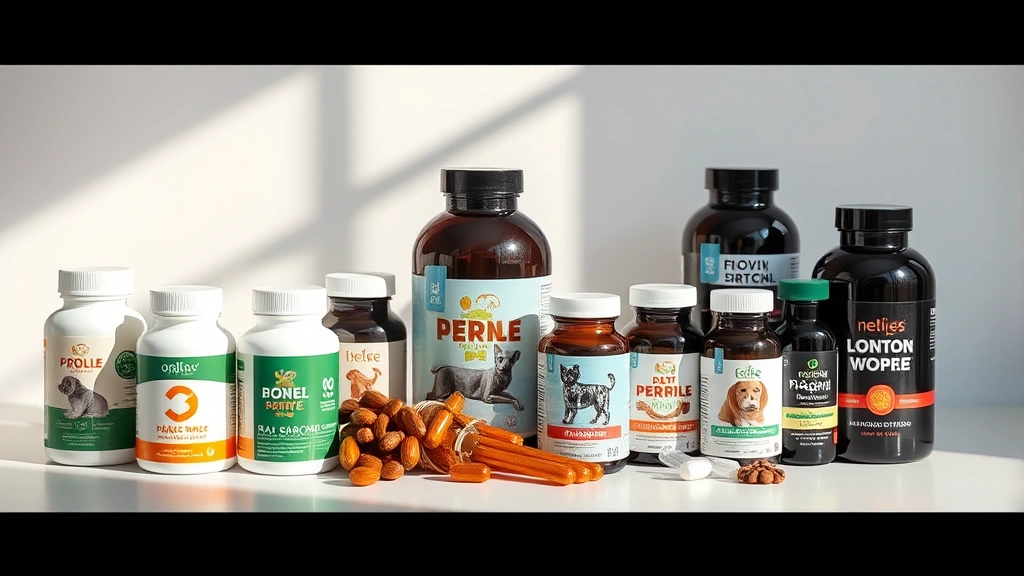
If a supplement claims to cure diseases (supplements don’t cure anything—that’s medication territory), run away. Vague ingredient lists are suspicious—you should know exactly what’s in there, not just “proprietary blend” nonsense. Prices that seem too good to be true usually are. And if the company can’t or won’t provide third-party testing results, that’s basically them saying “we didn’t bother checking.”
Also be wary of supplements making wild claims without any scientific backing. Your pet might feel better psychologically if you believe the product works, but that’s not the same as the product actually working.
Understanding Supplement Interactions and Safety
Here’s something people often overlook: supplements can interact with medications. If your pet is on any pharmaceuticals, you absolutely need to check with your vet before adding supplements. This is especially critical with blood thinners, diabetes medications, or anything affecting the liver. Pet supplement interactions can range from reducing effectiveness to causing serious problems. Your vet should be your first call, not your last resort.
Third-party tested supplements are safer because the testing often includes stability and interaction testing, but that doesn’t replace professional veterinary guidance.
The Cost-Benefit Analysis of Quality Testing
Yes, third-party tested supplements cost more. Sometimes significantly more. But consider this: a cheap supplement that doesn’t work or worse, makes your pet sick, costs way more in vet bills and regret. Quality testing adds to the price, but it’s literally paying for peace of mind and actual results. When you’re talking about your pet’s health, cutting corners is basically the worst investment strategy possible.
Think of it like insurance. You’re paying extra now to avoid catastrophic problems later. Pet multivitamins from reputable, tested brands might run $30-50 per month, but you’re getting what you pay for.
Monitoring Your Pet’s Response to Supplements
Even with third-party tested supplements, you need to actually pay attention to how your pet responds. Keep a simple log of any changes—energy levels, coat quality, joint mobility, digestive health, whatever the supplement is supposed to address. Give it at least 4-6 weeks before deciding if it’s working, since supplements work gradually, not overnight.
Use pet health monitoring techniques to track baseline measurements. Take photos of coat quality, note any behavioral changes, and be honest about whether you’re seeing real improvements or just hoping really hard.
Future of Pet Supplement Testing in 2024
The industry is moving toward stricter standards, which is fantastic news. More companies are voluntarily pursuing third-party testing because pet owners are getting savvier. Regulatory agencies are also paying more attention, so we’ll likely see more enforcement and standardization. The brands that have been testing all along are basically positioned to dominate as standards tighten.

This means right now is actually a great time to switch to third-party tested products—you’re getting ahead of the curve and supporting the companies doing things right.
Frequently Asked Questions
What’s the difference between third-party testing and manufacturer testing?
Manufacturer testing is done by the company making the supplement—basically a conflict of interest situation. Third-party testing is independent, meaning the lab has no financial stake in whether the product passes or fails. It’s way more trustworthy because there’s no motivation to fudge results.
How do I verify that a supplement is actually third-party tested?
Look for certification seals on the label (NSF, USP, ConsumerLab), then verify them on the organization’s website. You can usually search the product and see if it’s listed. Legitimate companies will also provide batch-specific testing results upon request or on their website.
Are all third-party tested supplements equally good?
Not necessarily. Third-party testing verifies that ingredients are present and contaminants are absent, but it doesn’t guarantee the supplement will work for your specific pet. The quality of the formula itself matters, plus how your individual pet responds. Testing just ensures you’re getting what you paid for.
Can supplements replace veterinary care?
Absolutely not. Supplements support health, they don’t replace diagnosis and treatment. If your pet is sick, injured, or showing concerning symptoms, a vet visit is non-negotiable. Supplements are complementary, not alternative.
How long does it take to see results from pet supplements?
Most supplements need 4-8 weeks to show noticeable effects. Some joint supplements might take longer. If you haven’t seen any improvement after 8-12 weeks, the supplement probably isn’t working for your pet, and it’s time to try something else or consult your vet.
Summary: Making the Smart Choice for Your Pet
Third-party tested pet supplements represent the responsible way to support your pet’s health beyond basic nutrition. They cost more than untested alternatives, but you’re paying for verification, safety, and actual quality. Look for recognized certifications, check for transparency, and always involve your veterinarian in supplement decisions. Your pet depends on you to make informed choices, and third-party testing is how you verify you’re making the right one. In 2024, there’s simply no good reason to choose unverified supplements when tested options are readily available.





