

If your furry friend has been diagnosed with diabetes, you’re probably juggling insulin injections, vet visits, and the constant worry that comes with managing a chronic condition. Here’s the good news: pet insulin support supplements can be a game-changer in helping your diabetic pet live a happier, healthier life. These supplements work alongside insulin therapy to help stabilize blood sugar levels, improve pancreatic function, and give your pet the nutritional support they desperately need.
Table of Contents
- Understanding Pet Diabetes and Why Supplements Matter
- Best Supplement #1: Chromium Picolinate for Blood Sugar Control
- Best Supplement #2: Alpha-Lipoic Acid (ALA) – The Antioxidant Powerhouse
- Best Supplement #3: Cinnamon Extract – The Tasty Metabolic Booster
- Best Supplement #4: Omega-3 Fatty Acids for Inflammation Management
- Best Supplement #5: Inositol – The Cell Communicator
- How to Choose the Right Supplement for Your Diabetic Pet
- Integration with Insulin Therapy and Diet
- Potential Side Effects and Safety Considerations
- Monitoring Your Pet’s Progress
- Real Success Stories from Pet Parents
- Frequently Asked Questions
- The Bottom Line on Pet Insulin Support Supplements
Let’s dive into the five best options that veterinarians actually recommend and pet parents swear by.
Understanding Pet Diabetes and Why Supplements Matter
Before we talk about solutions, let’s understand the problem. Diabetes in pets is basically when their pancreas throws in the towel and stops producing enough insulin, or their bodies become resistant to the insulin that’s produced. It’s rough, and it affects millions of dogs and cats every year.
Here’s where pet insulin support supplements come in clutch. These aren’t magic bullets—they work best alongside insulin therapy and proper diet—but they provide crucial nutritional support that helps regulate blood sugar naturally. Think of them as your pet’s backup dancers while insulin takes center stage.
Best Supplement #1: Chromium Picolinate for Blood Sugar Control
Chromium picolinate is like the MVP of blood sugar management. This mineral helps your pet’s cells respond better to insulin, which means less dramatic blood sugar spikes and crashes. Studies have shown that chromium supplementation can actually help reduce insulin requirements over time, though you’ll always need your vet’s guidance on dosing adjustments.
The beauty of chromium is that it works quietly in the background. Your diabetic dog or cat doesn’t need to taste anything weird, and it plays nicely with other pet supplement interactions. Most vets recommend 200-400 mcg daily for dogs, depending on size.
Best Supplement #2: Alpha-Lipoic Acid (ALA) – The Antioxidant Powerhouse
Alpha-lipoic acid is basically a bodyguard for your pet’s cells. Diabetes creates oxidative stress, which damages cells and makes blood sugar management even harder. ALA swoops in and neutralizes those harmful free radicals like a superhero in a cape.
What makes ALA special is its dual action: it reduces inflammation AND helps improve insulin sensitivity. It’s particularly effective when combined with other pet antioxidant supplements. Your vet might recommend 50-100 mg daily for cats and 100-200 mg for dogs, though larger breeds might need more.
Best Supplement #3: Cinnamon Extract – The Tasty Metabolic Booster
Yes, the same cinnamon that makes your coffee smell amazing can actually help your pet’s metabolism. Cinnamon contains compounds that mimic insulin’s effects, helping glucose get into cells more efficiently. It’s not a replacement for insulin, but it’s a solid supporting player.
The trick is using standardized cinnamon extract rather than regular ground cinnamon from your spice rack. A quarter teaspoon to a half teaspoon daily (depending on your pet’s size) mixed into their food usually does the trick. Some pets actually enjoy the flavor, which is a bonus.
Best Supplement #4: Omega-3 Fatty Acids for Inflammation Management
Diabetic pets often deal with chronic inflammation, and omega-3s are inflammation’s worst enemy. These essential fatty acids improve insulin sensitivity, support pancreatic health, and give your pet’s coat and skin a glow-up as a side benefit.
Fish oil supplements or algae-based options (great for cats who aren’t fish fans) should provide at least 500-1000 mg of combined EPA and DHA daily. When choosing supplements, consult veterinarian recommended supplements to ensure you’re getting quality products without contaminants.
Best Supplement #5: Inositol – The Cell Communicator
Inositol might sound like a chemistry experiment, but it’s actually a naturally occurring compound that helps cells communicate better with insulin. It’s particularly useful for insulin-resistant pets where the problem isn’t lack of insulin—it’s that the cells aren’t listening to it properly.
Dosing typically ranges from 500-2000 mg daily depending on your pet’s weight and condition. It’s often included in combination supplements designed specifically for diabetic support, making it easier to administer.
How to Choose the Right Supplement for Your Diabetic Pet
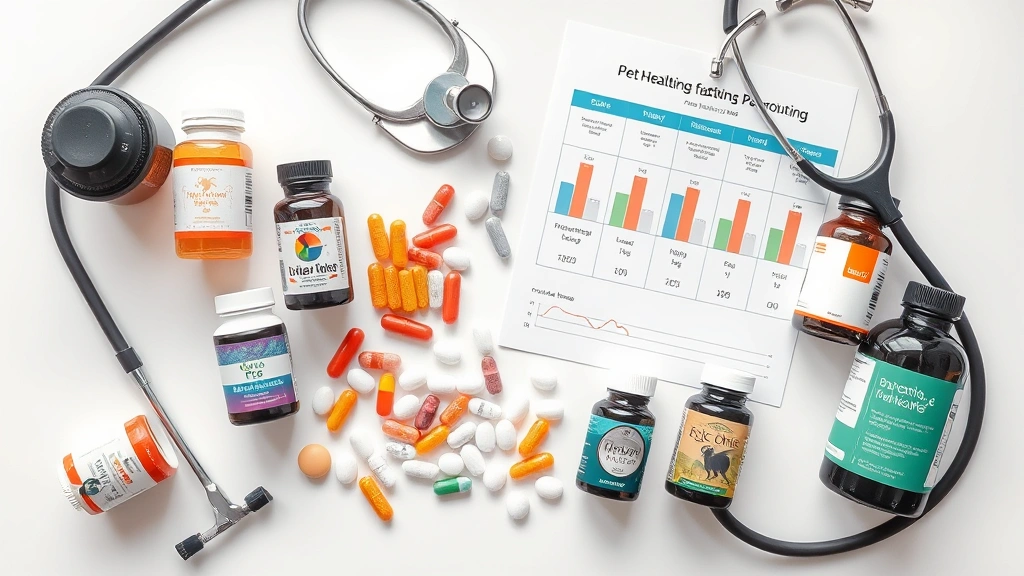
Not all supplements are created equal, and what works for your neighbor’s diabetic dog might not be ideal for your cat. Here are the key factors to consider:
Quality and Third-Party Testing: Look for supplements that have been tested by independent labs. You want to know exactly what’s in that bottle, not just what the label claims.
Your Pet’s Specific Needs: A senior cat with diabetes might benefit more from ALA and omega-3s, while a younger dog with metabolic issues might respond better to chromium and cinnamon. This is where pet health monitoring comes in handy—track how your pet responds to different supplements.
Ingredient Synergy: Some supplements work better together than alone. Many veterinarians recommend combination formulas that include chromium, ALA, and inositol together for maximum effectiveness.
Integration with Insulin Therapy and Diet
Here’s the critical part that many pet parents miss: supplements are a supporting cast member, not the star. Your pet still needs consistent insulin therapy, regular blood sugar monitoring, and a diabetic-appropriate diet.
The best diabetic diets are high in protein and low in carbohydrates, which naturally helps stabilize blood sugar. When you combine proper nutrition with insulin therapy and pet insulin support supplements, you create a powerful three-pronged approach that gives your pet the best chance at a normal lifespan.
Some pets actually see improved blood sugar control within 2-4 weeks of starting supplements, while others take 8-12 weeks. Patience and consistent monitoring are key.
Potential Side Effects and Safety Considerations
Generally, the supplements we’ve discussed are safe for most pets, but there are some important caveats. Chromium can occasionally cause digestive upset in sensitive animals. ALA might interact with certain medications. Cinnamon in large amounts can be irritating to the stomach.
This is why you absolutely need to discuss any supplement regimen with your veterinarian before starting. If your pet is on other medications, check pet supplement interactions to avoid any problematic combinations. Your vet might recommend starting with one supplement at a time to monitor how your pet responds.
Monitoring Your Pet’s Progress
The only way to know if pet insulin support supplements are actually working is through consistent monitoring. Keep detailed records of:
- Daily insulin doses and timing
- Blood sugar readings (if you’re testing at home)
- Appetite and water consumption
- Energy levels and overall behavior
- Weight trends
Share these records with your vet during check-ups. Many veterinarians can adjust insulin doses based on improved blood sugar control, which means your pet might actually need less insulin over time—a huge win for both your wallet and your pet’s quality of life.
Real Success Stories from Pet Parents
Maria’s 8-year-old Golden Retriever, Duke, went from requiring 30 units of insulin twice daily to just 18 units after six months of supplementation combined with diet changes. She used a combination formula with chromium, ALA, and inositol.
Then there’s Tom’s diabetic cat, Whiskers, who was struggling with insulin resistance. After adding omega-3s and cinnamon extract to her routine, her blood sugar became remarkably stable, and her vet was able to reduce her insulin dosage by 25%.

These aren’t unicorn stories—they’re common outcomes when pet parents take a comprehensive approach to diabetes management.
Frequently Asked Questions
Can supplements replace insulin therapy?
Absolutely not. Supplements support insulin therapy but cannot replace it. Your pet still needs insulin injections as prescribed by your veterinarian. Supplements help optimize how well the insulin works and may eventually allow your vet to reduce doses, but they’re never a substitute for insulin itself.
How long does it take to see results from pet insulin support supplements?
Most pet parents notice improvements within 2-4 weeks, though some pets take 8-12 weeks to show significant changes. Consistent monitoring is essential to track progress. If you don’t see any improvement after 12 weeks, discuss alternative options with your vet.
Are natural supplements safer than pharmaceutical options?
Natural doesn’t automatically mean safer. Both natural supplements and pharmaceutical options have risks and benefits. The key is choosing high-quality products and working with your veterinarian to ensure they’re appropriate for your pet’s specific situation.
Can I give my pet multiple supplements at once?
You can, but it’s better to introduce them gradually and one at a time so you can monitor for any adverse reactions. Many combination supplements designed for diabetic support include multiple beneficial ingredients, which simplifies dosing and reduces the number of pills your pet needs to take.
What’s the best diet to pair with supplements?
A high-protein, low-carbohydrate diet is ideal for diabetic pets. Prescription diabetic diets from your veterinarian are formulated specifically for blood sugar management. Some pet parents also use fresh, whole foods under veterinary guidance. The goal is stable, predictable nutrition that works with your insulin schedule.
Should I use supplements for diabetic prevention in healthy pets?
If your pet has risk factors for diabetes (obesity, family history, certain breeds), discuss preventative care supplements with your vet. Some supplements like chromium and omega-3s can support metabolic health even in non-diabetic pets.
The Bottom Line on Pet Insulin Support Supplements
Managing a diabetic pet is a journey, not a sprint. Pet insulin support supplements can make a meaningful difference in your pet’s quality of life, blood sugar stability, and potentially reduce insulin requirements over time. The five options we’ve covered—chromium picolinate, alpha-lipoic acid, cinnamon extract, omega-3 fatty acids, and inositol—all have solid research backing their use in diabetic pet care.
The key is working closely with your veterinarian, choosing high-quality supplements, and maintaining consistent monitoring. Your pet didn’t ask for diabetes, but with the right combination of insulin, diet, supplements, and love, they can still live a vibrant, happy life.
If you’re feeling overwhelmed about where to start, consider a remote vet consultation to discuss supplement options tailored to your pet’s specific needs. Your vet can review your pet’s blood work, current medications, and health status to recommend the best supplement strategy.
Remember: the goal isn’t perfection. It’s giving your beloved pet the best possible support in managing their diabetes, one supplement, one insulin injection, and one healthy meal at a time.





