

If you’re a dog owner who also shares your home with a feline friend, you’ve likely witnessed this bewildering and somewhat disgusting behavior: your beloved canine companion sneaking into the litter box for what appears to be a forbidden snack. This peculiar habit leaves many pet parents scratching their heads and wondering about the underlying reasons behind this seemingly repulsive behavior.
The phenomenon of dogs eating cat feces, scientifically known as coprophagia, is far more common than you might think. While it may seem revolting to us humans, there are several biological, behavioral, and environmental factors that drive our four-legged friends to seek out these “treats” from the litter box. Understanding these motivations is crucial for addressing the behavior effectively and ensuring the health and well-being of both your pets.
Biological and Nutritional Factors
One of the primary reasons dogs are attracted to cat feces relates to the nutritional content and biological differences between canine and feline digestive systems. Cats are obligate carnivores with highly efficient digestive systems that process protein-rich diets. However, their digestive tract doesn’t always fully break down all the nutrients, particularly proteins and fats, leaving residual nutritional value in their waste.
From a dog’s perspective, cat poop can smell remarkably appealing due to these undigested proteins and the high-fat content typical of cat food. The American Kennel Club notes that dogs have evolved as scavengers and opportunistic feeders, making them naturally inclined to investigate and consume anything that might provide nutritional value.
Additionally, some dogs may engage in this behavior due to nutritional deficiencies in their own diet. If a dog isn’t receiving adequate nutrition or has difficulty absorbing certain nutrients, they might instinctively seek alternative sources. This is particularly relevant for dogs with digestive issues or those on restrictive diets. Understanding proper feeding amounts can help ensure your dog receives adequate nutrition.
Behavioral and Instinctual Motivations
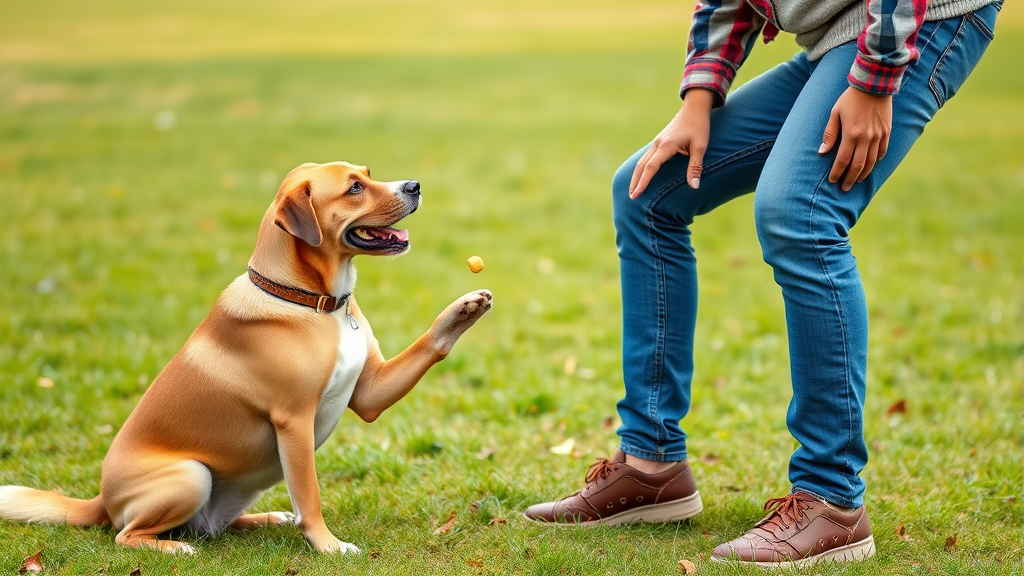
Beyond nutritional factors, there are several behavioral and instinctual reasons why dogs consume cat feces. Dogs retain many ancestral behaviors from their wolf predecessors, including scavenging tendencies that helped them survive in the wild. This natural foraging instinct can manifest in domestic settings as an attraction to various organic materials, including feces.
Curiosity and exploration also play significant roles in this behavior. Dogs experience the world primarily through their sense of smell and taste, and the litter box represents an intriguing source of new scents and flavors. Young puppies are particularly prone to this behavior as they explore their environment and learn about their surroundings through their mouths.
Boredom and lack of mental stimulation can also contribute to coprophagia. Dogs that don’t receive adequate physical exercise or mental enrichment may turn to inappropriate behaviors, including eating cat feces, as a form of entertainment or stress relief. This behavior can become habitual if not addressed promptly, similar to other concerning behaviors like excessive paw licking, which you can learn more about in our guide on why dogs lick their paws.
Some dogs may also engage in this behavior due to anxiety, stress, or attention-seeking. If a dog learns that eating cat poop results in a strong reaction from their owner (even negative attention), they may continue the behavior to elicit a response. The American Veterinary Medical Association emphasizes the importance of understanding these behavioral triggers to address the root cause effectively.
Health Risks and Concerns
While the behavior itself might seem harmless from a dog’s perspective, consuming cat feces poses several health risks that pet owners should be aware of. Cat litter boxes can harbor various parasites, bacteria, and pathogens that are potentially harmful to dogs. Common concerns include intestinal parasites such as roundworms, hookworms, and coccidia, which can be transmitted through fecal matter.
Bacterial infections represent another significant risk. Cat feces can contain harmful bacteria like Salmonella, E. coli, and Campylobacter, which can cause gastrointestinal upset in dogs, including vomiting, diarrhea, and abdominal pain. In severe cases, these infections can lead to more serious health complications requiring veterinary intervention.
The type of cat litter used can also pose additional hazards. Clumping clay litters can cause intestinal blockages if consumed in large quantities, while scented or chemically treated litters may contain toxic substances harmful to dogs. Crystal or silica-based litters can be particularly dangerous if ingested, potentially causing respiratory or digestive issues.
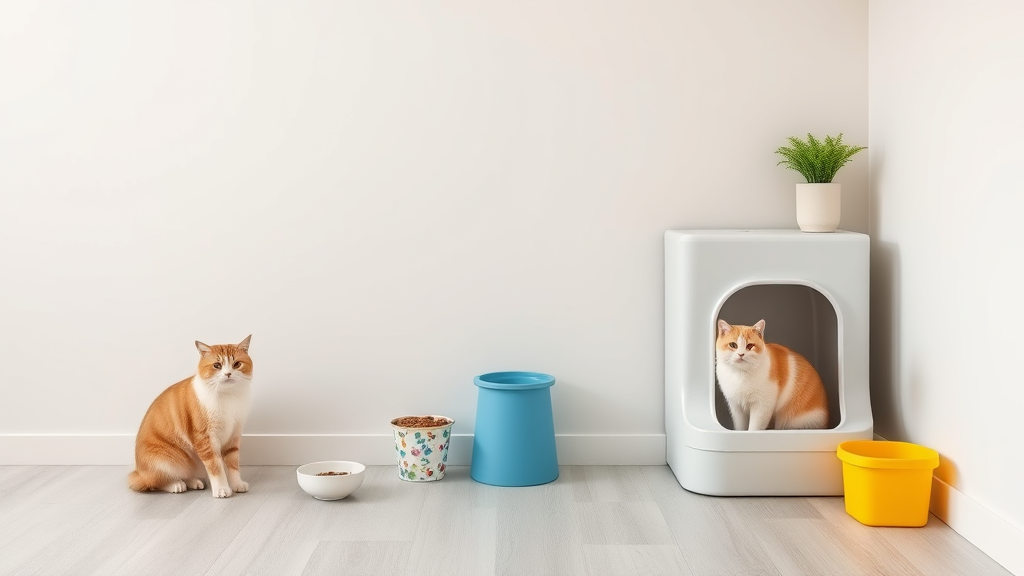
Furthermore, if the cat in question is on medication or has health issues, these substances can be passed through their feces and potentially affect the dog. This is particularly concerning with medications like antibiotics or parasite treatments that could have adverse effects on the consuming dog.
Prevention and Management Strategies
Preventing dogs from accessing cat feces requires a multi-faceted approach that combines physical barriers, environmental management, and behavioral modifications. The most straightforward solution is to restrict access to the litter box entirely. This can be accomplished through various methods, including placing the litter box in an area inaccessible to dogs, such as behind a baby gate or in a room with a cat door.
Elevating the litter box is another effective strategy, particularly for larger dogs who cannot reach higher surfaces. Many cat owners find success placing litter boxes on countertops, washing machines, or specially designed elevated platforms that cats can access but dogs cannot.
Regular litter box maintenance is crucial for reducing the temptation. Cleaning the litter box frequently, ideally immediately after use, eliminates the opportunity for dogs to access fresh waste. Automatic litter boxes can be particularly helpful for busy households, as they remove waste automatically without requiring constant human intervention.
Covered or enclosed litter boxes can also deter some dogs, though it’s important to ensure that cats are comfortable using these enclosed spaces. Some cats may reject covered boxes, making this solution less viable for certain households.
Training Solutions and Behavioral Modification
Training plays a crucial role in addressing coprophagia and requires patience, consistency, and positive reinforcement techniques. The foundation of successful training lies in teaching strong “leave it” and “stay” commands, which can be applied to litter box situations. These commands should be practiced regularly in various contexts to ensure reliability when needed most.
Positive reinforcement training involves rewarding dogs for appropriate behaviors rather than punishing unwanted ones. When a dog ignores the litter box or responds correctly to a “leave it” command, they should receive immediate praise, treats, or other rewards. This approach helps create positive associations with avoiding the litter box rather than approaching it.
Redirection techniques can also be highly effective. When a dog shows interest in the litter box, immediately redirect their attention to an appropriate activity, such as playing with a toy, going for a walk, or practicing training commands. This helps break the association between boredom or curiosity and litter box investigation.
Mental stimulation and physical exercise are essential components of behavioral modification. Dogs that receive adequate mental and physical enrichment are less likely to engage in inappropriate behaviors out of boredom. Puzzle toys, interactive feeders, regular walks, and training sessions all contribute to a well-balanced and mentally satisfied dog. Sometimes, behavioral issues can manifest in other ways too, such as when dogs experience unusual symptoms like hiccups, which you can learn about in our article on whether dogs can get hiccups.
Environmental and Household Factors
The household environment plays a significant role in either promoting or discouraging coprophagia. Multi-pet households face unique challenges, as the dynamics between cats and dogs can influence this behavior. Some dogs may view cat feces as a valuable resource to be competed for, especially in households with multiple dogs.
The placement and setup of feeding areas can also impact this behavior. Dogs that feel food insecurity or competition may be more likely to seek alternative food sources, including cat feces. Ensuring that each pet has their own designated feeding area and receives appropriate portions can help reduce this motivation. Our guide on how long dogs can go without eating provides valuable insights into canine feeding patterns and hunger behaviors.
Stress and environmental changes can trigger or exacerbate coprophagia. Moving to a new home, introducing new pets, changes in family structure, or alterations to daily routines can all contribute to stress-related behaviors in dogs. The Humane Society recommends maintaining consistent routines and providing secure, comfortable environments to minimize stress-related behavioral issues.
The cleanliness and maintenance of the overall living environment also matter. Homes with strong odors, inadequate cleaning, or multiple litter boxes may present more opportunities and temptations for dogs to engage in this behavior.
When to Consult a Veterinarian
While occasional consumption of cat feces may not warrant immediate veterinary attention, certain circumstances require professional evaluation. Pet owners should consult their veterinarian if the behavior becomes compulsive or excessive, as this could indicate underlying health issues or behavioral disorders that require professional intervention.
Signs that warrant veterinary attention include sudden onset of the behavior in previously uninterested dogs, accompanying symptoms such as vomiting, diarrhea, lethargy, or changes in appetite, and inability to control the behavior despite consistent training and management efforts. Additionally, if multiple pets in the household develop digestive issues simultaneously, this could indicate a shared health concern that requires professional evaluation.
Dogs showing other concerning behaviors alongside coprophagia, such as excessive shaking (which you can learn more about in our article on why dogs shake), changes in eating patterns, or unusual emotional responses like crying behaviors (detailed in our guide about whether dogs cry), should also be evaluated by a veterinary professional.
Veterinarians can perform comprehensive health evaluations to rule out nutritional deficiencies, digestive disorders, or other medical conditions that might contribute to coprophagia. They may recommend dietary changes, supplements, or behavioral modification programs tailored to the specific dog’s needs.
The Centers for Disease Control and Prevention also provides guidelines on zoonotic diseases that can be transmitted through pet waste, making professional consultation valuable for households concerned about disease transmission risks.
Frequently Asked Questions
Is it dangerous for my dog to eat cat poop?
Yes, eating cat feces can pose health risks to dogs. Cat litter boxes can contain parasites, bacteria, and pathogens that may cause gastrointestinal upset, parasitic infections, or bacterial infections in dogs. Additionally, certain types of cat litter can be toxic or cause intestinal blockages if consumed in large quantities.
Why does cat poop seem more appealing to dogs than dog poop?
Cat feces tends to be more appealing to dogs because cats are obligate carnivores with high-protein diets. Their digestive systems don’t always fully process all nutrients, leaving residual proteins and fats in their waste that dogs find attractive. Cat food is also typically higher in fat content than dog food, making the resulting waste smell more appealing to dogs.
Will my dog grow out of eating cat poop?
While some puppies may outgrow this behavior as they mature, many adult dogs continue to eat cat feces unless actively prevented or trained not to do so. The behavior often becomes habitual, especially if it’s been rewarding for the dog. Consistent training and management are usually necessary to stop the behavior permanently.
Can eating cat poop make my dog sick immediately?
Dogs may experience immediate gastrointestinal upset from eating cat feces, including vomiting, diarrhea, or stomach discomfort. However, more serious health issues like parasitic infections or bacterial infections may take days or weeks to develop symptoms. If your dog shows any signs of illness after consuming cat waste, consult your veterinarian.
What’s the best way to keep my dog out of the litter box?
The most effective approach combines physical barriers (such as baby gates or elevated litter boxes), consistent training (teaching “leave it” commands), and environmental management (regular litter box cleaning). Many pet owners find success using a combination of these methods rather than relying on just one strategy.
Could my dog be eating cat poop because of a nutritional deficiency?
While nutritional deficiencies can contribute to coprophagia, this is just one of many possible causes. Dogs may eat cat feces due to instinctual behaviors, boredom, curiosity, or simply because they find it appealing. If you suspect nutritional issues, consult your veterinarian for a comprehensive health evaluation and dietary assessment.
Is there a supplement or food additive that can stop this behavior?
Some commercial products claim to make feces less appealing to dogs when added to pet food, but results vary significantly between individual dogs. These products work by changing the taste or smell of the resulting waste. However, behavioral modification and environmental management are generally more reliable long-term solutions than relying solely on dietary additives.





