

A pet supplement interaction checker is your best friend when it comes to keeping your furry family members safe from potentially dangerous drug and supplement combinations. Think of it as a bodyguard for your pet’s health—standing between them and the chaos of conflicting ingredients that could wreak havoc on their system.
Table of Contents
- Why Your Pet Needs a Supplement Interaction Checker Right Now
- Understanding Drug-Supplement Interactions in Pets
- The Most Common Pet Supplement Interaction Problems
- How to Use a Pet Supplement Interaction Checker Effectively
- Red Flags: When Supplements Absolutely Need Veterinary Approval
- Building Your Personal Pet Supplement Safety Protocol
- The Role of Quality in Supplement Safety
- Natural Doesn’t Mean Safe: The Misconception That Kills
- Technology Tools: Pet Supplement Interaction Checkers You Can Actually Use
- Creating a Conversation With Your Veterinarian About Supplements
- Frequently Asked Questions
- Summary: Your Pet’s Safety Starts With Knowledge
Why Your Pet Needs a Supplement Interaction Checker Right Now
Here’s the thing nobody tells you: just because something is “natural” or “made for pets” doesn’t mean it plays nicely with everything else your pet is taking. Your dog might be on antibiotics for a skin infection while you’re innocently adding fish oil for joint support, and boom—you’ve got a potential interaction on your hands. That’s where a pet supplement interaction checker becomes absolutely essential.
Pet owners often assume their veterinarian knows about every supplement they’re giving at home. Spoiler alert: they don’t always. Life gets busy, supplements pile up in the cabinet, and suddenly your cat is on five different things, and nobody’s tracking whether they’re compatible. A proper pet supplement interactions tool helps you stay organized and informed.
Understanding Drug-Supplement Interactions in Pets
Drug-supplement interactions happen when two substances compete for absorption in the gut, interfere with metabolism in the liver, or affect how medications work in the bloodstream. In humans, we’ve got entire databases tracking this stuff. For pets? It gets trickier because veterinary pharmacology research is less extensive than human medicine.
Common culprits include calcium supplements interfering with antibiotic absorption, vitamin K supplements conflicting with blood thinners, and garlic-based supplements potentially causing issues with certain medications. Your pet’s liver and kidneys have to process everything, and when you throw multiple supplements into the mix, you’re asking those organs to work overtime.
The Most Common Pet Supplement Interaction Problems
Let’s talk specifics because vague warnings don’t help anyone. The biggest offenders in the pet supplement world include:
Calcium and Iron Interactions: These minerals love to bind with antibiotics, making the antibiotics less effective. If your pet is on doxycycline or fluoroquinolones, calcium and iron supplements need timing separation—usually at least 2-4 hours apart.
Vitamin K Conflicts: If your pet is on warfarin or other anticoagulants, vitamin K supplements are basically the enemy. Vitamin K promotes clotting, which directly opposes what the medication is trying to do.
Herbal Supplement Chaos: St. John’s Wort, ginkgo, and garlic supplements can interact with everything from pain medications to heart drugs. Many vets don’t even ask about herbal supplements because they assume pet owners aren’t using them.
This is exactly why using a prescription pet supplements approach with veterinary oversight matters, even when over-the-counter options exist.
How to Use a Pet Supplement Interaction Checker Effectively
Using an interaction checker isn’t rocket science, but doing it right requires attention to detail. Here’s your game plan:
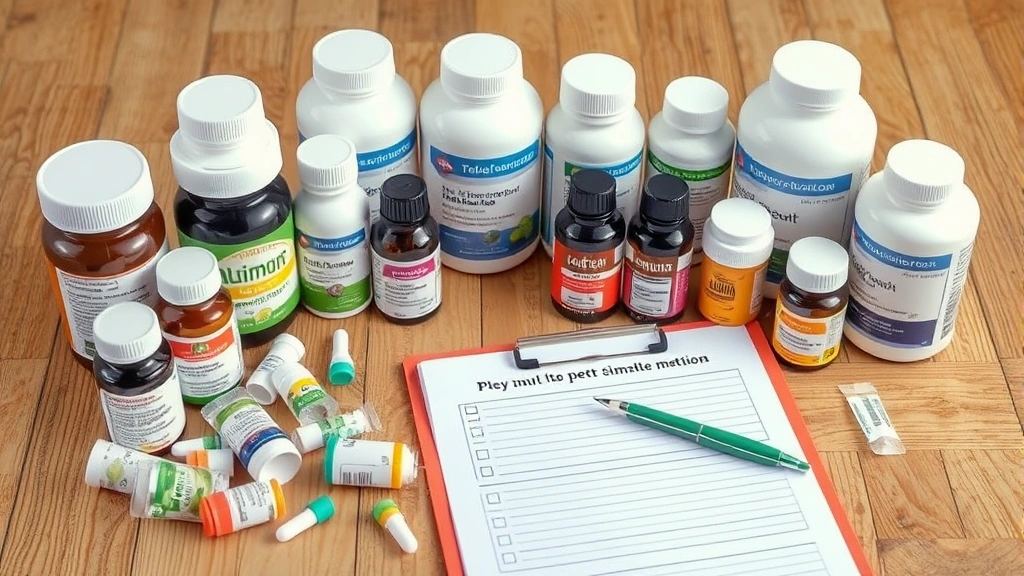
Step 1: List Everything. And I mean everything. Every prescription medication, every over-the-counter supplement, every treat with added vitamins. Write it all down with dosages and frequencies.
Step 2: Check Each Combination. Don’t just check one supplement against one medication. Check each supplement against every medication, and each medication against every other medication. Cross-reference like your pet’s life depends on it—because it might.
Step 3: Review Ingredient Transparency. Many supplements don’t list their actual active compounds clearly. Check the label obsessively, and if something seems vague, contact the manufacturer. This connects directly to pet supplement ingredient transparency concerns that plague the industry.
Step 4: Consult Your Vet. Even if the checker says it’s safe, run it by your veterinarian. They know your pet’s specific health situation, kidney function, liver status, and other factors that a generic tool can’t assess.
Red Flags: When Supplements Absolutely Need Veterinary Approval
Certain situations demand professional oversight before adding any supplements. If your pet is on multiple medications, has kidney or liver disease, is pregnant or nursing, or is recovering from surgery, you need veterinary sign-off. Post-surgery situations are particularly sensitive—check out our guide on post-surgery supplements for pets to understand the special considerations.
Elderly pets and puppies also need extra caution. Their metabolic systems aren’t processing things as efficiently, making interactions more likely and more severe.
Building Your Personal Pet Supplement Safety Protocol
Rather than relying on memory or scattered notes, create a system. Use a simple spreadsheet or notebook that tracks:
- Medication name and dosage
- Frequency (once daily, twice daily, etc.)
- Start date and expected end date
- Supplement name and dosage
- Interaction checker results
- Veterinary approval (yes/no/pending)
- Any observed side effects
This becomes your pet’s pharmaceutical Bible. When you visit the vet, bring it. When you consider adding a new supplement, reference it. When you’re worried about something, you’ve got documentation to show your vet.
The Role of Quality in Supplement Safety
Here’s an uncomfortable truth: the pet supplement industry isn’t as regulated as human pharmaceuticals. Some brands cut corners, some mislabel ingredients, and some accidentally include contaminants. A pet supplement interaction checker can only work with accurate ingredient information, so if you’re buying from sketchy sources, you’re already in trouble.
Stick with brands that provide third-party testing, transparent ingredient lists, and veterinary formulation. Yes, they cost more. But you’re buying peace of mind and actual safety, not just the illusion of it.
Natural Doesn’t Mean Safe: The Misconception That Kills
This bears repeating because it’s the most dangerous myth in pet supplementation: natural ≠ safe. Arsenic is natural. So is hemlock. So are a bunch of plants that’ll make your pet violently ill. Just because something grows in nature doesn’t mean it belongs in your dog’s body alongside their heart medication.
When evaluating supplements, ignore the “natural” marketing and focus on evidence. Has it been studied? Are there known interactions? What does the veterinary pharmacology literature say? These questions matter infinitely more than whether it came from a plant.
Technology Tools: Pet Supplement Interaction Checkers You Can Actually Use
Several legitimate resources exist for checking interactions. PetMD’s drug interaction tool, VCA Animal Hospitals’ resources, and your veterinarian’s access to veterinary pharmacology databases are your best bets. Some pet insurance companies also provide interaction-checking services for members.
When using online tools, remember they’re only as good as their databases. Newer supplements might not be in the system yet. Rare interactions might not be documented. The tool is a starting point, not the final word.
Creating a Conversation With Your Veterinarian About Supplements
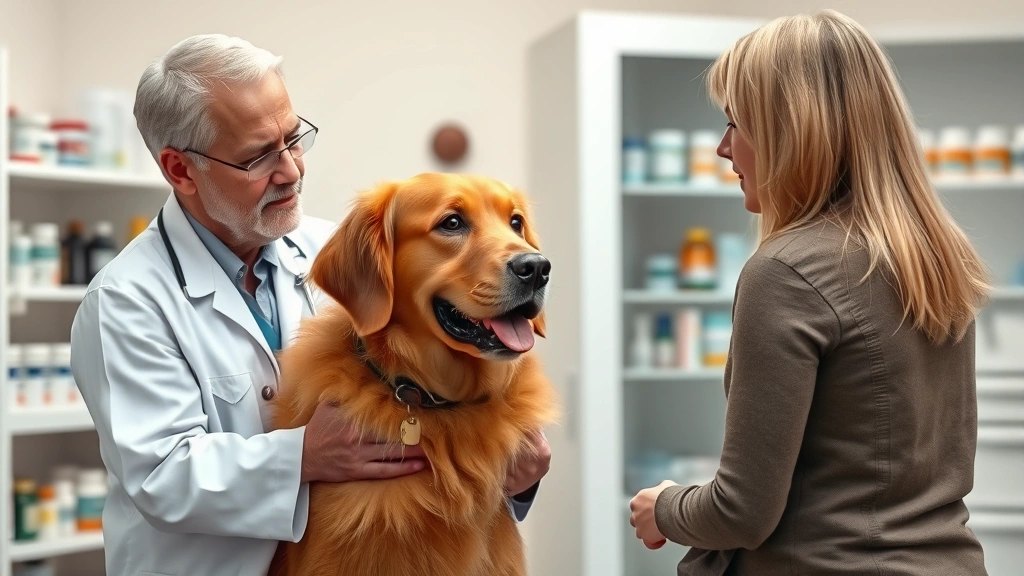
Many pet owners hide their supplement use from vets because they worry about judgment. Don’t. Your vet needs to know everything to keep your pet safe. Approach the conversation with your list ready, your questions prepared, and your openness to guidance demonstrated.
Say something like: “I’ve been giving Fluffy these supplements because I wanted to help with joint health. Can you check if they interact with her current medications?” Most vets appreciate the transparency and will work with you to find safe solutions.
For comprehensive multivitamin approaches, explore our article on pet multivitamins to understand whether your pet actually needs them or if you’re just creating interaction risks unnecessarily.
Frequently Asked Questions
Can I use a human drug interaction checker for my pet?
Absolutely not. Pet metabolism differs significantly from human metabolism. A drug that’s safe for humans might be toxic for dogs or cats, and dosing is completely different. Always use pet-specific resources.
How long should I wait between giving my pet a supplement and a medication?
It depends on the specific interaction, but generally, 2-4 hours separation helps prevent absorption interference. Some interactions require longer gaps. Your vet can give you specific timing for your pet’s situation.
Are prescription pet supplements safer than over-the-counter ones?
Prescription supplements have more veterinary oversight, but they’re not automatically safer. The real advantage is that your vet prescribed them specifically for your pet, knowing about all their other medications. That context matters tremendously.
What should I do if I think my pet had a supplement interaction?
Contact your vet immediately. Describe what supplements and medications your pet took, when they took them, and what symptoms they’re showing. Don’t wait to see if it resolves on its own. Interactions can escalate quickly.
Can I give my pet multiple supplements if they’re all “natural”?
Natural supplements still interact with each other and with medications. The number of supplements matters less than what they contain and how they interact. Quality and compatibility trump quantity every time.
How often should I review my pet’s supplement regimen?
At minimum, every time a new medication is added or an old one is discontinued. Ideally, have a comprehensive review at your pet’s annual vet visit. Pets’ needs change, and what was safe last year might not be now.
Summary: Your Pet’s Safety Starts With Knowledge
A pet supplement interaction checker is more than a convenience—it’s a critical safety tool that every responsible pet owner should use. By understanding how supplements interact with medications, maintaining detailed records, choosing quality products, and partnering with your veterinarian, you create a comprehensive safety net for your pet.
Don’t let the complexity intimidate you. Start with your list of current medications and supplements, run them through an interaction checker, and book a vet appointment to discuss the results. That simple action puts you ahead of most pet owners and significantly reduces your pet’s risk of experiencing dangerous interactions.
Your pet depends on you to make informed decisions. A pet supplement interaction checker gives you the information you need to make the right ones.





