

If you’re worried that underfeeding pets might be happening in your home, you’re not alone—and honestly, it’s way more common than most people realize. Whether it’s accidental calorie restriction, portion confusion, or just not knowing what “enough” actually looks like, countless pet owners are unintentionally leaving their furry friends hungry. The scary part? Your pet might be suffering in silence, showing subtle signs you could easily miss if you don’t know what to look for.
Table of Contents
- Why Pet Nutrition Matters More Than You Think
- Sign #1: Visible Rib and Spine Prominence (The Most Obvious Red Flag)
- Sign #2: Lethargy and Low Energy Levels
- Sign #3: Dull, Brittle Coat and Skin Issues
- Sign #4: Behavioral Changes and Increased Food Obsession
- Sign #5: Weakened Immune System and Frequent Illness
- How Much Should You Actually Be Feeding?
- The Hidden Reasons Behind Underfeeding Pets
- When to Call Your Vet (And Why You Should)
- Fixing the Problem: A Practical Action Plan
- Frequently Asked Questions
Why Pet Nutrition Matters More Than You Think
Let’s get real: feeding your pet isn’t just about preventing hunger pangs. Proper nutrition is the foundation of everything—immune system strength, coat quality, energy levels, bone density, and even mental health. When you’re underfeeding pets, you’re not just creating a hungry animal; you’re potentially setting up years of health problems down the road. A malnourished pet is more susceptible to infections, develops a dull coat, and can experience behavioral issues that make life miserable for both of you.
The thing is, many pet owners think they’re doing fine because their pet isn’t visibly skeletal. But there’s a huge range between “not starving” and “actually thriving,” and that’s where most underfeeding problems hide.
Sign #1: Visible Rib and Spine Prominence (The Most Obvious Red Flag)
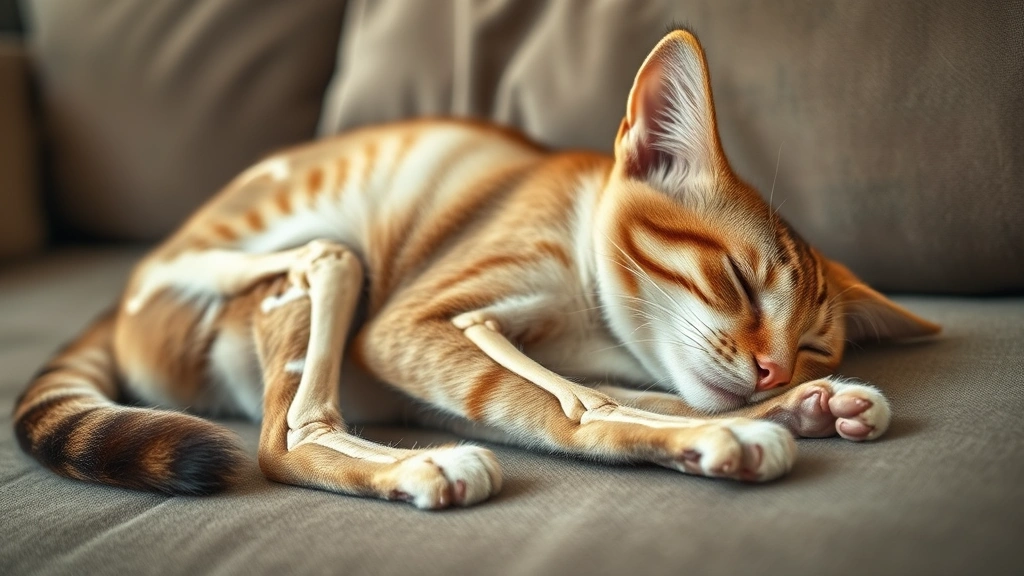
This is the classic sign everyone talks about, but here’s what they don’t mention: you should be able to feel your pet’s ribs without pressing hard, but you shouldn’t see them like a xylophone. If you can count every rib from across the room, or if your pet’s spine looks like a mountain range under their skin, congratulations—you’ve got a case of underfeeding pets on your hands.
Run your hands along your dog or cat’s sides. You want to feel a gentle curve of ribs with a light layer of flesh over them. Think of it like this: if your pet’s ribs are a piano keyboard, you should be able to feel the keys but not see them. If they’re prominent enough to use as a drum set, it’s time to increase portions.
Different breeds carry weight differently, so a Greyhound will naturally look leaner than a Labrador. But every breed has a healthy range, and underfeeding pets crosses that line into actual malnutrition.
Sign #2: Lethargy and Low Energy Levels
Does your normally playful pup suddenly prefer napping to fetch? Is your cat spending entire days just… existing on the couch? While some laziness is normal (hello, indoor cats), a dramatic drop in energy is a huge warning sign that something’s wrong nutritionally.
Underfeeding pets creates a caloric deficit that leaves them exhausted. They literally don’t have the fuel to do normal dog or cat things. You might notice they’re less interested in toys, slower on walks, or just generally seem depressed. This isn’t them “getting old” or “becoming less playful”—this is malnutrition talking.
Interestingly, some owners mistake this lethargy for good behavior. “Oh, my dog is so calm and well-behaved!” might actually mean, “My dog doesn’t have the energy to misbehave.” That’s not a win; that’s a problem.
Sign #3: Dull, Brittle Coat and Skin Issues
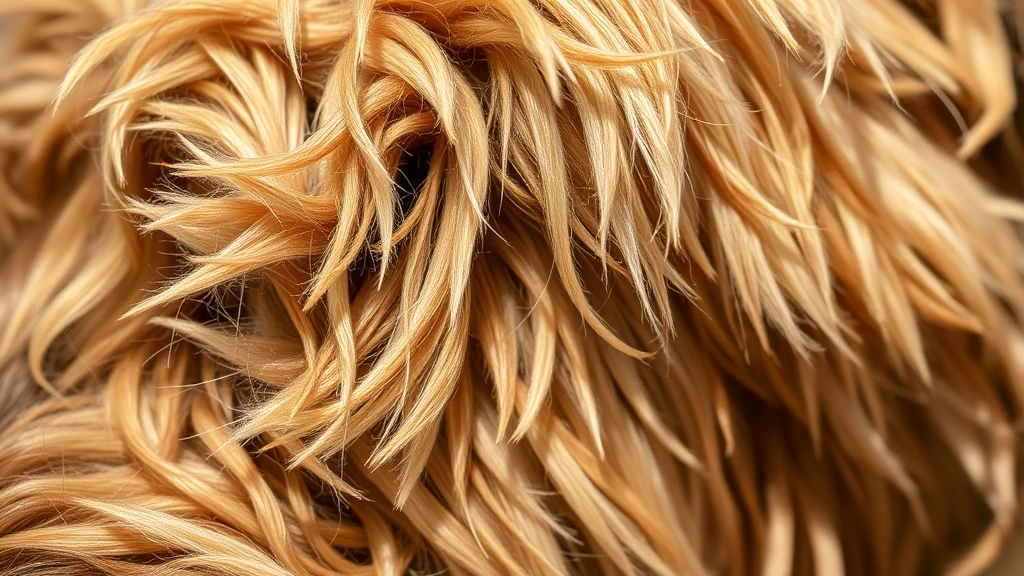
A healthy pet has a shiny, soft coat that’s a joy to pet. A malnourished pet? Their fur becomes dull, dry, and brittle. You might notice excessive shedding, dandruff, or even patches of hair loss. Their skin might become flaky or irritated, and they could develop infections more easily.
This happens because when you’re underfeeding pets, their body prioritizes vital organs over non-essential stuff like coat quality. Hair and skin are the first things to suffer when calories are restricted. If your pet’s coat looks like it’s seen better days, it’s often a direct reflection of inadequate nutrition.
Consider adding pet multivitamins to support coat health, but first, you need to fix the calorie problem. Supplements help, but they’re not a substitute for proper portions.
Sign #4: Behavioral Changes and Increased Food Obsession
Hungry pets act differently. You might notice your pet becoming obsessed with food—stealing from counters, begging constantly, or even eating non-food items (a condition called pica). Some pets become irritable or anxious when underfeeding pets is the issue, because their body is literally in survival mode.
A well-fed pet might beg occasionally, but an underfed pet is desperate. They’ll eat faster, show aggression around food bowls, or become fixated on any edible thing in their environment. This behavioral shift is your pet’s way of screaming, “Hey, I’m not getting enough!”
The food obsession can also lead to destructive behavior—chewing, digging, or other stress-related habits that owners often attribute to boredom or anxiety, when really it’s just hunger.
Sign #5: Weakened Immune System and Frequent Illness
This is the insidious sign that sneaks up on you. Underfeeding pets compromises their immune system, making them more susceptible to infections, parasites, and illnesses. Your pet might get sick more often, take longer to recover, or develop chronic health issues.
You’ll notice frequent ear infections, urinary tract infections, respiratory issues, or skin infections that just won’t quit. Some owners spend hundreds at the vet trying to fix these problems, never realizing the root cause is malnutrition. A properly nourished pet has a robust immune system that can fight off these issues naturally.
This is where immune boosting supplements for winter can help, but again, you need to address the foundational issue first: are you feeding enough?
How Much Should You Actually Be Feeding?
Here’s where it gets confusing for most owners. Food bag labels are starting points, not gospel. Your individual pet’s needs depend on age, activity level, metabolism, and health status. A young, active Border Collie needs way more calories than a senior Chihuahua.
The best approach? Start with the label recommendation, then adjust based on your pet’s body condition. If you’re seeing those ribs prominently, increase portions by 10-20% and reassess in 2-3 weeks. Work with your vet to dial in the perfect amount for your specific pet.
According to the Association of American Feed Control Officials (AAFCO), proper pet nutrition should support lean body mass and overall health. Don’t just eyeball portions—actually measure them with a cup or scale.
The Hidden Reasons Behind Underfeeding Pets
Sometimes underfeeding pets isn’t intentional. Maybe you’re following outdated advice from your vet (some older veterinarians still recommend very restricted diets). Maybe you’re trying to manage your pet’s weight and went too far. Maybe you’re dealing with financial constraints and are doing your best with what you can afford.
Some owners underfeed because they’re terrified of obesity (which is valid—obesity is a real problem), but they swing too far in the opposite direction. Others underfeed because they think it’ll help their pet live longer. Spoiler alert: it won’t. A properly nourished pet that maintains a healthy weight lives longer than an underfed, malnourished one.
Financial hardship is real, and if that’s your situation, resources exist. Talk to your vet about budget-friendly options, look into pet food banks, or ask about assistance programs in your area. There’s no shame in needing help.
When to Call Your Vet (And Why You Should)
If you’re seeing any of these signs, schedule a vet visit. Seriously. Your vet can assess your pet’s body condition, rule out medical issues that might cause weight loss, and help you create a proper feeding plan. They can also recommend appropriate pet longevity supplements if your pet needs nutritional support beyond basic food.
Bring your current food bag to the appointment so your vet can see what you’re feeding and the portions you’re giving. Be honest about any treats, table scraps, or other foods your pet is getting—this info matters for calculating total caloric intake.
According to PetMD, regular body condition assessments are crucial for catching nutrition problems early. Your vet can score your pet’s body condition on a standardized scale and adjust feeding recommendations accordingly.
Fixing the Problem: A Practical Action Plan
Ready to stop underfeeding pets? Here’s what to do:
Step 1: Assess your pet’s current body condition honestly. Feel those ribs. Look at that waistline. Be real about what you see.
Step 2: Calculate your pet’s caloric needs. Use online calculators or ask your vet. Factor in activity level and age.
Step 3: Measure portions accurately. No more eyeballing. Use a measuring cup or scale.
Step 4: Increase portions gradually if your pet is underweight. Jump from 1 cup to 2 cups overnight and you’ll have digestive issues. Add 10-15% every few days.
Step 5: Reassess every 2-3 weeks. Take photos from the same angle to track changes. Feel those ribs regularly.
Step 6: Consider preventative care supplements to support overall health while you’re rebuilding your pet’s nutrition.
This isn’t a quick fix—it might take 2-3 months to get your pet back to ideal weight. But it’s worth every bit of effort.
Frequently Asked Questions
Can underfeeding pets actually make them live longer?
This is a myth that needs to die. While some studies show caloric restriction in rodents extends lifespan, the same doesn’t apply to pets in the real world. An underfed pet is a stressed, unhealthy pet that’s more prone to illness and disease. A properly nourished pet living at a healthy weight will outlive an underfed one every time. Don’t confuse “lean” with “underfed.”
What’s the difference between a lean pet and an underfed pet?
A lean, healthy pet has visible waist definition and ribs you can feel but not see. An underfed pet has prominent ribs, visible spine, hip bones sticking out, and often shows behavioral or health problems. Lean is fit; underfed is malnourished.
How do I know if my pet’s food is actually nutritious enough?
Look for AAFCO certification on the label—it means the food meets minimum nutritional standards. Check the ingredient list (meat should be first). If you’re unsure, ask your vet or consult with a veterinary nutritionist. Not all pet foods are created equal, and sometimes underfeeding pets happens because they’re eating low-quality food that doesn’t provide adequate nutrition.
Is it okay to free-feed my pet to avoid underfeeding?
Free-feeding (leaving food out all day) works for some pets but not others. Many pets will overeat, leading to obesity. The best approach is measured, scheduled meals. This also helps you monitor your pet’s appetite and catch health problems early. If your pet isn’t eating, you’ll notice immediately instead of wondering if they ate yesterday.
What if my vet says my pet should be on a restricted diet?
Follow your vet’s recommendations, but ask for specifics. How much exactly? For how long? Are there health conditions requiring restriction? Make sure you understand the “why” behind the recommendation. Some vets do recommend therapeutic restricted diets for specific conditions, and that’s different from casual underfeeding. Get the exact portions and reassess regularly.





