
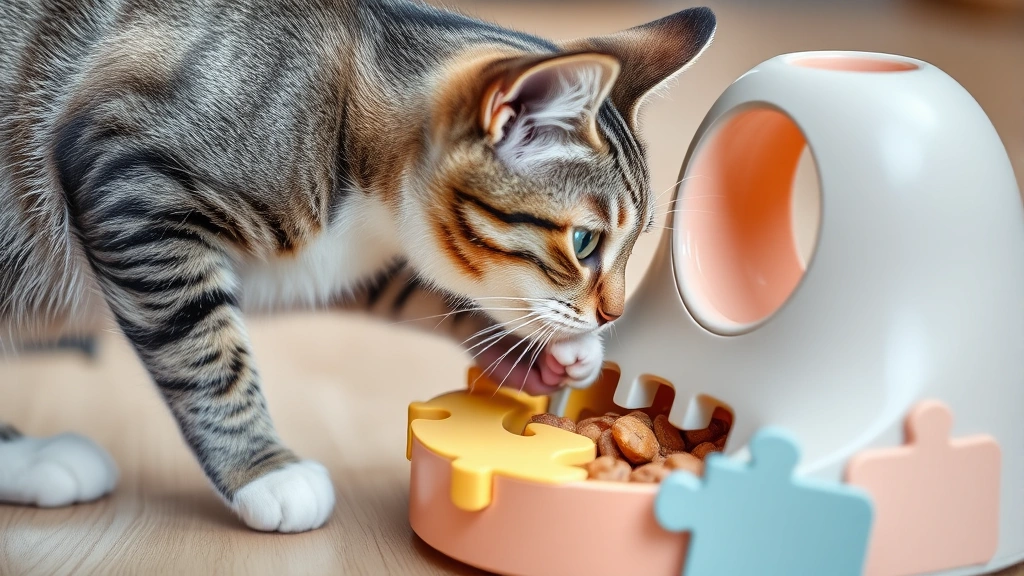
Let’s be honest—your cat probably spends half the day staring at you like you owe them money, and the other half knocking things off shelves just to watch them fall. But here’s the thing: food enrichment for cats isn’t just about keeping them entertained (though that’s a nice bonus). It’s about tapping into their natural hunting instincts and keeping their brains sharper than a cat’s claws. When cats have to work for their food, they’re happier, healthier, and way less likely to become furry little chaos agents.
Table of Contents
- Why Food Enrichment for Cats Actually Matters
- The Puzzle Feeder Revolution: Interactive Feeding Done Right
- DIY Enrichment: Budget-Friendly Hunting Simulations
- Wet Food Enrichment: Slow Feeders and Lick Mats
- The Hunting Feeder: Mimicking Nature’s Meal Plan
- Treat-Dispensing Toys: The Gift That Keeps Giving
- Timed Feeders: Portion Control Meets Entertainment
- Rotating Enrichment: Keeping the Magic Alive
- Combining Enrichment with Supplements for Maximum Benefits
- Troubleshooting Common Enrichment Challenges
- Frequently Asked Questions
- Final Thoughts: Making Mealtime Matter
If your indoor kitty is bored out of their mind, food enrichment might be the game-changer your household desperately needs. Let’s dive into five proven strategies that’ll have your cat pouncing, pawing, and actually earning their kibble like nature intended.
Why Food Enrichment for Cats Actually Matters
Your cat’s wild ancestors didn’t have food just sitting in a bowl waiting for them. They hunted, stalked, and worked for every meal. Indoor cats, on the other hand, have it too easy—and that’s a problem. When cats don’t engage their natural instincts, they get bored, stressed, and develop behavioral issues. Studies show that enrichment activities reduce stress and anxiety in cats, leading to better overall health.
Food enrichment for cats addresses this head-on. It stimulates their brain, keeps them physically active, and makes mealtime an actual event instead of just… eating. Plus, cats who are mentally stimulated tend to have fewer litter box issues, destructive behaviors, and weight problems. It’s basically a win-win situation where everyone’s happy—especially your couch.
The Puzzle Feeder Revolution: Interactive Feeding Done Right
Puzzle feeders are the MVP of cat enrichment. These contraptions force your cat to figure out how to access their food, turning mealtime into a mini brain workout. There are tons of options out there, from simple ball feeders where kibble falls out as your cat rolls them around, to complex puzzle boxes that require serious problem-solving skills.

The beauty of puzzle feeders is that they slow down fast eaters (which helps with digestion) and keep your cat engaged for longer. Instead of inhaling their food in 30 seconds, they’re working for it over several minutes. Start with easier puzzles and gradually increase the difficulty as your cat gets the hang of it. Pet cognitive supplements can complement puzzle feeding by supporting your cat’s mental sharpness.
Pro tip: Rotate your puzzle feeders to keep things fresh. Cats are smart—they’ll get bored with the same puzzle eventually.
DIY Enrichment: Budget-Friendly Hunting Simulations
Not everyone wants to drop serious cash on fancy puzzle feeders, and honestly, you don’t have to. Some of the best food enrichment for cats comes from stuff you probably have lying around your house. Toilet paper rolls stuffed with treats, paper bags with holes cut in them, or even just scattering kibble across the floor so your cat has to hunt for it—these simple tricks work surprisingly well.
Try hiding small portions of food around your house during the day. Your cat will spend hours “hunting” for meals, engaging their natural predatory instincts without you lifting a finger (well, except to hide the food). Crumpled paper balls mixed with treats, cardboard boxes with openings, or even a muffin tin with tennis balls covering each cup—your cat will have a blast figuring these out.

The key is keeping it safe. Avoid anything with small parts they could swallow, sharp edges, or toxic materials. Your goal is enrichment, not a trip to the emergency vet clinic.
Wet Food Enrichment: Slow Feeders and Lick Mats
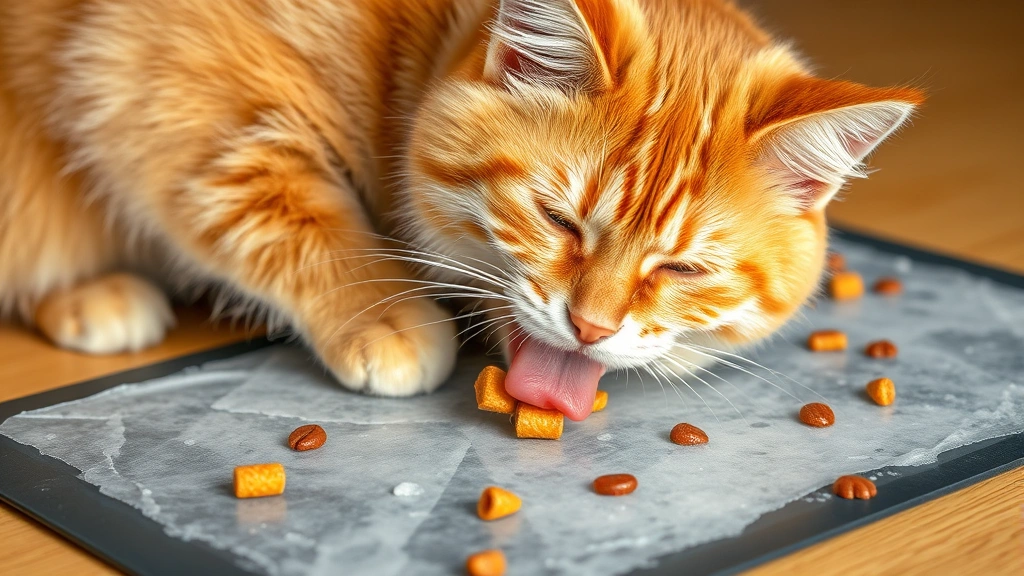
If your cat is more of a wet food enthusiast, you’re in luck—wet food enrichment is a whole different ballgame. Slow feeders designed for wet food force your cat to work around obstacles to get to their meal. Lick mats are another game-changer: spread wet food or treats across the mat, freeze it, and watch your cat spend 10-15 minutes licking away.
Frozen lick mats are especially great for hot days or as a way to keep your cat occupied while you’re working from home. You can use cat-safe pumpkin, wet food, or even bone broth (unsalted, obviously). The slower eating pace also helps with digestion and keeps your cat feeling fuller longer.
Behavioral support supplements can help anxious cats while they adjust to new enrichment routines, especially if they’re used to eating quickly.
The Hunting Feeder: Mimicking Nature’s Meal Plan
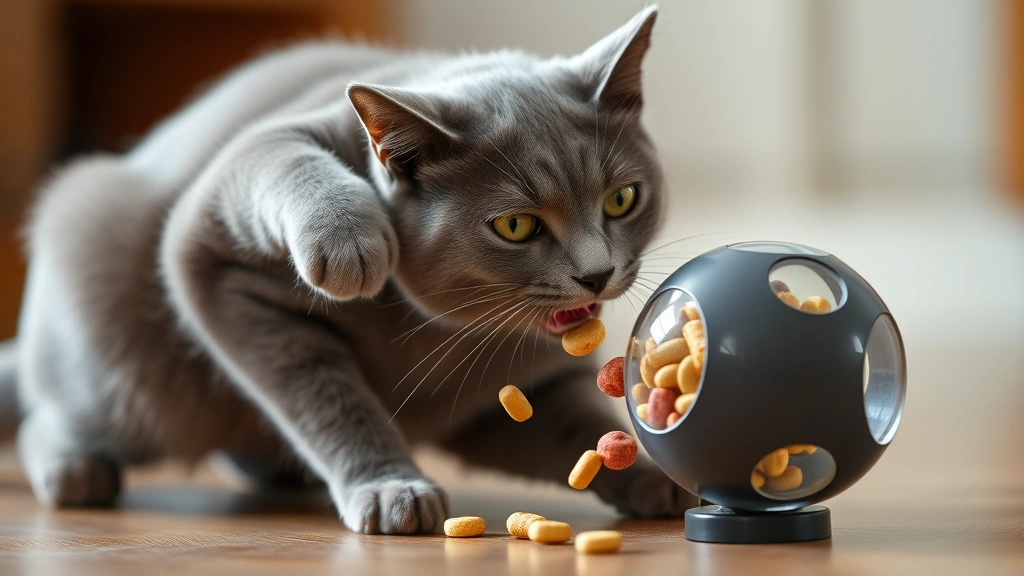
Some cats respond best to hunting feeders that simulate actual prey. These devices dispense food as your cat bats at them, mimicking the experience of hunting real prey. It’s basically a toy and a feeder rolled into one, and cats absolutely lose their minds over them.
Hunting feeders come in various designs—some look like little mice, others are wand-style toys with treats attached. The idea is that your cat has to “hunt” and “catch” their food to eat it. This taps into their predatory instincts in a way that regular bowls simply can’t match. If your cat is particularly food-motivated, hunting feeders can keep them entertained for extended periods.
The bonus? Your cat gets exercise while eating, which is clutch for keeping weight in check. Regular health monitoring helps track the benefits of increased activity from enrichment activities.
Treat-Dispensing Toys: The Gift That Keeps Giving
Treat-dispensing toys are the bread and butter of cat enrichment. These hollow toys hold kibble or treats inside, and your cat has to figure out how to get them out. The challenge level varies—some toys are straightforward, while others require serious effort and intelligence to crack.

The genius part is that treat-dispensing toys keep working even when you’re not around. Toss one out, and your cat can entertain themselves for hours trying to extract every last morsel. They’re perfect for cats who get anxious when you leave the house or who need mental stimulation during the day.
Rotate different toys to maintain novelty. Your cat will get bored if they’re playing with the exact same toy every single day. Mix it up, and you’ll keep their interest piqued.
Timed Feeders: Portion Control Meets Entertainment
Automatic timed feeders serve double duty in the enrichment game. They dispense small portions of food at set intervals throughout the day, which means your cat gets multiple “meals” instead of one or two large ones. This mimics how cats would naturally eat in the wild—frequent, smaller meals.
The enrichment factor comes from the unpredictability and the anticipation. Your cat doesn’t know exactly when the next meal is coming, so they stay mentally engaged. Plus, smaller, frequent meals are better for digestion and metabolism. Just make sure the feeder you choose is reliable and won’t jam (because a broken feeder is nobody’s idea of fun).

Rotating Enrichment: Keeping the Magic Alive
Here’s something people often miss: rotation is everything. If you use the same enrichment method every single day, your cat will get bored with it. The key to long-term success with food enrichment for cats is keeping things fresh and unpredictable.
Establish a rotation schedule. Maybe Mondays are puzzle feeder days, Tuesdays are DIY hunting days, Wednesdays are treat-dispensing toy days, and so on. This keeps your cat engaged and prevents the novelty from wearing off. Plus, it gives you variety in how you’re stimulating their brain.
Pay attention to what your cat responds to best. Some cats are obsessed with puzzle feeders, while others prefer the chaos of scattered kibble. Every cat is unique, so tailor your enrichment strategy to your individual feline’s preferences.
Combining Enrichment with Supplements for Maximum Benefits
While food enrichment is fantastic on its own, combining it with anxiety treats for cats can amplify the benefits. Some cats get stressed when their routine changes, so adding calming supplements during the transition to enrichment can smooth things out. Similarly, tasty pet supplements can make enrichment activities even more rewarding and engaging.
The combination of mental stimulation from enrichment and nutritional support from quality supplements creates a holistic approach to cat wellness. You’re not just keeping them entertained—you’re supporting their overall health and happiness.
Troubleshooting Common Enrichment Challenges
Some cats are stubborn and refuse to engage with enrichment at first. If your cat ignores their puzzle feeder, try putting their favorite treats inside instead of regular kibble. Make it worth their while. You might also need to demonstrate how it works by manually dispensing a few pieces so they understand what’s happening.
If your cat is too clever and gets bored quickly, increase the difficulty level. Combine multiple enrichment methods. Use harder puzzles. Make them work harder for their food. And if your cat is just not interested in a particular enrichment method? Move on. Not every cat loves every toy, and that’s okay.
Safety is paramount. Always supervise new enrichment activities, especially at first. Make sure toys don’t have small parts that could be swallowed, sharp edges, or anything toxic. If your cat starts showing signs of stress or frustration, dial back the difficulty.

Frequently Asked Questions
How often should I use food enrichment for my cat?
Ideally, incorporate food enrichment into your cat’s daily routine. Use enrichment methods for at least one meal per day, and rotate different types throughout the week. Some cats can handle multiple enrichment sessions daily, so observe your cat’s behavior and adjust accordingly.
Is food enrichment safe for all cats?
Most cats can benefit from food enrichment, but senior cats or those with dental issues might need modifications. Always supervise enrichment activities, especially when introducing new methods. If your cat has health concerns, consult your vet before making major changes to their feeding routine.
Can food enrichment help with weight loss?
Absolutely. Food enrichment slows down eating, increases physical activity, and makes meals more satisfying. This combination often leads to better weight management. However, weight loss should also involve portion control and, if needed, veterinary guidance.
What’s the best enrichment method for lazy cats?
Lazy cats often respond well to lick mats, slow feeders, and puzzle feeders that don’t require intense physical activity. Start with easier options and gradually increase difficulty. Even low-energy cats benefit from mental stimulation, even if they’re not running around like maniacs.
How do I know if my cat is stressed by enrichment?
Signs of stress include avoiding the enrichment item, excessive meowing, aggression, or changes in eating/litter box habits. If you notice these signs, dial back the difficulty or try a different enrichment method. Enrichment should be fun, not frustrating.
Final Thoughts: Making Mealtime Matter
Food enrichment for cats transforms feeding time from a boring routine into an engaging, stimulating experience that taps into their natural instincts. Whether you’re using puzzle feeders, DIY tricks, hunting toys, or a combination of methods, the goal is the same: keep your cat’s brain sharp, their body active, and their spirit happy.
Start small, observe what your cat responds to, and don’t be afraid to experiment. The best enrichment strategy is the one that works for your individual cat. With a little creativity and consistency, you’ll have a happier, healthier, and significantly less bored feline companion. Your couch will thank you, your cat will thank you, and honestly, you might even enjoy watching them finally work for their supper.





