
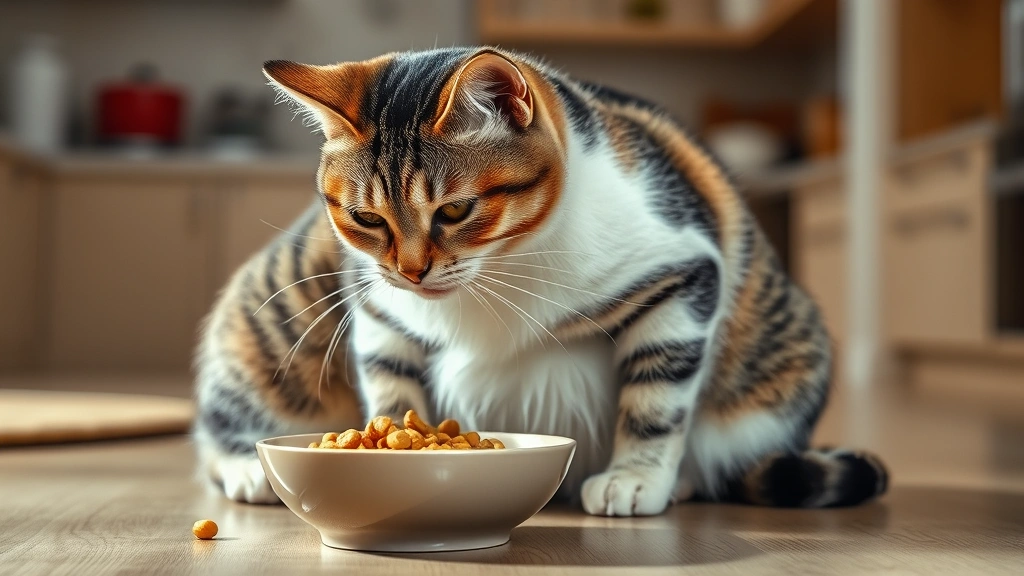
Pregnant cat feeding is one of the most critical aspects of feline maternal care, and honestly, it’s way more involved than just tossing some extra kibble in the bowl. Your pregnant queen is basically a furry food factory right now, building tiny humans (okay, tiny kittens) inside her body while maintaining her own health. It’s exhausting just thinking about it, so let’s break down exactly what your expecting feline needs to thrive through pregnancy and deliver healthy babies.
Table of Contents
- Understanding Your Pregnant Cat’s Nutritional Needs
- Choosing the Right Food for Pregnancy
- Protein Requirements During Feline Pregnancy
- Feeding Schedule and Portion Control
- Essential Vitamins and Minerals for Maternal Health
- Hydration: The Often-Forgotten Essential
- Avoiding Foods That Are Unsafe During Pregnancy
- Weight Management During Pregnancy
- Transitioning to Nursing Nutrition
- Monitoring Health and Complications
- Working with Your Veterinarian on Nutrition
- Preparing for Postpartum Nutrition Success
- Frequently Asked Questions
- Conclusion: Setting Your Pregnant Cat Up for Success
Understanding Your Pregnant Cat’s Nutritional Needs
When your cat is pregnant, her caloric requirements skyrocket—we’re talking about a 25-50% increase in daily calories by the third trimester. This isn’t the time to stick with her regular maintenance diet. Your pregnant feline needs premium nutrition to support fetal development, maintain her own body condition, and prepare for the energy demands of lactation. Think of it like she’s running a 24/7 construction site inside her body, and you’re the foreman supplying the materials.
Choosing the Right Food for Pregnancy
The best approach to pregnant cat feeding involves selecting high-quality kitten food or specially formulated pregnancy formulas. Kitten food is naturally higher in calories, protein, and essential nutrients than adult maintenance diets. Look for foods with at least 30% crude protein and higher fat content (around 15-20%). Your vet might recommend brands specifically designed for pregnant and nursing cats, which provide optimal nutrition for this demanding life stage. Prescription diets from veterinary clinics can be particularly beneficial if your cat has specific health concerns.
Protein Requirements During Feline Pregnancy
Protein is the MVP of pregnant cat feeding. Your expecting queen needs adequate amino acids to build kitten tissues, support placental development, and prepare her body for milk production. High-quality animal-based proteins (chicken, fish, beef) are far superior to plant-based alternatives because they contain all essential amino acids in the right proportions. Aim for foods listing meat as the primary ingredient, not meat by-products or grain fillers. During pregnancy, protein needs increase significantly, making premium nutrition non-negotiable.
Feeding Schedule and Portion Control
Rather than sticking to one or two daily meals, pregnant cats benefit from smaller, more frequent feedings—think 3-4 meals per day. This approach prevents digestive upset and allows her to consume adequate calories without feeling uncomfortably full. As pregnancy progresses and the uterus takes up more abdominal space, smaller portions become essential for comfort. By the final weeks, your cat might feel better eating 4-5 smaller meals rather than larger portions. Always follow feeding guidelines on your chosen food, but expect to increase portions gradually as pregnancy advances.
Essential Vitamins and Minerals for Maternal Health
Pregnant cats require specific micronutrients that might not be present in standard adult cat food. Calcium and phosphorus are crucial for fetal skeletal development and maternal bone health. Folic acid supports cell division during fetal growth. Taurine (an amino acid essential for cats) becomes even more critical during pregnancy and lactation. Rather than supplementing randomly, consider pet multivitamins formulated specifically for pregnant and nursing cats. Always consult your veterinarian before adding supplements, as excessive amounts of certain nutrients can be harmful. Your vet might recommend preventative care supplements to ensure optimal maternal and fetal health throughout pregnancy.
Hydration: The Often-Forgotten Essential
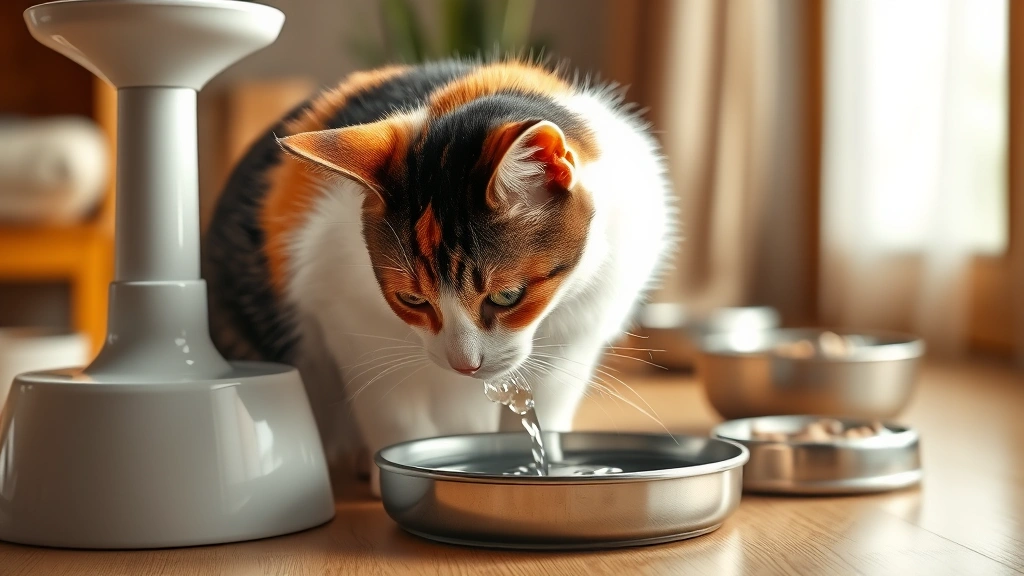
Pregnant cat feeding isn’t just about food—hydration is equally critical. Pregnant cats need constant access to fresh, clean water. Increased water intake supports blood volume expansion, amniotic fluid production, and overall metabolic demands. Some pregnant cats prefer running water, so consider investing in a cat water fountain. Monitor water intake and contact your vet if your cat seems excessively thirsty or not drinking enough, as these could indicate complications like gestational diabetes.
Avoiding Foods That Are Unsafe During Pregnancy
Just like human pregnancies, certain foods should be completely off-limits during feline pregnancy. Avoid raw meat and fish (toxoplasmosis risk), chocolate, caffeine, onions, garlic, and anything containing xylitol. Don’t feed excessive amounts of vitamin A-rich foods like liver, as this can cause birth defects. Avoid unpasteurized dairy products and anything moldy. Stick to commercially prepared cat foods from reputable manufacturers that meet AAFCO standards—these have been formulated and tested for safety during pregnancy and lactation.
Weight Management During Pregnancy
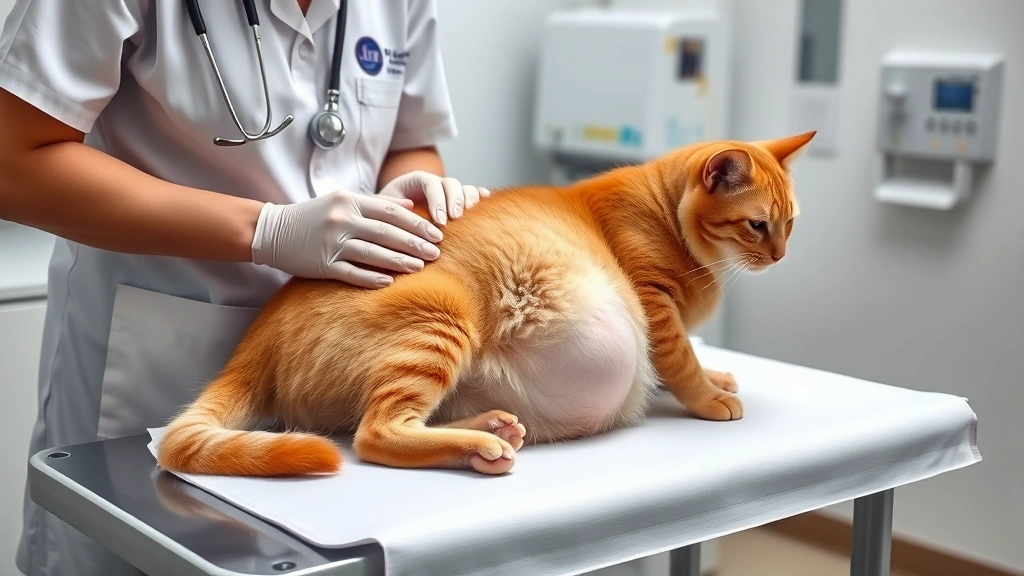
Here’s where it gets tricky: your pregnant cat should gain weight, but not excessively. Aim for a 25-40% weight increase by delivery, depending on her pre-pregnancy body condition. Excessive weight gain increases complications like gestational diabetes and difficult labor. Conversely, inadequate weight gain compromises fetal development. Your veterinarian should monitor weight gain at regular pregnancy check-ups (typically at 3, 5, and 7 weeks). They’ll help you adjust portions to achieve ideal gain. This is one situation where you genuinely cannot rely on the “free-feed” method—portion control is essential.
Transitioning to Nursing Nutrition
As delivery approaches (around week 8-9), your pregnant cat’s nutritional needs peak. She’s preparing to produce milk that will feed anywhere from 1-8 kittens. Continue the high-calorie, high-protein diet through labor and into lactation. Some cats naturally eat less immediately before labor, which is normal. After delivery, nursing demands are even more intense than pregnancy itself—lactating cats can need 2-3 times their normal caloric intake. Keep the premium kitten food available continuously during the nursing period, which typically lasts 6-8 weeks. Consider sensitive stomach supplements if your nursing cat develops digestive issues from the increased food intake.
Monitoring Health and Complications
Throughout pregnant cat feeding protocols, watch for warning signs of complications. Loss of appetite, excessive vomiting, lethargy, or difficulty breathing warrant immediate veterinary attention. Gestational diabetes can develop in pregnant cats, particularly in overweight individuals, causing excessive thirst and urination. Eclampsia (calcium deficiency) can occur during nursing, causing muscle tremors and seizures. Regular veterinary check-ups every 2-3 weeks during pregnancy help catch complications early. Your vet can perform ultrasounds to monitor fetal development and assess whether your feeding plan is adequate.
Working with Your Veterinarian on Nutrition
This isn’t a DIY situation where you wing it based on internet advice. Partner with your veterinarian to develop a pregnant cat feeding plan tailored to your specific cat’s needs. Discuss her current diet, any pre-existing health conditions, and your feeding goals. Your vet might recommend prescription diets, specific supplement protocols, or adjusted feeding schedules based on her individual circumstances. They can also provide guidance on post-delivery nutrition and lactation support. Some vets recommend pet longevity supplements that support overall maternal health during this demanding period.
Preparing for Postpartum Nutrition Success
Smart pregnant cat feeding sets the stage for successful nursing. Stock up on the premium kitten food you’ve chosen before her due date—running out mid-lactation is a nightmare. Have backup feeding stations set up in quiet areas where she can nurse undisturbed. Plan to increase food portions by 50-100% once kittens arrive, as nursing demands are intense. Ensure continuous access to water and consider electrolyte supplements formulated for nursing cats. The collagen for pets products can support joint and tissue health for nursing mothers managing the physical demands of caring for multiple kittens.
Frequently Asked Questions
How much should I feed my pregnant cat?
Start with the recommended portion on your kitten food package, then increase gradually. By the third trimester, most pregnant cats eat 25-50% more than their pre-pregnancy amounts. Divide this into 3-4 meals daily rather than 1-2 large meals. Your vet can provide specific portion recommendations based on your cat’s weight and body condition.
Can I feed my pregnant cat regular adult cat food?
Not ideally. Adult maintenance formulas lack the calorie density and nutrient profiles needed for pregnancy. Kitten food or pregnancy-specific formulas are far superior. If switching foods, do so gradually over 7-10 days to prevent digestive upset, which is especially important during pregnancy.
When should I switch to pregnancy food?
Ideally, switch to kitten food as soon as you confirm pregnancy (around 2-3 weeks). However, if you’re uncertain about pregnancy timing, switching to kitten food for any cat of breeding age won’t hurt—it’s nutrient-dense for all life stages. Continue this food through nursing, typically 6-8 weeks postpartum.
Should I give my pregnant cat supplements?
Only under veterinary guidance. While prenatal vitamins designed for pregnant cats can be beneficial, excessive supplementation can be harmful. Your vet might recommend specific supplements based on your cat’s health status and the quality of her diet. Never add supplements without professional advice.
What if my pregnant cat won’t eat?
Loss of appetite during early pregnancy is common and usually temporary. However, complete appetite loss warrants veterinary evaluation. Some cats experience nausea similar to morning sickness. Try offering smaller portions more frequently, warming food slightly, or switching to highly palatable options. Contact your vet if appetite loss persists beyond a few days.
How often should I feed my pregnant cat?
Pregnant cats do best with 3-4 meals daily rather than 1-2 large meals. This prevents digestive upset and allows adequate calorie consumption without discomfort. As pregnancy progresses and abdominal space becomes limited, some cats prefer 4-5 smaller meals.
Is it normal for pregnant cats to eat more?
Absolutely. Pregnant cats typically increase food intake by 25-50% as pregnancy progresses. This is healthy and necessary for proper fetal development. However, excessive weight gain (more than 50% of pre-pregnancy weight) can indicate overfeeding or complications. Your vet should monitor weight gain at regular check-ups.
Conclusion: Setting Your Pregnant Cat Up for Success
Pregnant cat feeding is fundamentally about understanding that your expecting queen is in a unique physiological state requiring premium nutrition, careful monitoring, and professional guidance. By selecting high-quality kitten food or pregnancy-specific formulas, implementing a frequent feeding schedule, ensuring adequate hydration, and working closely with your veterinarian, you’re providing the best foundation for healthy kittens and a smooth delivery. The investment in proper nutrition during pregnancy pays dividends in healthier, stronger kittens and a nursing mother who can handle the demands of lactation without compromising her own health. Remember, this intensive feeding phase is temporary—usually 9-10 weeks of pregnancy plus 6-8 weeks of nursing. After that, you can return to regular adult nutrition (though kittens obviously stay on growth formulas longer). Until then, embrace the role of pregnancy nutrition manager and celebrate the amazing biological process happening inside your furry friend.





