
If you’re looking for overnight feeding options for your furry friend, you’ve probably already discovered that pets don’t exactly respect the 9-to-5 work schedule—or your sleep schedule, for that matter. Whether you’ve got a puppy with the appetite of a small horse, a senior cat who’s decided 3 AM is snack time, or you’re simply working the night shift, finding the right solution to keep your pet fed while you’re away or sleeping is crucial. Let’s dive into the five best solutions that’ll have your pet purring or wagging with satisfaction.
Table of Contents
- Why Overnight Pet Feeding Matters More Than You Think
- Automatic Pet Feeders: The Tech-Savvy Solution
- Slow Feeders and Puzzle Feeders: Making Meals Last
- Wet Food and Refrigerated Options: The Fresh Approach
- Gravity Feeders and Water Fountains: The Low-Tech Classic
- Scheduled Feeding with Pet Sitters or Neighbors: The Human Touch
- DIY Overnight Feeding Stations: Customizing Your Setup
- Nighttime Routine and Training: Setting Your Pet Up for Success
- Monitoring and Safety Considerations
- Budget-Friendly Options for Every Pet Parent
- Frequently Asked Questions
- Conclusion: Finding Your Perfect Overnight Feeding Solution
Why Overnight Pet Feeding Matters More Than You Think
Before we jump into solutions, let’s talk about why this matters. Pets thrive on routine, and skipping meals or having irregular feeding schedules can lead to digestive issues, behavioral problems, and that lovely 3 AM wake-up call when your cat decides your face is a valid breakfast plate. According to the American Kennel Club, consistent feeding schedules help regulate your pet’s metabolism and bathroom habits. Plus, a well-fed pet is a happy pet, and a happy pet means you might actually get some sleep.
Automatic Pet Feeders: The Tech-Savvy Solution
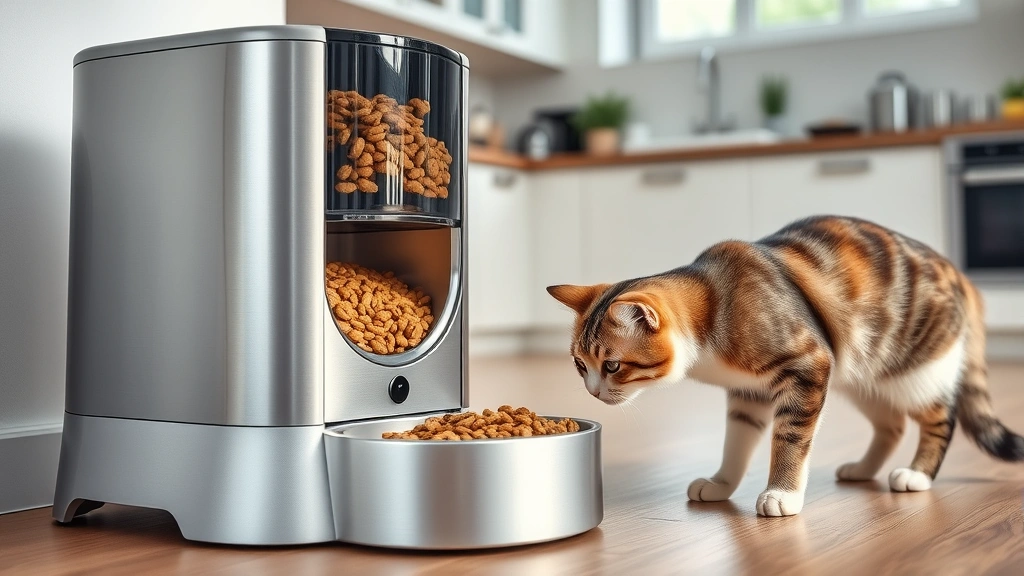
Let’s start with the heavy hitter: automatic pet feeders. These little robots are basically babysitters for your pet’s dinner bowl. Modern automatic feeders come with programmable timers, portion control, and some even have smartphone connectivity so you can monitor your pet’s eating habits from literally anywhere. You can set them to dispense meals at specific times throughout the night, ensuring your pet gets fed on schedule without you having to stumble out of bed at 2 AM.
The best part? They’re perfect for automatic pet supplement delivery too, if your pet needs additional nutritional support. Just fill the hopper, set the timer, and let technology do the heavy lifting. Look for models with backup battery systems in case of power outages—because Murphy’s Law dictates your feeder will fail during a storm.
Slow Feeders and Puzzle Feeders: Making Meals Last
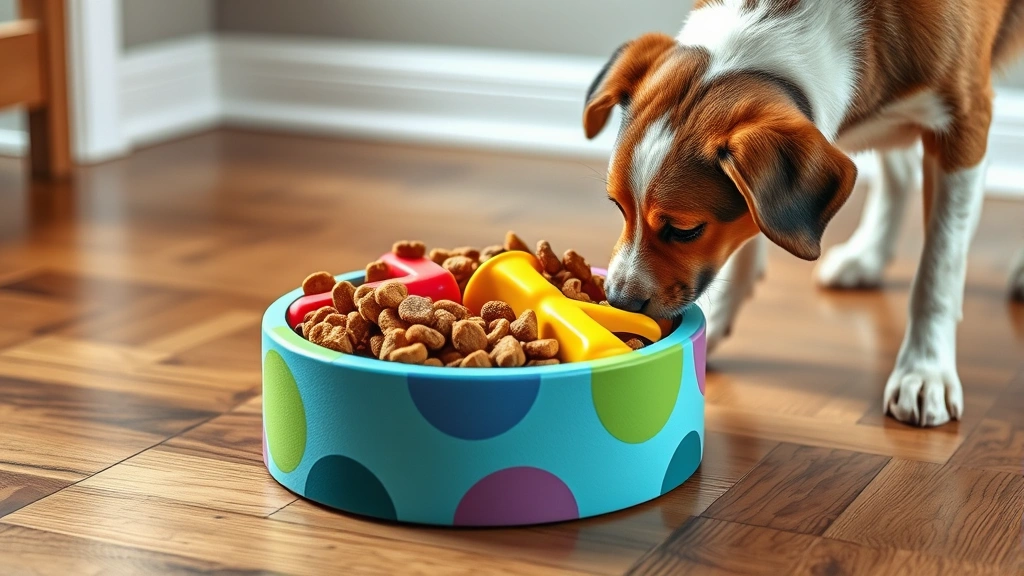
Sometimes the issue isn’t that your pet needs more food—it’s that they need food that lasts longer. Slow feeders and puzzle feeders are like the appetizers before the main course, keeping your pet entertained and satisfied for extended periods. These designs force your pet to work for their food, mimicking natural eating patterns and preventing that desperate 4 AM “I’m starving” meow or bark.
Puzzle feeders are particularly genius because they engage your pet’s brain while they eat. A mentally stimulated pet is a tired pet, and a tired pet is more likely to sleep through the night instead of treating your bedroom like a 24-hour diner. You can prep these in the evening and let your pet work through them overnight.
Wet Food and Refrigerated Options: The Fresh Approach
If your pet turns their nose up at dry kibble (yes, cats, I’m looking at you), wet food might be your answer. You can portion out wet food in advance and keep it in the refrigerator. Some pet owners swear by leaving out small portions of wet food alongside dry kibble to encourage overnight eating. The moisture content in wet food also helps with hydration, which is especially important for cats who are notorious for not drinking enough water.
Pro tip: Use pet supplement dosage guidance to ensure you’re mixing the right proportions if you’re adding supplements to wet food. And always check with your vet about which foods are safe to leave out overnight, as some wet foods can spoil if not refrigerated properly.
Gravity Feeders and Water Fountains: The Low-Tech Classic
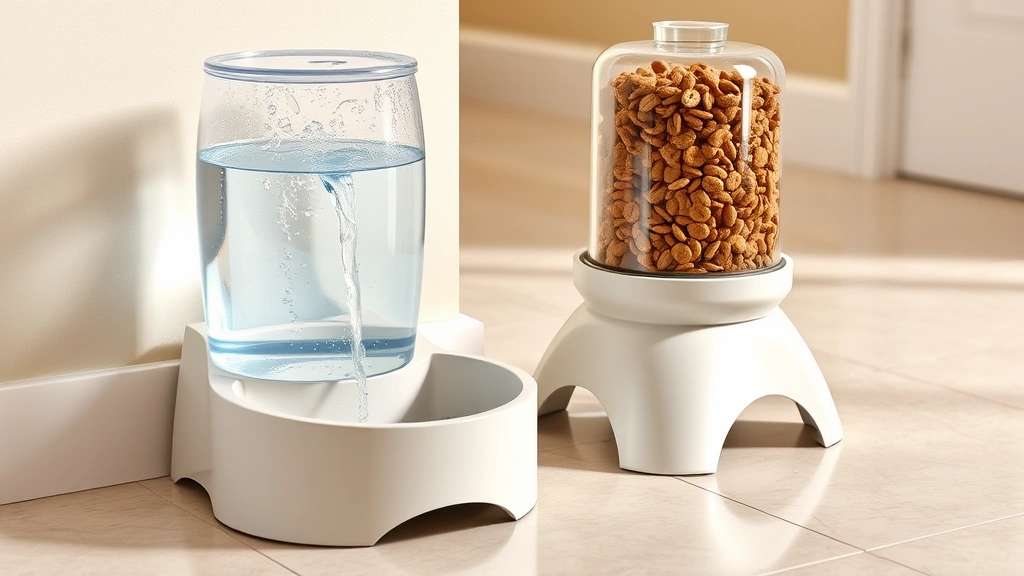
Sometimes the simplest solution is the best one. Gravity feeders have been around forever, and for good reason—they work. These feeders hold a large amount of kibble in a hopper that automatically refills the bowl as your pet eats. They’re affordable, require zero electricity, and won’t fail you during a power outage.
Pair a gravity feeder with a water fountain, and you’ve got a complete overnight feeding setup. Water fountains encourage pets to drink more (especially cats, who are naturally attracted to moving water), and they keep the water fresher than a stagnant bowl. Your pet gets food and hydration all night long, and you get to sleep like a normal human being.
Scheduled Feeding with Pet Sitters or Neighbors: The Human Touch
Sometimes technology isn’t the answer—sometimes you just need another human. If you have a trusted neighbor, friend, or family member who doesn’t mind popping over to feed your pet, this might be your golden ticket. Alternatively, hiring a professional pet sitter ensures your pet gets fed on schedule and gets some human interaction and exercise.
This option is particularly useful if your pet has special dietary needs or medical conditions that require monitoring. A pet sitter can also check on your pet’s overall well-being, which is invaluable peace of mind. Check out resources like PetMD for guidance on finding qualified pet care providers in your area.
DIY Overnight Feeding Stations: Customizing Your Setup
Why choose one solution when you can combine them? Create a custom overnight feeding station that works for your specific pet. Maybe it’s a gravity feeder for dry food, a puzzle feeder for mental stimulation, and a water fountain all set up in a designated area away from your bedroom. Some pet owners even set up cameras to monitor their pets’ eating habits and behavior.
The key is understanding your pet’s individual needs. Does your dog need a massive portion to feel satisfied? Go with an automatic feeder. Is your cat a grazer who eats small amounts throughout the day? A gravity feeder might be perfect. Is your senior pet struggling with mobility? A raised feeder might be the game-changer you’ve been looking for.
Nighttime Routine and Training: Setting Your Pet Up for Success
Here’s something people often overlook: training your pet for overnight feeding success. Establish a consistent evening routine that signals to your pet that nighttime is coming. Take your dog for a final bathroom break, give your cat some playtime to burn off energy, and then present the overnight feeding setup. Over time, your pet will understand the routine and be more likely to use the feeding station appropriately.
You might also want to explore at-home pet treatments that promote better sleep and digestion, but always consult your vet first. Some pets benefit from calming supplements or specific dietary adjustments that help them sleep through the night.
Monitoring and Safety Considerations
Whatever overnight feeding option you choose, safety should be your top priority. Ensure that feeders are placed on non-slip surfaces to prevent spills and accidents. Check automatic feeders regularly for malfunctions or jams. Keep water sources clean and fresh. And always monitor your pet’s eating habits and bathroom schedule to catch any potential health issues early.
If your pet suddenly changes their eating habits or shows signs of digestive distress, it’s time to call your vet. Sometimes overnight feeding issues are symptoms of underlying health problems that need professional attention.
Budget-Friendly Options for Every Pet Parent
Not everyone can afford a fancy automatic feeder with Wi-Fi connectivity, and that’s totally fine. Gravity feeders are incredibly affordable and reliable. Puzzle feeders can be DIY projects using toilet paper rolls and cardboard boxes (yes, really). Even a simple routine of preparing wet food portions in the evening costs less than fancy tech solutions.
The most expensive option isn’t always the best option—it’s the one that actually works for your pet and your lifestyle. Start simple, observe your pet’s behavior, and upgrade if needed.
Frequently Asked Questions
How long can I leave food out for my pet overnight?
Dry kibble can safely sit out for 24-48 hours, but wet food should not be left out for more than 2-4 hours at room temperature. Always check your pet food’s expiration date and follow manufacturer guidelines. Refrigerated wet food portions can last longer, but check for spoilage before serving.
Is it safe to use automatic feeders for all pet types?
Automatic feeders work great for most dogs and cats, but they’re not ideal for pets with special dietary needs, medical conditions requiring portion control, or those prone to overeating. Always consult your vet before switching to automatic feeding, especially for senior pets or those with health issues.
Can overnight feeding cause obesity in pets?
Potentially, yes. If you’re using an automatic feeder, ensure you’re dispensing the correct daily portion divided into appropriate meal sizes. Overfeeding, even with the best intentions, can lead to weight gain. Use a measuring cup and follow feeding guidelines based on your pet’s weight and age.
What’s the best overnight feeding option for puppies?
Puppies need frequent meals, so an automatic feeder with multiple daily portions is ideal. Puppies typically need 3-4 meals daily depending on age. You might also need to wake up for bathroom breaks, so coordinate feeding times with potty training schedules. Consider a pet sitter if you can’t manage the schedule yourself.
How do I transition my pet to an overnight feeding system?
Introduce the new feeding system gradually. Start by using it during the day while you’re home, so your pet becomes familiar with it. Then slowly extend its use to overnight periods. Monitor your pet’s behavior and eating habits during the transition. Most pets adapt within 1-2 weeks.
Conclusion: Finding Your Perfect Overnight Feeding Solution
Overnight feeding options don’t have to be complicated or expensive. Whether you choose high-tech automatic feeders, old-school gravity feeders, puzzle feeders, wet food stations, or a combination of these solutions, the goal is the same: keeping your pet happy, healthy, and fed while you get the sleep you deserve.
Start by assessing your pet’s individual needs, your budget, and your lifestyle. Test different solutions and pay attention to how your pet responds. The perfect overnight feeding setup is the one that works consistently for your specific furry friend. And remember, when in doubt, consult with your veterinarian to ensure your pet’s nutritional and health needs are being met. Here’s to peaceful nights and well-fed pets!





