

A solid pet sitter feeding guide is the difference between a stressed pet owner and one who can actually enjoy their vacation without obsessively texting for updates every five minutes. Whether you’re leaving your furry friend with a professional pet sitter or a trusted friend, getting the feeding instructions right is absolutely crucial. Let’s dive into how to make sure your pet stays happy, healthy, and well-fed while you’re away.
Table of Contents
- Why a Pet Sitter Feeding Guide Matters More Than You Think
- Tip #1: Create a Detailed Written Feeding Schedule
- Tip #2: Prepare Pre-Portioned Meals and Supplements
- Tip #3: Document Dietary Restrictions and Allergies
- Tip #4: Include Behavioral Notes and Feeding Quirks
- Tip #5: Provide Emergency Protocols and Vet Contact Information
- Special Considerations for Different Pet Types
- Water Management: The Overlooked Essential
- Communication Tips: Keeping Your Sitter in the Loop
- Frequently Asked Questions
- Summary: Your Pet Sitter Feeding Guide Checklist
Why a Pet Sitter Feeding Guide Matters More Than You Think
Your pet isn’t just another responsibility on your sitter’s to-do list—they’re a family member. When you hand over feeding duties, you’re essentially handing over your pet’s health and happiness for the duration of your absence. A comprehensive pet sitter feeding guide eliminates confusion, prevents accidents, and ensures your sitter knows exactly what to do. Plus, it protects your sitter from any potential liability issues. Win-win situation, right?
Tip #1: Create a Detailed Written Feeding Schedule
Don’t rely on memory or verbal instructions. Write everything down. Your feeding schedule should include:
- Exact feeding times (morning, afternoon, evening)
- Portion sizes in cups or ounces—not “a handful”
- Specific food brand and type
- Water bowl refill schedule
- Any special instructions for picky eaters
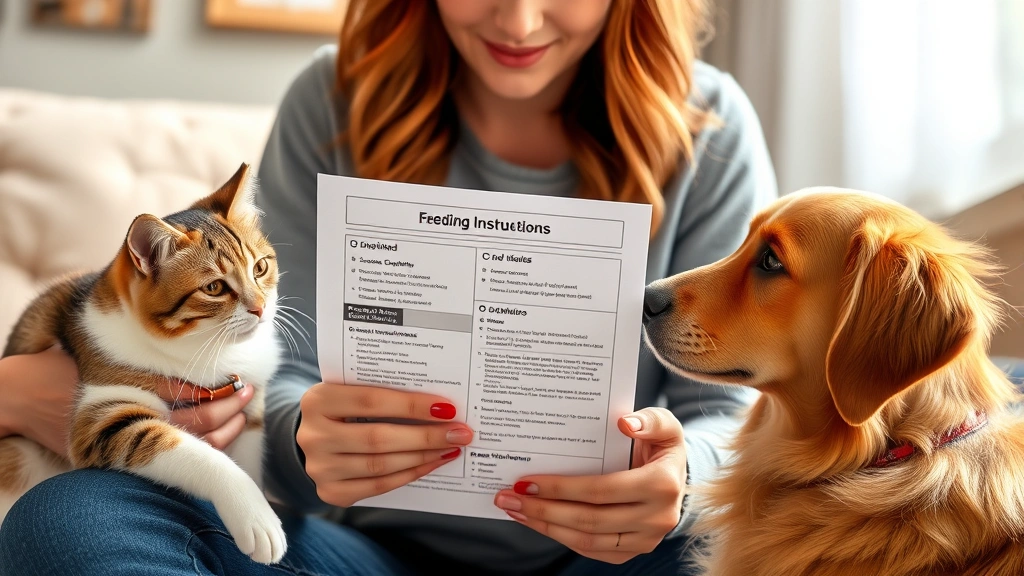
Post this schedule on your refrigerator and send a digital copy to your sitter. Think of it as your pet’s personal feeding manual. This is especially important if you have multiple pets with different dietary needs. Your sitter shouldn’t have to play detective trying to figure out which bowl belongs to whom.
Tip #2: Prepare Pre-Portioned Meals and Supplements
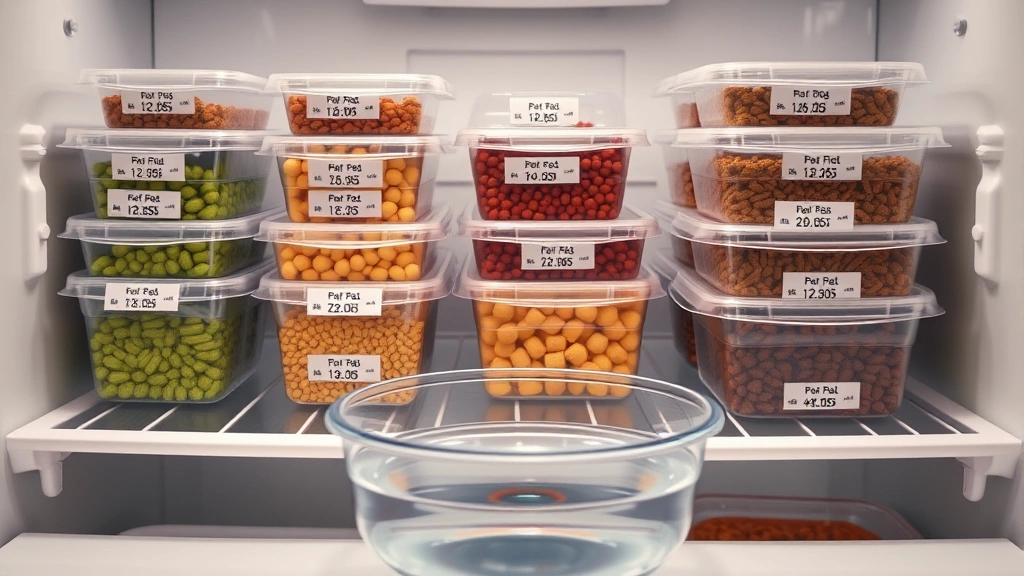
One of the smartest moves you can make is pre-portioning your pet’s food before you leave. Use labeled containers or bags for each meal, clearly marked with the date and time. If your pet requires supplements, this is the perfect time to incorporate them. Check out our Pet Supplement Dosage Guidance to ensure you’re giving the right amounts. Pre-portioning eliminates the possibility of your sitter accidentally giving too much or too little food, and it makes their job significantly easier. It’s like meal prep, but for your pet.
Tip #3: Document Dietary Restrictions and Allergies
If your pet has food allergies, sensitivities, or is on a prescription diet, this absolutely must be documented in your pet sitter feeding guide. Include:
- Foods to avoid at all costs
- Signs of an allergic reaction
- Emergency contact information for your vet
- Any medications related to digestion or food sensitivities
Don’t assume your sitter will remember a casual mention that your dog can’t have chicken. Write it down, highlight it, and make it impossible to miss. According to the American Kennel Club, many common human foods are toxic to pets, so your sitter needs to understand the gravity of this responsibility.
Tip #4: Include Behavioral Notes and Feeding Quirks
Every pet has personality quirks when it comes to eating. Some dogs inhale their food like they’re training for a competitive eating championship. Others are slow, deliberate eaters who take breaks. Some cats are grazers while others demand fresh food multiple times daily. Document all of this in your guide:
- Does your pet eat fast or slow?
- Do they need supervision while eating?
- Are they aggressive about food or toys?
- Do they prefer their food at room temperature or slightly warmed?
- How long should food sit out before being removed?
These details might seem minor, but they help your sitter understand your pet’s personality and prevent feeding-related stress or behavioral issues.
Tip #5: Provide Emergency Protocols and Vet Contact Information
What if your pet refuses to eat? What if they throw up after eating? What if they seem lethargic or unwell? Your pet sitter feeding guide should address these scenarios. Include:
- Your veterinarian’s phone number and after-hours emergency clinic information
- Your personal contact number (obviously)
- A trusted backup contact
- Instructions for what to do if your pet won’t eat
- Signs that warrant an emergency vet visit
Your sitter should never feel uncertain about whether they need to call you or take your pet to the vet. Clear guidelines protect both your pet and your sitter’s peace of mind. For additional guidance on pet nutrition, review our Pet Multivitamins resources to ensure your pet is getting complete nutrition.
Special Considerations for Different Pet Types
Different animals have vastly different feeding needs. Dogs might thrive on a consistent schedule, while cats often prefer grazing. Small animals like rabbits and guinea pigs need fresh hay and vegetables daily. Birds require specific feeding times and food variety. Your pet sitter feeding guide should be tailored to your specific pet’s species and individual needs. Don’t create a one-size-fits-all approach.
Water Management: The Overlooked Essential
Fresh water is just as important as food, yet many pet sitters overlook it. Your guide should specify:
- How often water bowls should be refilled
- Whether your pet prefers running water from a fountain or still water
- Any water additives or special water requirements
- Signs of dehydration to watch for
Dehydration can happen quickly, especially in warm weather or with senior pets. Make water management a prominent part of your feeding guide. If your pet is on any special health regimen, our Pet Supplement Starter Kits can help ensure comprehensive nutrition while you’re away.
Communication Tips: Keeping Your Sitter in the Loop
The best pet sitter feeding guide is useless if your sitter doesn’t understand it. Before you leave, spend time walking through the guide with your sitter. Show them:
- Where food is stored
- How to measure portions correctly
- Your pet’s eating habits and quirks
- How to handle any feeding challenges
Send photos of the correct portion sizes and ask your sitter to send you daily updates or photos of your pet eating. This builds confidence on both sides and gives you peace of mind while you’re away. Modern pet sitters often use apps or text updates to keep owners informed, so take advantage of that technology.
Frequently Asked Questions
How detailed should a pet sitter feeding guide be?
As detailed as possible. Include everything you can think of related to feeding, from portion sizes to behavioral quirks to emergency protocols. A sitter would rather have too much information than not enough. Think of it as your pet’s personal instruction manual.
What if my pet has a sensitive stomach?
Document this thoroughly in your guide. Include the specific food brand and type your vet recommends, any probiotics or digestive supplements (see our Over-the-Counter Pet Supplements for options), and clear instructions on what to do if digestive issues occur. Keep your vet’s contact information easily accessible.
Should I leave extra food in case my sitter runs out?
Absolutely. Leave at least 25% extra food beyond what your sitter will need. This accounts for spills, waste, or if you end up staying away longer than planned. Store it in a clearly marked container.
How should I store food to keep it fresh during pet sitting?
Keep dry food in airtight containers away from moisture and heat. Refrigerate wet food according to package instructions. For extended trips, consider pre-portioning meals and freezing them. Our Pet Supplement Storage guide provides additional tips on maintaining food freshness and nutritional integrity.
What if my sitter forgets to feed my pet?
This is rare with professional pet sitters, but it happens. This is why written schedules, pre-portioned meals, and photo updates are so important. They create accountability and documentation. If it does happen, know your pet can typically go 24 hours without food (though not ideal), so don’t panic.
Summary: Your Pet Sitter Feeding Guide Checklist
Creating a comprehensive pet sitter feeding guide doesn’t have to be complicated, but it does need to be thorough. Start by documenting your pet’s exact feeding schedule, portion sizes, and food preferences. Pre-portion meals when possible and clearly label everything. Include detailed information about dietary restrictions, allergies, and behavioral quirks. Provide emergency protocols and veterinary contact information. Communicate clearly with your sitter before you leave, and maintain contact while you’re away.
A well-prepared feeding guide takes the stress out of leaving your pet in someone else’s care. Your sitter will feel confident and prepared, your pet will maintain their normal routine, and you can actually relax on your vacation. That’s the whole point, right? Happy pet, happy sitter, happy owner.





