
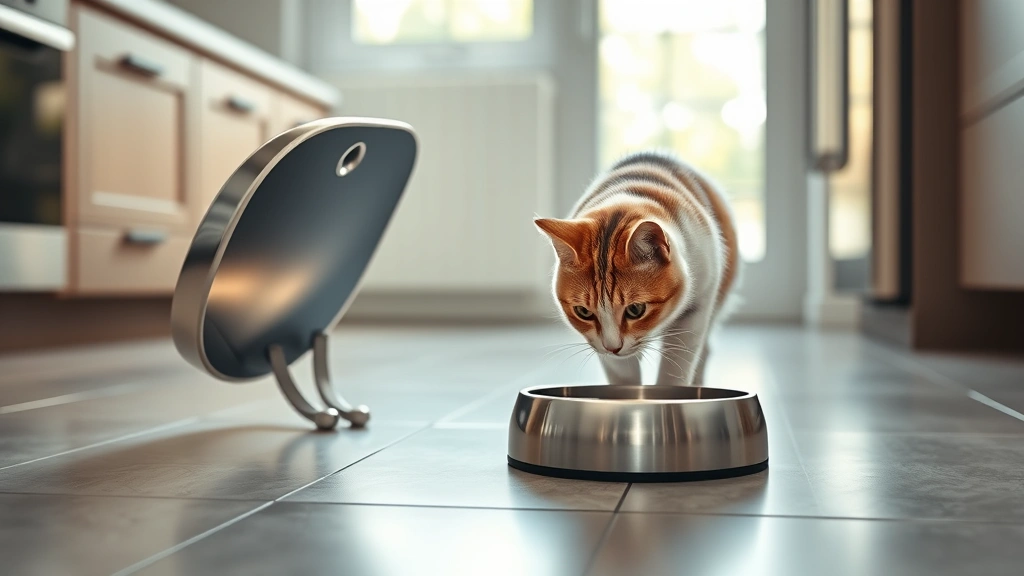
If you’ve got multiple cats, dogs, or a chaotic mix of both, microchip pet feeders are about to become your new best friend. Forget the days of watching your greedy golden retriever demolish your timid cat’s dinner while you’re at work. These smart little gadgets read your pet’s microchip and only open for the right furball—it’s like having a bouncer at a tiny food bowl nightclub.
Table of Contents
- What Exactly Are Microchip Pet Feeders?
- Why Multi-Pet Homes Need Microchip Pet Feeders
- How Microchip Pet Feeders Actually Work
- Top 5 Microchip Pet Feeders for Multi-Pet Households
- Key Features to Look For When Shopping
- Installation and Setup Tips
- Complementary Solutions for Multi-Pet Nutrition
- Common Mistakes to Avoid
- Real-World Success Stories from Multi-Pet Homes
- Budget Considerations and Long-Term Value
- Frequently Asked Questions
- Final Thoughts: Are Microchip Pet Feeders Worth It?
What Exactly Are Microchip Pet Feeders?
Let’s start with the basics. Microchip pet feeders are automatic feeding bowls that use RFID (Radio Frequency Identification) technology to recognize your pet’s unique microchip. When your designated pet approaches, the bowl’s lid opens, revealing their meal. When they walk away or another pet gets too close, it snaps shut faster than you can say “food thief.”
Most modern pets already have microchips implanted (it’s basically a tiny rice-grain sized device under their skin), so these feeders are just tapping into existing technology. No extra hardware needed on your pet—just pure, beautiful portion control.
Why Multi-Pet Homes Need Microchip Pet Feeders
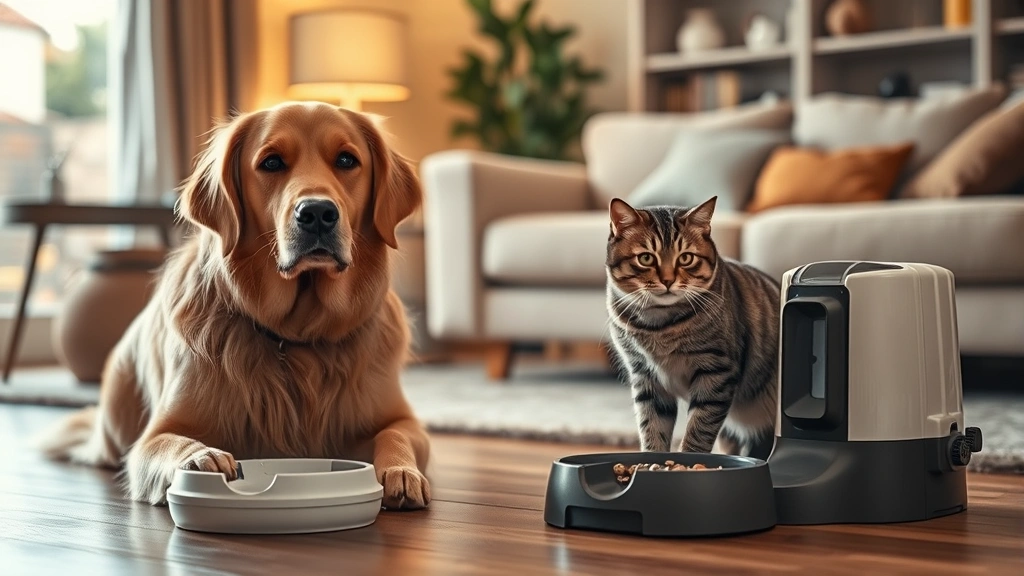
Living with multiple pets is like running a tiny furry restaurant where everyone has different dietary needs and table manners. Your senior dog needs special joint-support kibble, but your younger pup thinks that’s the most delicious thing ever invented. Your cat requires prescription food due to kidney issues, but your dog would literally commit petty theft for it.
Without RFID pet feeders, you’re playing food police 24/7. Microchip feeders eliminate this exhausting game. They ensure each pet eats only their designated food, prevent overeating, and give you peace of mind when you’re not home. Plus, they provide valuable data about eating habits—some models track when and how much your pet ate.
How Microchip Pet Feeders Actually Work
The technology is surprisingly straightforward. Here’s the magic:
- Detection: An RFID reader in the feeder detects your pet’s microchip from several inches away
- Recognition: The feeder’s system identifies which pet is approaching
- Access Control: The motorized lid opens only for authorized pets
- Automatic Closure: After your pet eats or walks away, the lid closes automatically
- Smart Features: Many models include timers, portion control, and app connectivity
Some feeders work with existing microchips, while others require you to register your pet’s chip with their system. Always check compatibility before purchasing.
Top 5 Microchip Pet Feeders for Multi-Pet Households
1. SureFeed Microchip Pet Feeder Connect
The SureFeed is basically the iPhone of microchip feeders. It connects to your smartphone, lets you monitor feeding times, and has a sleek design that won’t look like alien technology in your kitchen. The lid closes gently (no finger-pinching hazards), and it works with most standard microchips. Battery life is solid, lasting several months on four AA batteries.
Perfect for: Tech-savvy pet parents who want data and don’t mind paying premium prices.
2. Cat Mate C500 Microchip Cat Feeder
Don’t let the name fool you—while designed for cats, some small dog owners use this too. It’s affordable, reliable, and doesn’t require batteries or WiFi. The mechanical design is refreshingly simple, making it less prone to technical glitches. The bowl has two compartments, so you can offer wet and dry food simultaneously.
Perfect for: Budget-conscious cat parents and those who prefer low-tech solutions.
3. PetDine Microchip Pet Feeder
This UK-based option is gaining popularity in North America. It’s weatherproof (great for outdoor feeders), has excellent build quality, and the lid closes quietly. Some users love that it doesn’t require app connectivity, though a basic timer feature would be nice.
Perfect for: Outdoor feeders and those skeptical about WiFi-dependent devices.
4. Enabot Automatic Pet Feeder with Microchip Recognition
Want something that combines microchip recognition with automatic portion dispensing? The Enabot does both. It can store multiple meal portions and dispense them at scheduled times, only opening for your designated pet. It’s pricier but incredibly convenient for busy households.
Perfect for: Owners managing multiple pets with different feeding schedules and portion sizes.
5. Radio Systems Microchip Pet Feeder
This brand has been around forever and knows pet feeding. Their microchip feeder is durable, straightforward, and works with virtually all microchip types. It’s not fancy, but it’s reliable—like that friend who always shows up when they say they will.
Perfect for: Those who value dependability over features and want a feeder that’ll last a decade.
Key Features to Look For When Shopping
Not all microchip feeders are created equal. Consider these factors:
- Microchip Compatibility: Does it work with your pet’s chip type? Most modern chips are ISO 11784/11785 standard, but verify.
- Build Quality: Stainless steel or heavy-duty plastic? Metal is more durable but heavier.
- Ease of Cleaning: Removable bowls are a lifesaver for washing.
- Power Source: Batteries, plug-in, or solar? Consider your lifestyle.
- Smart Features: App connectivity, portion tracking, multiple pet profiles?
- Size: Will it accommodate your largest pet’s head comfortably?
- Noise Level: Some lids are louder than others—important for noise-sensitive pets.
Installation and Setup Tips
Most microchip pet feeders are surprisingly easy to set up. Here’s the general process:
- Unbox and Inspect: Check all components are included
- Verify Microchip Compatibility: Test your pet’s chip detection before filling with food
- Register Your Pet (if needed): Some systems require you to input your pet’s microchip number
- Place the Feeder: Choose a stable, accessible location away from other pets’ reach
- Fill with Food: Use the recommended bowl size for portion control
- Test and Adjust: Watch your pet approach and make sure the lid opens smoothly
Pro tip: If your pet’s microchip isn’t being detected, try moving the feeder to a different location. Sometimes metal objects nearby interfere with RFID signals.
Complementary Solutions for Multi-Pet Nutrition
While microchip feeders solve the “who eats what” problem, they work best as part of a comprehensive feeding strategy. Consider pairing your feeder with pet supplement starter kits to ensure each pet gets their specific nutritional needs met. If you’re managing different supplement schedules, automatic pet supplement delivery services can coordinate with your feeding routine.
For pets on prescription diets or specialized nutrition plans, consult pet supplement dosage guidance to ensure your microchip feeder’s portions align with veterinary recommendations. And if you travel frequently, understanding how to maintain feeding routines is crucial—check out tips on pet travel supplements to keep your multi-pet feeding schedule consistent.
Common Mistakes to Avoid
Even with a fancy microchip feeder, some owners still mess things up. Here’s what NOT to do:
- Forgetting to Update Microchip Info: If your pet’s chip isn’t registered with the feeder company, it won’t work. Keep that registration current.
- Overloading the Bowl: Just because the bowl is big doesn’t mean you should fill it to the brim. Stick to recommended portions.
- Ignoring Battery Warnings: Dead batteries mean a stuck lid. Replace them before they die completely.
- Placing It Too Close to Other Feeders: If you have a regular feeder for another pet nearby, they might get confused about which is which.
- Not Cleaning Regularly: Old food residue attracts bacteria. Clean the bowl daily.
Real-World Success Stories from Multi-Pet Homes
Sarah, a mom of three dogs and two cats, says her SureFeed feeder changed her life: “My senior dog needs expensive prescription food, and my younger dogs would eat it in seconds. Now I can actually leave for work without worrying about who’s eating what.”
James, who fosters rescue animals, uses multiple Cat Mate feeders: “When I have five cats with different dietary needs, these feeders are lifesavers. The mechanical design means I don’t have to worry about technology failing.”
These aren’t just convenience items—they’re legitimate solutions for managing complex feeding situations.
Budget Considerations and Long-Term Value
Microchip pet feeders range from about $40 to $300+. Yes, that’s a big spread. Here’s what you’re paying for:
- $40-80: Basic mechanical feeders with simple lid operation
- $80-150: Feeders with better build quality and maybe a timer
- $150-300+: Smart feeders with app connectivity, portion tracking, and advanced features
Consider the long-term value: preventing your diabetic cat from eating your dog’s food could save thousands in vet bills. That $100 feeder suddenly looks pretty cheap. Plus, most quality models last 5+ years, making the per-year cost minimal.
Frequently Asked Questions
Do microchip pet feeders work with all microchip types?
Most modern feeders work with ISO 11784/11785 standard microchips, which is what most vets implant. However, some older or non-standard chips might not be compatible. Always verify with the manufacturer before purchasing. If your pet has an older chip, contact your vet about microchip registry compatibility.
What happens if my pet’s microchip stops working?
Microchips are passive devices—they don’t have batteries and rarely “stop working.” However, they can migrate slightly under the skin or become unreadable if too much scar tissue forms around them. If your feeder suddenly stops recognizing your pet, have your vet scan the chip to ensure it’s still functioning properly.
Can I use a microchip feeder for wet food?
Yes, but with caveats. Most microchip feeders work with wet food, but you’ll need to clean the bowl more frequently since wet food spoils faster. Some models have removable bowls that are dishwasher safe, which makes this easier. Avoid leaving wet food out for more than 2-3 hours to prevent bacterial growth.
How much does it cost to microchip a pet?
Microchipping typically costs $25-60 at a vet clinic. Many shelters and rescue organizations offer discounted or free microchipping during adoption events. It’s a one-time cost that lasts your pet’s entire life and enables them to use microchip feeders, so it’s a solid investment.
Will my cat be scared of the automatic lid?
Some cats are initially cautious about moving lids, but most adapt quickly, especially if they’re motivated by food (and let’s be honest, what cat isn’t?). Start by propping the lid open for a few days so they get comfortable with the feeder. Then gradually let it close. Most cats adjust within a week.
Can I use multiple microchip feeders for one pet?
Absolutely! Some multi-pet households use different feeders in different rooms. Your pet’s microchip will open any compatible feeder, so you could have one for wet food and one for dry food, or separate feeders upstairs and downstairs. Just be mindful of portion control across all feeders.
What’s the battery life like?
Battery life varies widely. Mechanical feeders without electronics can last months or even years without batteries. WiFi-enabled smart feeders typically last 2-4 months on batteries, depending on how frequently the lid opens. Always keep spare batteries on hand and check the battery indicator regularly.
Final Thoughts: Are Microchip Pet Feeders Worth It?
If you’ve got multiple pets with different dietary needs, the answer is an unequivocal yes. Microchip pet feeders eliminate food-related stress, prevent overeating, and give you confidence that each pet is eating exactly what they should. They’re not a luxury—they’re a practical solution to a real problem.
Whether you go with a budget-friendly mechanical feeder or a high-tech smart model depends on your lifestyle and preferences. But any quality microchip feeder beats the alternative: standing guard at mealtimes like a food police officer, or worse, dealing with health issues caused by pets eating the wrong food.
Your multi-pet household will thank you. Probably by continuing to ignore you and demanding treats, but they’ll be well-fed while doing it.





