
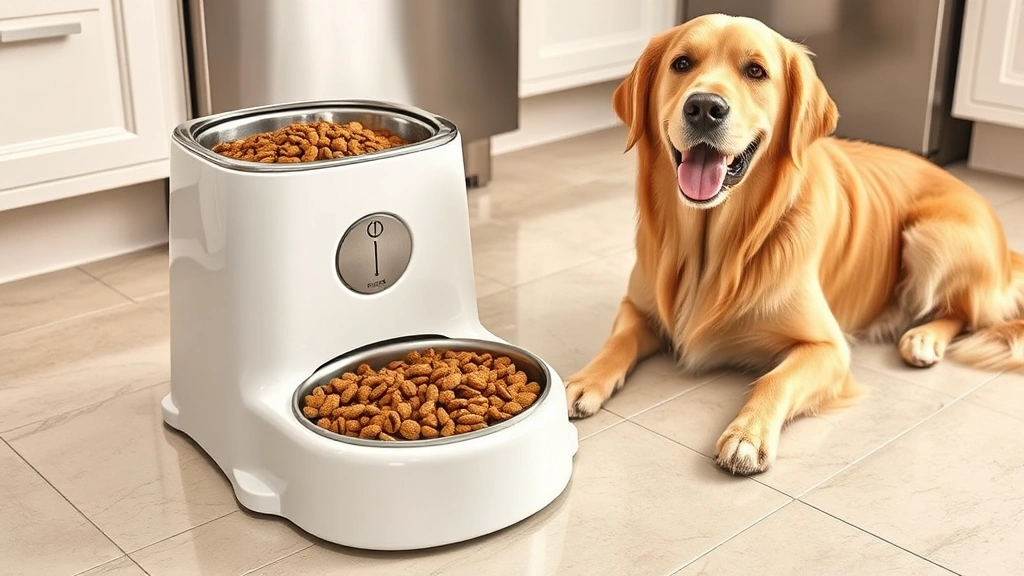
Gravity feeders for pets are an absolute game-changer if you’re tired of playing the “refill the bowl every five seconds” game with your furry friends. Whether you’ve got a dog who acts like they’ve never eaten before or a cat that mysteriously appears whenever a kibble hits the bottom of the dish, these ingenious contraptions keep food flowing automatically so you don’t have to.
Table of Contents
- What Exactly Are Gravity Feeders for Pets?
- Why Should You Consider Automatic Pet Feeders?
- The Top 5 Gravity Feeders for Pets We Love
- How to Choose the Right Gravity Feeder for Your Pet
- Installation and Maintenance Tips
- Common Problems and Solutions
- Budget Considerations
- Environmental Impact
- Final Thoughts: Making Feeding Time Easy
- Frequently Asked Questions
What Exactly Are Gravity Feeders for Pets?
Think of gravity feeders for pets as the lazy person’s dream feeding solution. They’re simple devices that use—you guessed it—gravity to dispense food into a bowl as your pet eats. No electricity needed, no complicated mechanics, just good old-fashioned physics doing the heavy lifting. The hopper sits above the feeding bowl, and as your pet munches away, the food gradually falls down to refill the bowl automatically. It’s basically the pet equivalent of a water cooler, but for kibble.
The beauty of these feeders is their simplicity. There are no moving parts to break, no batteries to replace, and no app to download. Just fill the top reservoir, set it down, and let gravity handle the rest. Your pet gets consistent access to food, and you get to sleep in without guilt.
Why Should You Consider Automatic Pet Feeders?
Let’s be real: life gets busy. Between work, errands, and pretending to enjoy small talk at the grocery store, remembering to refill your pet’s bowl three times a day isn’t always realistic. Gravity feeders for pets solve this problem by keeping food available throughout the day. This is especially helpful if you have multiple pets competing for the same resources, or if your pet has a habit of grazing rather than eating meals all at once.
Beyond convenience, these feeders can actually help regulate your pet’s eating habits. Some pets are grazers and do better with food available throughout the day, while others benefit from portion control. Understanding your pet’s feeding style is key to choosing the right solution. According to the American Kennel Club, consistent feeding schedules and proper portion sizes are crucial for maintaining healthy body weight in dogs.
The Top 5 Gravity Feeders for Pets We Love
We’ve tested, compared, and honestly obsessed over gravity feeders for pets to bring you the cream of the crop. Here are five options that’ll make your life easier and your pets happier.
1. The Classic Ceramic Gravity Feeder
This timeless design features a ceramic hopper with a stainless steel bowl that catches the falling kibble. It’s durable, dishwasher-safe, and looks nice enough that you won’t mind keeping it on your kitchen floor. The ceramic material is naturally resistant to bacteria, making it a hygienic choice for your furry family members. Plus, it won’t scratch your floors like some plastic alternatives.
2. The Large-Capacity Gravity Feeder
Perfect for households with multiple pets or large breeds, this beast holds enough food to last several days. The transparent sides let you see exactly how much food is left, so you’re never caught off guard. It’s like having a food pantry specifically designed for your pet. Many owners appreciate the extra capacity because it means fewer trips to the pantry.
3. The Elevated Gravity Feeder
If your pet has mobility issues or you just want to reduce strain on their neck and back, elevated feeders are where it’s at. These raise the bowl to a more comfortable height, which is especially important for larger breeds and senior pets. Proper feeding height can actually improve digestion and reduce bloating in susceptible breeds.
4. The Slow-Feed Gravity Feeder
For speed eaters who treat meals like competitive sports, slow-feed gravity feeders have built-in obstacles that force your pet to eat more slowly. This reduces bloating and helps with digestion. The design incorporates ridges and valleys in the bowl itself, making it impossible to inhale an entire meal in 2.5 seconds.
5. The Mess-Control Gravity Feeder
Some gravity feeders come with splash guards and wider bases to contain the inevitable food scatter that happens when pets eat. These are lifesavers if you have hardwood floors or if your pet is what we in the industry call a “enthusiastic eater.” The raised edges catch stray kibble before it becomes a crunchy hazard for your bare feet at 3 AM.
How to Choose the Right Gravity Feeder for Your Pet
Not all gravity feeders for pets are created equal, and what works for someone’s dainty Chihuahua might be completely wrong for your Golden Retriever. Here are the factors to consider:
Pet Size: Larger pets need feeders with bigger capacities and sturdier construction. A toy breed can get by with a smaller model, while a large dog will empty a small feeder faster than you can say “kibble.”
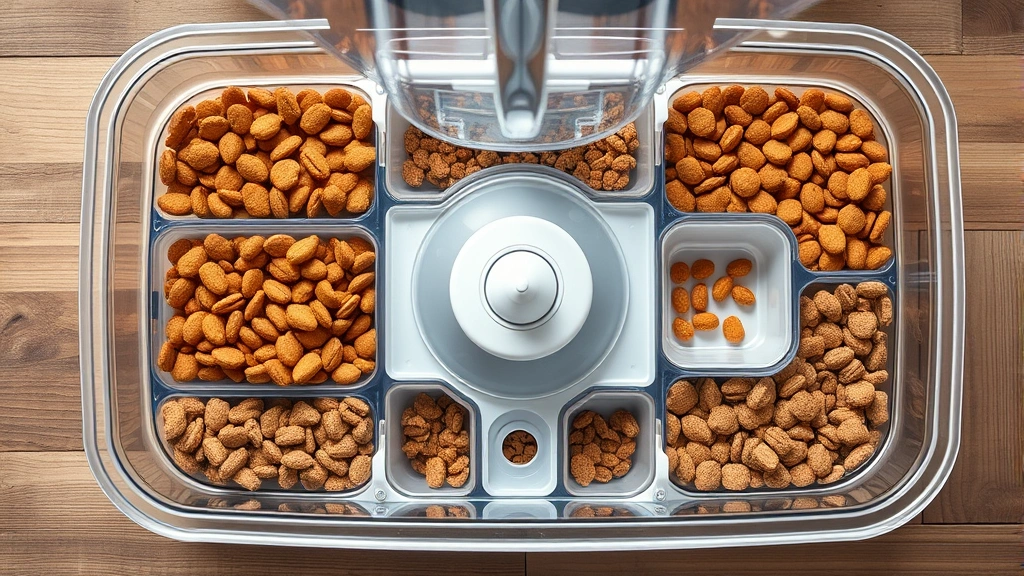
Eating Speed: Does your pet eat slowly and deliberately, or do they treat mealtime like they’re competing in the Olympics? Fast eaters might benefit from slow-feed designs.
Material Preference: Ceramic, stainless steel, and plastic all have pros and cons. Ceramic looks nice but can break. Stainless steel is durable but pricey. Plastic is affordable but might scratch or harbor bacteria over time.
Space Constraints: Measure your feeding area before purchasing. Some gravity feeders for pets are compact, while others take up significant floor real estate.
According to PetMD’s nutrition guidelines, the best feeder is one that supports your individual pet’s dietary needs and eating habits, whether that’s free-feeding or scheduled meals.
Installation and Maintenance Tips
The good news? Installing gravity feeders for pets requires zero technical skills. Just unbox it, fill the hopper, and place it where your pet eats. Seriously, that’s it. No assembly required, no instructions to decipher, no leftover screws wondering where they belong.
Maintenance is equally simple. Most gravity feeders for pets are dishwasher-safe or can be hand-washed with warm soapy water. We recommend cleaning them at least once a week to prevent bacteria buildup and keep your pet’s food fresh. If you notice any cracks or damage, replace the feeder to avoid sharp edges that could injure your pet’s mouth or paws.
For optimal performance, check the feeder daily to ensure food is dispensing properly. Sometimes kibble can jam or bridge inside the hopper, preventing food from flowing down. A gentle shake usually fixes this issue. Also, make sure to store pet food in an airtight container to maintain freshness and prevent pest infestations.
Common Problems and Solutions
Even the best gravity feeders for pets occasionally act up. Here are some common issues and how to fix them:
Food Not Dispensing: This usually happens when kibble bridges or clumps inside the hopper. Try using a wooden spoon to gently break up any blockages. You can also try slightly shaking the feeder to get things moving again.
Food Getting Stale: Gravity feeders with open hoppers expose food to air. Consider using a feeder with a sealed top, or store kibble in an airtight container and only fill the hopper once or twice daily.
Pests and Contamination: If you notice insects or mold, clean the feeder thoroughly and consider switching to a sealed design. Store your pet’s food in a cool, dry place away from moisture.
Budget Considerations
Here’s the beautiful part: gravity feeders for pets won’t break the bank. You can find decent options for $20-$50, while premium models might run $100+. When you consider how much time and energy they save, the investment pays for itself quickly. Plus, you’re not paying for electricity or batteries, so there are virtually no ongoing costs beyond the initial purchase.
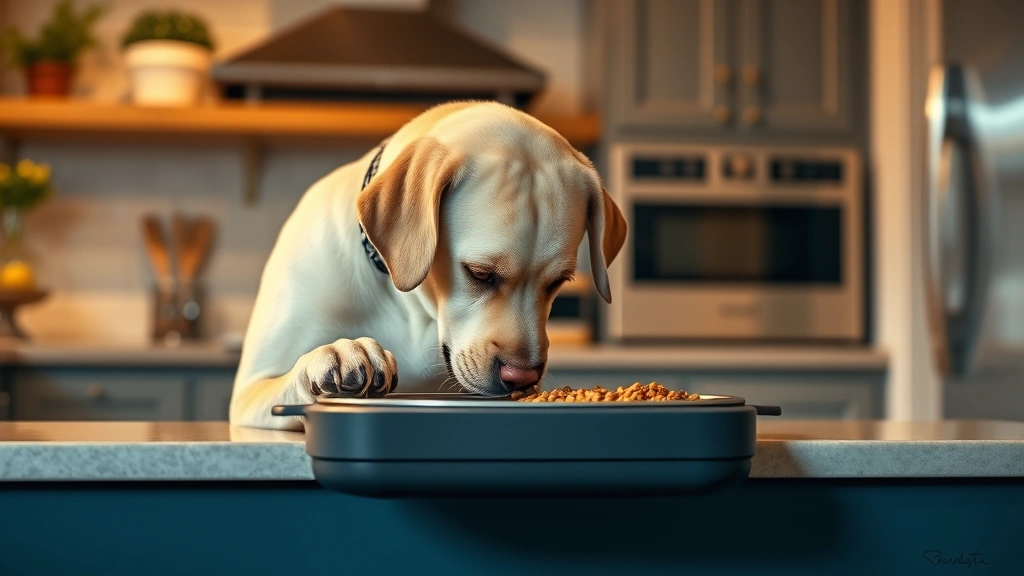
Think of it as an investment in your sanity and your pet’s consistent nutrition. That’s worth every penny, in our opinion.
Environmental Impact
If you care about the planet (and let’s face it, most pet parents do), gravity feeders for pets are an eco-friendly choice. They require no electricity, produce no electronic waste, and many are made from recyclable or sustainable materials. Ceramic and stainless steel options are particularly durable, meaning you’ll replace them less frequently than plastic alternatives. It’s a win-win for your wallet and Mother Earth.
Many pet owners are also choosing feeders made from recycled materials or sustainably sourced ceramics. Check product descriptions to see if your feeder aligns with your environmental values.
Final Thoughts: Making Feeding Time Easy
Gravity feeders for pets represent one of the simplest, most effective solutions to pet feeding challenges. They’re affordable, reliable, require minimal maintenance, and genuinely improve the daily lives of both pets and their humans. Whether you’re dealing with a multi-pet household, a pet with special dietary needs, or just someone who’d rather not think about refilling bowls multiple times daily, there’s a gravity feeder out there for you.
The key is understanding your pet’s specific needs and choosing a feeder that matches their eating style, size, and your lifestyle. With the right gravity feeder in place, you’ll wonder how you ever managed without one. Your pet gets consistent nutrition, you get peace of mind, and everyone’s happy. That’s the kind of simple solution we can all get behind. For additional guidance on pet nutrition and feeding schedules, check out our pet health monitoring resources to ensure your furry friend is thriving.
Frequently Asked Questions
Can gravity feeders be used for both dogs and cats?
Absolutely! Gravity feeders work for both dogs and cats, though you might need different sizes. Cats typically prefer smaller, more delicate feeders, while dogs can handle larger, sturdier models. Some gravity feeders are specifically designed for cats and feature lower profiles that suit their feeding preferences. Just make sure to choose one appropriate for your pet’s size and eating style.
How often should I clean my gravity feeder?
We recommend cleaning your gravity feeder at least once weekly, though twice weekly is ideal if you live in a humid climate. Regular cleaning prevents mold, bacteria growth, and keeps food fresh. Always inspect the feeder for signs of damage or contamination during cleaning. If you notice any cracks or discoloration, it’s time to replace it.
Are gravity feeders good for weight management?
Gravity feeders work best for pets that self-regulate their food intake. If your pet tends to overeat, a gravity feeder might not be the best choice unless it’s a slow-feed model with portion control features. For weight-conscious pets, timed feeders or scheduled meal portions might be more appropriate. Consult your veterinarian about the best feeding strategy for your pet’s specific situation.
What’s the difference between gravity feeders and automatic feeders?
Gravity feeders rely on gravity alone and require no power source, making them simple and reliable. Automatic feeders typically use electricity or batteries and feature programmable dispensing schedules. Gravity feeders are better for free-feeding scenarios, while automatic feeders give you more control over portion sizes and feeding times. Consider your pet’s needs when choosing between the two.
Can I leave a gravity feeder outside?
While you technically can, it’s not recommended due to weather exposure and pest attraction. Rain can make kibble soggy and promote mold growth, while outdoor feeders attract insects, rodents, and wildlife. If you must use an outdoor feeder, choose one with a weather-resistant design and bring it inside at night. Better yet, keep feeding stations indoors where you can monitor them properly.
How do I prevent my pet from overeating with a gravity feeder?
Monitor your pet’s weight regularly and adjust portions as needed. If overeating is a concern, consider using a gravity feeder with a smaller capacity so you can control daily portions more easily. You can also use preventative care supplements and consult with your vet about appropriate caloric intake. Some pets do better with scheduled meals rather than free-feeding.





