
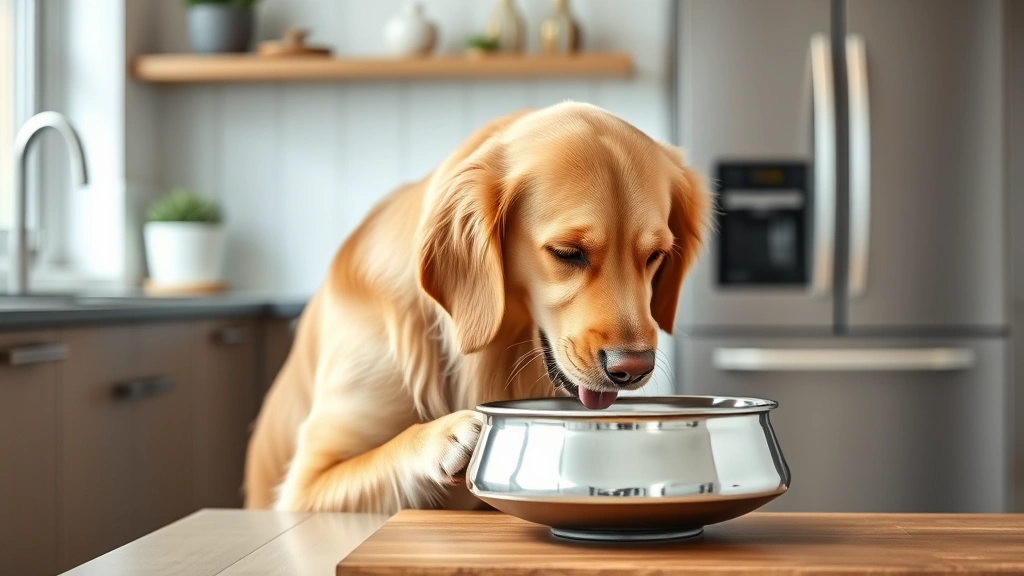
Getting dog feeding height right is one of those things that sounds simple but can actually make a massive difference in your pup’s health and happiness. Most pet owners just plop their dog’s bowl on the floor and call it a day, but the elevation of your dog’s food and water bowls can impact everything from digestion to posture to overall wellness. Let’s dig into why this matters and how to get it just right for your furry friend.
Table of Contents
- Why Dog Feeding Height Actually Matters More Than You Think
- The Ideal Feeding Height for Different Dog Sizes
- Raised Feeders: Worth the Investment?
- Elevated Feeding and Digestive Health Benefits
- Joint Health and Posture Improvements
- Water Bowl Height: Don’t Forget About Hydration
- Special Considerations for Breed-Specific Feeding Heights
- Monitoring Your Dog’s Health with Proper Feeding Setup
- DIY Solutions vs. Commercial Feeders
- Transitioning Your Dog to Elevated Feeding
- Combining Elevated Feeding with Overall Wellness
- Frequently Asked Questions
- Conclusion: Elevating Your Dog’s Health
Why Dog Feeding Height Actually Matters More Than You Think
Your dog’s neck position while eating affects more than just comfort—it influences their entire digestive process. When dogs eat from bowls on the ground, they’re forced into an unnatural posture that can strain their neck and spine. Think about it: humans don’t eat with their heads bent down to their knees, right? Dogs shouldn’t either. The proper elevated feeding height allows your dog to maintain a neutral spine position, which reduces stress on their joints and muscles. This is especially important for larger breeds and senior dogs who already deal with enough joint issues.
Beyond posture, feeding height impacts how efficiently your dog’s esophagus moves food down to their stomach. A more natural eating position promotes better digestion and can reduce bloating, which is a serious concern for deep-chested breeds. Plus, raised bowls keep your pup’s face cleaner and reduce the likelihood of food getting smeared all over their whiskers and chest.
The Ideal Feeding Height for Different Dog Sizes
There’s no one-size-fits-all answer because, well, dogs come in all sizes. A Chihuahua’s ideal feeding height is wildly different from a Great Dane’s. Here’s the golden rule: your dog’s bowl should be positioned so their elbows are at roughly the same height as the rim of the bowl when they’re standing in a natural position. This means their neck is nearly straight, not craned down or stretched up.
For small dogs (under 25 pounds), a 4-6 inch elevation usually works. Medium dogs (25-60 pounds) typically need 8-12 inches, while large and giant breeds (over 60 pounds) often benefit from 12-18 inches or even higher. The best way to figure out your specific dog’s needs? Measure from the ground to their elbow joint while they’re standing naturally, then subtract about half an inch. That’s your target feeding height.
Raised Feeders: Worth the Investment?
Elevated feeders have exploded in popularity, and for good reason. A quality raised feeder isn’t just a trendy accessory—it’s an ergonomic tool. Stainless steel or ceramic raised bowls with non-slip bases are your best bets. They’re easy to clean, durable, and won’t harbor bacteria like plastic can. Some raised feeders even come with built-in storage for dry food, which is handy for keeping kibble fresh and organized.
The price range varies wildly, from budget options around $30 to fancy designer feeders pushing $200. You don’t need to break the bank, but investing in a sturdy, properly-sized feeder is smarter than constantly replacing flimsy ones. Look for adjustable feeders if you have a growing puppy—they’ll grow into it, and you won’t need to buy a new one every few months.
Elevated Feeding and Digestive Health Benefits
Here’s where things get really interesting. Raised bowl feeding has been linked to improved digestive efficiency. When your dog eats from an elevated position, gravity works with their digestive system instead of against it. Food moves more smoothly down the esophagus into the stomach, reducing the air intake that can cause bloating and gas. For dogs prone to sensitive stomach issues, this can be genuinely life-changing.
Dogs who eat from floor-level bowls often gulp more air, which leads to gastric distress. Elevated feeders encourage slower, more deliberate eating patterns. This is especially beneficial if you have a speed-eater who scarfs down their kibble like it’s going out of style. The slight elevation naturally slows their pace, giving their brain time to register fullness signals from their stomach.
Joint Health and Posture Improvements
Senior dogs and those with arthritis see some of the biggest benefits from elevated feeding. Bending down repeatedly to eat from a floor bowl puts unnecessary stress on aging joints, particularly in the neck, shoulders, and front legs. By raising the bowl height, you’re reducing strain on these vulnerable areas. This is especially critical for breeds prone to hip dysplasia or elbow dysplasia.
Puppies benefit too, though for different reasons. Proper feeding posture during their growth phase encourages correct skeletal development. Getting the feeding height right from day one means you’re setting them up for better long-term joint health. Combined with mobility supplements for dogs as they age, elevated feeding is part of a comprehensive joint-care strategy.
Water Bowl Height: Don’t Forget About Hydration
Your dog’s water bowl deserves the same elevation consideration as their food bowl. In fact, some experts argue water is even more important because dogs should be drinking throughout the day. A raised water bowl encourages more frequent drinking, which is crucial for kidney health and overall hydration. Plus, it keeps the water fresher longer since it’s less likely to get contaminated by dust, hair, or debris from the floor.
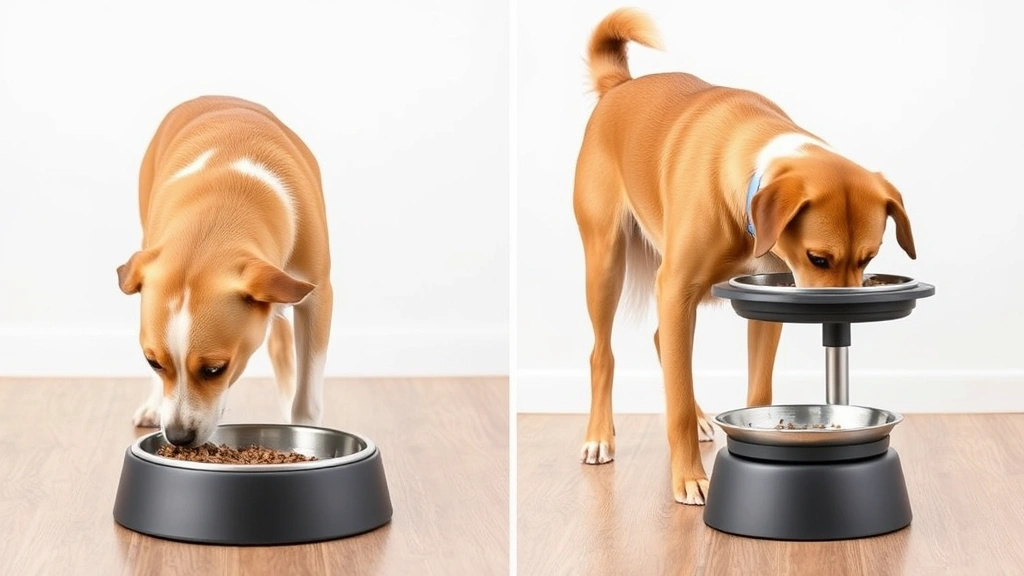
The ideal water bowl height is the same as your food bowl height. Some people use a two-bowl feeder system that keeps food and water at the same elevation, which is convenient and space-efficient. Just make sure you’re changing the water daily and cleaning the bowl regularly to prevent bacterial growth.
Special Considerations for Breed-Specific Feeding Heights
Certain breeds have unique feeding needs based on their body structure. Deep-chested breeds like German Shepherds, Greyhounds, and Boxers are at higher risk for bloat (gastric dilatation-volvulus), a life-threatening condition. Elevated feeding is considered a potential preventative measure, though it’s not a guarantee. The American Kennel Club recommends elevated feeding as part of a comprehensive bloat-prevention strategy for at-risk breeds.
Brachycephalic breeds (flat-faced dogs like Bulldogs and Pugs) also benefit from elevated feeding because it helps them breathe more easily while eating. Their already-compromised airways are further restricted when their heads are down, so raising the bowl height can genuinely improve their eating comfort. Small breeds with long bodies, like Dachshunds, also appreciate the postural benefits of elevated feeding.
Monitoring Your Dog’s Health with Proper Feeding Setup
Once you’ve got the feeding height dialed in, you’ll want to monitor how your dog responds. Are they eating more slowly? Does their energy level seem better? Are they experiencing less bloating or gas? These are all positive signs that you’ve found the right height. Pet health monitoring becomes easier when you have a baseline of normal behavior, and proper feeding setup contributes significantly to that baseline.
Keep an eye on your dog’s body condition score and weight. Elevated feeding shouldn’t change their caloric intake, but it might change how efficiently they digest food, which could affect their weight slightly. If you notice changes, adjust portion sizes accordingly. Also watch for any signs of neck or shoulder discomfort—if your dog seems reluctant to eat or favors one side, you might need to adjust the height.
DIY Solutions vs. Commercial Feeders
Not everyone wants to buy a fancy elevated feeder, and that’s totally fine. You can create a DIY solution using a sturdy platform, wooden box, or even a small table. The key is making sure whatever you use is stable, non-toxic, and easy to clean. Some people use old nightstands, storage ottomans, or custom wooden platforms. Just make sure the surface is slip-resistant so your dog doesn’t slide around while eating.
If you go the DIY route, test the stability thoroughly before putting your dog’s bowl on it. The last thing you need is a bowl crashing down mid-meal. Also consider washability—you want something that won’t absorb spills or harbor bacteria. Sealed wood or plastic works better than porous materials.
Transitioning Your Dog to Elevated Feeding
If your dog has been eating from floor-level bowls their whole life, the transition to elevated feeding should be gradual. Some dogs take to it immediately, while others need time to adjust. Start by raising the bowl just a few inches and let them get comfortable with it. Over the course of a week or two, gradually increase the height until you reach the ideal level for their size.
Watch for any signs of confusion or reluctance. Most dogs figure it out within a few meals, but patience is key. You might also notice that your dog eats more slowly at first—that’s actually a good thing. It gives their digestive system time to do its job properly. If your dog seems genuinely distressed, consult your vet, though this is rare.
Combining Elevated Feeding with Overall Wellness
Proper feeding height is just one piece of the wellness puzzle. To really optimize your dog’s health, combine it with quality nutrition, regular exercise, and preventative care. Preventative care supplements can work alongside proper feeding practices to support digestive health, joint function, and overall vitality. Think of elevated feeding as the foundation that makes everything else work better.
Regular vet checkups are essential too. Your vet can assess whether your current feeding height is working for your dog’s specific health profile. They might recommend adjustments based on any health conditions your dog develops over time. As your dog ages, their ideal feeding height might change, so it’s worth revisiting this conversation with your vet annually.

Frequently Asked Questions
What is the ideal dog feeding height?
The ideal height is when your dog’s elbows align roughly with the rim of the bowl while standing naturally. For small dogs, this is typically 4-6 inches; medium dogs need 8-12 inches; large dogs need 12-18 inches or more. Measure your dog’s elbow height and subtract about half an inch for the perfect starting point.
Does elevated feeding prevent bloat in dogs?
While elevated feeding is recommended as part of a bloat-prevention strategy for at-risk breeds, it’s not a guaranteed preventative. It does reduce air intake during eating and promotes better digestion, which are positive factors. However, bloat prevention requires a comprehensive approach including feeding frequency, exercise timing, and monitoring. Always consult your vet about breed-specific bloat risks.
Can elevated feeding help with senior dogs?
Absolutely. Senior dogs benefit tremendously from elevated feeding because it reduces strain on aging joints, particularly in the neck, shoulders, and front legs. It also encourages better digestion and can reduce bloating issues that older dogs often experience. Combined with appropriate supplements, it’s an excellent quality-of-life improvement.
How much should I spend on an elevated feeder?
You don’t need to spend a fortune. Quality elevated feeders range from $30-$100 for most dogs. Avoid the cheapest plastic options that tip easily or harbor bacteria. Look for stainless steel or ceramic bowls with non-slip bases. Adjustable feeders ($60-$120) are great if you have a growing puppy since they’ll last through their entire growth phase.
Is elevated feeding suitable for all dog breeds?
Elevated feeding is beneficial for most dogs, but it’s especially important for large breeds, senior dogs, and breeds prone to bloat or joint issues. Even small dogs benefit from the digestive and postural advantages. The only consideration is making sure the height is appropriate for their size—a tiny Chihuahua shouldn’t eat from the same height as a Great Dane.
Should water bowls be elevated too?
Yes, absolutely. Your dog’s water bowl should be at the same height as their food bowl. Elevated water bowls encourage more frequent drinking, which supports kidney health and overall hydration. They also keep water fresher and less contaminated by floor debris.
Can I use a DIY solution instead of buying a feeder?
Completely. Many people successfully use wooden boxes, small tables, or sturdy platforms as elevated feeders. Just ensure whatever you use is stable, non-toxic, easy to clean, and has a non-slip surface. Test stability thoroughly before putting your dog’s bowl on it to prevent accidents.
How do I transition my dog to elevated feeding?
Start by raising the bowl just a few inches and let your dog adjust. Over one to two weeks, gradually increase the height until you reach the ideal level. Most dogs adapt within a few meals, though some need a bit more time. Be patient and watch for any signs of reluctance or discomfort.
Conclusion: Elevating Your Dog’s Health
Getting dog feeding height right is a simple change that delivers surprisingly significant benefits. From improved digestion and reduced bloating to better joint health and more natural eating posture, proper feeding elevation is a low-cost, high-impact wellness upgrade. Whether you invest in a commercial raised feeder or DIY a solution, the key is finding the height that lets your dog eat with their spine in a neutral, comfortable position.
Your dog’s feeding setup is something they interact with multiple times daily, so optimizing it makes sense. Combined with quality nutrition, regular exercise, appropriate supplements, and routine vet care, proper feeding height becomes part of a holistic approach to canine wellness. Start measuring your dog’s elbow height today, and you might be surprised at how much this simple adjustment improves their eating experience and overall health. Your pup will thank you—probably by wagging their tail at dinner time.





