
If you’re tired of your cat knocking over food bowls, eating too fast, or leaving kibble scattered across your kitchen floor, then cat feeding stations might just be your new best friend. These clever setups aren’t just about keeping mealtime neat—they’re about creating a dedicated, stress-free eating space that keeps your feline friend happy and healthy.
Table of Contents
- What Makes a Great Cat Feeding Station?
- The Top 5 Cat Feeding Stations We Love
- Health Benefits Beyond the Obvious
- Choosing the Right Size and Material
- Setting Up Your Station for Success
- Budget-Friendly vs. Premium Options
- Common Mistakes to Avoid
- Integrating Nutrition and Feeding Stations
- Real-World Results from Cat Owners
- Frequently Asked Questions
- Final Thoughts on Cat Feeding Stations
What Makes a Great Cat Feeding Station?
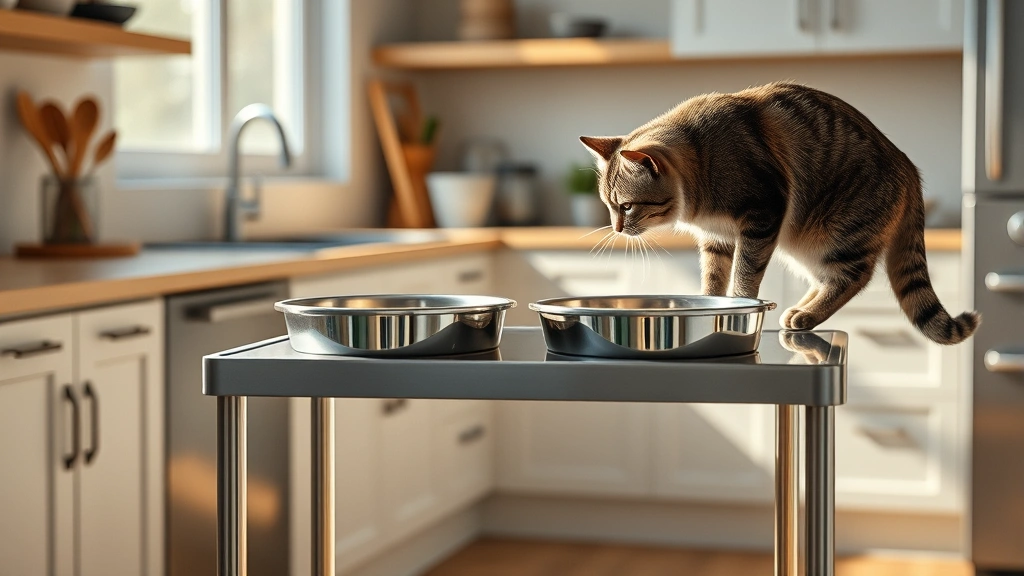
A quality cat feeding station goes beyond just plunking a bowl on the floor. The best ones elevate your cat’s food and water bowls to a more natural eating height, reducing strain on their neck and spine. Think about it: in the wild, cats don’t eat with their faces pressed to the ground. They hunt and eat prey at a more comfortable angle, so elevated feeders mimic that natural behavior.
The ideal station should be easy to clean, durable enough to withstand daily use, and aesthetically pleasing enough that you don’t mind it sitting in your kitchen. Plus, it should help contain spills and prevent your cat from dragging kibble across your floors like some kind of furry food bandit.
The Top 5 Cat Feeding Stations We Love
1. The Classic Elevated Stainless Steel Station
This timeless option features two stainless steel bowls set into an elevated stand, usually made from bamboo, plastic, or metal. Stainless steel is fantastic because it’s non-porous, doesn’t retain odors, and is incredibly easy to sanitize. Your cat gets the ergonomic benefits of eating at a proper height, and you get a setup that looks sophisticated enough for any kitchen décor.
2. The Automatic Feeder Station
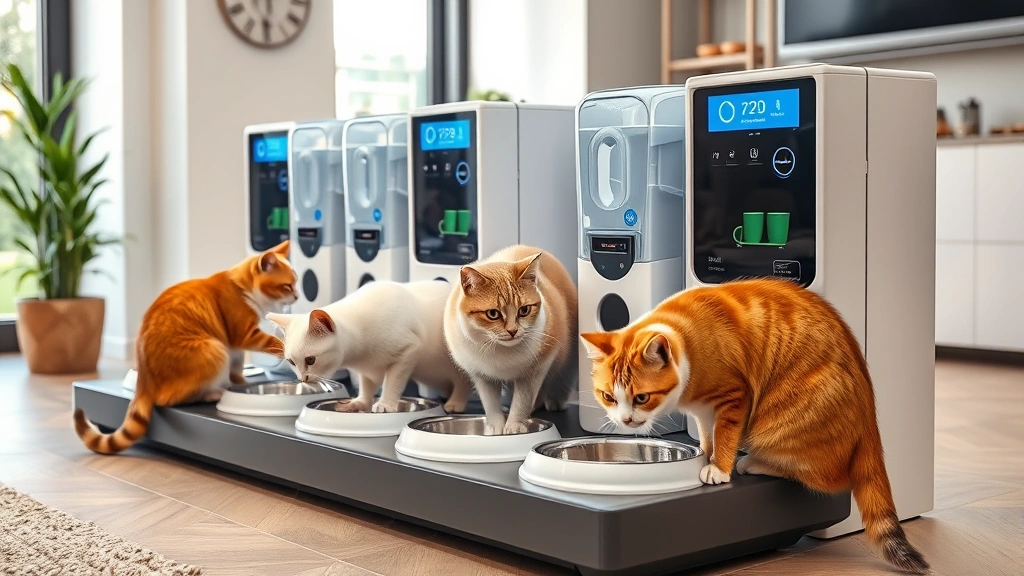
For busy pet parents, automatic feeder stations are absolute game-changers. These stations dispense measured portions at set times throughout the day, which is perfect for portion control and maintaining a consistent feeding schedule. Some even feature stainless steel bowls and elevated designs, giving you the best of both worlds. If you’re concerned about your cat’s weight or you work long hours, this option deserves serious consideration.
3. The Slow-Feeder Station
Does your cat eat like they’re training for a competitive eating competition? A slow-feeder station with textured or divided bowls forces your kitty to eat more deliberately, which aids digestion and prevents regurgitation. These stations often combine the elevated design with specialized bowl shapes that make gulping down food impossible. It’s like a puzzle bowl, but fancier.
4. The Multi-Cat Feeding Station
If you’ve got multiple cats at home, managing separate feeding stations can feel like running a restaurant. Multi-cat feeding stations feature multiple bowls in one unit, sometimes even with microchip-activated feeders that only dispense food to specific cats. This prevents food theft and ensures each cat gets their proper nutrition without sibling interference. It’s particularly useful when you’re managing different dietary needs across your feline family.
5. The Minimalist Modern Station
For those who prefer clean lines and contemporary design, minimalist feeding stations combine functionality with style. These typically feature sleek metal frames, ceramic or stainless steel bowls, and a design that complements modern home décor. They prove that practical pet furniture doesn’t have to look utilitarian.
Health Benefits Beyond the Obvious
Setting up a proper cat feeding station can actually improve your cat’s overall health. Elevated bowls reduce the strain on your cat’s cervical spine and joints, which is especially important for senior cats or breeds prone to joint issues. Better digestion, reduced bloating, and less regurgitation are common benefits reported by cat owners who switch to elevated feeding stations.
Additionally, a dedicated feeding area helps establish routine and boundaries. Cats are creatures of habit, and knowing exactly where they eat can actually reduce anxiety and stress. This is particularly helpful if you’re also using supplements like preventative care supplements or powder probiotics for cats, as a consistent feeding location means better consistency in supplement administration.
Choosing the Right Size and Material
When selecting a cat feeding station, size matters. Your station should accommodate your cat’s size comfortably—a large Maine Coon needs different proportions than a petite Siamese. The bowl diameter should be wide enough that your cat’s whiskers don’t touch the sides while eating. Yes, whisker stress is real, and cats genuinely prefer wider, shallower bowls.
Material selection is equally important. Stainless steel remains the gold standard for food bowls because it’s hygienic and durable. Ceramic is a beautiful alternative if you prefer aesthetics, but ensure it’s food-safe and doesn’t have lead-based glazes. Avoid plastic bowls whenever possible—they harbor bacteria, retain odors, and some cats develop chin acne from plastic bowl use.
Setting Up Your Station for Success
Location is everything. Place your cat feeding station away from their litter box—cats are naturally clean animals and won’t appreciate eating near their bathroom. Similarly, keep it away from high-traffic areas where family members constantly rush past. A quiet corner of your kitchen or dining area is ideal.
Ensure the station is on a washable surface or use a placemat to catch spills. Some feeding stations come with built-in trays or mats, which is convenient. Keep the area well-lit so your cat can see their food clearly, and maintain consistent feeding times if possible. If your cat deals with anxiety, consider pairing their feeding station with anxiety treats for cats to create positive associations.
Budget-Friendly vs. Premium Options
You don’t need to spend a fortune on a cat feeding station. Budget-friendly options ($15-40) work perfectly fine for most cats and include basic elevated bowls or simple stands. Mid-range stations ($40-100) offer better materials, more aesthetic appeal, and often include features like slow-feeder designs or non-slip bases.
Premium stations ($100+) feature high-end materials, advanced features like automatic dispensing or microchip activation, and designs that genuinely enhance your home décor. For most cat owners, a mid-range option hits the sweet spot between functionality and value.
Common Mistakes to Avoid
Don’t position the station too close to walls where your cat feels cornered. Cats need an escape route while eating—it’s an instinctive safety behavior. Avoid stations with bowls that are too deep or too narrow, as these can cause whisker stress and discourage eating. Don’t forget to clean the station regularly; bacteria can build up in crevices and cause digestive issues.
Also, resist the urge to constantly change your cat’s feeding location. Cats thrive on consistency, and moving their station around creates unnecessary stress. Finally, don’t assume one station works for all cats in a multi-cat household—some cats prefer eating alone, and forcing them to share a space can create tension and reduce food intake.
Integrating Nutrition and Feeding Stations
A quality feeding station is only half the battle. Pairing it with proper nutrition ensures your cat thrives. If your cat needs nutritional support, consider adding pet multivitamins to their routine. The dedicated feeding station makes it easier to monitor consumption and ensure supplements are being taken properly.
Consult with your veterinarian about your cat’s specific nutritional needs. Some cats benefit from specialized diets, and a proper feeding station makes transitioning to new foods easier since your cat associates the location with mealtime.
Real-World Results from Cat Owners
Pet owners consistently report positive changes after implementing cat feeding stations. Cats eat more slowly and with better digestion. Multi-cat households experience less food-related conflict. Senior cats show improved comfort during meals. The investment pays dividends in reduced stress for both cats and their humans.
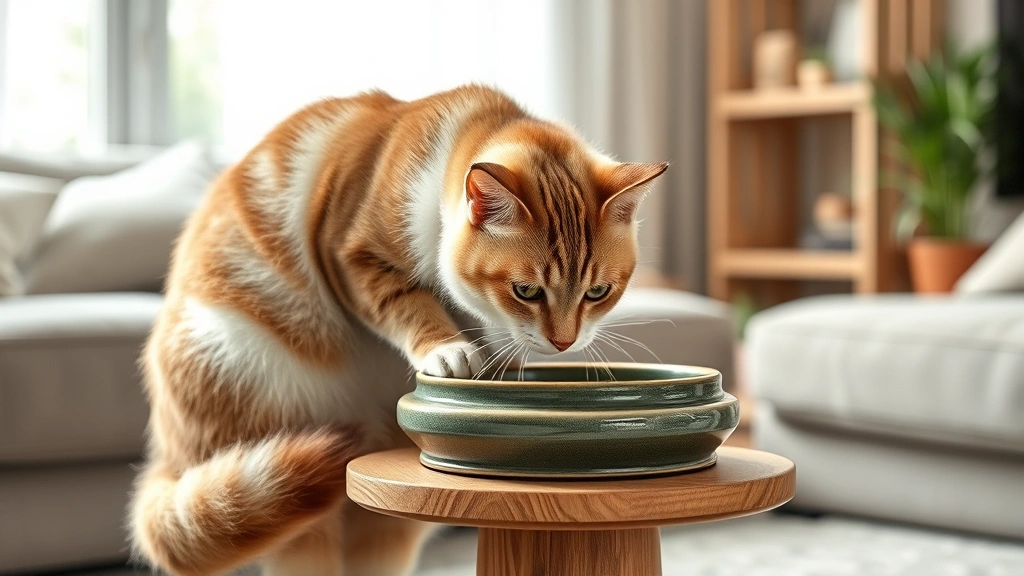
One common theme: cats seem to enjoy their meals more when eating from an elevated, dedicated station. It’s not just practical—it’s enriching for your feline friend.
Frequently Asked Questions
Are elevated cat feeding stations really necessary?
While not strictly necessary, elevated cat feeding stations offer genuine health and behavioral benefits. They reduce strain on your cat’s neck and spine, promote better digestion, and help establish healthy eating routines. They’re particularly beneficial for senior cats, large breeds, and cats with joint issues. For most cat owners, the improved cleanliness and reduced stress make them worthwhile investments.
Can I use a regular bowl instead of a specialized feeding station?
You can, but you’ll miss out on the ergonomic and behavioral benefits. Regular bowls on the floor don’t provide the proper eating angle, and they don’t help contain spills or establish a dedicated feeding area. If budget is a concern, even a simple elevated stand with regular bowls is better than floor-level feeding.
How often should I clean the feeding station?
Clean bowls daily after each feeding to prevent bacterial growth and odor accumulation. Wash the entire station—stand, bowls, and any mats—weekly with hot soapy water. Stainless steel bowls can go in the dishwasher for extra sanitation. This regular maintenance ensures your cat stays healthy and the station remains odor-free.
Will my cat actually use a feeding station?
Most cats adapt to feeding stations quickly, especially if you maintain consistent feeding times and locations. Some cats may need a few days to adjust, but the elevated design and dedicated space usually appeal to their natural instincts. If your cat seems hesitant, try placing treats near the station to create positive associations.
What’s the best height for a cat feeding station?
Ideally, the bowl should be at a height where your cat’s elbows are slightly bent when eating. For most adult cats, this means 4-6 inches off the ground, though larger breeds may need slightly higher stations. Your cat’s individual size and any joint issues should guide your choice.
Final Thoughts on Cat Feeding Stations
Investing in a quality cat feeding station is one of the smartest decisions you can make for your feline friend’s health and happiness. Whether you opt for a simple elevated stand or a high-tech automatic feeder, you’re creating a dedicated space that tells your cat, “This is where you eat, and it’s safe and comfortable.”
The right feeding station reduces mess, improves digestion, decreases stress, and can even help manage weight and behavioral issues. Plus, it looks better than scattered bowls on your kitchen floor. Take time to choose a station that matches your cat’s needs, your home’s aesthetic, and your budget. Your cat will thank you with purrs and healthier eating habits.





