
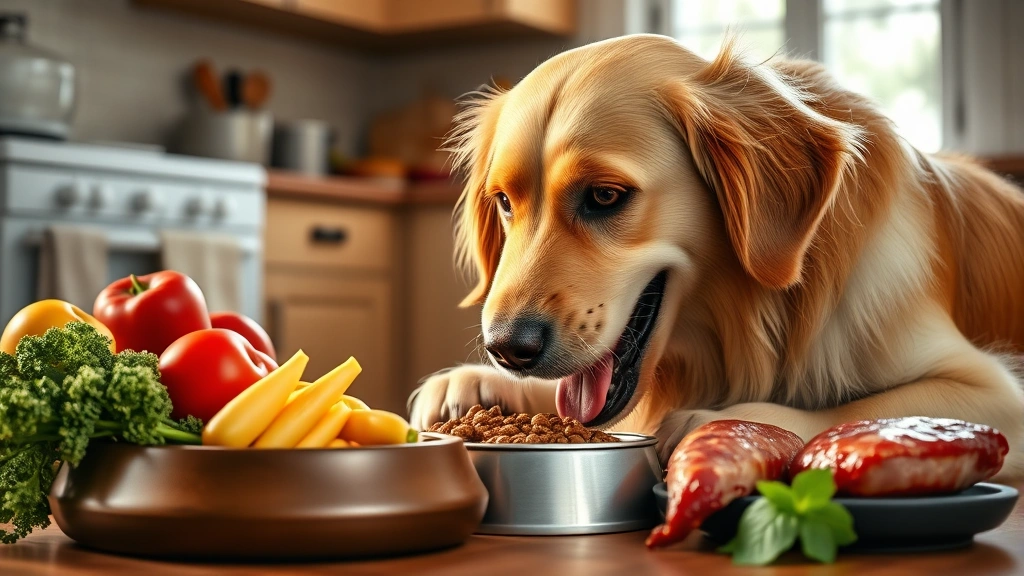
Is your furry friend picking at their food like a picky toddler at a vegetable medley? Increasing pet appetite might be easier than you think, and we’re here to spill the kibble on exactly how to get your pet’s taste buds working overtime.
Table of Contents
- Why Is Your Pet Losing Interest in Food?
- Method 1: Switch Up the Food Routine (The Taste Test)
- Method 2: Optimize Feeding Schedule and Environment
- Method 3: Add Nutritional Support with Supplements
- Method 4: Consider Medical Evaluation and Professional Guidance
- Method 5: Enhance Food Palatability and Presentation
- Special Considerations for Post-Surgery and Recovery
- Prevention: Building Long-Term Appetite Health
- Frequently Asked Questions
- Conclusion: Getting Your Pet Back to Mealtime Enthusiasm
Why Is Your Pet Losing Interest in Food?
Before we dive into the solutions, let’s talk about why your pet might be turning their nose up at dinner. Loss of appetite in pets can stem from stress, dental issues, digestive problems, or even just boredom with the same old kibble day after day. Sometimes it’s medical—other times it’s just that your pet has decided they’re a food critic now. The good news? There are proven strategies for stimulating appetite and getting your furry friend back to their enthusiastic eating habits.
Method 1: Switch Up the Food Routine (The Taste Test)
Your pet’s appetite might just need a little excitement. Rotating between different high-quality foods, wet food, and tasty pet supplements, can make mealtime feel like an adventure rather than a chore. Try warming up wet food slightly to enhance the aroma—pets eat with their noses first, after all.
Mix in some bone broth or a splash of low-sodium chicken stock to make kibble more appealing. This isn’t just about making food taste better; it’s about reigniting that primal hunting instinct that makes eating exciting. Pro tip: avoid making sudden switches that could upset sensitive stomachs. Gradual transitions work best.
Method 2: Optimize Feeding Schedule and Environment
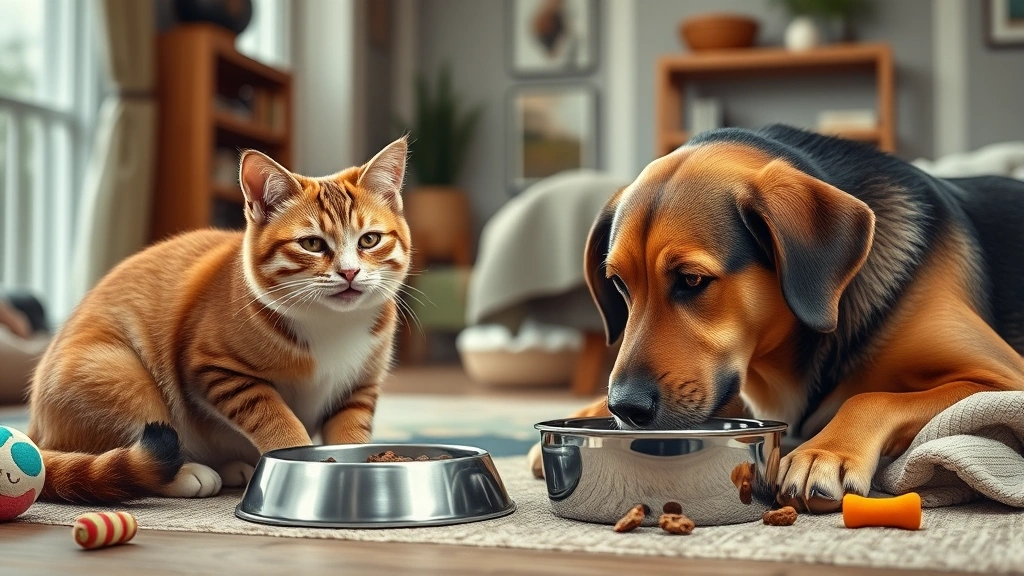
Sometimes increasing pet appetite is about the when and where, not just the what. Pets thrive on routine, so establish consistent feeding times. Feed your pet in a quiet, stress-free zone away from household chaos. Remove any competing food sources (like that bowl of cat food your dog’s been eyeing).
Limit treats between meals so your pet actually feels hungry at dinner time. It sounds simple, but many pet owners don’t realize they’re inadvertently killing their pet’s appetite with constant snacking. Also, ensure fresh water is always available—dehydration can suppress appetite faster than you can say “water bowl.”
Method 3: Add Nutritional Support with Supplements
If your pet’s appetite has been sluggish, their nutritional status might need a boost. Pet multivitamins can help restore nutrient balance and stimulate appetite naturally. B vitamins, in particular, are known appetite stimulators in both humans and animals.
For pets with digestive sensitivities, sensitive stomach supplements paired with multi-strain probiotics for pets can improve gut health and make eating more comfortable. When your pet feels better digestively, they eat better. It’s that simple. Always consult your vet before introducing new supplements to ensure they’re appropriate for your pet’s specific situation.
Method 4: Consider Medical Evaluation and Professional Guidance
Sometimes increasing pet appetite requires a professional opinion. If your pet’s loss of appetite persists beyond a few days, dental disease, parasites, or underlying health conditions could be the culprit. Your veterinarian can rule out medical issues and provide appetite-stimulating medications if necessary.
According to the American Kennel Club, sudden appetite loss in dogs can indicate various health concerns requiring professional evaluation. Don’t brush off persistent appetite changes—they’re your pet’s way of communicating something’s wrong. A vet visit might seem like an expense, but catching issues early saves money and heartache down the road.
Method 5: Enhance Food Palatability and Presentation
Here’s a fun fact: presentation matters to pets too. Try hand-feeding your pet a few kibbles to create positive associations with mealtime. Use puzzle feeders or food-dispensing toys to make eating interactive and mentally stimulating. This taps into your pet’s natural foraging instincts while making meals more engaging.
Mixing in small amounts of wet food, cooked lean meats, or vegetables (vet-approved, of course) can make kibble irresistible. Just ensure any additions complement your pet’s primary diet and don’t exceed 10% of daily calories. The goal is boosting interest, not creating a picky eater who demands gourmet meals.
Special Considerations for Post-Surgery and Recovery
Pets recovering from surgery often experience appetite suppression due to anesthesia, pain, or stress. Post-surgery supplements for pets can help support recovery while gently stimulating appetite during this critical healing period. Soft, easily digestible foods are essential when your pet’s system is bouncing back.
Keep post-surgery meals small and frequent rather than one large meal. This prevents overwhelming a sensitive digestive system while still providing necessary nutrition. Your vet will provide specific feeding guidelines, but patience and gentle encouragement go a long way in this recovery phase.
Prevention: Building Long-Term Appetite Health
The best strategy is prevention. Maintain preventative care supplements as part of your pet’s wellness routine. Regular vet checkups, consistent exercise, mental stimulation, and a balanced diet keep appetite stable and digestion healthy.
Quality nutrition from the start prevents many appetite-related issues down the road. Invest in premium pet foods, avoid unnecessary additives, and keep your pet at a healthy weight. A healthy pet is typically a hungry pet—one who actually wants to eat their meals with enthusiasm.
Frequently Asked Questions
How long should I wait before contacting a vet about appetite loss?
If your pet skips one meal, don’t panic. Monitor for 24-48 hours. However, if appetite loss persists beyond two days, your pet vomits, shows lethargy, or displays other concerning symptoms, contact your vet immediately. Prolonged appetite loss can lead to serious complications.
Can stress really affect my pet’s appetite?
Absolutely. Pets are sensitive creatures. Moving, new pets, loud noises, or changes in routine can suppress appetite. Create a calm, consistent environment and give your pet time to adjust to changes. Some pets need extra reassurance during stressful periods.
Is it safe to give my pet human food to increase appetite?
Some human foods are safe in small amounts (carrots, plain chicken, pumpkin), but many are toxic to pets (chocolate, grapes, onions, xylitol). Always verify with your vet before introducing human food. Stick to PetMD-approved options or vet-recommended supplements designed specifically for pets.
What’s the difference between picky eating and appetite loss?
Picky eating is behavioral—your pet simply doesn’t like the food. Appetite loss is medical or stress-related—your pet wants to eat but can’t or won’t. True appetite loss usually comes with other symptoms like weight loss, lethargy, or vomiting. Address picky eating through diet changes; address appetite loss with veterinary care.
How do probiotics help with pet appetite?
Probiotics improve gut health by balancing digestive bacteria. A healthier gut means better nutrient absorption, less digestive discomfort, and naturally improved appetite. Probiotics also support immune function, which indirectly supports overall wellness and eating habits.
Can age affect my pet’s appetite?
Yes. Senior pets often experience appetite changes due to dental disease, declining taste and smell, or age-related health conditions. Senior-specific diets, softer food options, and more frequent, smaller meals help aging pets maintain proper nutrition and appetite.
Conclusion: Getting Your Pet Back to Mealtime Enthusiasm
Increasing pet appetite doesn’t require magic—just strategy, patience, and sometimes professional guidance. Start with environmental and dietary adjustments, incorporate nutrient-rich supplements when appropriate, and don’t hesitate to involve your veterinarian if problems persist. Whether your pet’s appetite issue stems from boredom, stress, or health concerns, these proven methods address the root cause and get your furry friend excited about meals again.
Remember, every pet is unique. What works for one might not work for another. Experiment with different approaches, monitor results, and stay in close communication with your vet. Your pet’s appetite is a window into their overall health—when it’s thriving, your pet thrives too.





