
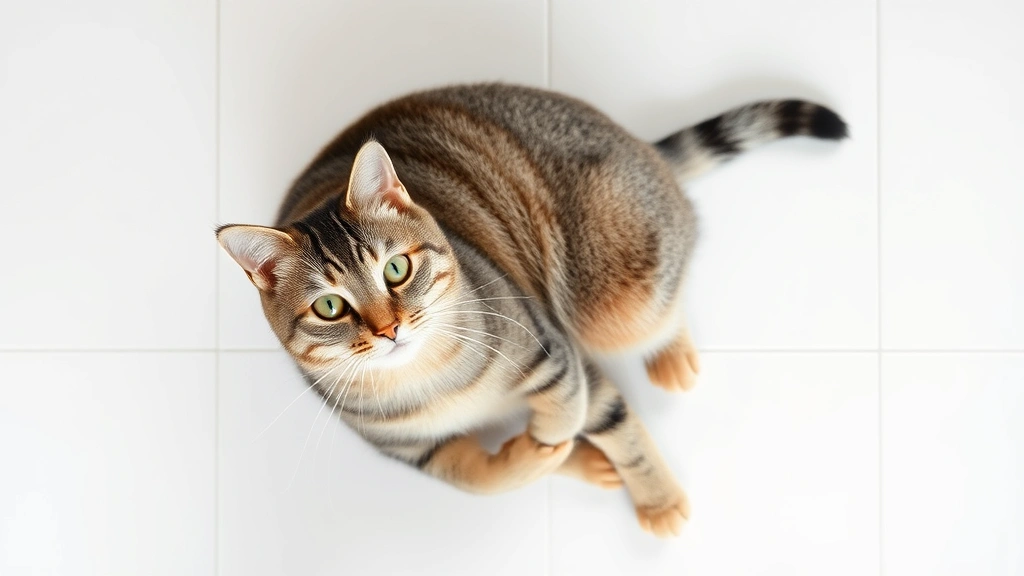
Understanding daily calorie requirements for cats is one of those things that separates the “my cat is perpetually chubby” crowd from the “my cat is a sleek, athletic machine” crowd. And honestly? It’s not rocket science, but it does require a little know-how and some honest assessment of your feline friend’s lifestyle.
Table of Contents
- Why Calorie Counting Matters for Your Cat
- Calculating Your Cat’s Baseline Caloric Needs
- Factors That Affect Feline Caloric Intake
- Indoor Versus Outdoor Cats: The Activity Divide
- Kitten Calorie Requirements: Fueling Growth
- Senior Cats: Adjusting Calories for Golden Years
- Reading Cat Food Labels: Decoding Calorie Information
- Wet Food Versus Dry Food: Calorie Density Matters
- Treats and Supplements: The Hidden Calorie Culprits
- Weight Management: Adjusting Calories for Healthy Weight Loss
- Health Conditions That Change Caloric Needs
- Creating a Sustainable Feeding Schedule
- Monitoring and Adjusting: The Ongoing Process
- Frequently Asked Questions
- Conclusion: Personalizing Your Cat’s Nutrition
Why Calorie Counting Matters for Your Cat
Your cat isn’t a tiny human in a furry suit—their metabolism works differently, and their caloric needs are wildly different from ours. A sedentary indoor cat lounging on the couch all day has vastly different energy requirements than an outdoor adventurer or a kitten zooming around like their tail is on fire. Getting the calorie math right prevents obesity, maintains muscle mass, and keeps your cat feeling energetic and healthy for years to come.
The Association for Pet Obesity Prevention reports that nearly 60% of cats in the U.S. are overweight or obese. That’s not just a vanity issue—it’s a health crisis. Overweight cats face increased risks of diabetes, joint problems, heart disease, and a shortened lifespan. So yeah, nailing those daily calorie requirements matters.
Calculating Your Cat’s Baseline Caloric Needs
Here’s the basic formula: most adult cats need approximately 8-10 calories per pound of body weight per day. So a 10-pound cat needs roughly 80-100 calories daily. But—and this is a big but—that’s just the starting point. Your cat’s actual needs depend on several factors we’ll break down below.
Kittens and senior cats have different requirements. Kittens (up to one year) need about twice the calories of adult cats because they’re growing and burning energy like tiny furry furnaces. Senior cats (over 11 years) often need fewer calories because they’re less active, though some seniors need more if they’re dealing with health issues or weight loss.
Factors That Affect Feline Caloric Intake
Weight is just one variable in this equation. Your cat’s activity level, age, metabolism, health status, and even breed can all influence how many calories they actually need. A Maine Coon’s caloric needs differ from a Siamese’s. An indoor cat living in a studio apartment has different requirements than one with access to a catio or outdoor space.
Medical conditions matter too. Cats recovering from illness, dealing with hyperthyroidism, or managing diabetes all have unique caloric needs. This is where your veterinarian becomes your best friend. They can assess your specific cat and recommend a tailored feeding plan rather than relying on generic guidelines.
Indoor Versus Outdoor Cats: The Activity Divide
Indoor cats typically need fewer calories because, let’s face it, most of them spend their days napping in sunbeams. An indoor cat might need closer to 8 calories per pound. Outdoor cats or those with access to enriched environments burn more energy through climbing, hunting, and exploring, so they might need 10-12 calories per pound or more.
Even within the indoor category, there’s variation. A cat with a wall-mounted cat tree and interactive play sessions burns more calories than one without environmental enrichment. If you want to keep your indoor cat at a healthy weight while preventing obesity, you’ll need to factor in their activity level honestly.
Kitten Calorie Requirements: Fueling Growth
Kittens are metabolic machines. A growing kitten needs roughly 100 calories per pound of body weight daily—sometimes even more during peak growth periods. A 2-pound kitten might need 200 calories per day. As they approach adulthood (around 12 months), their needs gradually decrease to adult levels.
Feeding kittens properly during this critical growth phase sets them up for long-term health. Proper nutrition supports bone development, immune function, and cognitive development. This is when quality matters enormously. Consider incorporating pet multivitamins designed for growing cats to ensure they’re getting all essential nutrients during this crucial window.
Senior Cats: Adjusting Calories for Golden Years
Senior cats (typically 11+ years) often become less active, which might suggest lower calorie needs. However, some seniors actually need more calories due to metabolic changes or medical conditions. The key is monitoring body condition and adjusting as needed.
Senior cats sometimes struggle with weight loss despite adequate food intake, which can indicate underlying health issues like hyperthyroidism or dental problems. Regular veterinary checkups become even more important for seniors. Supporting their health during this life stage might include preventative care supplements tailored to their specific needs.
Reading Cat Food Labels: Decoding Calorie Information
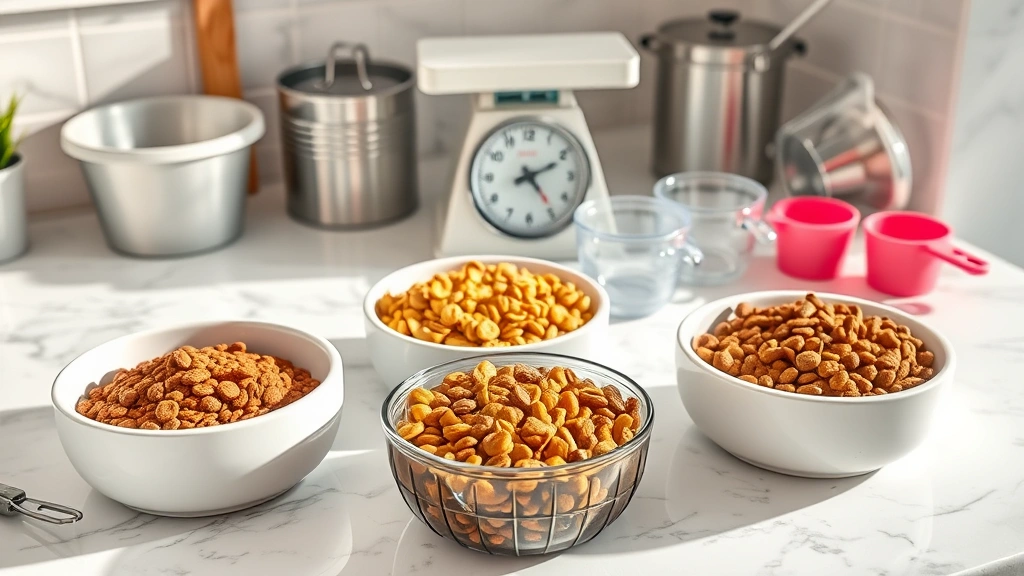
Here’s where many cat parents get tripped up: understanding what’s actually on the food label. Most cat food labels list calories per cup or per can, but portion sizes vary wildly between brands. A cup of one brand might contain 400 calories while another contains 250.
The best approach? Calculate your cat’s daily calorie target, then divide by the calories per serving listed on your chosen food. That gives you the actual portion size your cat needs. It’s more reliable than following generic “feed 1/2 cup twice daily” recommendations that don’t account for your specific cat’s needs.
Wet Food Versus Dry Food: Calorie Density Matters
Dry kibble is calorie-dense because moisture has been removed. A cup of dry food contains significantly more calories than a cup of wet food. Wet food, being mostly water, has fewer calories per volume but often provides better hydration and can help with weight management since cats feel fuller eating larger portions.
Some cats thrive on wet food diets, others prefer kibble, and many do best on a combination. The calorie content is what matters most, not the food type. If you’re transitioning your cat between food types, recalculate portions based on the new food’s calorie content to avoid accidental overfeeding.
Treats and Supplements: The Hidden Calorie Culprits
Here’s the sneaky part: treats and supplements add calories that many cat parents forget to account for. Those little salmon-flavored treats might seem harmless, but if your cat is eating 50 calories of treats daily, that’s 25% of a small cat’s total daily allowance.
The general rule is that treats should comprise no more than 10% of daily calories. For a 10-pound cat needing 100 calories daily, that means treats should max out at 10 calories. When adding supplements like pet supplement dosage guidance to your cat’s routine, factor in their caloric content too. Some supplements are negligible, but others can add up if not monitored.
Weight Management: Adjusting Calories for Healthy Weight Loss
If your cat needs to lose weight, resist the urge to slash calories dramatically. Rapid weight loss in cats can trigger hepatic lipidosis (fatty liver disease), a serious condition. Instead, reduce calories gradually—typically by 10-25% under maintenance needs—and monitor progress.
Weight loss should happen slowly, ideally 1-2% of body weight per week. A 15-pound cat losing 0.15-0.30 pounds weekly is on the right track. This requires patience and consistency, but it’s the safest approach. Your veterinarian can help create a sustainable weight loss plan and monitor your cat’s health throughout the process.
Health Conditions That Change Caloric Needs
Certain medical conditions dramatically alter caloric requirements. Hyperthyroid cats burn calories at an accelerated rate and often need more food despite weight loss. Diabetic cats might need adjusted portions as part of their management plan. Cats recovering from surgery or illness often need additional calories for healing.
Digestive issues, food allergies, and inflammatory bowel disease can affect how efficiently your cat absorbs nutrients, potentially requiring dietary adjustments. This is where working with your vet becomes essential. They might recommend prescription diets formulated for specific conditions, or suggest sensitive stomach supplements to support digestive health alongside appropriate caloric intake.
Creating a Sustainable Feeding Schedule
How you distribute calories throughout the day matters for some cats. Free-feeding (leaving food out all day) works for some cats but enables overeating in others. Scheduled feeding—providing measured portions at specific times—gives you better control and helps prevent obesity.
Many cats do well with two meals daily, spaced roughly 8-12 hours apart. This mimics their natural feeding patterns and helps maintain stable energy levels. Some cats benefit from multiple small meals, especially if they’re prone to overeating or have digestive sensitivities.

Monitoring and Adjusting: The Ongoing Process
Calculating your cat’s daily calorie requirements isn’t a one-time task—it’s an ongoing process. Cats’ needs change as they age, as their activity levels shift, and as their health status evolves. Regular body condition assessments help you stay on track.
Your veterinarian can teach you to assess body condition score (BCS), a 1-9 scale evaluating how much rib and spine visibility your cat has. An ideal BCS is 4-5, where you can feel ribs easily without seeing them prominently. This assessment is more reliable than scale weight alone and helps guide feeding adjustments.
Supporting your cat’s overall health might include supplements like omega-9 for cats for skin and coat health, or pet longevity supplements for aging cats. These should be incorporated into your total caloric calculation to ensure you’re not inadvertently overfeeding.
Frequently Asked Questions
How many calories should a 12-pound cat eat per day?
A 12-pound cat typically needs 96-120 calories daily (8-10 calories per pound), but this varies based on activity level and age. An indoor, sedentary 12-pound cat might need closer to 96 calories, while an active cat might need 120 or more. Your veterinarian can provide a personalized recommendation based on your specific cat’s situation.
Can I free-feed my cat without causing obesity?
Some cats can self-regulate with free-feeding, but many cannot. If your cat is overweight or has a history of overeating, scheduled meals with measured portions are safer. Free-feeding works best for cats with naturally lean body types and good appetite control, but it’s not ideal for cats prone to weight gain.
How do I know if my cat is eating the right amount?
Your cat should maintain a healthy body condition where you can feel their ribs without seeing them prominently, have a visible waist when viewed from above, and maintain consistent energy levels. Regular veterinary checkups with body condition assessments ensure you’re on the right track.
Do indoor cats really need fewer calories than outdoor cats?
Yes, generally they do. Indoor cats have lower activity levels and therefore lower energy expenditure. However, enrichment and play can significantly increase an indoor cat’s caloric needs. An enriched indoor environment with climbing structures and interactive play sessions increases activity and caloric requirements compared to a sparse environment.
What’s the best way to transition my cat to a new food?
Transition gradually over 7-10 days, mixing increasing amounts of new food with decreasing amounts of old food. This prevents digestive upset and gives you time to recalculate portions based on the new food’s calorie content. Monitor your cat’s weight and adjust portions as needed once the transition is complete.
Should I count calories from treats in my cat’s daily total?
Absolutely. Treats should comprise no more than 10% of daily calories. If you’re giving treats, reduce the main meal portions accordingly to avoid exceeding your cat’s daily caloric target. This is often where hidden calories sneak in and sabotage weight management efforts.
Conclusion: Personalizing Your Cat’s Nutrition
Understanding your cat’s daily calorie requirements is fundamental to keeping them healthy, energetic, and at an ideal weight. While the baseline calculation of 8-10 calories per pound provides a starting point, your individual cat’s actual needs depend on their age, activity level, health status, and metabolism.
The most successful approach combines knowledge with observation. Calculate your cat’s baseline needs, adjust for their individual factors, monitor their body condition regularly, and be willing to make tweaks as their life circumstances change. Work with your veterinarian to ensure your cat’s diet supports their overall health and longevity.
Remember: there’s no one-size-fits-all answer to feline nutrition. What works perfectly for your neighbor’s cat might be completely wrong for yours. Pay attention to your individual cat, trust your veterinarian’s guidance, and adjust as needed. Your cat’s long-term health depends on getting these calories right.





