

A fresh food feeding routine isn’t just a trendy buzzword thrown around by Instagram pet influencers—it’s genuinely one of the best things you can do for your furry friend’s health and happiness. If you’re tired of watching your pet turn their nose up at kibble or dealing with digestive issues, it’s time to talk about why switching to fresh food might be your game-changer.
Table of Contents
- Why Your Pet Deserves Better Than Mystery Meat Kibble
- Step 1: Assess Your Pet’s Nutritional Needs and Current Diet
- Step 2: Choose High-Quality Fresh Food Sources
- Step 3: Plan Your Transition Timeline Carefully
- Step 4: Establish Consistent Feeding Times and Portions
- Step 5: Monitor Health Improvements and Adjust as Needed
- Storage and Food Safety Considerations
- Budget-Friendly Fresh Food Options
- Common Mistakes to Avoid
- Conclusion: Transform Your Pet’s Health Today
- Frequently Asked Questions
Why Your Pet Deserves Better Than Mystery Meat Kibble
Let’s be real: most commercial pet food sits in bags for months, gets processed at high temperatures, and contains ingredients that would make you question your life choices if you saw them on a human food label. When you implement a fresh food feeding routine, you’re essentially giving your pet the equivalent of home-cooked meals instead of fast food every single day.
Fresh food for pets typically contains recognizable proteins, vegetables, and healthy fats without the fillers, artificial preservatives, and mystery by-products. Your dog’s digestive system will thank you, and you might notice improvements in coat quality, energy levels, and even their breath (yes, really).
Step 1: Assess Your Pet’s Nutritional Needs and Current Diet
Before diving headfirst into a fresh food feeding routine, you need to understand what your specific pet requires. A Chihuahua’s nutritional needs look nothing like a Great Dane’s, and senior pets have different requirements than puppies.
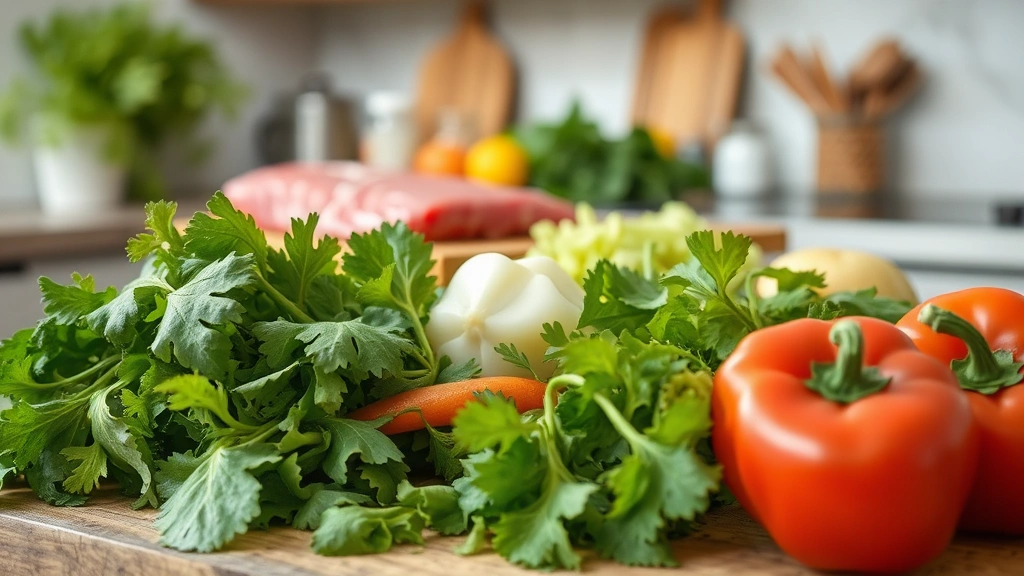
Start by consulting with your veterinarian about your pet’s age, weight, activity level, and any existing health conditions. Some pets have allergies, sensitivities, or medical conditions that require specific nutritional approaches. Your vet can help you determine the right protein sources, fat ratios, and micronutrient balance for your individual animal.
Take notes on what your pet currently eats and any symptoms they might be experiencing—digestive issues, itchy skin, low energy, or weight problems. This baseline will help you measure improvement once you transition to fresh food.
Step 2: Choose High-Quality Fresh Food Sources
Not all fresh food is created equal. Your options range from preparing meals at home to purchasing pre-made fresh food from reputable companies. Each approach has pros and cons.

Home-prepared meals: Complete control over ingredients, but you need to ensure nutritional balance. Without proper knowledge, you could accidentally create deficiencies in essential nutrients like calcium, phosphorus, or taurine (critical for cats).
Commercial fresh food brands: Companies like The Farmer’s Dog, Nom Nom, and Ollie have formulations reviewed by veterinary nutritionists. They’re convenient but pricier than kibble.
Local options: Many areas now have local pet food companies or butchers offering fresh, species-appropriate diets. This supports your community and often means fresher ingredients.
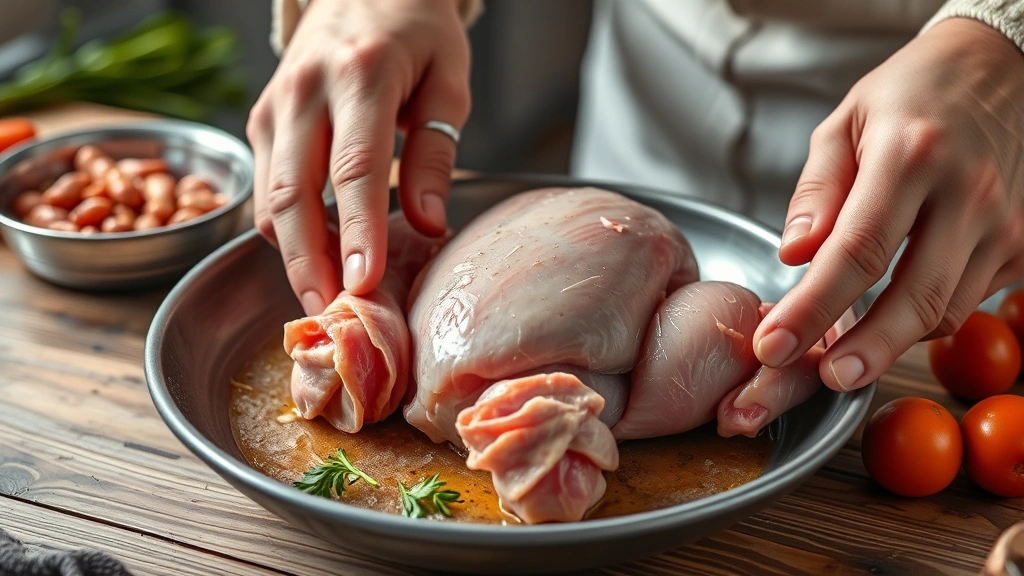
Whatever you choose, ensure the food includes quality proteins (chicken, beef, fish, turkey), healthy fats (omega-3 and omega-6 fatty acids), and appropriate vegetables. Avoid anything with excessive fillers, artificial colors, or preservatives.
Step 3: Plan Your Transition Timeline Carefully
Here’s where most people mess up: they switch their pet’s food overnight and then act shocked when their dog has digestive upset. Your pet’s gut bacteria need time to adjust to new food.
Implement a gradual transition over 7-10 days. Start by mixing 25% fresh food with 75% of their current diet for days 1-2. Increase to 50/50 for days 3-4, then 75% fresh and 25% old food for days 5-6. Finally, transition to 100% fresh food by day 7-10.
Watch for any signs of digestive distress during this period—loose stools, vomiting, or decreased appetite might indicate you need to slow down the transition. Some pets are more sensitive than others, and that’s perfectly normal.
Step 4: Establish Consistent Feeding Times and Portions
A successful fresh food feeding routine requires consistency. Pets thrive on schedules, and regular feeding times help with digestion, training, and behavior management.
Most adult dogs do well with two meals daily (morning and evening), while cats often prefer multiple smaller meals throughout the day. Puppies and senior pets may need different schedules—consult your vet about what works best.
Portion sizes depend on your pet’s weight, age, and activity level. A general rule: most dogs need about 2-3% of their body weight in food daily, but this varies. Fresh food is often more nutrient-dense than kibble, so portions might be smaller. Your vet or the food manufacturer should provide portion guidelines based on your pet’s specific stats.
Use a kitchen scale for accuracy rather than eyeballing portions. Overfeeding is surprisingly easy and leads to obesity, which brings its own host of health problems. Regular pet health monitoring helps you adjust portions as your pet’s needs change.
Step 5: Monitor Health Improvements and Adjust as Needed
After implementing your fresh food feeding routine, keep a health journal tracking changes in your pet’s condition. Look for improvements in:
- Coat quality and shine
- Energy levels and enthusiasm
- Digestive health (stool quality, frequency)
- Weight management
- Skin condition and itching
- Breath freshness
- Overall mood and vitality
Most pets show noticeable improvements within 2-4 weeks, though some changes take longer. Your pet’s weight might stabilize differently on fresh food—some pets naturally maintain healthier weights without the fillers that create false fullness.
Schedule a veterinary check-up after 6-8 weeks to ensure your pet is thriving. Blood work can confirm that your fresh food routine is providing adequate nutrition. Consider adding multi-strain probiotics for pets to support digestive health during and after the transition.
Storage and Food Safety Considerations
Fresh food requires different handling than kibble. Most fresh pet foods need refrigeration and have shorter shelf lives—typically 4-10 days in the fridge. Some companies offer frozen options that last several months.
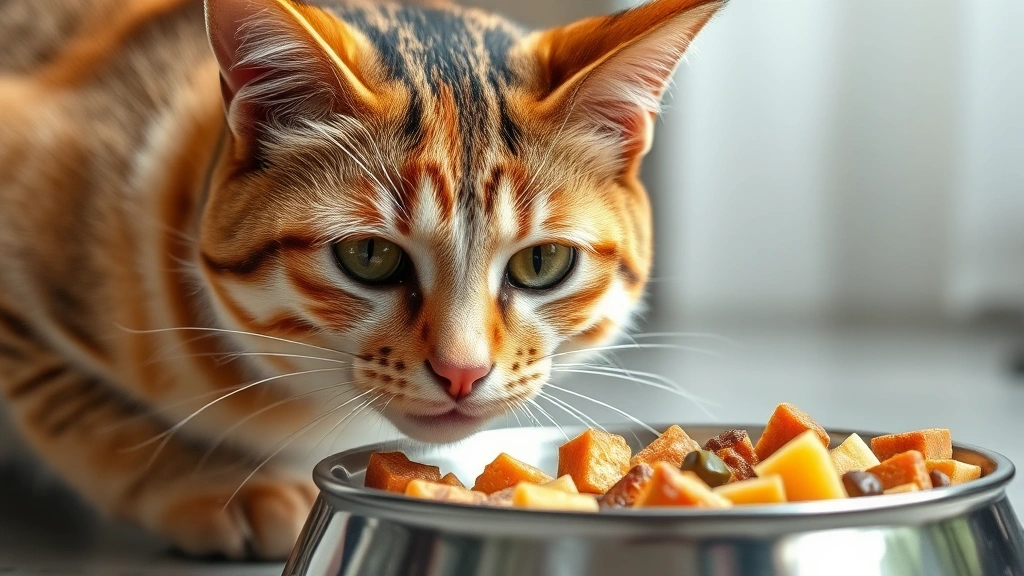
Always thaw frozen food in the refrigerator, not at room temperature. Discard any uneaten fresh food after 2-4 hours at room temperature to prevent bacterial growth. Use airtight containers to maintain freshness and prevent odor issues in your fridge.
Wash your hands and any utensils that contact raw or fresh pet food, just as you would with human food. While pets have stronger stomach acid than humans, foodborne pathogens can still cause illness.
Budget-Friendly Fresh Food Options
Yes, fresh food typically costs more than kibble, but you have options to make it work within your budget. Consider pet supplement combination packs to fill nutritional gaps if you’re doing home preparation.
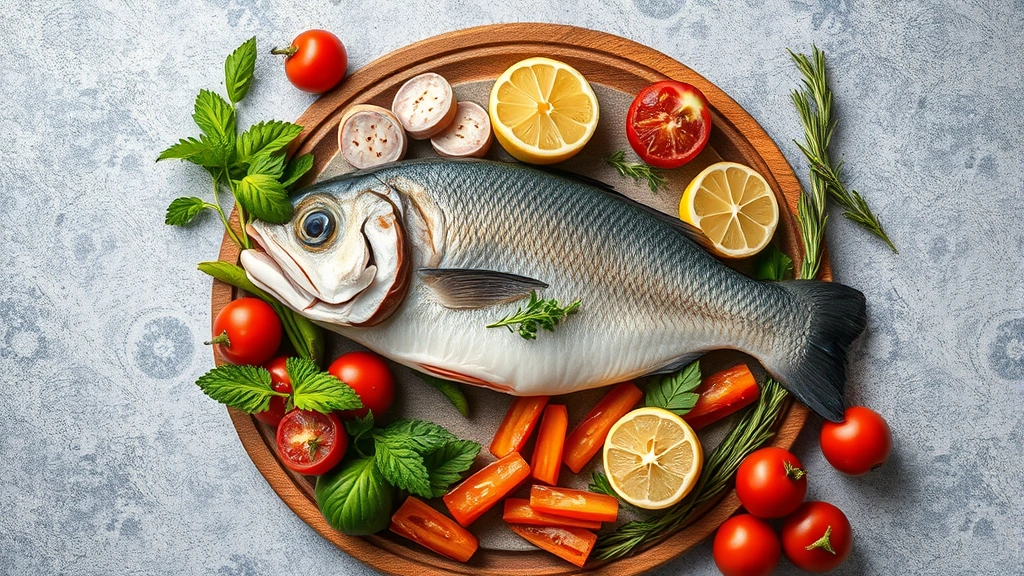
Buying in bulk, choosing local sources, or rotating between fresh and high-quality frozen options can reduce costs. Some pet owners prepare large batches weekly and freeze portions, combining fresh ingredients with automatic pet supplement delivery services for convenience.
Think of it as preventative healthcare. Investing in quality nutrition now means fewer vet visits later for digestive issues, allergies, obesity, and other diet-related problems.
Common Mistakes to Avoid
Don’t assume all fresh food is nutritionally complete. Some homemade diets lack essential nutrients. Work with a veterinary nutritionist if preparing meals at home.
Avoid switching foods too quickly—this is the number one cause of digestive upset. Don’t feed toxic foods like chocolate, grapes, onions, or xylitol-containing products, even in fresh food preparations.
Don’t ignore portion control just because the food is “healthier.” Fresh food can still lead to obesity if portions are excessive. And don’t forget to update your preventative care supplements regimen if your vet recommends it based on your pet’s new diet.
Conclusion: Transform Your Pet’s Health Today
Implementing a fresh food feeding routine is one of the most impactful decisions you can make for your pet’s long-term health and happiness. By following these five proven steps—assessing needs, choosing quality sources, transitioning gradually, establishing consistency, and monitoring progress—you’ll set your pet up for a healthier, more vibrant life.
Fresh food feeding isn’t complicated or mysterious once you understand the basics. Your pet will likely reward your efforts with improved energy, better digestion, shinier coats, and fewer health problems down the road. Start today, stay consistent, and watch your furry friend thrive on real, whole food instead of processed kibble.
Frequently Asked Questions
Is fresh food feeding more expensive than kibble?
Generally, yes. Fresh food costs more upfront than traditional kibble, typically ranging from $3-8 per day depending on your pet’s size and the brand you choose. However, many pet owners find that reduced veterinary bills and better overall health make the investment worthwhile. Buying in bulk or preparing meals at home can help reduce costs.
Can I mix fresh food with kibble?
Absolutely! Many pet owners use a hybrid approach, mixing fresh food with high-quality kibble to balance cost and nutrition. This can be an excellent transitional strategy or long-term solution. Just ensure the combined nutrition is balanced and adjust portions accordingly.

How long does fresh pet food last in the refrigerator?
Most fresh pet foods last 4-10 days in the refrigerator, depending on the brand and storage method. Frozen fresh food lasts several months when stored properly. Always check the manufacturer’s recommendations and discard uneaten portions after 2-4 hours at room temperature.
Will my pet’s poop change on fresh food?
Yes, and this is actually a good sign! Fresh food typically produces smaller, firmer stools because the food is more digestible and contains fewer fillers. This change usually occurs within the first week or two of the transition.
Do I need to add supplements to a fresh food diet?
This depends on the food. Commercial fresh foods formulated by veterinary nutritionists are typically nutritionally complete. Home-prepared meals often require supplementation. Consult your veterinarian to determine if your pet needs additional vitamins, minerals, or probiotics alongside their fresh food routine.





