

Creating a homemade pet food schedule might sound like you’re about to become a furry Gordon Ramsay, but honestly? It’s way easier than meal prepping for yourself, and your pet will actually be grateful instead of complaining about the same old chicken breast again.
Table of Contents
- Why Your Pet Deserves a Homemade Pet Food Schedule
- Step 1: Get Your Vet’s Blessing (Seriously, Don’t Skip This)
- Step 2: Master the Basic Nutritional Formula
- Step 3: Plan Your Weekly Prep Schedule Like a Boss
- Step 4: Implement Proper Storage and Food Safety
- Step 5: Track Nutrition and Adjust Your Homemade Pet Food Schedule Seasonally
- Building Your Custom Weekly Feeding Calendar
- Supplementation: The Missing Piece of Your Homemade Pet Food Schedule
- Common Mistakes That Derail Your Homemade Pet Food Schedule
- Seasonal Adjustments to Your Homemade Pet Food Schedule
- Frequently Asked Questions
- Your Pet’s Success Starts With Planning
If you’re tired of mystery ingredients and want to know exactly what’s going into your dog’s or cat’s bowl, you’ve landed in the right place. We’re talking about building a sustainable, nutritionally balanced feeding routine that keeps your pet thriving without turning your kitchen into a chaotic mess.
Why Your Pet Deserves a Homemade Pet Food Schedule
Let’s be real: commercial pet food has come a long way, but there’s something deeply satisfying about controlling every ingredient that goes into your pet’s diet. A proper homemade pet food schedule means no artificial preservatives, no mystery meat by-products, and no guessing games about what’s actually in that kibble.
Your vet will tell you that pets with sensitive stomachs, allergies, or specific health conditions often thrive on home-cooked meals. Plus, you get to watch your dog’s coat get shinier and their energy levels stabilize. It’s not magic—it’s just whole foods doing what they’re supposed to do.
Step 1: Get Your Vet’s Blessing (Seriously, Don’t Skip This)
Before you start boiling chicken and mixing vegetables like you’re running a five-star restaurant for pups, schedule a consultation with your veterinarian. They’ll assess your pet’s age, weight, activity level, and any health conditions that might affect nutritional needs.
Your vet might recommend working with a veterinary nutritionist to create a balanced recipe. This isn’t overkill—it’s the difference between a great homemade pet food schedule and one that accidentally leaves your pet deficient in crucial nutrients like taurine, calcium, or specific vitamins.
Check out our guide on pet supplement ingredient transparency to understand what micronutrients your homemade meals might need to include.
Step 2: Master the Basic Nutritional Formula
A balanced homemade diet typically follows this ratio: 50% protein source, 25-30% vegetables, 15-20% carbohydrates, and 5-10% healthy fats. Think of it like building a plate at a restaurant—your pet needs variety and balance, not just one ingredient repeated endlessly.
Protein sources include lean meats (chicken, turkey, beef, fish), organs (liver, kidney), and eggs. Vegetables should include carrots, green beans, sweet potatoes, and leafy greens. Carbs come from brown rice, oats, or sweet potatoes. Healthy fats? Fish oil and a tiny bit of coconut oil do the trick.
The key to maintaining a consistent homemade pet food schedule is understanding that every ingredient serves a purpose. Your pet’s body isn’t designed to process the same exact meal twice—variety actually improves nutrient absorption and keeps their digestive system sharp.
Step 3: Plan Your Weekly Prep Schedule Like a Boss
Sunday meal prep isn’t just for fitness influencers—it’s a game-changer for pet owners committed to homemade feeding. Dedicate 2-3 hours on one day to prepare meals for the entire week. Cook proteins in bulk, chop vegetables, portion everything into containers, and refrigerate or freeze.
Most homemade pet food lasts 3-4 days in the refrigerator, so freezing in individual portions means you’ll always have something ready. Your homemade pet food schedule becomes infinitely easier when you’re not cooking fresh every single day.
Pro tip: Label everything with dates. Future you will appreciate knowing exactly when that batch of turkey and sweet potato was prepared. Trust me, freezer containers look identical after a few weeks.
Step 4: Implement Proper Storage and Food Safety
Here’s where your homemade pet food schedule meets real-world logistics. Proper storage prevents foodborne illness and waste. Freeze meals in individual portions using ice cube trays for small pets or container sets for larger dogs.
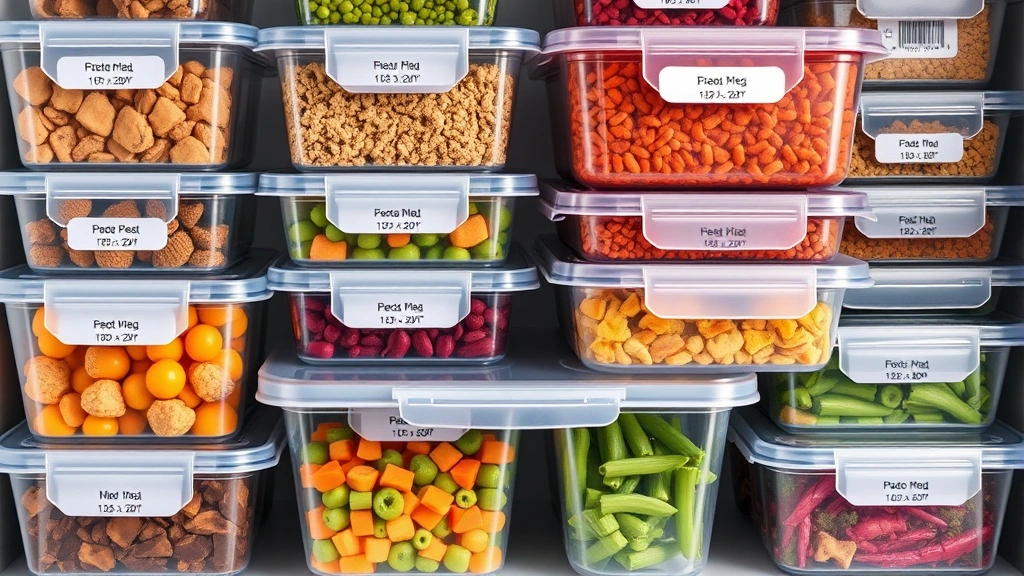
Our detailed guide on pet supplement storage covers temperature control and container selection that applies equally to homemade meals. Keep your freezer at 0°F or below, and thaw meals in the refrigerator overnight rather than at room temperature.
Never leave prepared food sitting out for more than two hours. If your pet doesn’t finish a meal within 30 minutes, remove it. This prevents bacterial growth and keeps your pet’s digestive system healthy.
Step 5: Track Nutrition and Adjust Your Homemade Pet Food Schedule Seasonally
Just like humans, pets have changing nutritional needs based on season, age, and activity level. A dog who’s more active in summer might need slightly different caloric intake than in winter. Your homemade pet food schedule should evolve with these changes.
Keep a simple log tracking what you’re feeding, portion sizes, and how your pet responds. Is their coat looking dull? Energy levels dropping? These are signs you might need to adjust protein or fat content. Many pet owners use apps designed for tracking homemade pet nutrition—they’re surprisingly helpful.
If your pet has a sensitive stomach, your schedule might need to include probiotic supplementation. Check out our guide on multi-strain probiotics for pets to understand how beneficial bacteria support digestive health.
Building Your Custom Weekly Feeding Calendar
Let’s get practical. Here’s what a realistic weekly homemade pet food schedule might look like for a medium-sized dog:
Monday-Tuesday: Chicken, brown rice, carrots, and green beans
Wednesday-Thursday: Ground turkey, sweet potato, broccoli, and fish oil
Friday-Saturday: Lean beef, oats, spinach, and pumpkin
Sunday: Prep day—cook everything fresh for the week ahead
This rotation ensures your pet gets different protein sources, varied vegetables, and a balanced micronutrient profile throughout the week. It’s not complicated, but it requires consistency.
Supplementation: The Missing Piece of Your Homemade Pet Food Schedule
Here’s the truth that separates successful homemade feeding from nutritional disasters: whole foods alone might not provide every mineral and vitamin your pet needs. This is where supplementation comes in.
Calcium is often the biggest culprit in homemade diets—meat doesn’t contain enough to balance phosphorus properly. A calcium supplement or eggshell powder (yes, really) fixes this. Check out our comprehensive guide on pet supplement dosage guidance to ensure you’re adding the right amounts.
Omega-3 fatty acids, vitamin E, and a quality multivitamin designed for homemade pet diets round out the nutritional picture. Your vet or veterinary nutritionist should specify exactly what your pet needs based on their individual health profile.
Common Mistakes That Derail Your Homemade Pet Food Schedule
The biggest mistake? Assuming your homemade pet food schedule is automatically healthier without actually balancing it properly. Feeding only chicken and rice might be better than some commercial foods, but it’s not complete nutrition.
Another common error is switching foods too quickly. Your pet’s digestive system needs 7-10 days to adjust to new meals. Gradual transitions prevent diarrhea and vomiting that can make you question the entire homemade feeding journey.

Not monitoring your pet’s weight and health markers is equally problematic. Schedule vet checkups every 6 months to ensure your homemade pet food schedule is actually working. Blood work can reveal deficiencies that aren’t obvious from appearance alone.
Seasonal Adjustments to Your Homemade Pet Food Schedule
Spring and summer often bring increased activity levels, so slightly higher caloric intake makes sense. Fall might mean preparing heartier meals with more warming ingredients like pumpkin and sweet potato. Winter is perfect for adding extra fish oil and fat content to support coat health during dry months.
Your homemade pet food schedule doesn’t need to be rigid. Work with your vet to adjust portions and ingredients based on your pet’s changing needs throughout the year.
Frequently Asked Questions
How long does homemade pet food last in the freezer?
Properly stored homemade pet food lasts 2-3 months in the freezer at 0°F or below. Always label with preparation dates and use the oldest portions first. In the refrigerator, meals stay fresh for 3-4 days maximum.
Can I use the same homemade pet food schedule for dogs and cats?
Not entirely. Cats require taurine and higher protein percentages than dogs. They’re obligate carnivores, while dogs are more omnivorous. Always consult your vet about species-specific nutritional needs before implementing a homemade pet food schedule.
What if my pet refuses homemade food after eating commercial kibble?
This is usually a texture or taste preference issue, not a nutritional one. Mix small amounts of homemade food with their current diet, gradually increasing the ratio over 7-10 days. Most pets adjust within two weeks once they realize this new food is actually delicious.
How do I know if my homemade pet food schedule is nutritionally complete?
Work with a veterinary nutritionist to analyze your recipes using software like BalanceIT.com or AAFCO guidelines. Your vet should also monitor bloodwork annually to catch any deficiencies early.
Is a homemade pet food schedule more expensive than commercial food?
It depends on your sourcing and your pet’s size. For small pets, it’s often cheaper. For large dogs, costs can be comparable or slightly higher than premium commercial food. The real investment is in your pet’s long-term health.
Your Pet’s Success Starts With Planning
A successful homemade pet food schedule isn’t rocket science, but it does require commitment, planning, and ongoing communication with your veterinary team. You’re not just feeding your pet—you’re actively participating in their health and longevity.
Start with your vet’s blessing, build a realistic meal prep routine, track what works, and adjust seasonally. Your pet will reward you with better energy, healthier skin and coat, and potentially fewer digestive issues down the road.
The best part? Once your system is established, it becomes second nature. That Sunday meal prep becomes as routine as your own cooking, and you’ll never wonder again what’s really in your pet’s food bowl.





