
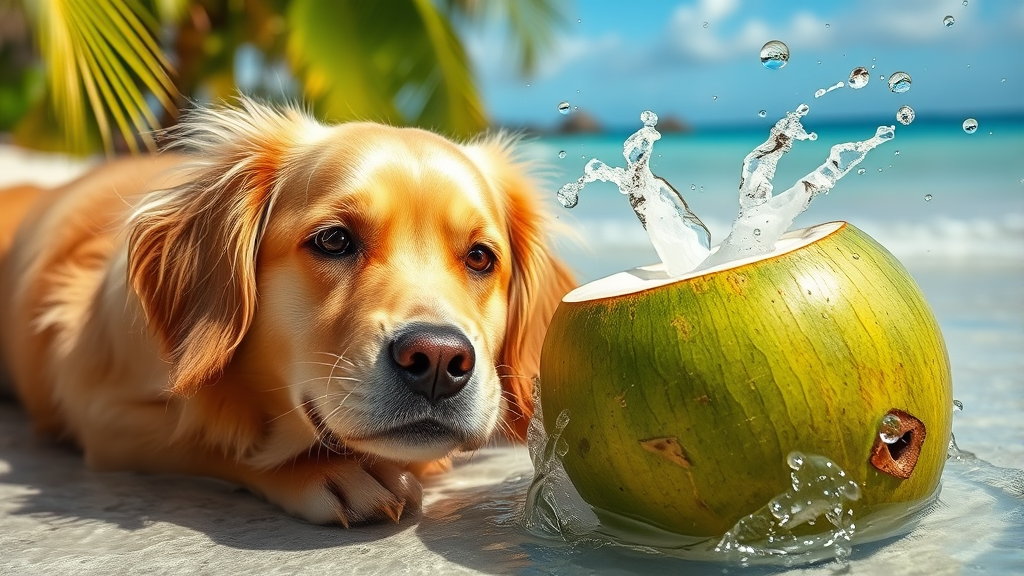
As coconut water gains popularity as a refreshing health drink for humans, many dog owners are wondering whether this tropical beverage is safe for their four-legged companions. This natural electrolyte-rich drink has captured the attention of health-conscious pet parents who want to share nutritious treats with their dogs. Understanding whether dogs can safely consume coconut water requires examining its nutritional profile, potential benefits, and possible risks.
The question of whether dogs can drink coconut water isn’t as straightforward as it might seem. While coconut water is generally considered safer than many other human beverages, there are important considerations regarding portion sizes, individual dog sensitivities, and specific health conditions that could make this tropical drink either beneficial or problematic for your pet.
What Is Coconut Water and Its Nutritional Profile
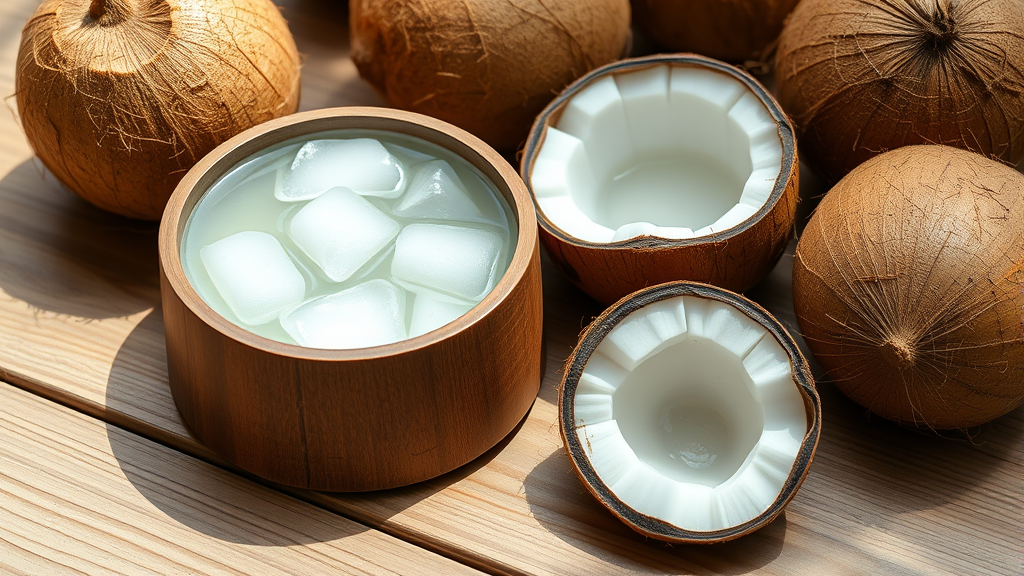
Coconut water is the clear liquid found inside young, green coconuts. Unlike coconut milk, which is made from the grated flesh of mature coconuts, coconut water is naturally occurring and contains fewer calories and less fat. This refreshing beverage has been consumed for centuries in tropical regions and is praised for its natural electrolyte content.
The nutritional composition of coconut water includes potassium, sodium, magnesium, calcium, and phosphorus. It also contains small amounts of vitamin C, B-complex vitamins, and natural sugars. For humans, these nutrients provide hydration benefits and electrolyte replenishment, especially after exercise or during hot weather.
When considering coconut water for dogs, it’s important to understand that canine nutritional needs differ significantly from human requirements. While the electrolytes in coconut water aren’t inherently harmful to dogs, the concentrations and ratios may not align perfectly with what dogs need for optimal health. The American Kennel Club emphasizes that water should always be the primary beverage for dogs.
Safety Assessment: Can Dogs Drink Coconut Water
The short answer is that coconut water is generally safe for dogs to consume in small amounts, but it shouldn’t replace their regular water intake. Unlike some human beverages that can be toxic to dogs, coconut water doesn’t contain ingredients that are immediately dangerous to canines. However, moderation is key to preventing potential digestive issues or nutritional imbalances.
Most veterinarians consider coconut water to be a low-risk treat when given occasionally and in appropriate amounts. The natural sugars present in coconut water are typically well-tolerated by healthy dogs, though diabetic dogs or those with sugar sensitivities should avoid it entirely. It’s worth noting that dogs have different digestive systems than humans, and what’s healthy for us may not always be optimal for them.
Before introducing coconut water to your dog’s diet, consider your pet’s individual health status, size, and any existing medical conditions. Dogs with kidney disease, heart conditions, or diabetes should not consume coconut water without veterinary approval. Additionally, some dogs may experience digestive upset when trying new foods or beverages, so it’s always wise to start with very small amounts.
Similar to questions about whether can dogs eat coconut, the safety of coconut water depends on proper serving sizes and individual tolerance levels.
Potential Health Benefits for Dogs
When given appropriately, coconut water may offer some benefits for dogs, particularly in specific situations. The natural electrolytes in coconut water can help with hydration, especially during hot weather or after vigorous exercise. The potassium content may support proper muscle and nerve function, while magnesium contributes to bone health and energy metabolism.
Some dog owners report that their pets enjoy the taste of coconut water, which can be helpful for encouraging fluid intake in dogs that are reluctant to drink plain water. This can be particularly useful during illness recovery or in senior dogs who may not drink enough water on their own. However, it’s important to note that these benefits are generally minimal compared to a balanced canine diet and adequate fresh water intake.
The antioxidant properties of coconut water, while modest, may provide some cellular protection. The vitamin C content, though small, can support immune function. However, dogs produce their own vitamin C naturally, so supplementation through coconut water isn’t necessary for most healthy dogs. The American Veterinary Medical Association recommends focusing on complete and balanced commercial dog foods rather than supplementing with human beverages.
Risks and Concerns to Consider
While coconut water is generally safer than many human beverages, there are several risks and concerns that dog owners should be aware of. The most common issue is digestive upset, which can manifest as diarrhea, vomiting, or stomach discomfort. This is particularly likely if a dog consumes too much coconut water at once or if they have a sensitive digestive system.
The natural sugar content in coconut water, while lower than many fruit juices, can still contribute to weight gain and dental problems if given regularly. Dogs that are overweight, diabetic, or prone to pancreatitis should avoid coconut water entirely. The caloric content, though modest, can add up over time and disrupt a carefully balanced diet plan.
Another concern is the potential for electrolyte imbalance. While coconut water contains beneficial electrolytes, the ratios aren’t specifically formulated for canine needs. Regular consumption could potentially interfere with your dog’s natural electrolyte balance, particularly in dogs with kidney or heart conditions. Some commercial coconut water products also contain added sugars, flavors, or preservatives that could be harmful to dogs.
Unlike safer alternatives such as whether can dogs have coconut flesh in small amounts, coconut water consumption requires more careful consideration due to its liquid nature and potential for overconsumption.

Safe Serving Guidelines and Best Practices
If you decide to offer coconut water to your dog, following proper serving guidelines is essential for safety. For small dogs (under 20 pounds), limit coconut water to no more than 1-2 tablespoons per week. Medium-sized dogs (20-50 pounds) can have up to 1/4 cup weekly, while large dogs (over 50 pounds) might tolerate up to 1/2 cup per week. These amounts should be divided into smaller portions rather than given all at once.
Always choose pure, unsweetened coconut water without any additives, flavors, or preservatives. Read labels carefully, as some commercial coconut water products contain added sugars, artificial sweeteners, or other ingredients that could be harmful to dogs. Xylitol, a common artificial sweetener, is extremely toxic to dogs and can be found in some flavored coconut water products.
Introduce coconut water gradually, starting with just a few licks or a teaspoon to test your dog’s reaction. Monitor your pet for any signs of digestive upset, including loose stools, vomiting, or changes in appetite. If any adverse reactions occur, discontinue offering coconut water immediately and consult your veterinarian if symptoms persist.
Never use coconut water as a replacement for fresh water, and always ensure your dog has access to clean, fresh water at all times. Coconut water should be treated as an occasional treat rather than a regular beverage. The PetMD guidelines emphasize that water should comprise the vast majority of any dog’s fluid intake.
Healthy Alternatives to Coconut Water
For dog owners looking to provide variety in their pet’s hydration routine, there are several safer alternatives to coconut water that may be more appropriate for regular consumption. Plain water remains the best choice for canine hydration, but there are ways to make it more appealing if your dog is a reluctant drinker.
Adding a small amount of low-sodium chicken or beef broth to water can encourage drinking while providing flavor. Ice cubes made from diluted broth can serve as both treats and hydration aids during hot weather. Some dogs enjoy ice cubes made from plain water, which can provide entertainment while promoting fluid intake.
For dogs that need electrolyte replacement after exercise or illness, veterinary-approved electrolyte solutions designed specifically for dogs are safer options than coconut water. These products are formulated with appropriate ratios of electrolytes for canine physiology and are available through veterinarians or pet supply stores.
Other safe occasional treats that can support hydration include small pieces of watermelon (seedless), cucumber slices, or frozen berries. However, just as with questions about whether can dogs drink milk, any new addition to your dog’s diet should be introduced carefully and in moderation.
When to Consult Your Veterinarian
There are several situations where consulting with your veterinarian before offering coconut water to your dog is essential. Dogs with existing health conditions such as diabetes, kidney disease, heart conditions, or gastrointestinal disorders should not receive coconut water without veterinary approval. These conditions can be significantly affected by changes in diet or fluid intake.
If your dog shows any signs of digestive upset after consuming coconut water, including vomiting, diarrhea, lethargy, or loss of appetite, contact your veterinarian promptly. While these symptoms may resolve on their own, they could indicate a more serious issue, especially if they persist for more than 24 hours.
Senior dogs and puppies have different nutritional needs and may be more susceptible to digestive upset from new foods or beverages. Before introducing coconut water to very young or elderly dogs, discuss the decision with your veterinarian to ensure it aligns with their specific health requirements.
Dogs that are overweight or on special diets should not receive coconut water without veterinary guidance. Even the modest calories in coconut water can interfere with weight management plans or therapeutic diets. Your veterinarian can help you determine whether coconut water is appropriate for your dog’s individual health status and dietary needs.
Similar to considerations about whether can dogs have milk or other human foods, professional veterinary advice is invaluable when making decisions about your dog’s diet.
Regular veterinary check-ups are essential for maintaining your dog’s health and can provide opportunities to discuss dietary questions and concerns. The Humane Society recommends establishing a relationship with a trusted veterinarian who can provide personalized advice for your pet’s specific needs.
Frequently Asked Questions
Can puppies drink coconut water?
Puppies should not be given coconut water as their digestive systems are still developing and are more sensitive to new foods and beverages. Stick to their mother’s milk, puppy formula, or water as recommended by your veterinarian. Introduction of any new treats should wait until after weaning and with veterinary approval.
How much coconut water is safe for dogs?
Safe amounts vary by dog size: small dogs (under 20 lbs) should have no more than 1-2 tablespoons weekly, medium dogs (20-50 lbs) can have up to 1/4 cup weekly, and large dogs (over 50 lbs) might tolerate up to 1/2 cup weekly. Always start with smaller amounts and divide into multiple servings rather than giving all at once.
Can diabetic dogs drink coconut water?
Diabetic dogs should not consume coconut water due to its natural sugar content, which can affect blood glucose levels. Even though the sugar content is lower than many fruit juices, it can still disrupt carefully managed diabetic diets. Always consult your veterinarian about appropriate treats for diabetic dogs.
What should I do if my dog drinks too much coconut water?
If your dog consumes a large amount of coconut water, monitor them closely for signs of digestive upset such as vomiting, diarrhea, or lethargy. Ensure they have access to fresh water and contact your veterinarian if symptoms develop or persist for more than 24 hours. Most dogs will recover without treatment, but professional guidance is recommended.
Is coconut water better than regular water for dogs?
No, regular fresh water is always the best choice for dogs. Coconut water should only be given as an occasional treat and never as a replacement for water. Dogs’ hydration needs are best met with plain water, and their nutritional requirements should be fulfilled through a complete and balanced dog food rather than supplemental beverages.
Can coconut water help with dog dehydration?
While coconut water contains electrolytes, it’s not an appropriate treatment for dehydration in dogs. Dehydrated dogs need immediate veterinary attention and may require specialized fluid therapy. If you suspect your dog is dehydrated, contact your veterinarian immediately rather than attempting to treat the condition with coconut water or other home remedies.
Are there any dogs that should never have coconut water?
Yes, dogs with kidney disease, heart conditions, diabetes, pancreatitis, or sensitive digestive systems should avoid coconut water entirely. Puppies under 12 weeks old and dogs on special therapeutic diets should also not receive coconut water without specific veterinary approval. When in doubt, consult your veterinarian before introducing any new food or beverage to your dog’s diet.





