

Food dispensing toys are absolute game-changers for pet owners who want to keep their furry friends mentally stimulated and entertained. If you’ve ever come home to a destroyed couch or found your dog staring at the wall with the enthusiasm of a wet noodle, you know exactly what we’re talking about. These clever gadgets transform snack time into an engaging puzzle that keeps pets busy, happy, and way less destructive.
Table of Contents
- Why Your Pet Needs Food Dispensing Toys (And Why You Should Care)
- The Psychology Behind Interactive Feeding Toys
- Types of Food Dispensing Toys: What Works Best
- The 10 Best Food Dispensing Toys (Our Top Picks)
- Choosing the Right Toy for Your Pet’s Personality
- Making the Most of Your Food Dispensing Toys
- Training Your Pet to Use Food Dispensing Toys
- Health Benefits Beyond Entertainment
- Maintenance and Care Tips
- Budget-Friendly Options and DIY Alternatives
- Frequently Asked Questions
- Final Thoughts: Transform Boredom Into Engagement
Why Your Pet Needs Food Dispensing Toys (And Why You Should Care)
Let’s be real: pets get bored. Like, really bored. And bored pets are destructive pets. They chew furniture, dig holes in the yard, and develop behavioral issues that make everyone miserable. Food dispensing toys solve this problem by turning mealtime into a mental workout. Your dog or cat has to work for their food, which mimics natural foraging behaviors and keeps their brain engaged.
Beyond the obvious “stops destruction” benefit, these toys also help with weight management. When pets have to work for their meals, they eat slower and feel more satisfied. Plus, the mental stimulation reduces anxiety and stress, making for a calmer, happier household. Win-win-win.
The Psychology Behind Interactive Feeding Toys
Dogs and cats are natural hunters and foragers. In the wild, they’d spend hours searching for food. Modern pets? They get a bowl plopped down in front of them twice a day. That’s boring as heck. Interactive feeding toys tap into their instinctual drive to hunt and problem-solve, providing the mental enrichment they crave.
This kind of enrichment isn’t just nice to have—it’s essential for behavioral health. Studies show that pets with adequate mental stimulation have fewer behavioral problems and lower stress levels. If you’re dealing with a pet that has anxiety issues, consider pairing these toys with behavioral support supplements for a comprehensive approach.
Types of Food Dispensing Toys: What Works Best
Not all food dispensing toys are created equal. Some are simple rolling balls, while others are complex puzzle feeders that would challenge a genius. Here’s the breakdown:
Rolling Dispensers: These are balls or toys that dispense treats as your pet rolls them around. Great for dogs who like to chase and pounce. Easy to use, but maybe not challenging enough for super-smart pets.
Puzzle Feeders: These require multiple steps to access the food. Your pet has to move sliding pieces, flip covers, or solve mini-puzzles. Perfect for keeping advanced problem-solvers entertained.
Snuffle Mats: While technically not a toy, these fabric mats with hidden pockets let pets use their natural sniffing abilities. Incredibly engaging for dogs who love to nose around.
Treat-Dispensing Balls: Adjustable difficulty levels mean you can make them harder as your pet gets smarter. These are versatile and work for most pets.
The 10 Best Food Dispensing Toys (Our Top Picks)
Alright, let’s get to the good stuff. Here are our favorite food dispensing toys that actually work:
1. KONG Wobbler: A classic that works. It’s durable, easy to fill, and dogs love the unpredictable movement. Perfect for medium-to-large dogs.
2. Puzzle Feeder by Outward Hound: Multiple difficulty levels in one toy. Your pet can progress to harder challenges as they master easier ones. This is the toy that grows with your pet.
3. West Paw Zogoflex Qwizl: Tough rubber construction means it’ll survive even aggressive chewers. Dishwasher safe, too. A solid choice for destructive dogs.
4. Nina Ottosson Level 3 Puzzle: For the overachiever pets. This puzzle requires serious problem-solving skills. If your dog has already mastered basic toys, this is the next level.
5. Snuffle Mat by Ethical Products: Let your dog’s natural sniffing instincts take over. Hide treats in the fabric pockets and watch them go to town for hours.
6. IQ Treat Ball by Cheerble: Adjustable difficulty with multiple chambers. Durable plastic that won’t crack easily. Great value for the price.
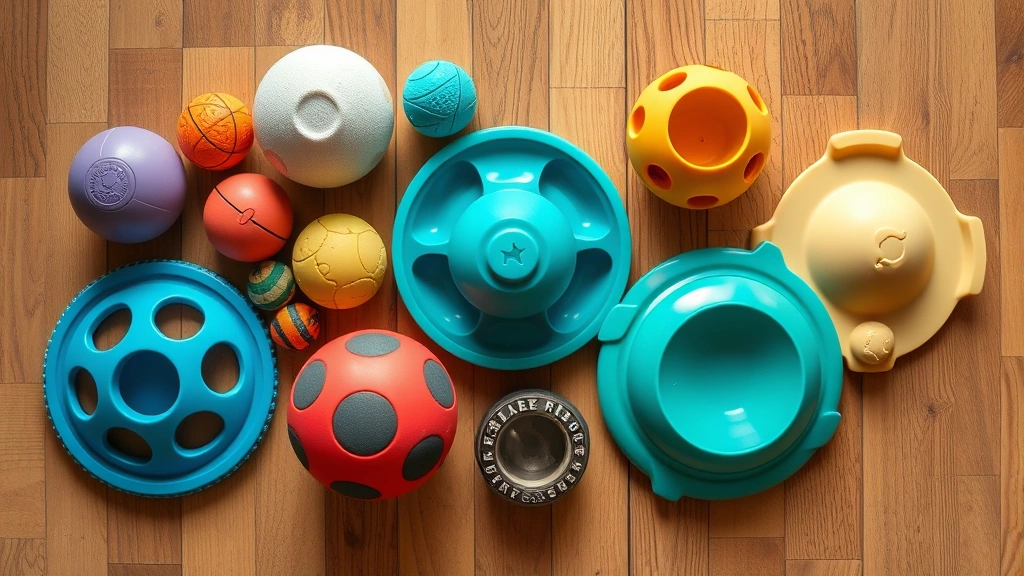
7. Buster Cube: The OG of treat-dispensing toys. Simple design, extremely durable, and it actually works. Sometimes the classics are classics for a reason.
8. Orbee-Tuff Whistle Ball: For dogs who like toys that make noise. Dispenses treats while also entertaining with squeaks and whistles. Adds an extra sensory element.
9. Slow Feeder Puzzle Bowl: Not technically a toy, but it combines puzzle-solving with mealtime. Perfect for pets who inhale their food in seconds.
10. Treat Dispensing Rubber Toy by Nylabone: Textured rubber keeps pets engaged long-term. You can freeze it with treats inside for extra entertainment value.
Choosing the Right Toy for Your Pet’s Personality
Not every toy works for every pet. A hyperactive Border Collie needs something different than a chill cat who just wants snacks. Consider your pet’s intelligence level, chewing intensity, and play style.
High-energy, smart pets? Go for puzzle feeders and multi-step toys. Gentle, older pets? Simple rolling dispensers work great. Aggressive chewers? Stick with durable rubber options that can handle serious gnawing.
Also think about toy size. A toy that’s too small is a choking hazard. Too large and your pet might not be able to interact with it properly. Match the toy to your pet’s size and strength.
Making the Most of Your Food Dispensing Toys
Here’s the secret: rotate your toys. If your pet has the same toy every single day, it gets boring. Keep a few different toys and swap them out. Suddenly, that old puzzle feeder feels brand new.
Also, don’t just use regular kibble. Mix it up with tasty pet supplements or special treats. The variety keeps things exciting and provides nutritional benefits. You can also freeze wet food inside rubber toys for extra challenge and engagement.
Supervise new toys at first. Make sure your pet isn’t trying to destroy them or getting frustrated. Some pets need a little training to figure out how to use puzzle toys—show them how it works a few times, and they’ll catch on.
Training Your Pet to Use Food Dispensing Toys
Some pets immediately understand how to use these toys. Others need a little coaching. Start by showing them how it works. Demonstrate the movements and let them see treats coming out. Praise like crazy when they figure it out.
Begin with easier toys and gradually increase difficulty. You want them to experience success early on, which builds confidence and interest. If they get frustrated, go back to an easier version.
Make it fun, not stressful. If your pet seems anxious or upset, take a break and try again later. The goal is enrichment, not frustration.
Health Benefits Beyond Entertainment
Food dispensing toys offer surprising health benefits. They slow down eating, which aids digestion and reduces bloating. They provide mental stimulation that keeps aging pets’ brains sharp. They can even help with weight management by making meals last longer.
For pets with anxiety or behavioral issues, the mental engagement can be therapeutic. Combined with pet multivitamins that support cognitive function, you’ve got a solid wellness strategy.
The physical activity involved in using these toys also burns calories and keeps pets active. Especially important for indoor pets who might otherwise be sedentary.
Maintenance and Care Tips
These toys need cleaning, just like everything else. Most are dishwasher safe, but check the manufacturer’s instructions. Regular cleaning prevents bacterial growth and keeps toys fresh.
Inspect toys regularly for damage. If rubber is cracking or plastic is splintering, it’s time to replace it. Damaged toys become choking hazards or ingestion risks.
Store toys properly. A cool, dry place is ideal. If you’re freezing toys with food inside, make sure they thaw before use so your pet doesn’t get a brain freeze. Check out our guide on pet supplement storage for similar principles that apply to toy storage.
Budget-Friendly Options and DIY Alternatives
Quality food dispensing toys don’t have to break the bank. There are solid options under $20. The KONG Wobbler and Buster Cube are affordable classics that last for years.
Want to DIY? You can make simple dispensers from toilet paper tubes stuffed with treats and folded at the ends. Or use a muffin tin with tennis balls placed in each cup to hide treats. Not fancy, but surprisingly effective.
Just make sure DIY toys are safe. No small parts that could be swallowed, no toxic materials, and supervise your pet while they use them.
Frequently Asked Questions
Are food dispensing toys safe for all pets?
Mostly yes, but supervision is important, especially with new toys. Choose appropriately sized toys for your pet, and avoid toys with small parts that could be choking hazards. Puppies and senior pets might need gentler options.
How often should I use food dispensing toys?
Daily is ideal. You can use them for regular meals or as special enrichment time. Just rotate different toys to prevent boredom. Most pets benefit from at least 15-30 minutes of interactive play per day.
Can cats use food dispensing toys?
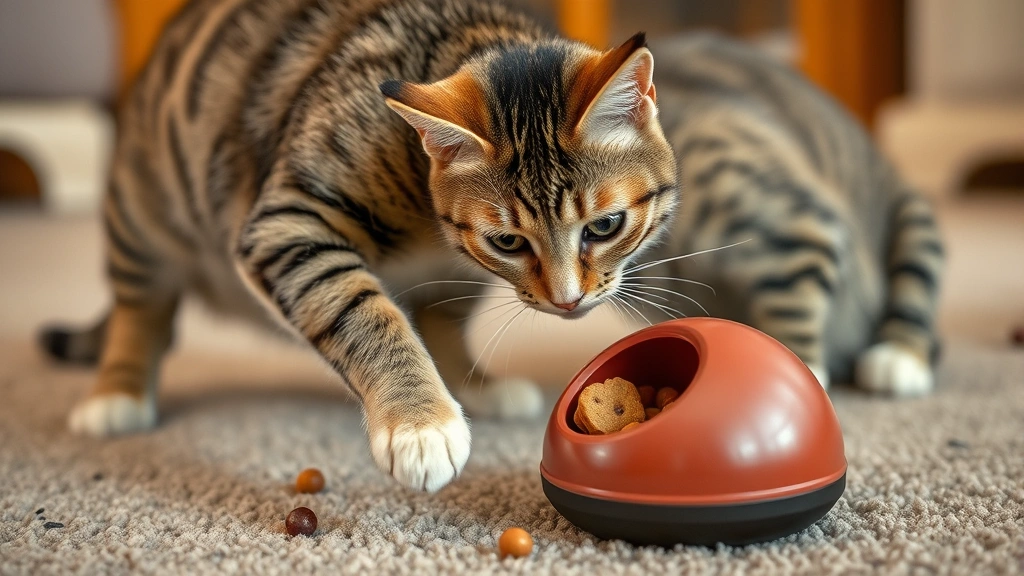
Absolutely. Cats love puzzle feeders and snuffle mats. Choose toys that match their play style—cats are typically less aggressive with toys than dogs, so you have lots of options.
What if my pet can’t figure out how to use the toy?
Start with simpler toys and show them how it works. Some pets catch on immediately; others need a few demonstrations. Patience is key. If they’re genuinely struggling, try a different toy design.
Do food dispensing toys help with separation anxiety?
They can help by providing mental stimulation and keeping your pet occupied while you’re away. However, for serious anxiety, they’re best used alongside other strategies and possibly professional help.
How do I know which toy is right for my pet’s difficulty level?
Start with beginner toys and observe your pet. If they solve it in seconds, move up. If they get frustrated, go back to easier options. Most quality brands offer multiple difficulty levels, so you can progress gradually.
Final Thoughts: Transform Boredom Into Engagement
Food dispensing toys are one of the simplest ways to improve your pet’s quality of life. They combat boredom, reduce behavioral problems, provide mental stimulation, and actually make mealtime more interesting. Whether you’re dealing with a hyper puppy, a bored senior dog, or a curious cat, there’s a toy out there that’ll work.
Start with one or two options, see what your pet loves, and build from there. Rotate toys regularly to keep things fresh. Combine them with proper nutrition, exercise, and plenty of love, and you’ve got a recipe for a happy, well-adjusted pet. Your furniture—and your sanity—will thank you.





