
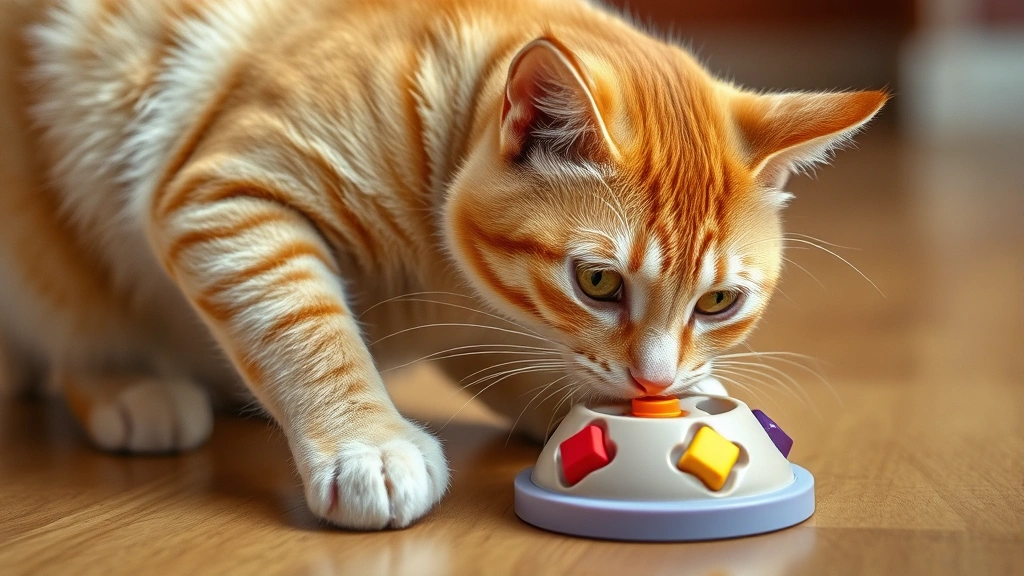
If your cat spends most of their day staring at walls or knocking your water glass off the counter for the hundredth time, foraging toys for cats might be exactly what you need to transform your feline friend from a bored couch potato into an engaged, mentally stimulated companion. These interactive toys tap into your cat’s natural hunting instincts and keep their brain sharp while providing hours of entertainment.
Table of Contents
- Why Foraging Toys Are a Game-Changer for Indoor Cats
- Understanding Feline Enrichment and Hunting Behavior
- Top 5 Foraging Toys for Cats We Recommend
- How to Introduce Foraging Toys to Your Cat
- Combining Foraging Toys with Supplements for Optimal Cat Health
- Safety Considerations When Using Foraging Toys
- Budget-Friendly Alternatives to Commercial Foraging Toys
- Rotating Toys to Maintain Interest
- Monitoring Your Cat’s Progress and Behavior Changes
- The Long-Term Benefits of Foraging Enrichment
- Summary: Making Foraging Toys Part of Your Cat’s Daily Routine
- Frequently Asked Questions
Why Foraging Toys Are a Game-Changer for Indoor Cats
Indoor cats don’t have the luxury of hunting mice in the backyard or stalking birds from the windowsill. Without proper enrichment, they can develop behavioral issues like excessive meowing, destructive scratching, or that lovely habit of attacking your ankles at 3 AM. Foraging toys mimic the hunting experience cats crave, turning mealtime into an adventure instead of just opening a can and walking away.
According to research from AAFCO guidelines on feline nutrition, mental stimulation during feeding is just as important as the nutritional content itself. When cats have to work for their food, they experience satisfaction that goes beyond just filling their bellies.
Understanding Feline Enrichment and Hunting Behavior
Cats are hardwired hunters, even if the only thing they’ve ever hunted is a laser pointer. Their ancestors spent hours stalking, pouncing, and capturing prey. That instinct doesn’t disappear just because Fluffy lives in a studio apartment. Interactive feeding toys and puzzle feeders tap directly into this biological need, providing mental stimulation that prevents boredom-related behavioral problems.
The best part? Using foraging toys for cats actually slows down their eating, which can help prevent digestive issues and obesity. Win-win.
Top 5 Foraging Toys for Cats We Recommend
Let’s dive into the specific products that cat parents absolutely love:
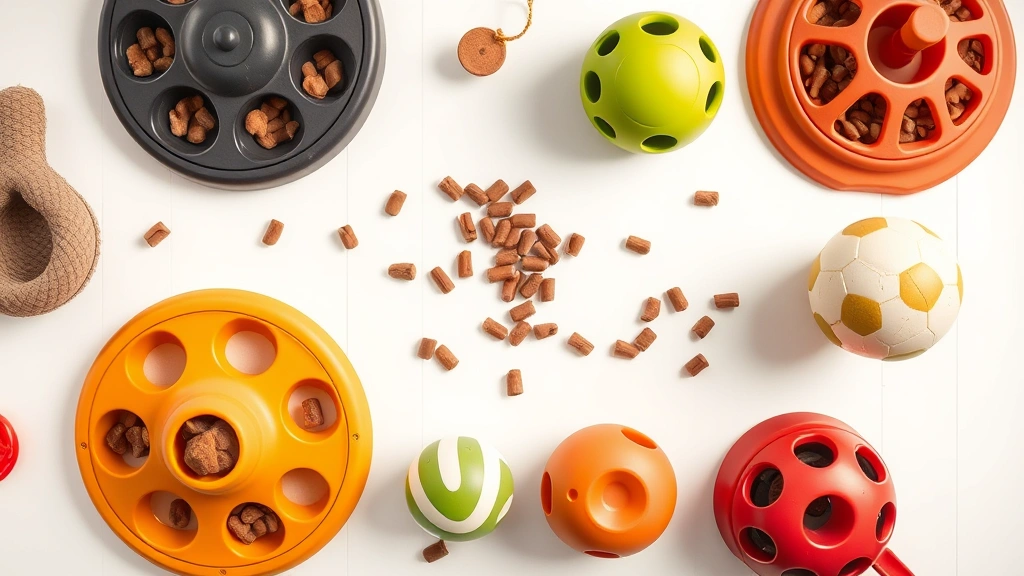
1. The Classic Puzzle Feeder Ball
These hollow balls with small openings are the gateway drug to foraging. You fill them with kibble or treats, and your cat rolls them around to dispense the food. They’re affordable, durable, and work for cats of all ages. Even senior cats seem to find renewed purpose in chasing these around.
2. Multi-Level Puzzle Feeders
If your cat has already mastered the basic ball, step up to a multi-level puzzle feeder. These have multiple compartments and sliding pieces that require problem-solving skills. Your cat will feel like a genius, and you’ll feel like a responsible pet parent for providing proper enrichment.
3. Treat-Dispensing Mice and Small Animals
These tiny plush toys hide treats inside and satisfy the hunting urge while delivering rewards. They’re perfect for cats who like to carry toys around or “hunt” on their own schedule. Plus, they’re adorable to watch.
4. Automatic Feeder Toys with Timer Functions
For the tech-savvy cat parent, automatic foraging toys with timers dispense treats at set intervals throughout the day. This keeps your cat entertained even when you’re at work, and it prevents them from scarfing down all their food at once.
5. DIY Foraging Boxes and Muffin Tins
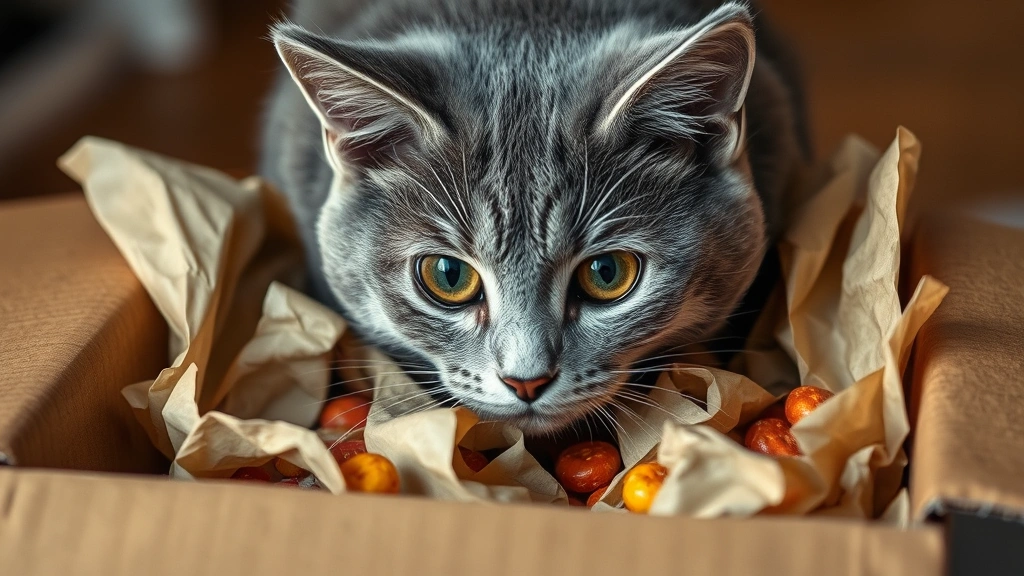
Don’t overlook the homemade option. A cardboard box filled with crumpled paper and hidden treats, or a muffin tin with tennis balls covering each cup, provides excellent enrichment at minimal cost. Cats don’t care about your budget—they just want the challenge.
How to Introduce Foraging Toys to Your Cat
Not every cat immediately understands how foraging toys work. Some are intuitive hunters who figure it out in seconds. Others need a little guidance. Start by showing your cat how the toy works—roll the puzzle feeder or shake it so they hear the treats inside. Most cats will catch on quickly once they realize food is involved.
If your cat seems frustrated, you can make it easier by enlarging the openings or pre-filling the toy with their regular food instead of just treats. The goal is to build confidence and interest, not create a feline anxiety spiral.
Combining Foraging Toys with Supplements for Optimal Cat Health
While mental stimulation is crucial for your cat’s wellbeing, don’t forget about their physical health. If your older cat seems less interested in active play, consider whether joint health might be a factor. Anti-inflammatory supplements for cats can help senior felines stay more active and engaged with enrichment activities.
Additionally, pet cognitive supplements support brain function and may enhance your cat’s problem-solving abilities when using foraging toys. A sharp mind in a healthy body makes for a happy, engaged cat.
Safety Considerations When Using Foraging Toys
Always supervise your cat with new toys, especially if they’re aggressive chewers. Make sure the toy doesn’t have small parts that could become choking hazards. Inspect regularly for wear and tear, and retire toys that are falling apart.
Avoid foraging toys with toxic materials or paints. Stick with food-grade materials and products from reputable manufacturers. Your cat’s safety is non-negotiable, even if it means spending a bit more on quality toys.
Budget-Friendly Alternatives to Commercial Foraging Toys
Not everyone wants to spend $30 on a fancy puzzle feeder. Here are some creative alternatives:
- Paper bags and boxes: Fill with crumpled paper and treats. Cats love the texture and sound.
- Ice cube trays: Place treats in each compartment. Cats have to figure out how to retrieve them.
- Toilet paper rolls: Stuff with treats and fold the ends closed. Cheap, biodegradable, and oddly satisfying to destroy.
- Egg cartons: Hide treats in each cup and close the lid. Your cat becomes a tiny treasure hunter.
- Plastic bottles: Poke holes in a clean plastic bottle, add treats, and let your cat work for their snacks.
Rotating Toys to Maintain Interest
Cats get bored with the same toys eventually, just like humans do. Keep a rotation system where you put away some foraging toys and bring out others every week or two. This creates novelty without requiring you to buy new toys constantly. Your cat will act like they’ve never seen that puzzle feeder before, even though they’ve destroyed it a hundred times.
This rotation strategy also extends the lifespan of your toys since they’re getting less constant use.
Monitoring Your Cat’s Progress and Behavior Changes
Pay attention to how your cat responds to foraging toys. Are they more active? Less destructive? Sleeping better? These are signs that enrichment is working. If your cat seems lethargic or uninterested in activities they once enjoyed, it might be worth discussing with your vet. Sometimes behavioral changes indicate underlying health issues.
For cats with specific health concerns, pet supplement dosage guidance can help ensure you’re supporting their health alongside enrichment activities.
The Long-Term Benefits of Foraging Enrichment
Cats who regularly engage with foraging toys tend to be healthier, happier, and less prone to behavioral problems. They maintain better weight, have improved digestion, and experience less stress-related issues. The mental stimulation also helps prevent cognitive decline in senior cats, keeping their minds sharp well into their golden years.
When you invest in foraging toys for cats, you’re not just buying a toy—you’re investing in your cat’s physical and mental health. That’s something worth celebrating.
Summary: Making Foraging Toys Part of Your Cat’s Daily Routine
Foraging toys for cats are one of the simplest and most effective ways to combat boredom and keep your feline friend engaged. Whether you choose commercial puzzle feeders, DIY options, or a combination of both, the key is consistency. Make foraging part of your cat’s daily routine, rotate toys to maintain interest, and monitor their behavior to ensure the enrichment is working.
Your cat will thank you with better behavior, improved health, and maybe—just maybe—fewer 3 AM ankle attacks. If you’re looking to support your cat’s overall wellness alongside enrichment activities, check out our guide on pet supplement ingredient transparency to ensure you’re choosing quality products.
Frequently Asked Questions
Are foraging toys safe for all cats?
Yes, foraging toys are generally safe for most cats. However, supervise young kittens and aggressive chewers, and always inspect toys for small parts that could become choking hazards. Avoid toys with toxic materials or loose components.
How often should I use foraging toys?
Ideally, use foraging toys daily. You can replace one or two regular meals with food dispensed through puzzle feeders. Some cats benefit from having foraging toys available throughout the day for snacking and mental stimulation.
Can foraging toys help with weight management?
Absolutely. Foraging toys slow down eating speed, increase physical activity, and provide mental stimulation that can reduce stress-related overeating. They’re an excellent tool for weight management in indoor cats.
What if my cat doesn’t understand how to use foraging toys?
Some cats need guidance. Show them how the toy works by rolling it or shaking it to reveal treats. Start with easier toys and gradually introduce more complex puzzles. Some cats simply prefer direct feeding, and that’s okay too.
Are expensive foraging toys better than DIY options?
Not necessarily. Many cats are equally entertained by homemade foraging toys as commercial ones. The most important factor is that the toy provides mental stimulation and is safe. Budget-friendly options often work just as well.





