
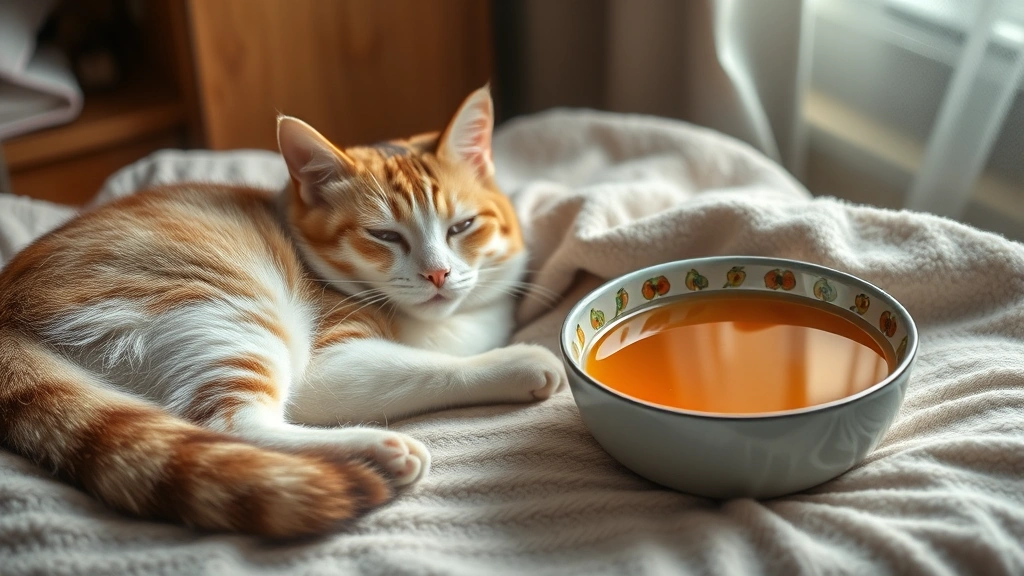
Feeding during illness is one of the most critical aspects of pet recovery that many owners overlook, yet it can make the difference between a quick bounce-back and prolonged suffering. When your furry friend is under the weather, their nutritional needs shift dramatically, and what worked fine yesterday might be completely wrong today. Let’s dive into the nitty-gritty of keeping your sick pet nourished without making things worse.
Table of Contents
- Why Nutrition Matters When Your Pet Is Sick
- Understanding Appetite Loss During Pet Illness
- Best Foods for Sick Pets: Digestibility Is King
- Feeding Frequency: Small and Often Wins the Race
- Temperature and Presentation Matter More Than You’d Think
- When to Consider Recovery Supplements and Special Nutrition
- Hydration: The Overlooked Critical Component
- Medications and Feeding: Timing Is Everything
- Red Flags: When Feeding During Illness Requires Veterinary Intervention
- Transitioning Back to Normal Feeding
- Special Considerations for Different Types of Illness
- Frequently Asked Questions
- Summary: Feeding During Illness Is Active Recovery
Why Nutrition Matters When Your Pet Is Sick
When your pet falls ill, their body enters crisis mode. Immune cells are working overtime, tissues need repair, and energy demands skyrocket even though your pet might be lying around looking pathetic. This is where feeding during illness becomes absolutely crucial. A sick pet’s digestive system is often compromised, making it harder to process food efficiently. The goal isn’t to feed them like they’re training for a marathon—it’s to provide easily digestible, nutrient-dense meals that support recovery without taxing their system.
Think of it like this: their body is running a marathon internally while their stomach is waving a white flag. You need to work with that, not against it.
Understanding Appetite Loss During Pet Illness
One of the most frustrating parts of having a sick pet is watching them turn their nose up at food. Appetite loss is incredibly common during illness and happens for several reasons. Fever suppresses appetite signals in the brain. Nausea makes food seem about as appealing as a gas station hot dog left in the sun. Pain or discomfort can make eating feel like a chore. And sometimes, medications themselves cause appetite suppression—it’s like adding insult to injury.
The tricky part? You can’t just skip meals and hope for the best. Your pet needs calories and nutrients to fight off whatever’s ailing them. This is where strategic feeding during illness comes into play.
Best Foods for Sick Pets: Digestibility Is King
When your pet is sick, forget about their regular kibble for a moment. You want foods that are gentle on the digestive system and pack maximum nutrition into minimum volume. Here’s what veterinarians typically recommend:
Bone Broth: This isn’t just trendy human food nonsense—bone broth is genuinely beneficial for sick pets. It’s easy to digest, contains collagen for gut health, and is packed with amino acids. Warm it up slightly (not hot!) and offer it in small amounts.
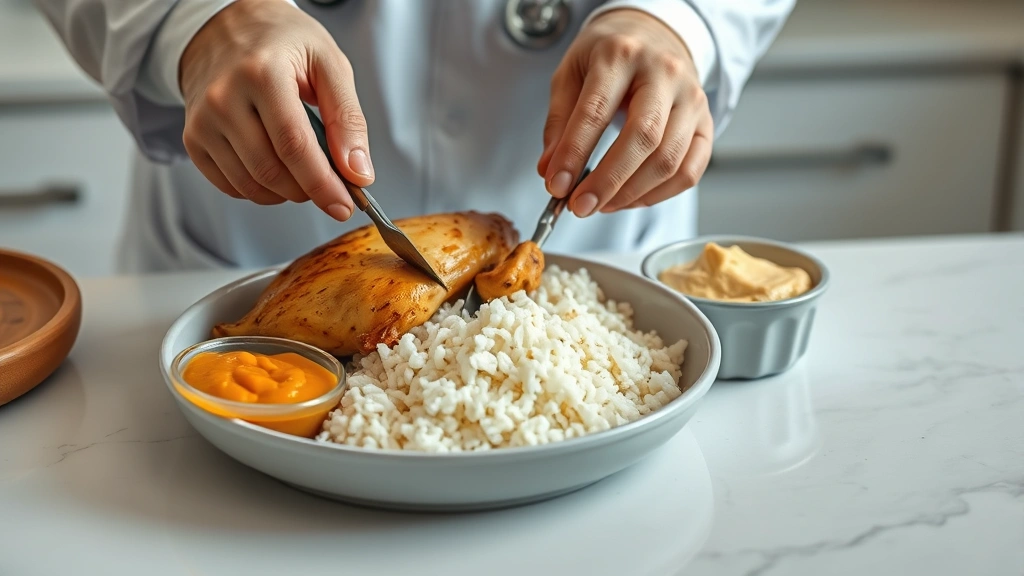
Cooked Chicken or Turkey: Plain, skinless, boneless poultry is the gold standard. It’s high in protein, easy to digest, and most pets find it palatable even when sick. Boil it without seasoning—no salt, garlic, or onions.
White Rice: Bland carbs help settle upset stomachs. Mix it with the cooked poultry for a simple, stomach-friendly meal.
Pumpkin Puree: Not the pie filling—pure pumpkin. It’s fantastic for both diarrhea and constipation because of its fiber content and digestibility.
Sweet Potato: Cooked and mashed, it’s nutrient-dense and easier on the stomach than regular potatoes.
When implementing feeding during illness strategies, introduce these foods gradually. Don’t switch your pet’s entire diet overnight—that’s a recipe for more digestive upset.
Feeding Frequency: Small and Often Wins the Race
Here’s where most owners make a critical mistake: they try to cram a normal day’s worth of food into one bowl, hoping their sick pet will eat it. That’s backwards thinking. Feeding during illness works best with a little-and-often approach.
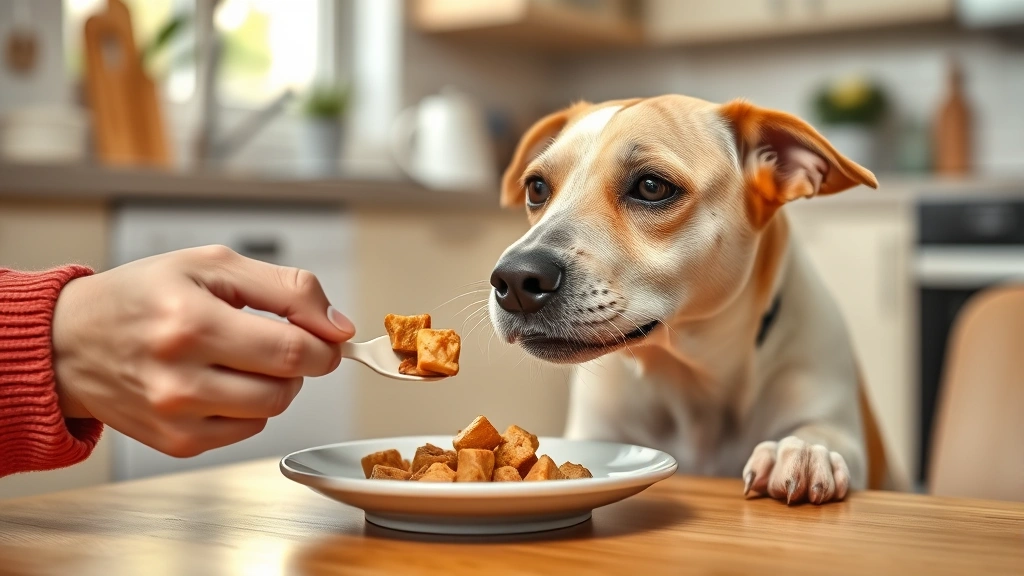
Instead of one or two large meals, offer small portions every 2-3 hours. Think of it as grazing rather than feasting. This approach:
- Reduces nausea by keeping the stomach from being empty
- Makes meals less overwhelming for a sick pet
- Allows better nutrient absorption
- Gives you multiple chances to get food into them
If your pet eats one small portion, that’s a win. Don’t push for more. Consistency over quantity is the mantra here.
Temperature and Presentation Matter More Than You’d Think
Sick pets are picky eaters, and temperature plays a bigger role than most people realize. Slightly warm food is often more appealing than cold food straight from the fridge. Warming releases aroma compounds that stimulate appetite—and when your pet’s appetite is already in the basement, you need all the help you can get.
Presentation also matters. Use shallow bowls so your pet doesn’t have to strain their neck or face. If they’re nauseous, a flat plate might work better than a bowl. Some pets prefer food on the floor rather than elevated feeders when they’re sick. Pay attention to what makes eating easier for your individual pet.
When to Consider Recovery Supplements and Special Nutrition
If your sick pet refuses solid food for more than 24 hours, it’s time to escalate your feeding during illness strategy. This is where recovery supplements become valuable. These are specifically formulated to provide concentrated nutrition in a form that’s easier to consume.
There are also prescription diets designed for specific illnesses. Your vet might recommend at-home pet treatments that include specialized food options. These aren’t luxury items—they’re therapeutic tools. A pet with kidney disease needs different nutrition than a pet recovering from surgery, and a pet with GI issues needs something completely different again.
For cats specifically, probiotics can help restore digestive health. Powder probiotics for cats are easier to administer than pills and can significantly improve recovery when combined with proper feeding during illness protocols.
Hydration: The Overlooked Critical Component
You can’t talk about feeding during illness without addressing hydration. A sick pet often won’t drink enough water, yet their body desperately needs it. Dehydration can actually be more dangerous than not eating for a short period.
Offer water frequently in small amounts. Some pets prefer running water from a fountain. Others will drink more if you add a bit of low-sodium broth to the water. If your pet is severely dehydrated, your vet might recommend subcutaneous fluids—don’t skip this if it’s recommended.
Medications and Feeding: Timing Is Everything
Some medications should be given with food; others should be given on an empty stomach. This can create a puzzle when your pet isn’t eating well. Work with your vet to establish a feeding schedule that aligns with medication timing. Sometimes you need to give medication first, wait a bit, then offer food. Other times, food helps protect the stomach from medication side effects.
This coordination is especially important with anti-inflammatory supplements for cats and other medications that can irritate the stomach. Your vet’s guidance here isn’t just helpful—it’s essential.
Red Flags: When Feeding During Illness Requires Veterinary Intervention
Sometimes, home feeding strategies aren’t enough. Know when to escalate your response:
- Your pet hasn’t eaten anything in 24+ hours
- Persistent vomiting or diarrhea despite dietary changes
- Signs of severe dehydration (sunken eyes, loss of skin elasticity)
- Lethargy that worsens rather than improves
- Abdominal pain or distension
- Blood in vomit or stool
If any of these occur, don’t wait it out at home. Contact your vet immediately. For after-hours emergencies, urgent care telehealth for pets can provide quick guidance while you arrange in-person care.
Transitioning Back to Normal Feeding
Recovery isn’t just about getting through the illness—it’s about getting back to normal without triggering a relapse. This transition should be gradual. If your pet has been on bland chicken and rice, don’t suddenly switch back to their regular kibble. Spend 7-10 days mixing increasing amounts of regular food with the recovery diet.
During this transition period, monitor for any digestive upset. If your pet does well on the regular diet, you can phase out the special food. If problems resurface, talk to your vet about whether your pet needs continued dietary modifications or additional pet supplement dosage guidance to support ongoing recovery.
Special Considerations for Different Types of Illness
Feeding during illness isn’t one-size-fits-all. A pet with pancreatitis needs low-fat foods. A pet with kidney disease needs controlled protein and phosphorus. A pet with diabetes needs carefully managed carbohydrates. A pet recovering from surgery needs high protein to support tissue repair.
This is where working closely with your veterinarian is non-negotiable. They can recommend specific feeding strategies tailored to your pet’s particular condition. What works for your neighbor’s sick dog might be terrible for your cat.
Frequently Asked Questions
How long can a cat or dog go without eating when sick?
Dogs can typically go 3-5 days without food (though this is stressful and not recommended), but cats are different. Cats can develop hepatic lipidosis (fatty liver disease) if they don’t eat for just 2-3 days. This is serious and potentially life-threatening. Never let a sick cat go without food for more than 24 hours without veterinary intervention.
Should I force-feed my sick pet?
Gentle encouragement is fine, but never force-feed. If your pet absolutely refuses food despite your best efforts, inform your vet. They might recommend assisted feeding options like syringe feeding or even temporary feeding tubes for severe cases. These sound dramatic but are sometimes necessary and can be lifesaving.
Is it okay to give my sick pet treats?
During acute illness, stick to the therapeutic foods your vet recommends. Once your pet is recovering well and eating regular meals, small, healthy treats are fine. But during the illness itself, treats can upset the stomach and interfere with recovery.
Can I give my sick pet their regular food if I just make it softer?
Not necessarily. Softening regular kibble doesn’t change its digestibility or nutritional profile. During illness, you often need to switch to foods that are inherently easier to digest, not just mechanically softer versions of regular food.
What if my pet has a sensitive stomach even when healthy?
Pets with chronic digestive issues need even more careful management during illness. Work with your vet beforehand to establish a feeding protocol for when they get sick. Have appropriate foods on hand. Don’t wait until they’re ill to figure this out.
Summary: Feeding During Illness Is Active Recovery
Feeding during illness isn’t passive—it’s an active, strategic part of your pet’s recovery plan. It requires attention, flexibility, and willingness to adjust based on how your pet responds. Start with easily digestible foods, offer small frequent meals, monitor hydration closely, and don’t hesitate to involve your vet when things aren’t improving.
Your sick pet is counting on you to make the right nutritional choices when they’re too miserable to advocate for themselves. With the right approach to feeding during illness, you’re not just keeping them alive—you’re actively supporting their immune system and helping them bounce back faster. That’s the difference between a pet that merely survives illness and one that thrives through recovery.





