
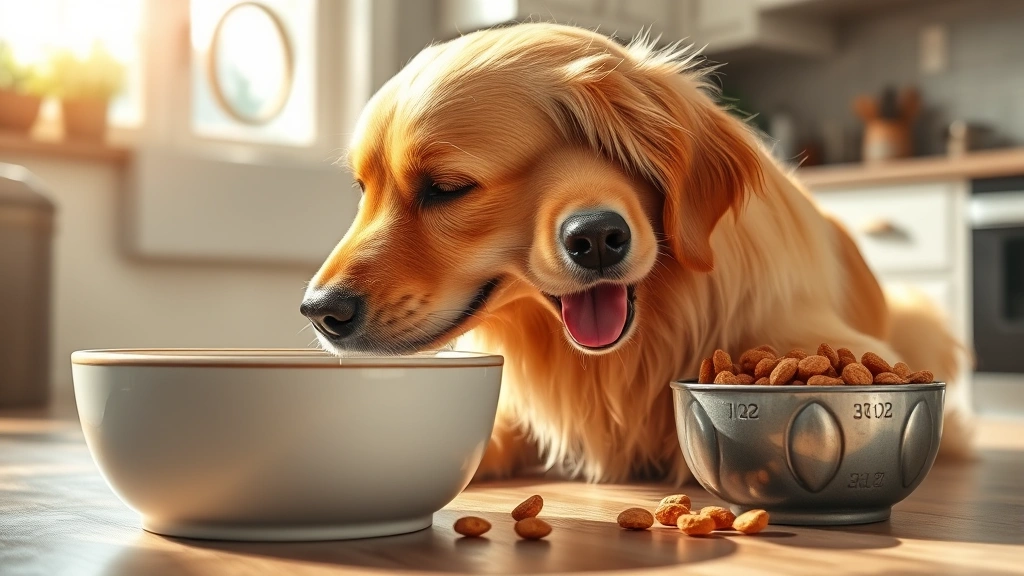
Proper hydration with feeding is one of the most overlooked aspects of pet care, yet it’s absolutely crucial for your furry friend’s health and longevity. Think about it—you wouldn’t eat a massive bowl of dry cereal without water, right? Your pets feel the same way. The relationship between what your pet eats and how much they drink directly impacts their digestion, nutrient absorption, kidney function, and overall well-being. Let’s dive into how you can master this balancing act and keep your pets thriving.
Table of Contents
- Why Hydration With Feeding Matters More Than You Think
- Tip #1: Understand Your Pet’s Individual Water Needs
- Tip #2: Choose the Right Food Type for Maximum Hydration
- Tip #3: Establish Consistent Feeding and Water Schedules
- Tip #4: Monitor Hydration Signs and Adjust Accordingly
- Tip #5: Make Water Irresistible and Accessible
- The Connection Between Feeding Timing and Hydration
- Special Considerations for Different Life Stages
- Common Hydration Mistakes Pet Owners Make
- Creating Your Pet’s Ideal Feeding and Hydration Plan
- Hydration With Feeding: Real-World Success Stories
- Frequently Asked Questions
- Conclusion: Hydration With Feeding as a Cornerstone of Pet Health
Why Hydration With Feeding Matters More Than You Think
Here’s the thing: water isn’t just a beverage for your pet—it’s essential infrastructure for their entire body. When you combine proper feeding practices with adequate hydration, magic happens. Your pet’s digestive system works like a well-oiled machine, nutrients get absorbed efficiently, and toxins flush out naturally. Without proper hydration during feeding, your pet might struggle with constipation, kidney stones, or worse. Studies show that pets who receive balanced nutrition alongside consistent water intake have fewer digestive issues and maintain healthier weights. It’s not rocket science; it’s just smart pet parenting.
Tip #1: Understand Your Pet’s Individual Water Needs
Not all pets need the same amount of water, and that’s where most owners get confused. A general rule of thumb is that pets need about 1 ounce of water per pound of body weight daily, but this varies wildly based on activity level, diet type, and climate. A 50-pound dog running around in summer needs way more water than a 50-pound dog lounging indoors in winter. Wet food diets naturally provide more moisture, so pets eating primarily canned food might need less supplemental water than those munching kibble all day. Check with your veterinarian to establish baseline hydration needs for your specific pet, especially if they have health conditions. This personalized approach ensures you’re not just guessing—you’re actually optimizing their intake based on real needs.
Tip #2: Choose the Right Food Type for Maximum Hydration
The type of food you feed directly influences how much additional water your pet needs to consume independently. Dry kibble contains only about 10% moisture, while wet or canned food contains 70-80% water. This doesn’t mean kibble is bad—many pets thrive on it—but it does mean you need to be more vigilant about water availability and intake when feeding dry food. Some owners get creative by adding warm water or bone broth to kibble, creating a gravy-like consistency that increases moisture content without changing the fundamental diet. This practice, combined with proper pet supplement dosage guidance, can enhance nutrient absorption significantly. Others rotate between wet and dry food to get the best of both worlds. The key is intentionality—don’t just dump kibble in a bowl and hope for the best.
Tip #3: Establish Consistent Feeding and Water Schedules
Pets are creatures of habit, and their digestive systems love predictability. Feeding at the same times each day helps regulate their appetite and bathroom schedules, making it easier to monitor their overall health. More importantly, pairing feeding times with water access creates a natural rhythm. Feed your pet, then ensure fresh water is immediately available. This mimics natural eating patterns and encourages proper hydration right when their body needs it most for digestion. For dogs, consider feeding 2-3 times daily (especially puppies), and always leave water out. Cats are pickier and often prefer multiple small meals throughout the day. Some owners swear by feeding pets in a specific location, then placing water bowls nearby—this creates a feeding station that reinforces the connection between eating and drinking.
Tip #4: Monitor Hydration Signs and Adjust Accordingly
Your pet’s body gives you constant feedback about hydration status; you just need to know what to look for. A well-hydrated pet has moist gums, clear eyes, and skin that bounces back quickly when gently pinched. Conversely, a dehydrated pet has sticky gums, sunken eyes, and skin that tents (stays lifted) when pinched. Check your pet’s urine color too—pale yellow indicates good hydration, while dark amber suggests dehydration. Lethargy, excessive panting, or loss of appetite can all signal hydration issues. If you notice these signs, increase water availability immediately and consult your vet. Some pets benefit from liquid probiotics for pets, which can improve digestion and nutrient absorption when combined with proper hydration. Keep a simple log of your pet’s water intake and bathroom habits—patterns reveal problems before they become serious.
Tip #5: Make Water Irresistible and Accessible
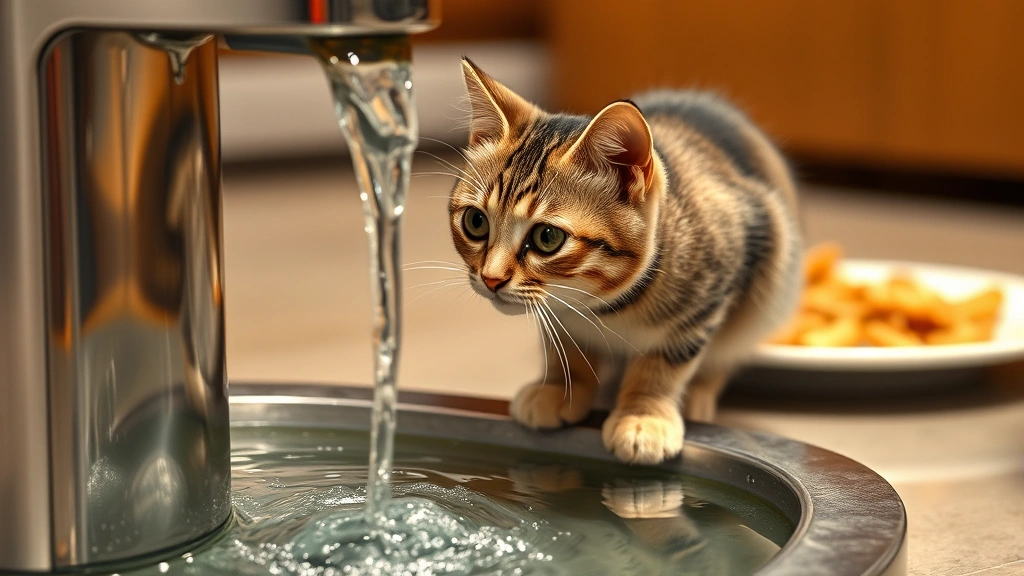
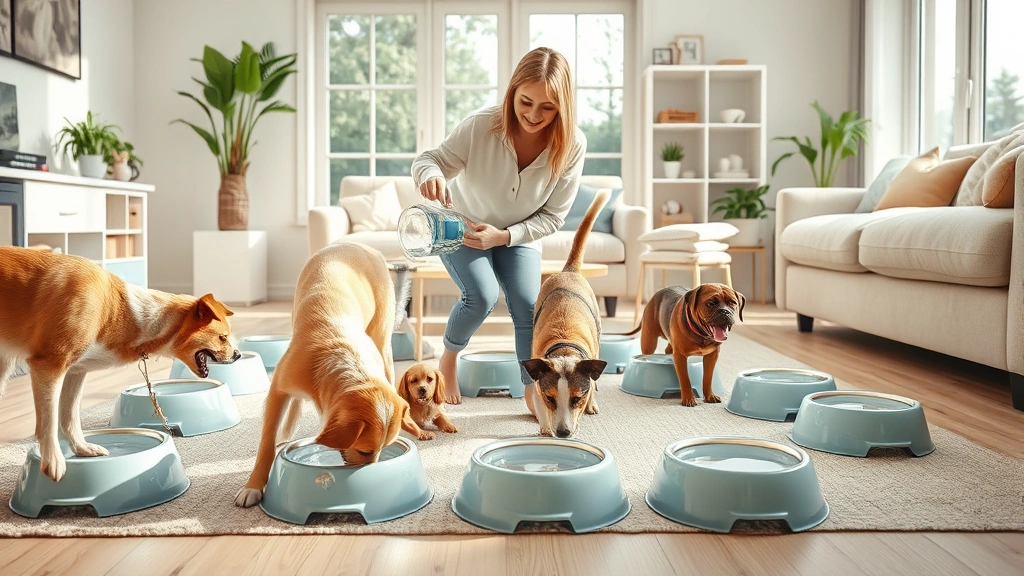
Here’s a secret: many pets don’t drink enough water simply because it’s boring. Invest in a quality water fountain—the moving water appeals to pets’ natural instincts and encourages drinking. Some pets prefer running water to stagnant bowls, and fountains also keep water fresher and more oxygenated. Place multiple water bowls throughout your home, especially if you have a multi-level house. Cats particularly benefit from water stations away from their food bowls, as they naturally prefer to drink separately. Change water daily (or more frequently in hot weather), and occasionally add a splash of low-sodium bone broth to make it more enticing. Some owners even try different bowl materials—ceramic, stainless steel, or glass—as some pets are sensitive to plastic. During meals, ensure water bowls are clean and full. This simple habit pays dividends in pet health.
The Connection Between Feeding Timing and Hydration
Timing matters more than most pet owners realize. Avoid feeding your pet immediately before or after vigorous exercise, as this can lead to bloat, a serious and potentially life-threatening condition. Instead, wait at least 30 minutes to an hour. However, water should always be available, even during and after exercise. Some vets recommend slightly reducing water intake during meals (not eliminating it) to aid digestion, then increasing it afterward. This is especially important for deep-chested breeds prone to bloat. The interplay between hydration and feeding schedules creates optimal digestive efficiency. Work with your vet to establish the best timing for your specific pet, considering their breed, age, and activity level.
Special Considerations for Different Life Stages
Puppies and kittens have different hydration needs than adult pets. Young animals have higher metabolic rates and need more water relative to body weight. Senior pets often have declining kidney function and may need encouragement to drink more. Pregnant or nursing animals require significantly more water and calories. If your pet has diabetes, kidney disease, or urinary issues, hydration becomes even more critical—these conditions often require medical-grade attention to fluid balance. Pet supplement combination packs designed for specific life stages can complement proper feeding and hydration protocols. Always adjust your approach based on your pet’s life stage and health status, consulting your veterinarian for personalized guidance.
Common Hydration Mistakes Pet Owners Make
Don’t assume your pet is drinking enough just because water is available. Some pets are notoriously bad at self-regulating water intake, especially if they’re on a dry food diet. Avoid giving your pet too much salt in their diet, as this can increase thirst but doesn’t necessarily improve hydration. Never restrict water as a training tool or punishment—this is harmful and outdated. Don’t use flavored water or sugary additives instead of plain water. And please, don’t assume that because your pet seems fine, their hydration is adequate. Many serious health issues develop silently before symptoms appear. Regular vet checkups include blood work that reveals hydration and kidney function status long before you’d notice problems at home.
Creating Your Pet’s Ideal Feeding and Hydration Plan
Start by documenting your pet’s current habits. How much do they eat? How much water do they drink? What’s their energy level? Their bathroom schedule? Their weight? Once you have baseline data, work with your vet to create a personalized plan. Consider your pet’s age, breed, activity level, and any health conditions. Decide whether wet food, dry food, or a combination works best. Determine optimal feeding frequency and timing. Plan water bowl placement and consider investing in a fountain. If you’re using supplements, at-home pet treatments like pet longevity supplements should be integrated thoughtfully with feeding schedules. Set reminders to monitor hydration signs weekly. This isn’t about obsession—it’s about intentional care that prevents problems.
Hydration With Feeding: Real-World Success Stories
Pet owners who master this balance report remarkable improvements. Dogs with chronic digestive issues often show dramatic improvement within weeks of optimizing hydration with feeding. Cats prone to urinary problems frequently see resolution when water intake increases alongside dietary adjustments. Senior pets often regain energy and mobility when properly hydrated. The common thread? These owners didn’t just feed their pets—they created comprehensive feeding and hydration systems. They monitored results, adjusted as needed, and stayed consistent. Your pet’s health improvements will be your reward.
Frequently Asked Questions
How much water should my pet drink daily?
Generally, pets need about 1 ounce of water per pound of body weight daily, but this varies based on diet, activity, age, and health status. A 50-pound dog might need 50 ounces (about 6 cups) daily, but this increases significantly with exercise or warm weather. Pets eating wet food naturally consume more water through their diet. Always consult your veterinarian for your specific pet’s needs, especially if they have health conditions affecting hydration.
Should I give my pet water with meals or separately?
Water should be available throughout the day, including during and after meals. However, some vets recommend avoiding large water intake immediately before meals for deep-chested breeds prone to bloat. The key is consistent availability rather than restriction. Separate water bowls away from food bowls can encourage cats to drink more, as they prefer this arrangement naturally.
What are signs my pet isn’t drinking enough water?
Watch for sticky or dry gums, sunken eyes, skin that tents when gently pinched, dark amber urine, lethargy, or loss of appetite. These indicate dehydration and warrant immediate veterinary attention. Preventatively, monitor your pet’s water intake daily and adjust food or water availability if you notice changes in drinking habits.
Is wet food better than dry food for hydration?
Wet food contains 70-80% water while dry food contains only 10%, so wet food contributes more to overall hydration. However, both can be part of a healthy diet when paired with adequate supplemental water intake. Many pets thrive on dry food when they have consistent access to fresh water. The best choice depends on your individual pet’s health, preferences, and your vet’s recommendation.
Can I add supplements to my pet’s water to improve hydration?
Some supplements like electrolytes or probiotics can be added to water under veterinary guidance. However, plain fresh water is usually best. If your pet needs supplements, consider automatic pet supplement delivery services that coordinate with feeding schedules rather than altering water quality, which might discourage drinking.
Conclusion: Hydration With Feeding as a Cornerstone of Pet Health
Mastering hydration with feeding isn’t complicated, but it does require intention and consistency. You’re not just giving your pet food and water—you’re creating the conditions for optimal health, longevity, and vitality. Start by understanding your individual pet’s needs, choose appropriate food types, establish consistent schedules, monitor for hydration signs, and make water irresistible. Work with your veterinarian to create a personalized plan that accounts for your pet’s unique circumstances. The investment of attention and care you make today pays dividends in years of healthy, happy companionship. Your pet depends on you to get this right, and honestly, it’s one of the most impactful things you can do for their well-being. Now go refill that water bowl and give your furry friend a pat—they deserve it.





