
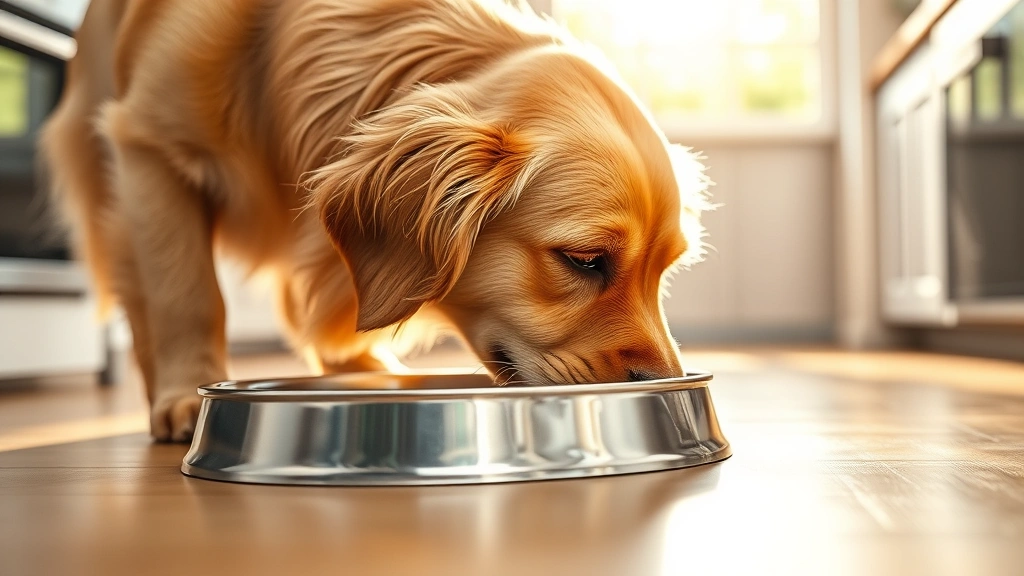
If you’re not keeping tabs on your pet’s water intake monitoring habits, you’re basically flying blind when it comes to their health. Seriously. Your furry friend can’t exactly tell you “Hey, I’m feeling dehydrated” or “Something’s wrong with my kidneys,” so it falls on us pet parents to play detective. Let’s dive into why tracking how much water your dog or cat drinks matters more than you probably think, and how to actually do it without losing your mind.
Table of Contents
- Why Water Intake Monitoring Matters More Than You Think
- Solution 1: The Simple Water Bowl Method
- Solution 2: Smart Water Bowls and Automatic Feeders
- Solution 3: Keep a Detailed Health Journal
- Solution 4: Monitor Urine Output and Hydration Signs
- Solution 5: Work With Your Vet on Baseline Measurements
- Common Conditions Revealed Through Water Intake Changes
- Seasonal and Environmental Factors to Consider
- Technology Integration: Apps and Devices
- Special Considerations for Cats vs. Dogs
- What to Do If You Notice Changes
- Frequently Asked Questions
- Summary: Making Water Intake Monitoring Part of Your Routine
Why Water Intake Monitoring Matters More Than You Think
Your pet’s drinking habits are like a health report card they submit daily. Changes in water consumption can signal everything from diabetes to kidney disease to urinary tract infections. Dogs typically drink between 0.5 to 1 ounce of water per pound of body weight per day—so a 50-pound dog should be drinking around 25-50 ounces daily. Cats are trickier since they’re naturally less thirsty, but they should still drink roughly 3.5 to 4.5 milliliters per pound of body weight.
When these numbers shift dramatically, it’s your cue to pay attention. Too much drinking (polydipsia) and too little drinking (dehydration) are both red flags. This is where proper pet hydration tracking becomes your secret weapon for catching health issues early. Think of it as preventative medicine that costs you literally nothing except a bit of attention.
Solution 1: The Simple Water Bowl Method
Let’s start with the most straightforward approach: measuring your pet’s water bowl. Grab a measuring cup, fill their bowl to a consistent level each morning, and check how much remains at the end of the day. This low-tech method works surprisingly well for establishing baseline drinking patterns.
The trick is consistency. Use the same bowl, fill it at the same time each day, and keep a simple log on your phone or a notebook. After a week, you’ll have a solid baseline. Any deviation of 25-30% or more warrants a call to your vet. Pro tip: If you have multiple pets sharing bowls, you’ll need to separate them for accurate pet water consumption tracking—yeah, it’s annoying, but your vet will thank you later.
Solution 2: Smart Water Bowls and Automatic Feeders
Welcome to the future, where your pet’s water bowl can send you notifications. Smart water bowls use sensors to track how much your pet drinks and can alert you to unusual patterns through an app. Brands like PetDual and similar devices make this ridiculously easy.
These gadgets are especially useful if you have a busy schedule or multiple pets. Some models even remind you to refill the bowl and track drinking trends over weeks and months. Yes, they’re pricier than a regular bowl, but if your pet has a health condition requiring close monitoring, the investment pays for itself in peace of mind. Plus, they look sleek on your kitchen floor—way better than staring at a notebook filled with water measurements.
Solution 3: Keep a Detailed Health Journal
Boring? Maybe. Effective? Absolutely. Maintaining a simple log of your pet’s daily water intake alongside other observations (bathroom habits, energy levels, appetite) creates a comprehensive health picture. This is gold when you visit your vet because you can show actual data instead of vague memories.
Use a simple spreadsheet or even a dedicated pet health app. Record the date, amount consumed, and any behavioral changes you notice. If your cat suddenly goes from drinking one bowl a day to three, that’s documented evidence of a potential problem. When you need to use the Pet Symptom Checker Online, having this journal makes the process way more accurate.
Solution 4: Monitor Urine Output and Hydration Signs
Water intake monitoring isn’t just about what goes in—it’s also about what comes out. Healthy pets produce pale yellow urine; dark yellow or amber-colored urine suggests dehydration. Similarly, check their skin turgor (how quickly skin bounces back when gently pinched). If it takes more than a second to return to normal, your pet might be dehydrated.
Other hydration indicators include dry gums, lethargy, and sunken eyes. Keep these physical signs in mind alongside your water measurements. This multi-angle approach gives you a complete picture of your pet’s hydration status. If you notice concerning signs, At-Home Pet Treatments and professional guidance can help address the issue quickly.
Solution 5: Work With Your Vet on Baseline Measurements
Your veterinarian isn’t just there for emergencies—they’re your partner in preventative care. During your next checkup, ask your vet what your specific pet’s ideal daily water intake should be. Every animal is different based on age, activity level, diet, and health status.
Some vets recommend bringing your pet in for a baseline measurement where they observe drinking habits in a controlled environment. This gives you a concrete number to track against. If your vet suspects a condition affecting hydration, they might recommend Preventative Care Supplements or specific dietary adjustments to support kidney function and overall wellness.
Common Conditions Revealed Through Water Intake Changes
Increased thirst often indicates diabetes, kidney disease, Cushing’s syndrome, or thyroid problems in older pets. Decreased water intake can signal dental disease, depression, or serious kidney issues. Urinary tract infections might cause frequent drinking followed by inability to urinate much—another red flag requiring immediate attention.
The beauty of consistent hydration monitoring for pets is that you catch these issues while they’re manageable. Early intervention with conditions like diabetes literally extends your pet’s lifespan and quality of life. This isn’t paranoia; it’s smart pet parenting.
Seasonal and Environmental Factors to Consider
Your pet’s water intake naturally fluctuates with seasons, temperature, and activity level. A dog running around in summer heat will drink way more than one lounging indoors in winter. High-protein diets and certain medications also increase thirst. Dry indoor air from heating systems can affect consumption too.
This is why that baseline measurement from your vet matters—they help you distinguish between normal seasonal variation and actual health concerns. If your indoor cat suddenly starts drinking like a husky in summer, that’s worth investigating even if it’s technically warmer than usual.
Technology Integration: Apps and Devices
Beyond smart bowls, numerous pet health apps let you log water intake alongside other vitals. Some even sync with wearable pet trackers that monitor activity levels and temperature. The data integration helps identify patterns—like your pet drinking more on days they’re less active, which might indicate a problem.
If your pet requires medications, apps can remind you to administer them while simultaneously tracking how those medications affect drinking behavior. This is particularly useful when working with your vet on Pet Medication Advice Online or adjusting treatment plans.
Special Considerations for Cats vs. Dogs
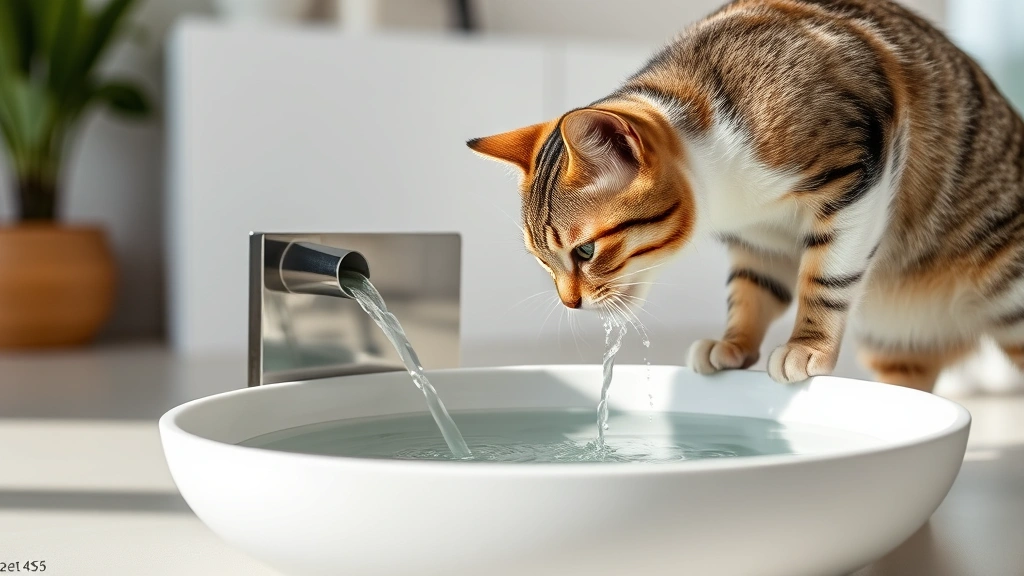
Cats are notoriously difficult when it comes to water intake monitoring because they’re picky drinkers. Many cats prefer running water from fountains rather than still bowls—their instinct tells them moving water is fresher. If you have a cat, investing in a water fountain might actually increase their hydration naturally.
Dogs are generally more cooperative with monitoring since they drink from bowls more consistently. However, dogs that eat wet food get additional hydration from meals, so their bowl water intake might be lower than expected—factor that into your calculations. Both species benefit from multiple water sources placed throughout your home.

What to Do If You Notice Changes
First, don’t panic. A single day of unusual drinking might mean nothing. But if the pattern persists for 2-3 days, it’s time to contact your vet. Provide them with your water intake data and any other observations you’ve made. This information dramatically speeds up diagnosis.
Your vet might recommend blood work, urinalysis, or ultrasound depending on the situation. Having documented evidence of when changes started makes these investigations far more efficient. If your pet needs ongoing health management, ask about Sensitive Stomach Supplements or other supportive care options that complement medical treatment.
Frequently Asked Questions
How often should I measure my pet’s water intake?
Daily measurement is ideal for establishing patterns. Measure at the same time each day for consistency. After establishing a baseline over 1-2 weeks, you can adjust frequency based on whether you notice any concerns. If your pet has a known health condition, daily monitoring is essential.
What’s considered abnormal water intake for dogs?
Significant increases (more than 50% above baseline) or decreases warrant veterinary attention. Individual variation exists, but sudden changes are always worth investigating. Factors like diet, activity, and weather matter, but persistent changes over several days need professional evaluation.
Can dehydration be life-threatening?
Yes, severe dehydration is serious and requires immediate veterinary care. Signs include extreme lethargy, sunken eyes, very dry gums, and inability to urinate. If you suspect severe dehydration, don’t wait—head to an emergency vet clinic immediately.
Do indoor cats need less water than outdoor cats?
Not necessarily. Indoor cats might actually need more supplemental water since they don’t get moisture from hunting prey. Provide multiple water sources and consider a fountain to encourage drinking. Monitor their intake just as carefully as outdoor cats.
Should I restrict water intake if my pet drinks too much?
No. Never restrict water unless your vet specifically instructs you to. Excessive drinking is your pet’s body trying to compensate for something—restricting water makes the underlying problem worse. Always consult your vet before making any changes.
Summary: Making Water Intake Monitoring Part of Your Routine
Water intake monitoring isn’t complicated, but it requires consistency and attention. Whether you choose simple daily measurements, invest in smart technology, or maintain a detailed health journal, the key is establishing a baseline and tracking changes. Your pet can’t tell you what’s wrong, so this simple practice becomes your early warning system.
Start today with whatever method feels manageable for your lifestyle. Even basic observation—noticing if your pet seems thirstier or less interested in water—counts. Combine this with regular vet checkups, and you’re giving your pet the best chance at a long, healthy life. Because honestly, that’s what pet parenting is all about.





